
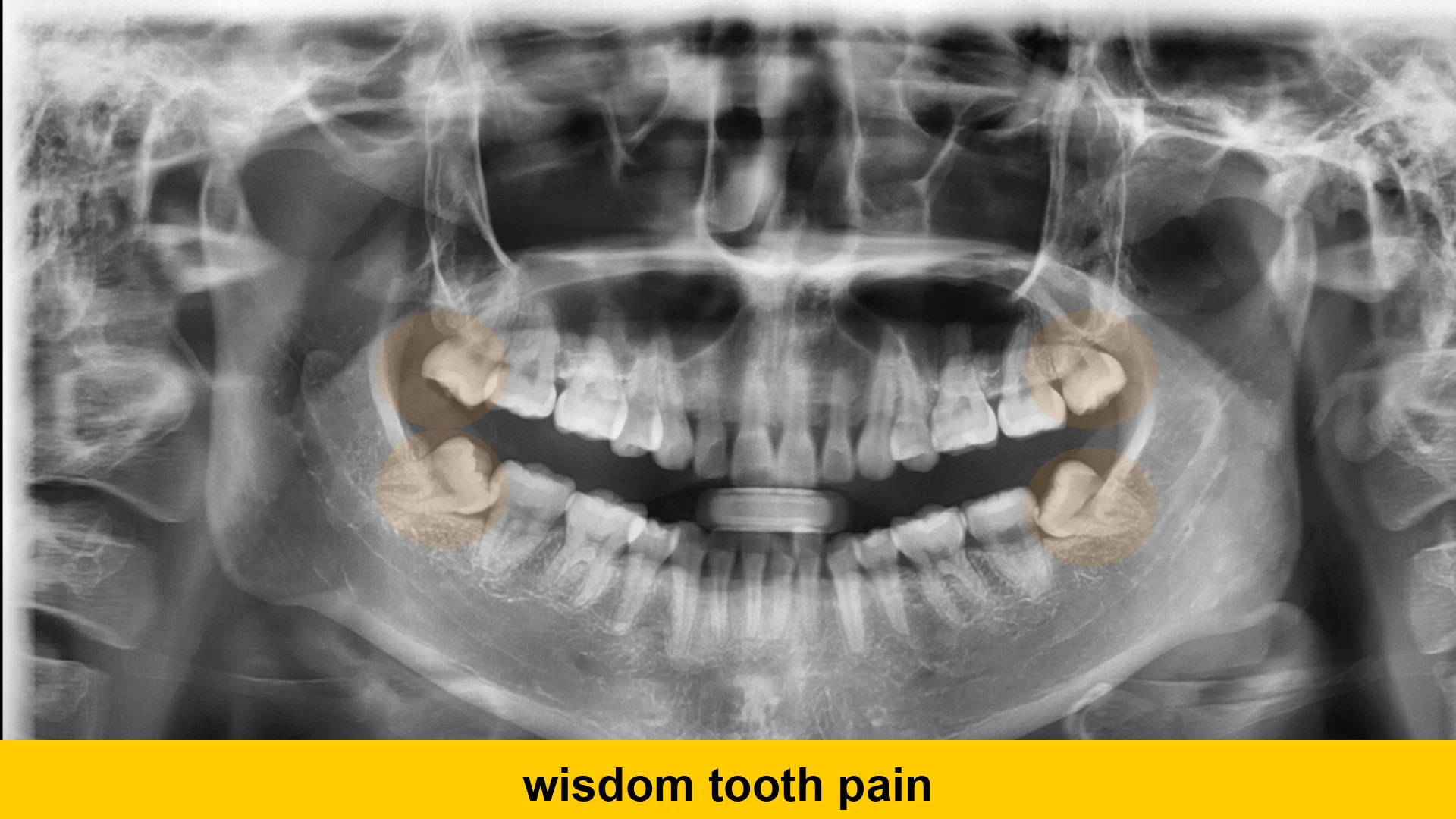
Few dental ailments disrupt daily life quite like the intense, throbbing, or persistent discomfort often associated with wisdom teeth. If you’ve ever experienced that tell-tale ache at the back of your jaw, you know how debilitating it can be. It’s more than just a minor inconvenience; it can interfere with eating, speaking, and even sleeping. This comprehensive guide is dedicated to understanding wisdom tooth pain causes, equipping you with the knowledge to recognize the signs, understand the underlying issues, and seek appropriate relief. By the end, you’ll have a clear picture of why your wisdom teeth might be hurting.
Wisdom teeth, also known as third molars, are the last set of teeth to erupt, typically between the ages of 17 and 25. While some people’s wisdom teeth emerge without a hitch, many encounter problems due to insufficient space in the jaw. These issues can range from mild irritation to severe infection, leading to significant pain and discomfort. Knowing precisely what triggers this pain is the first step toward finding effective solutions and maintaining your oral health. Let’s delve deep into the world of wisdom teeth and explore the diverse reasons for wisdom tooth discomfort.
Our focus here is on providing detailed, actionable information that helps you identify the problem and understand your options. We’ll cover everything from the types of impaction to the signs of infection, ensuring you’re well-informed. This knowledge is paramount for effective self-care and knowing when professional dental intervention is absolutely necessary for your well-being.
Table of Contents
- What Are Wisdom Teeth? A Brief Overview
- Understanding Wisdom Tooth Pain Causes: The Root of Your Discomfort
- Impaction: The Most Common Reason for Wisdom Tooth Discomfort
- Pericoronitis: Infection of the Gum Tissue
- Cysts and Tumors: Less Common but Serious Causes
- Crowding and Damage to Adjacent Teeth
- Nerve Compression: When Nerves are Affected
- Tooth Decay and Gum Disease
- What Does Wisdom Tooth Pain Feel Like? Recognizing the Sensations
- Is Throbbing Wisdom Tooth Pain Normal?
- Sharp, Shooting, or Dull Ache: Varying Types of Pain
- Common Symptoms Beyond Pain: The Broader Picture of Wisdom Tooth Issues
- When to Worry About Wisdom Tooth Pain: Signs You Need Immediate Attention
- Temporary Wisdom Tooth Pain Relief: Actionable Steps at Home
- When to See a Dentist: Professional Help for Understanding Wisdom Tooth Pain Causes
- The Dental Diagnosis Process
- Professional Treatment Options
- The Wisdom Tooth Extraction Process: What to Expect
- Before the Procedure
- During the Procedure
- Recovery After Extraction
- Preventing Future Wisdom Tooth Issues: Proactive Oral Health Strategies
- Conclusion: Prioritizing Your Oral Health
What Are Wisdom Teeth? A Brief Overview
Before we delve into understanding wisdom tooth pain causes, let’s clarify what these enigmatic molars actually are. Wisdom teeth are the final set of four molars that develop in the very back of your mouth, two on the top and two on the bottom. Historically, these teeth were crucial for grinding tough, uncooked food, a necessity for our ancestors who had different dietary habits and larger jaws.
However, modern human jaws have generally evolved to be smaller, often lacking sufficient space for these late-arriving teeth to erupt properly. This discrepancy between tooth size and jaw space is the primary reason why so many people experience issues with their wisdom teeth, leading to pain and other complications. They often try to push through in an already crowded mouth.
For some fortunate individuals, wisdom teeth emerge without any issues, aligning perfectly with the existing teeth and causing no discomfort. For many others, however, their arrival can be a source of significant trouble, making it essential to understand the potential problems they can present. Identifying whether your discomfort is indeed from a wisdom tooth is a critical first step, and understanding the root cause is next.
Understanding Wisdom Tooth Pain Causes: The Root of Your Discomfort
When it comes to understanding wisdom tooth pain causes, several factors can contribute to that unpleasant sensation at the back of your mouth. The reasons `why do wisdom teeth hurt` are often complex, stemming from their late emergence and the limited space available in the jaw. Let’s explore the most common culprits behind `wisdom tooth discomfort`, providing clarity on `what causes wisdom tooth pain` and how these issues manifest.
Impaction: The Most Common Reason for Wisdom Tooth Discomfort
One of the most frequent `reasons for wisdom tooth discomfort` is impaction. An impacted wisdom tooth occurs when there isn’t enough room in your jaw for the tooth to erupt properly. Instead of growing straight up through the gum line, it gets stuck, either partially or completely, within the jawbone or under the gum tissue. This often leads to a persistent `toothache wisdom tooth` that can be hard to ignore.
This impaction can manifest in several ways, each contributing to unique pain patterns:
- Mesial Impaction: The tooth is angled forward, towards the front of your mouth, pushing against the adjacent second molar. This is one of the most common types and frequently causes pressure and inflammation.
- Distal Impaction: The tooth is angled backward, towards the back of your mouth. While less common, it can still exert pressure on surrounding structures and make cleaning difficult.
- Vertical Impaction: The tooth is in the correct upright position but is trapped beneath the gum line or bone, unable to fully erupt due to obstruction. This can create chronic pressure on the jawbone.
- Horizontal Impaction: This is often the most problematic, as the tooth lies completely sideways, usually pressing directly into the root or crown of the adjacent second molar. This can lead to severe pain, damage to the neighboring tooth, and complicate extraction.
Regardless of the type, an impacted tooth can cause pain by putting pressure on the surrounding teeth, nerves, and bone. The persistent pressure can lead to a dull ache that intensifies over time, sometimes accompanied by sharp, shooting pains when you chew or open your mouth wide. This pressure also contributes to the overall feeling of a `toothache wisdom tooth` and is a primary factor in `what causes wisdom tooth pain` for many.
Pericoronitis: Infection of the Gum Tissue
Another major contributor to `wisdom tooth pain` is pericoronitis. This condition occurs when a wisdom tooth partially erupts, creating a flap of gum tissue (called an operculum) over the top of the tooth. This flap becomes a breeding ground for bacteria because food particles and plaque can easily get trapped underneath it, making it difficult to clean effectively. This is a classic example of `wisdom tooth infection signs`.
The accumulation of bacteria leads to inflammation and infection of the gum around the partially erupted tooth. Symptoms of pericoronitis include intense `gum pain from wisdom tooth`, swelling, redness, and tenderness in the affected area. You might also notice an unpleasant taste in your mouth, bad breath, and difficulty opening your jaw (trismus).
In severe cases, the infection can spread to other areas of the mouth and even cause systemic symptoms like fever and swollen lymph nodes. This is a clear sign that you are dealing with significant `wisdom tooth infection signs` and requires immediate dental attention to prevent further complications. This is a common and often acute aspect of `understanding wisdom tooth pain causes`.
Cysts and Tumors: Less Common but Serious Causes
While less common, impacted wisdom teeth can sometimes lead to the development of cysts or, in very rare instances, benign tumors. A cyst is a fluid-filled sac that forms around the crown of an impacted tooth. As these cysts grow, they can exert pressure on the surrounding bone and roots of adjacent teeth, causing pain and potentially damaging the jawbone or other teeth.
These growths usually don’t present with immediate sharp pain, but as they expand, they can lead to a gradual increase in discomfort, sensitivity, and even structural weakening of the jaw. Early detection through regular dental X-rays is crucial, as larger cysts can weaken the jaw and necessitate more complex surgical removal. This highlights the importance of imaging in `understanding wisdom tooth pain causes`.
Crowding and Damage to Adjacent Teeth
Even if a wisdom tooth does manage to erupt, it might not have enough space, leading to crowding of your existing teeth. This pressure can cause your other teeth to shift, resulting in misalignment, bite problems, and general discomfort. The force exerted by an erupting or impacted wisdom tooth can also, over time, cause damage to the roots or structure of the second molars, leading to cavities or bone loss on the adjacent tooth.
This manifests as a general ache or sensitivity in the area, not just around the wisdom tooth itself, but potentially extending to other teeth in the vicinity. You might notice your bite feels “off” or experience increased sensitivity when chewing, which can be one of the subtle `symptoms of wisdom tooth pressing on nerve` or simply crowding. This mechanical pressure is a common `reason for wisdom tooth discomfort`.
Nerve Compression: When Nerves are Affected
In some cases, an impacted wisdom tooth can grow in a way that compresses or irritates nearby nerves. The inferior alveolar nerve, which runs through the lower jaw and provides sensation to the lower lip and chin, is particularly vulnerable. If a wisdom tooth is pressing on this nerve, it can cause radiating pain, numbness, or tingling sensations in the jaw, lower lip, or chin, which are serious `symptoms of wisdom tooth pressing on nerve`.
This kind of pain can be sharp, shooting, or feel like an electrical sensation, often intermittent but highly distressing. It’s a significant indicator that the tooth’s position is causing more than just localized inflammation and may require prompt intervention. This neurological involvement is a critical aspect of `understanding wisdom tooth pain causes` and often necessitates surgical evaluation.
Tooth Decay and Gum Disease
Due to their location at the very back of the mouth, wisdom teeth are notoriously difficult to clean effectively, even if they’ve erupted properly. This makes them highly susceptible to tooth decay (cavities) and gum disease (periodontitis). Food particles and bacteria can easily accumulate in these hard-to-reach areas, leading to problems that often go unnoticed until pain sets in.
When decay sets in, it can lead to the typical `toothache wisdom tooth` pain, sensitivity to hot and cold, and discomfort when biting. Similarly, plaque buildup around a wisdom tooth can lead to localized gum inflammation and infection, causing `gum pain from wisdom tooth` that might mirror pericoronitis symptoms, even if the tooth isn’t impacted. These preventable issues are often overlooked when `understanding wisdom tooth pain causes`.
What Does Wisdom Tooth Pain Feel Like? Recognizing the Sensations
Now that we’ve covered the common understanding wisdom tooth pain causes, let’s explore what the actual experience of `wisdom tooth discomfort` feels like. The nature of the pain can vary significantly depending on the underlying cause, but there are several hallmark sensations. Many wonder, `what does wisdom tooth pain feel like`?
Is Throbbing Wisdom Tooth Pain Normal?
Throbbing pain is a very common characteristic of wisdom tooth issues, especially when inflammation or infection is present. This rhythmic, pulsating sensation often indicates pressure buildup within the gum tissue or bone, a classic sign of pericoronitis or an actively erupting impacted tooth. Yes, `is throbbing wisdom tooth pain normal` is a frequently asked question, and it often signals an issue that requires attention and professional evaluation.
You might notice the throbbing intensifies when you lie down, as blood flow to the head increases, further exacerbating the pressure in the area. This type of pain can be relentless and profoundly impact your ability to focus, work, or sleep, making daily activities challenging. It’s a clear indicator that your body is reacting to an underlying problem.
Sharp, Shooting, or Dull Ache: Varying Types of Pain
Beyond throbbing, `wisdom tooth pain` can manifest in various other ways:
- Sharp, Shooting Pain: Often associated with nerve irritation or when the tooth is actively pushing against another tooth. This pain can be sudden and intense, particularly when chewing, biting down, or opening your mouth wide. It might feel like an electric shock.
- Dull, Constant Ache: This is a common experience with impacted teeth that are causing persistent pressure. It might not be as severe as a sharp pain, but its constant presence can be very draining and can extend across the jaw or to other teeth.
- Radiating Pain: The discomfort might not be confined to the immediate area of the wisdom tooth. It can spread to your jaw, ear, temple, or even down your neck, making it hard to pinpoint the exact source. This referred pain is a common aspect of severe dental issues.
These varying sensations contribute to the overall experience of a `wisdom toothache`, signaling that something is amiss with your third molars. Understanding these different types of pain can help you describe your symptoms more accurately to your dentist, aiding in diagnosis and effective treatment for the `reasons for wisdom tooth discomfort`.
Common Symptoms Beyond Pain: The Broader Picture of Wisdom Tooth Issues
While pain is undeniably the most prominent symptom, wisdom tooth problems often come with a host of other indicators. Recognizing these accompanying signs can help you understand the severity of the issue and `how to tell if wisdom tooth is coming in` with complications, or if an infection is brewing. These are all part of a comprehensive `understanding wisdom tooth pain causes`.
- Swollen, Tender Gums: The area around the erupting or impacted wisdom tooth may appear red, inflamed, and be very sensitive to touch. This is a strong indicator of pericoronitis or general irritation, often the first `symptoms of wisdom tooth eruption pain` you’ll notice.
- Difficulty Opening Your Mouth (Trismus): Inflammation and muscle spasms in the jaw can make it painful and difficult to fully open your mouth, hindering eating and speaking. This can also be a sign of spreading infection.
- Bad Breath (Halitosis) or Unpleasant Taste: These often signal an infection (like pericoronitis) where bacteria are thriving beneath a gum flap or in a decaying tooth. The accumulation of food debris and bacteria produces foul odors and a metallic or bitter taste.
- Swelling Outside the Jaw: In more severe cases of infection, swelling may extend to your cheek or even your neck, indicating a more widespread inflammatory response or cellulitis. This is a serious `impacted wisdom tooth symptom`.
- Fever and Swollen Lymph Nodes: If an infection is significant, your body’s immune response might trigger a fever. Swollen and tender lymph nodes under your jaw or in your neck are also common signs that your body is fighting off an infection. These are definite `wisdom tooth infection signs`.
- Headaches: Referred pain from the jaw and muscle tension due to clenching or discomfort can lead to persistent headaches, which can sometimes be mistaken for other conditions.
- Trouble Chewing: Eating becomes difficult and painful, particularly hard or crunchy foods, due to pressure, pain, or limited jaw movement. This can severely impact your nutrition.
- Facial Swelling: Visible swelling on the side of the face closest to the affected wisdom tooth is a strong indication of inflammation or infection that requires immediate attention.
Understanding these broader `impacted wisdom tooth symptoms`, alongside the pain, provides a fuller picture of the issues at play, helping you to assess the urgency of dental intervention. If you notice any combination of these symptoms, especially with severe `wisdom tooth pain`, it’s time to consult a dental professional.
When to Worry About Wisdom Tooth Pain: Signs You Need Immediate Attention
While some `wisdom tooth discomfort` can be managed temporarily at home, certain symptoms warrant immediate professional dental care. Knowing `when to worry about wisdom tooth pain` is crucial to prevent more serious complications. Do not delay if you experience any of the following, as these could indicate severe issues related to `understanding wisdom tooth pain causes`.
- Severe, Unrelenting Pain: If the pain is intense, constant, and not relieved by over-the-counter pain medication, it’s a strong indicator of a significant underlying problem, possibly a severe infection, an abscess, or a deeply impacted tooth.
- Difficulty Swallowing or Breathing: This is a red flag indicating that swelling and infection may be spreading into the throat or surrounding tissues, potentially compromising your airway. This requires emergency medical attention, as it can be life-threatening.
- Spreading Swelling and Redness: If the swelling extends beyond the immediate area of the tooth, reaching your cheek, jaw, or neck, it suggests a more widespread infection (cellulitis) that needs urgent treatment. Look for `wisdom tooth infection signs` spreading rapidly.
- High Fever: A persistent fever (above 100.4°F or 38°C) accompanied by `wisdom tooth pain` is a clear sign of a significant systemic infection that requires antibiotics and possibly drainage by a dental professional.
- Pus or Discharge: Seeing or tasting pus from around the wisdom tooth or gum flap indicates an active infection that needs to be treated by a dentist immediately. This is a definitive `wisdom tooth infection sign`.
- Numbness or Tingling: If you experience numbness or a persistent tingling sensation in your lip, chin, or tongue, it could mean the wisdom tooth is pressing on a nerve, requiring prompt evaluation to prevent permanent nerve damage. This is a critical `symptoms of wisdom tooth pressing on nerve`.
- Jaw Stiffness or Inability to Open Mouth: Severe trismus, where you can barely open your mouth, can indicate extensive inflammation or infection affecting the jaw muscles and joints.
These are not symptoms to ignore. Delaying treatment can lead to more serious health issues, including cellulitis, abscess formation (a collection of pus), or even sepsis, which can be dangerous. Always consult a dentist immediately if you are experiencing `wisdom tooth pain` and any of these accompanying severe symptoms. Your prompt action can prevent significant complications.
Temporary Wisdom Tooth Pain Relief: Actionable Steps at Home
While awaiting a dental appointment, there are several steps you can take to alleviate `wisdom tooth pain` and manage the discomfort. These are temporary measures and do not replace professional dental care, but they can offer significant relief from `wisdom tooth discomfort`. Many people ask, `does wisdom tooth pain come and go`? Yes, it often does, but these remedies can help during those painful phases, making your wait for an appointment more bearable.
- Saltwater Rinse: Mix half a teaspoon of salt into a glass of warm water. Swish this solution around your mouth for about 30-60 seconds, then spit it out. Repeat several times a day, especially after meals and before bed. Saltwater acts as a natural disinfectant, reduces inflammation, and can help to clear food debris from around the impacted area, effectively helping with `gum pain from wisdom tooth` and keeping the area clean.
- Cold Compress: Apply an ice pack or a bag of frozen peas wrapped in a thin cloth to the outside of your cheek near the painful area. Hold it for 15-20 minutes at a time, then remove for 20 minutes. Repeat as needed. This can help reduce swelling and numb the pain by constricting blood vessels.
- Over-the-Counter (OTC) Pain Relievers: Medications like ibuprofen (Advil, Motrin) or naproxen (Aleve) are excellent choices as they reduce both pain and inflammation. Acetaminophen (Tylenol) can also effectively reduce pain. Always follow the dosage instructions on the packaging carefully and consult your pharmacist if you have any contraindications.
- Clove Oil: Clove oil has natural antiseptic and analgesic (pain-relieving) properties due to its active ingredient, eugenol. Apply a small amount of pure clove oil to a cotton ball and gently dab it on the affected gum and tooth. Be cautious not to swallow too much, as it can upset your stomach, and apply sparingly to avoid irritation.
- Oral Anesthetic Gels: Topical numbing gels containing benzocaine (like Orajel, Anbesol) can provide temporary relief by numbing the painful area directly. Follow product instructions carefully and use only as directed.
- Maintain Oral Hygiene (Carefully): While painful, it’s still important to keep the area as clean as possible to prevent further infection. Gently brush the surrounding teeth and gums with a soft toothbrush, and consider using an antiseptic mouthwash (like chlorhexidine if prescribed, or a non-alcoholic store-bought one). Avoid vigorous brushing directly on the painful spot to prevent irritation.
- Soft Foods: Stick to a diet of soft, easy-to-chew foods like soups, mashed potatoes, yogurt, and smoothies. This reduces pressure on the affected tooth and allows the area to rest, minimizing further `wisdom tooth pain` during eating.
These remedies are effective for `temporary wisdom tooth pain relief` but are not a substitute for professional dental diagnosis and treatment. If `how long does wisdom tooth pain last` for you is more than a few days, or if the pain intensifies, it’s time to see a dentist to address the actual `understanding wisdom tooth pain causes`.
When to See a Dentist: Professional Help for Understanding Wisdom Tooth Pain Causes
While home remedies can offer temporary respite, professional dental intervention is often necessary for persistent or severe `wisdom tooth pain`. A dentist can accurately diagnose the problem and provide effective treatment. This section focuses on when and how to seek professional help for understanding wisdom tooth pain causes and getting it resolved definitively.
The Dental Diagnosis Process
When you visit your dentist for `wisdom tooth pain`, they will typically perform a thorough examination, which includes:
- Visual Inspection: The dentist will carefully look at the back of your mouth, checking for signs of swelling, redness, any visible eruption of the wisdom tooth or gum flap (operculum), and any signs of decay or damage to adjacent teeth.
- Palpation: They may gently press on the area around the wisdom tooth and jaw to identify tenderness, assess swelling, and check for any signs of infection or muscle involvement.
- Dental X-rays: This is perhaps the most crucial diagnostic tool. X-rays provide a clear picture of your wisdom teeth’s position, whether they are impacted, how they are angled, their proximity to adjacent teeth and vital structures like nerves and sinuses, and if there are any signs of cysts, tumors, or bone damage. This imaging helps determine `what causes wisdom tooth pain` with precision and plan appropriate treatment.
Based on these findings, your dentist will be able to explain the specific `reasons for wisdom tooth discomfort` you are experiencing and recommend the most appropriate course of action. They can also provide insight into `symptoms of wisdom tooth eruption pain` and differentiate between normal eruption discomfort and problematic issues.
Professional Treatment Options
The treatment for `wisdom tooth pain` depends entirely on the underlying cause:
- Irrigation and Antibiotics for Pericoronitis: If you have pericoronitis, the dentist will thoroughly clean (irrigate) the area under the gum flap to remove trapped food debris and bacteria. They may also prescribe antibiotics to clear the infection. In some cases, minor surgical removal of the gum flap (operculum) might be performed if it’s recurrent.
- Pain Management and Monitoring: For very mild symptoms of an erupting tooth that is not impacted, the dentist might recommend continued use of home remedies and monitor the tooth’s progress with regular check-ups. This approach is taken when `understanding wisdom tooth pain causes` points to minimal risk.
- Wisdom Tooth Extraction: This is the most common and definitive solution for impacted or problematic wisdom teeth. Extraction is typically recommended when:
- The tooth is impacted and causing pain, recurrent infection, or damage to adjacent teeth.
- There are recurrent episodes of pericoronitis despite cleaning.
- Cysts or tumors are developing around the tooth.
- The tooth is causing crowding or orthodontic problems, threatening the alignment of other teeth.
- There is extensive tooth decay that cannot be treated with a simple filling, or severe gum disease.
Your dentist will discuss the details of the procedure, including anesthesia options, and may refer you to an oral surgeon if the extraction is complex due to impaction or proximity to nerves. Understanding this procedure is key to resolving chronic `wisdom tooth pain`.
Do not hesitate to contact your dental professional if you’re experiencing symptoms. Early intervention can prevent minor issues from escalating into serious health problems. For more information on dental health, you can visit authoritative sources like the American Dental Association.
If you’re wondering about `symptoms of wisdom tooth eruption pain` and want clarity on whether your experience is normal, a dental visit is invaluable. They can differentiate between typical eruption discomfort and signs of complications, guiding you to the right treatment for `understanding wisdom tooth pain causes`.
The Wisdom Tooth Extraction Process: What to Expect
If extraction is recommended as the solution for your `wisdom tooth pain`, it’s natural to have questions and concerns. The wisdom tooth extraction process is a routine surgical procedure performed by general dentists or, more commonly, by oral and maxillofacial surgeons, especially for impacted teeth. This section aims to demystify the process and explain `what to expect`.
Before the Procedure
Your dentist or oral surgeon will review your complete medical history, discuss all available anesthesia options (local anesthesia, sedation, or general anesthesia), and provide detailed pre-operative instructions, such as fasting if general anesthesia or IV sedation is used. X-rays will be thoroughly reviewed to plan the extraction, including the angulation and depth of impaction, and proximity to nerves or sinuses. This planning is critical for a smooth procedure and minimizing risks.
You may also be prescribed antibiotics to take before the surgery if there’s an active infection, or given anti-inflammatory medication to start taking a day or two prior to help manage post-operative swelling. Make sure you understand all instructions and ask any questions you have.
During the Procedure
The actual extraction involves several meticulous steps designed to ensure comfort and efficacy:
- Anesthesia: You will receive the chosen anesthesia to ensure you are completely comfortable and feel no pain during the procedure. Local anesthesia numbs the area, while sedation or general anesthesia helps you relax or sleep through the process.
- Incision (if needed): If the tooth is impacted or covered by gum tissue, a small incision may be made to expose the tooth fully.
- Bone Removal (if needed): For bone-impacted teeth, a small amount of bone covering the tooth may be carefully removed using specialized dental drills to create a clear path for extraction.
- Tooth Division (if needed): The tooth may be carefully divided into smaller sections. This technique makes removal easier, minimizes the amount of bone that needs to be removed, and reduces trauma to surrounding tissues, especially for complex impactions.
- Removal: The tooth or its sections are then carefully extracted from the socket using dental instruments.
- Cleaning and Suturing: Once the tooth is removed, the extraction site is thoroughly cleaned of any bone fragments, debris, or infected tissue. The gum may then be sutured closed, often with dissolvable stitches, to promote healing and reduce the risk of complications.
The duration of the procedure varies significantly, typically lasting from 20 minutes to over an hour, depending on the number and complexity of the extractions. Your surgical team will keep you informed throughout the process.
Recovery After Extraction
Post-operative care is crucial for a smooth recovery and to prevent complications like dry socket, which is a painful condition where the blood clot dislodges. You’ll receive detailed instructions on:
- Pain Management: You will likely be prescribed pain medication or advised to continue with OTC pain relievers. Take them as directed to manage `pain after wisdom tooth starts coming in` (post-op pain).
- Swelling and Bruising: Using ice packs applied to the outside of your cheek for the first 24-48 hours can significantly reduce swelling and bruising.
- Diet: Sticking to a soft diet initially is critical. Gradually introduce harder foods as tolerated over several days. Avoid crunchy, chewy, or hot foods that could irritate the site.
- Oral Hygiene: Gentle rinsing with warm saltwater (after the first 24 hours) helps keep the area clean. Avoid spitting, using straws, or vigorous rinsing, as these can dislodge the blood clot and lead to dry socket. Brush carefully around the surgical site.
- Activity: Restrict strenuous activity, heavy lifting, and intense exercise for at least 3-5 days to prevent increased bleeding or swelling.
Most people recover within a few days to a week, with significant improvement by day 3-5. Any persistent or worsening pain, swelling, fever, or signs of infection should be reported to your oral surgeon immediately. Following these guidelines helps ensure a quick and comfortable recovery from resolving your `wisdom tooth pain`.
Preventing Future Wisdom Tooth Issues: Proactive Oral Health Strategies
While you can’t always prevent wisdom teeth from causing issues, especially impaction due to genetic factors, proactive measures can significantly reduce the risk of `wisdom tooth pain` and complications. The key lies in consistent and diligent oral hygiene practices and regular dental check-ups, which are paramount to `understanding wisdom tooth pain causes` and avoiding them.
- Regular Dental Check-ups and X-rays: This is perhaps the most important preventive step. Your dentist can monitor the development and eruption of your wisdom teeth through regular examinations and X-rays (usually taken every few years as you age into your late teens and early twenties). Early detection of impaction, cyst formation, or other potential problems allows for timely intervention, often before `wisdom tooth pain` becomes severe or irreversible damage occurs.
- Excellent Oral Hygiene: Even if your wisdom teeth have erupted properly, their location at the very back of the mouth makes them challenging to clean effectively. Dedicate extra time to brushing and flossing these areas thoroughly to prevent plaque buildup, decay, and gum disease. Use a soft-bristled toothbrush and consider a water flosser for hard-to-reach spots around the back molars to dislodge food particles that can lead to `gum pain from wisdom tooth`.
- Address Crowding Early: If your dentist identifies potential crowding issues due to erupting wisdom teeth, they might recommend early extraction (often referred to as prophylactic extraction) to prevent misalignment of your other teeth and avoid future `wisdom tooth discomfort`. This is especially relevant if orthodontic treatment is a concern.
- Follow Dentist’s Advice: If your dentist advises monitoring your wisdom teeth or suggests a prophylactic extraction based on X-ray findings and potential risks, follow their recommendations. They have the expertise to assess your specific situation and guide you towards the best preventive care to mitigate `what causes wisdom tooth pain` in your unique case.
- Promptly Address Minor Issues: Don’t wait for `wisdom tooth pain` to become unbearable. If you notice persistent sensitivity, a bad taste, or slight swelling in the back of your mouth, schedule a dental visit. Addressing minor irritations early can prevent them from escalating into full-blown infections or severe pain.
By taking these proactive steps, you contribute significantly to the long-term health of your entire mouth, minimizing the chances of developing severe `wisdom tooth pain` or infection. While `understanding wisdom tooth pain causes` is vital for diagnosis, preventing them from occurring in the first place is even better and saves you from unnecessary suffering and complex treatments.
Conclusion: Prioritizing Your Oral Health
Wisdom tooth pain can be an incredibly disruptive and often alarming experience, stemming from a variety of underlying issues. From the persistent ache of an impacted tooth to the sharp pain of pericoronitis, `what causes wisdom tooth pain` is often rooted in the anatomical challenges of these late-erupting molars. We’ve explored the diverse `reasons for wisdom tooth discomfort`, including impaction, infection, cysts, crowding, and decay, providing a comprehensive guide to understanding wisdom tooth pain causes in depth.
Recognizing the symptoms, from wondering `is throbbing wisdom tooth pain normal` to identifying definitive `wisdom tooth infection signs` like fever or swelling, is the first step toward effective management. While temporary home remedies can offer immediate relief, it is crucial to understand `when to worry about wisdom tooth pain` and when to seek professional dental attention without delay. Delaying a visit to your dentist or oral surgeon can lead to worsening pain, more complex infections, and potential damage to adjacent teeth or jawbone.
Remember, your oral health is intrinsically linked to your overall well-being. Regular dental check-ups, early detection through diagnostic X-rays, and maintaining diligent oral hygiene are your best defenses against the myriad problems wisdom teeth can present. If you suspect your wisdom teeth are causing problems, or if you’re experiencing `symptoms of wisdom tooth eruption pain`, don’t hesitate. A timely consultation with your dental professional will ensure an accurate diagnosis and the most appropriate treatment plan, bringing you relief and protecting your smile for years to come. Don’t let `wisdom tooth pain` dictate your comfort; take control by seeking expert care and maintaining proactive oral health habits. Understanding `what causes wisdom tooth pain` is the beginning of finding lasting relief.