
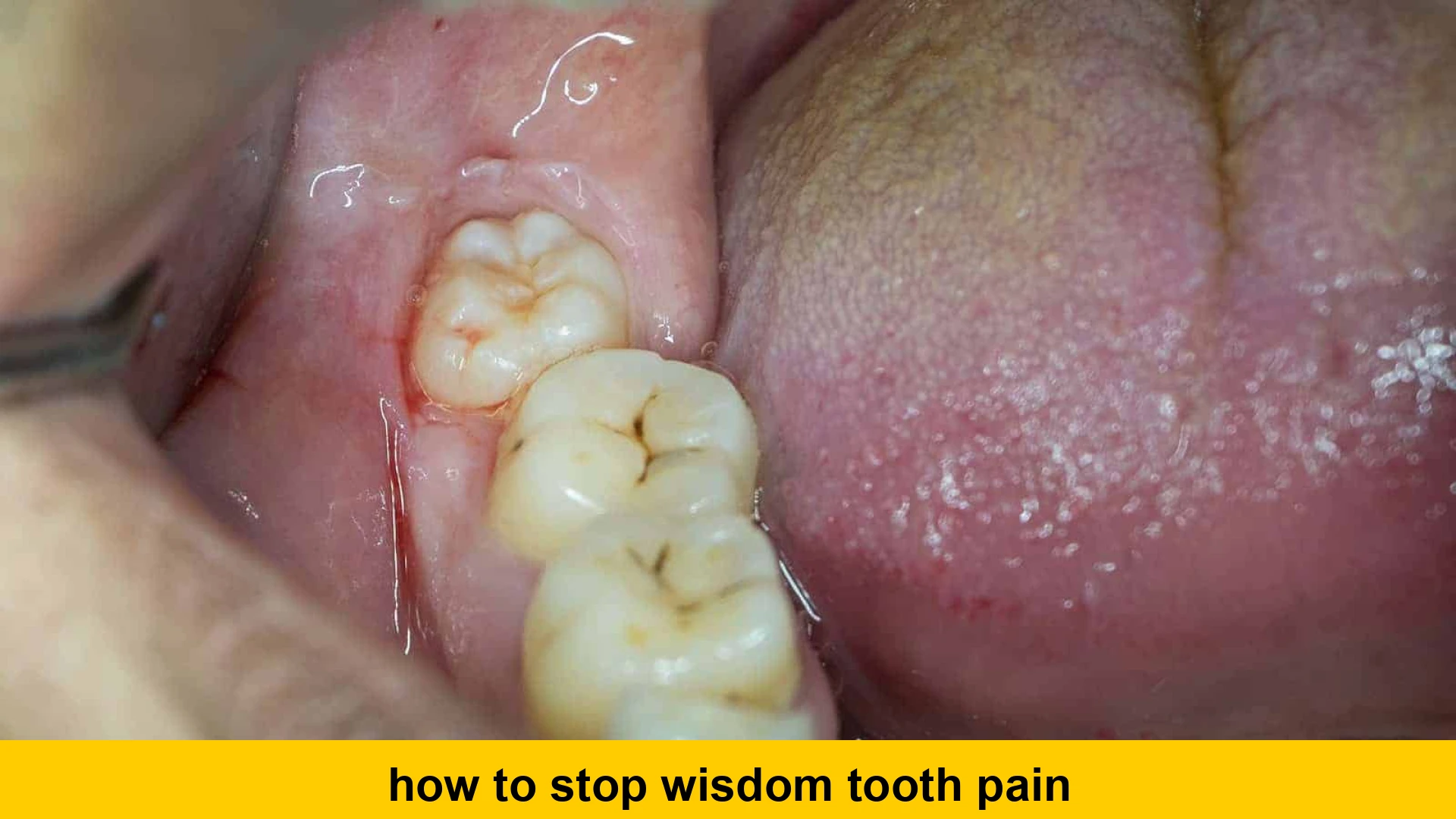
Wisdom tooth pain can strike with a vengeance, turning everyday activities into a miserable ordeal. If you’re currently grappling with that throbbing ache at the back of your jaw, you’re not alone. Millions experience discomfort when their wisdom teeth erupt, become impacted, or suffer from infection. The good news is that there are numerous strategies, both immediate and long-term, that can provide significant relief. This comprehensive guide will walk you through exactly how to stop wisdom tooth pain, offering practical advice, home remedies, and when it’s absolutely crucial to seek professional dental help. Understanding the root cause of your pain is the first step towards finding lasting relief, and we’re here to help you navigate through it all.
Dealing with a sore wisdom tooth can be incredibly disruptive, affecting your ability to eat, speak, and even sleep. From mild irritation to severe, debilitating pain, the symptoms vary, but the desire for relief is universal. Whether your wisdom tooth is just starting to emerge, is partially erupted, or is causing issues due to impaction, finding effective ways to reduce wisdom tooth pain is paramount. Let’s delve into the immediate steps you can take to alleviate discomfort and what options are available for more permanent solutions to get rid of wisdom tooth pain fast.
Understanding Wisdom Tooth Pain: Why It Hurts So Much
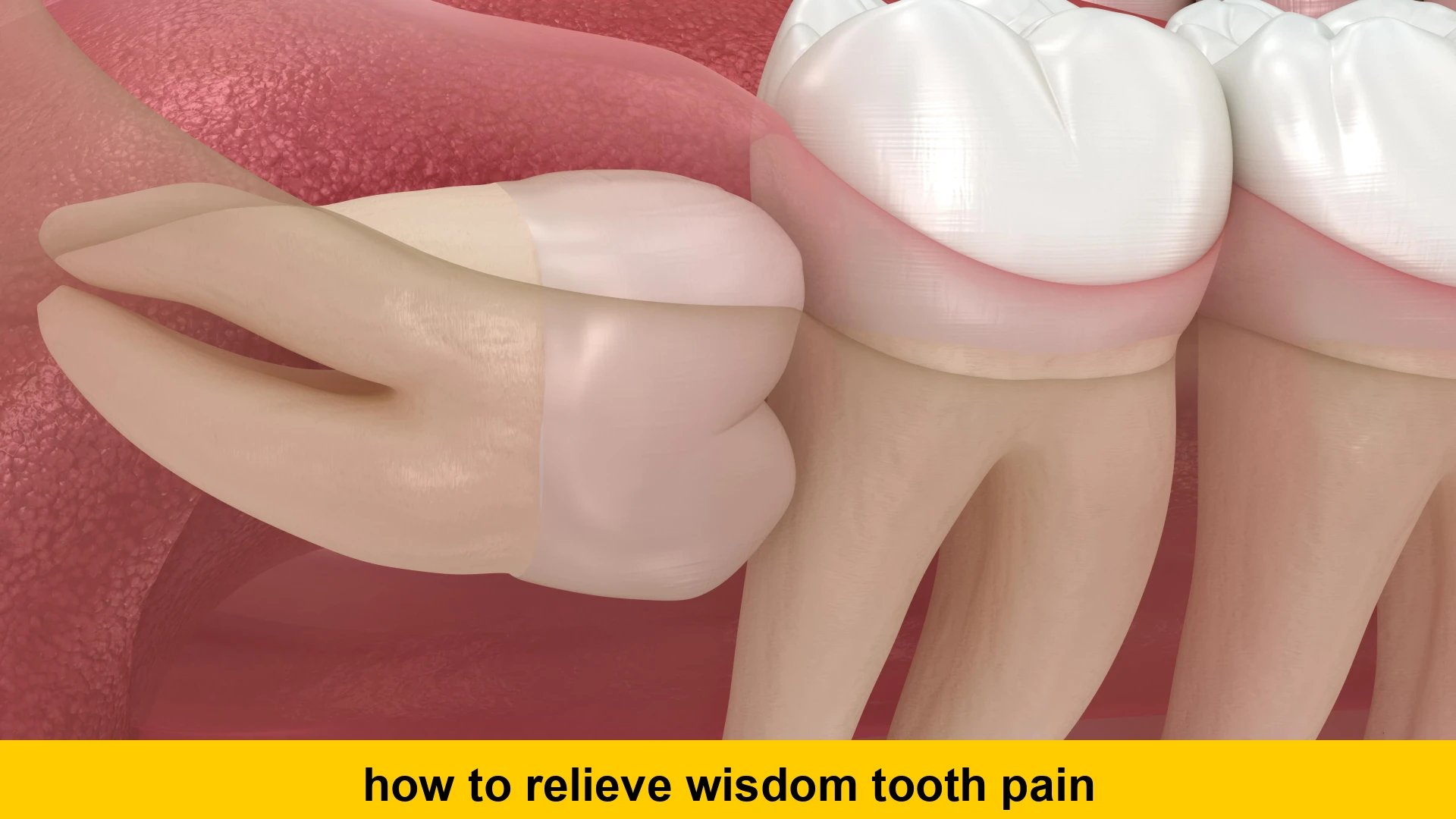
Before we explore how to stop wisdom tooth pain, it’s helpful to understand why these late-arriving molars often cause so much trouble. Wisdom teeth, also known as third molars, are the last teeth to erupt, typically between the ages of 17 and 25. By this time, your jawbone may not have enough space to accommodate them properly. This lack of space can lead to several problems, including impaction, where the tooth gets stuck against another tooth or the jawbone, unable to fully emerge. Impaction is a primary culprit behind the sharp, persistent pain many people experience.
Another common issue is pericoronitis, an inflammation of the gum tissue surrounding a partially erupted wisdom tooth. When only part of the tooth breaks through the gum, it creates a flap of tissue where food particles and bacteria can easily get trapped. This dark, moist environment is a breeding ground for infection, leading to swelling, tenderness, bad breath, and significant pain. In some cases, the wisdom tooth might erupt crookedly, pushing against neighboring teeth, causing pressure and misalignment. Cysts or tumors, though less common, can also form around an impacted wisdom tooth, further exacerbating the discomfort. Recognizing these underlying issues is key to effective wisdom tooth pain relief.
Immediate Home Remedies: How to Relieve Wisdom Tooth Pain Quickly
When wisdom tooth pain strikes, the first thing you want is quick relief. Fortunately, several home remedies can help manage wisdom tooth discomfort and temporarily stop wisdom tooth pain at night until you can see a dentist. These methods focus on reducing inflammation, numbing the area, and cleaning the site of infection.
One of the simplest yet most effective ways to reduce swelling and ease pain is a salt water rinse. Mix half a teaspoon of salt in a cup of warm water and swish it around your mouth for 30-60 seconds, several times a day. The salt water acts as a natural disinfectant, helping to kill bacteria and reduce inflammation in the affected gum area. This can be particularly beneficial if you’re dealing with pericoronitis, as it helps flush out trapped food particles.
Applying a cold compress or ice pack to the outside of your jaw can also provide significant relief. Wrap an ice pack in a thin cloth and hold it against the painful area for 15-20 minutes at a time, several times a day. The cold helps constrict blood vessels, reducing swelling and numbing the pain. Alternatively, some people find relief from applying a warm compress. A warm, moist tea bag (especially peppermint or black tea, which contain tannins with anti-inflammatory properties) held against the affected gum can be soothing.
Clove oil is a time-tested natural analgesic that many swear by for wisdom tooth pain. It contains eugenol, a natural antiseptic and anesthetic. Apply a tiny amount of clove oil directly to the painful tooth and surrounding gum tissue using a cotton swab. Be careful not to swallow too much, as it can cause an upset stomach. You can also dilute a few drops of clove oil in a carrier oil like olive oil before applying. This natural pain relief for wisdom tooth can be quite potent, so use sparingly.
Peppermint oil, known for its numbing properties, can also offer temporary relief. A few drops on a cotton ball applied to the sore area can help. Additionally, chewing on a fresh peppermint leaf for a few minutes can release its analgesic compounds directly onto the affected gum. These home remedies for wisdom tooth pain are excellent first lines of defense, but remember, they are temporary solutions.
Over-the-Counter Solutions for Managing Wisdom Tooth Discomfort
Beyond home remedies, over-the-counter (OTC) medications can be highly effective in managing the pain and inflammation associated with problematic wisdom teeth. These options can provide more sustained relief, allowing you to function more comfortably while you await a dental appointment.
Non-steroidal anti-inflammatory drugs (NSAIDs) like ibuprofen (Advil, Motrin) and naproxen (Aleve) are excellent choices. They work by reducing inflammation throughout your body, which directly tackles one of the main causes of wisdom tooth pain. Follow the dosage instructions carefully, and be aware of any contraindications, especially if you have stomach issues or are taking other medications. Is it safe to take ibuprofen for wisdom tooth pain? For most healthy adults, yes, when taken as directed. Always consult a pharmacist or your doctor if you have concerns.
Acetaminophen (Tylenol) is another effective pain reliever, though it doesn’t reduce inflammation as much as NSAIDs. It can be a good alternative if you cannot take NSAIDs. Sometimes, alternating between ibuprofen and acetaminophen can provide enhanced pain control, but always be mindful of maximum daily dosages for each medication.
Topical numbing gels containing benzocaine (like Orajel) can be applied directly to the affected gum area for temporary relief. These gels work by desensitizing the nerve endings in the gum tissue, providing a localized numbing effect. While they offer quick relief, their effects are usually short-lived, lasting only an hour or two. They can be particularly useful for quick remedies for sudden wisdom tooth pain or right before eating.
Remember that while these OTC options can provide significant relief, they don’t address the underlying cause of the pain. Persistent or worsening pain, swelling, fever, or difficulty opening your mouth are all signs that you need immediate professional dental attention. These medications are a bridge to professional care, not a substitute for it.
Dental Care and Professional Interventions: The Long-Term Solution to How to Stop Wisdom Tooth Pain
While home remedies and over-the-counter medications can offer temporary reprieve, persistent wisdom tooth pain almost always warrants a visit to the dentist. A dental professional can accurately diagnose the problem and recommend the most effective long-term solution. Ignoring the pain can lead to more serious complications, including widespread infection, damage to adjacent teeth, or cyst formation.
Your dentist will typically perform a thorough examination, which includes taking X-rays to assess the position and condition of your wisdom teeth. This will help determine if the tooth is impacted, if there’s an infection, or if it’s causing damage to surrounding structures. Based on their findings, they will recommend a course of action.
One of the most common long-term solutions for problematic wisdom teeth is extraction. Wisdom tooth extraction is a routine procedure, often performed under local anesthesia, sedation, or general anesthesia, depending on the complexity of the case and the patient’s anxiety level. During the procedure, the dentist or oral surgeon will carefully remove the problematic tooth. This might involve making an incision in the gum tissue and sometimes removing a small amount of bone to access the tooth, especially if it’s impacted.
Post-extraction care is crucial for a smooth recovery and to prevent complications like dry socket. Your dentist will provide detailed instructions, which usually include bite down on gauze pads to control bleeding, avoiding strenuous activity, sticking to a soft diet, and refraining from smoking or drinking through a straw. Pain management after extraction often involves prescribed pain relievers and antibiotics if there was an infection.
In some cases, if the pain is due to pericoronitis but the wisdom tooth is expected to erupt normally, your dentist might simply clean the area thoroughly, prescribe antibiotics for the infection, and monitor the situation. However, if the pericoronitis is recurrent or the tooth is clearly impacted, extraction is usually the recommended course to prevent future issues and to truly get rid of wisdom tooth pain fast and permanently.
When to See a Dentist: Crucial Signs You Shouldn’t Ignore
Knowing when to transition from self-care to professional intervention is vital. While temporary home remedies and OTC pain relievers can offer some comfort, certain symptoms demand immediate dental attention. Delaying a visit to the dentist can exacerbate the problem and lead to more severe health issues.
If you experience any of the following, schedule an appointment with your dentist as soon as possible:
- Severe, throbbing pain that doesn’t subside with home remedies or OTC medication.
- Swelling around your jaw or face, which can indicate a spreading infection.
- Difficulty opening your mouth or chewing, also known as trismus, often a sign of inflammation or infection affecting jaw muscles.
- Fever or chills, indicating a systemic infection that needs immediate medical attention.
- Pus discharge from the gums around the wisdom tooth, a clear sign of infection.
- Persistent bad breath or a foul taste in your mouth that doesn’t improve with brushing and rinsing.
- Headaches or earaches that accompany your jaw pain, suggesting referred pain from the wisdom tooth.
These symptoms are red flags that the problem is more than just a minor irritation. An untreated infection in the mouth can spread to other parts of the body, potentially leading to serious complications. Your dentist will be able to diagnose the specific issue and recommend the appropriate course of action, which could range from antibiotics to immediate extraction. Don’t wait for the pain to become unbearable; early intervention can prevent more extensive and complicated treatments.
Preventative Measures and Oral Hygiene for Wisdom Teeth
While you can’t always prevent wisdom teeth from causing issues, maintaining excellent oral hygiene can significantly reduce your risk of pain and infection. Good habits are particularly important for partially erupted wisdom teeth, which are highly susceptible to pericoronitis.
Brushing and flossing thoroughly, especially in the very back of your mouth where wisdom teeth are located, is paramount. Food particles and bacteria often get trapped around partially erupted teeth, leading to inflammation and infection. Use a small-headed toothbrush to reach these difficult areas and pay extra attention to cleaning the gum flap that often covers a partially emerged wisdom tooth. Daily flossing around the wisdom teeth is equally important to remove plaque and food debris that your toothbrush can’t reach.
Regular antiseptic mouthwashes can also help control bacterial growth and reduce the risk of infection. Rinsing with an antimicrobial mouthwash after brushing can reach areas that even brushing and flossing might miss, helping to keep the bacterial load down. This is an important step in managing wisdom tooth discomfort and preventing it from escalating.
Routine dental check-ups are another crucial preventative measure. Your dentist can monitor the development and eruption of your wisdom teeth through X-rays and examinations. They can identify potential problems early on, such as impaction or the risk of infection, and discuss preventative extractions if necessary. Early intervention is always better than waiting for severe pain to develop. If your dentist suggests extraction as a preventative measure due to lack of space or potential for impaction, it’s often a wise decision to avoid future pain and complications.
Staying hydrated and maintaining a balanced diet can also support overall oral health. While these won’t stop an impacted wisdom tooth, a healthy body is better equipped to fight off infections. Avoiding sugary foods and drinks can also reduce the risk of cavities in wisdom teeth, which can add another layer of pain to your woes. These simple steps can go a long way in ensuring your wisdom teeth cause as few problems as possible.
Dietary Adjustments When Your Wisdom Tooth Hurts Badly
When you’re experiencing severe wisdom tooth pain, eating can become a significant challenge. The pressure of chewing, the temperature of certain foods, and even tiny food particles getting lodged in the sensitive area can intensify the discomfort. Making temporary dietary adjustments is an essential part of managing wisdom tooth discomfort and ensuring you still get adequate nutrition without aggravating the pain.
Focus on soft foods that require minimal chewing. Soups, broths, and pureed foods are excellent choices. Think about creamy soups (cooled to a lukewarm temperature), applesauce, yogurt, mashed potatoes, scrambled eggs, and smoothies. These foods provide necessary nutrients without putting strain on your jaw or irritating the sore area. Avoid anything crunchy, chewy, or sticky, as these can easily get stuck around the wisdom tooth or cause additional pressure.
Temperature can also play a role. Extremely hot or cold foods and beverages might trigger sensitivity in an inflamed or exposed tooth. Opt for lukewarm or room-temperature options. For example, instead of a piping hot coffee, let it cool slightly, or choose iced tea that isn’t excessively cold. Sugary and acidic foods and drinks should also be avoided, as they can irritate inflamed gums and contribute to bacterial growth. This means steering clear of sodas, fruit juices with high sugar content, and very acidic fruits until your pain subsides.
It’s also a good idea to eat slowly and chew on the opposite side of your mouth from where the pain is located. This minimizes the risk of food getting into the sore area and reduces the strain on your painful jaw. Staying well-hydrated is always important, so continue to drink plenty of water throughout the day. While these dietary changes are temporary, they can make a significant difference in your comfort levels when your wisdom tooth hurts badly. Remember, proper nutrition is key to your body’s healing process, so don’t skip meals, just adapt what you eat.
The Role of Antibiotics in Wisdom Tooth Pain Management
In cases where wisdom tooth pain is accompanied by signs of infection, such as swelling, pus, fever, or a bad taste in your mouth, your dentist may prescribe antibiotics. Antibiotics are crucial for eliminating the bacterial infection that is often the root cause of severe pain and swelling, particularly with pericoronitis.
It’s important to understand that antibiotics treat the infection, but they don’t solve the underlying mechanical problem, such as an impacted tooth. However, clearing the infection is often a necessary first step before any dental procedure, like an extraction, can be performed safely and effectively. This helps prevent the spread of infection during surgery and minimizes post-operative complications.
Common antibiotics prescribed for dental infections include amoxicillin, clindamycin, or metronidazole. It is absolutely vital to take the full course of antibiotics exactly as prescribed by your dentist, even if your symptoms improve quickly. Stopping antibiotics prematurely can lead to a recurrence of the infection and contribute to antibiotic resistance, making future infections harder to treat.
While antibiotics work to combat the infection, you can continue to use pain relievers and home remedies to manage the symptoms of pain and inflammation during this time. Your dentist will advise you on the best approach. If you experience any adverse reactions to the antibiotics, such as severe stomach upset, rash, or allergic reaction, contact your dentist or doctor immediately. For more detailed information on dental infections and their treatment, you can refer to authoritative sources like the American Dental Association.
Navigating Wisdom Tooth Pain During Pregnancy
Pregnancy brings many changes, and unfortunately, wisdom tooth pain can sometimes be one of them. Hormonal shifts can sometimes exacerbate gum inflammation, including around wisdom teeth. When faced with wisdom tooth discomfort during pregnancy, it’s crucial to approach treatment with extra caution and always consult with both your dentist and obstetrician.
The good news is that many immediate home remedies remain safe during pregnancy. Salt water rinses are an excellent and safe way to reduce inflammation and keep the area clean. Applying a cold compress to your jaw can also provide relief without any systemic effects. For pain relief, your doctor or dentist might recommend acetaminophen (Tylenol) as a generally safe option during pregnancy, but always confirm the dosage and suitability with your healthcare providers. NSAIDs like ibuprofen are generally avoided in the third trimester and often throughout pregnancy due to potential risks to the developing baby.
When it comes to dental procedures, timing is key. The second trimester is generally considered the safest period for most dental treatments, including extractions, if absolutely necessary. During the first trimester, the baby’s organs are developing, and in the third trimester, lying on your back for extended periods can be uncomfortable and potentially affect blood flow. However, if an acute infection is present, the benefits of treatment often outweigh the risks, as untreated infections can pose risks to both mother and baby. Your dentist will likely consult with your obstetrician to determine the safest course of action, possibly delaying non-urgent procedures until after delivery.
Local anesthesia (like lidocaine) used for numbing the area during dental work is generally considered safe for pregnant women. However, certain antibiotics and pain medications might need to be avoided or substituted with pregnancy-safe alternatives. Always inform your dentist about your pregnancy status and any medications you are taking so they can tailor your treatment plan accordingly. Maintaining good oral hygiene throughout pregnancy is paramount to minimize the risk of dental issues, including those related to wisdom teeth. For more on safe dental care during pregnancy, visit /related-post-on-pregnancy-dental-care/.
Long-Term Complications of Untreated Wisdom Tooth Pain
Ignoring wisdom tooth pain, even if it comes and goes, is never a good idea. While temporary remedies might offer momentary relief, the underlying issues persist and can lead to a host of more serious long-term complications. Understanding these potential problems can underscore the importance of seeking professional dental care.
One of the most common complications is recurrent infection, known as pericoronitis. This means repeated episodes of pain, swelling, and pus formation around the partially erupted tooth. Each episode not only brings discomfort but also progressively damages the surrounding gum tissue and bone.
Impaction can also lead to damage to adjacent teeth. A wisdom tooth pushing against the second molar can cause crowding, misalignment, or even root resorption (where the roots of the second molar are eaten away). This can compromise the health and longevity of an otherwise healthy tooth, potentially leading to its loss. Additionally, it can make cleaning difficult, increasing the risk of cavities in both the wisdom tooth and the adjacent second molar.
Cysts and tumors are rarer but more severe complications. An impacted wisdom tooth can sometimes develop a fluid-filled sac (a cyst) around its crown. If left untreated, these cysts can grow, damaging bone, teeth, and surrounding tissues. In extremely rare cases, a benign tumor can also form. Both require surgical removal and can cause significant structural damage if ignored.
Furthermore, an untreated infection from a wisdom tooth can spread. It can spread into the jawbone, to other teeth, or even into the bloodstream, leading to a condition called cellulitis or even sepsis, which is a life-threatening whole-body infection. Swelling in the jaw and throat can also interfere with breathing and swallowing, a medical emergency. Therefore, while learning how to relieve wisdom tooth pain at home is helpful for temporary comfort, it’s crucial to address the root cause with a dentist to prevent these serious long-term health consequences.
Post-Extraction Care: Ensuring a Smooth Recovery and No More Pain
After successfully navigating the process of how to stop wisdom tooth pain through extraction, the journey isn’t quite over. Proper post-extraction care is paramount to ensure a smooth recovery, prevent complications like dry socket, and ensure that your wisdom tooth pain is truly a thing of the past. Your oral surgeon or dentist will provide detailed instructions, and adhering to them diligently is key.
Immediately after the procedure, you’ll be biting down on gauze to control bleeding. Change the gauze every 30-45 minutes until the bleeding subsides. Mild oozing is normal for the first 24 hours. Swelling and bruising are common. Apply an ice pack to the outside of your jaw, 20 minutes on, 20 minutes off, for the first 24-48 hours to minimize swelling and pain. After 48 hours, switch to a warm compress to help with circulation and comfort.
Pain management will involve prescribed pain medication or over-the-counter options like ibuprofen, as advised by your dentist. Take these as directed, even if you feel okay, to stay ahead of the pain. Antibiotics might also be prescribed to prevent infection, and it’s crucial to complete the entire course. Avoid rinsing your mouth vigorously, spitting, or using straws for the first 24-48 hours, as these actions can dislodge the blood clot that forms in the extraction site, leading to a painful condition called dry socket. Dry socket exposes the underlying bone and can cause intense pain that radiates to your ear. If you suspect dry socket, contact your dentist immediately.
For the first few days, stick to a soft diet. Think mashed potatoes, yogurt, applesauce, scrambled eggs, and soups (lukewarm, not hot). Gradually introduce more solid foods as you feel comfortable. Avoid crunchy, chewy, or spicy foods that could irritate the healing site or get stuck. Do not smoke or consume alcohol during the healing period, as these can significantly impair healing and increase the risk of complications.
Maintain good oral hygiene, but be gentle around the extraction site. You can usually brush and floss your other teeth normally. After 24 hours, gently rinse your mouth with warm salt water several times a day to keep the area clean. This is particularly important after meals. Rest is crucial, so avoid strenuous physical activity for at least a few days. Follow-up appointments may be necessary to remove sutures or to simply monitor your healing. By following these guidelines, you can ensure a comfortable recovery and bid farewell to wisdom tooth pain for good.
If you’re still experiencing significant pain, unexpected swelling, or any signs of infection (fever, pus), don’t hesitate to reach out to your dental professional. They are there to support your recovery and address any concerns.
Conclusion: Taking Action Against Wisdom Tooth Pain
Experiencing wisdom tooth pain can be debilitating, but as we’ve explored, there are many effective strategies for how to stop wisdom tooth pain, ranging from immediate home remedies to essential professional dental interventions. The key is to understand that while temporary relief is important, addressing the root cause is paramount for long-term well-being and to prevent more serious complications. Whether you’re dealing with a mild ache or a throbbing infection, taking proactive steps is crucial for managing wisdom tooth discomfort and restoring your oral health.
We’ve covered a spectrum of options, from the soothing power of salt water rinses and clove oil to the effectiveness of over-the-counter pain relievers like ibuprofen. We’ve also emphasized the critical role of a dental professional in diagnosing the exact problem, providing antibiotics for infections, and performing extractions when necessary. Remember, persistent or severe pain, swelling, fever, or difficulty opening your mouth are all clear indicators that you need to see a dentist without delay. Ignoring these signs can lead to more complex and painful issues down the line.
Maintaining excellent oral hygiene, particularly around emerging or partially erupted wisdom teeth, is your best defense against future pain and infection. Regular brushing, flossing, and antiseptic rinses, coupled with routine dental check-ups, can help monitor your wisdom teeth and prevent problems before they escalate. Don’t let wisdom tooth pain dictate your life. Empower yourself with knowledge, take appropriate action, and seek professional help when needed to find lasting relief. Your comfort and oral health are worth it. Schedule an appointment with your dentist today to discuss the best course of action for your specific situation and learn how to relieve pain from wisdom tooth coming in or causing other issues.