
When that familiar ache starts at the back of your mouth, it often signals the arrival or impaction of a wisdom tooth. Understanding the specific wisdom tooth pain area is crucial for recognizing the problem and seeking appropriate dental care. It’s not always a straightforward throbbing at the very back; wisdom tooth discomfort can manifest in a surprising variety of locations, making it vital to have a comprehensive wisdom tooth pain location guide. This detailed article will explore the common zones where wisdom tooth pain occurs, why it spreads, and how you can identify its true source.
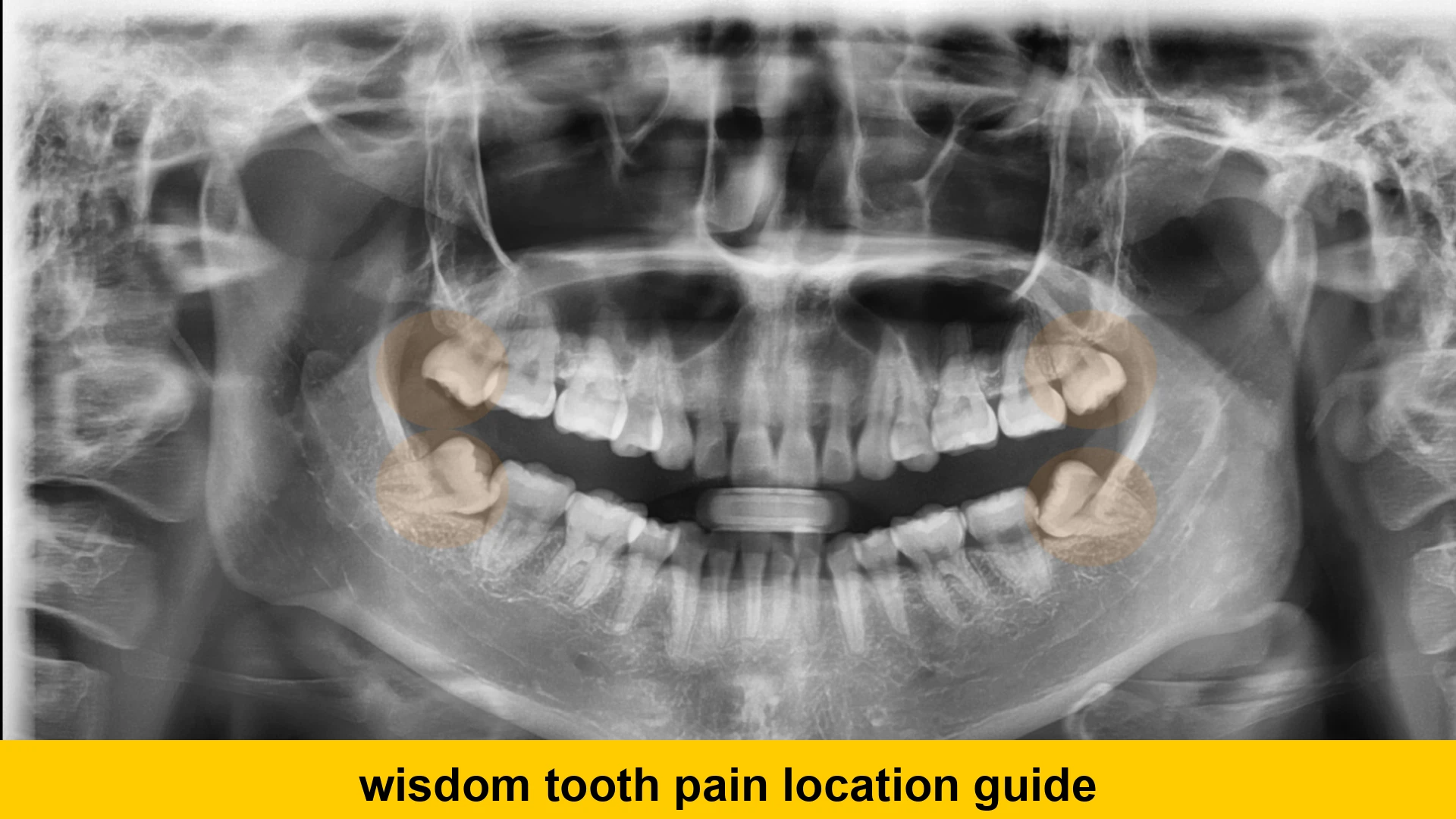
Many individuals experience their wisdom teeth erupting between the ages of 17 and 25. While some are lucky enough to have them emerge without any issues, for a significant portion of the population, these third molars can become a source of considerable discomfort. The pain can range from a dull ache to sharp, intense throbbing, and crucially, it often radiates beyond the immediate tooth site. Pinpointing the exact wisdom tooth pain area is the first step toward finding relief.
Understanding the Common Wisdom Tooth Pain Area: Beyond the Back of the Mouth
While the most obvious place for wisdom tooth pain is, understandably, at the very back of your jaw, near the angles where your upper and lower jaws meet, the reality is far more complex. The discomfort can spread, or ‘refer’, to other parts of your head and neck due to the intricate network of nerves. This makes identifying the true wisdom tooth pain location guide challenging for many.
One of the primary reasons pain might not be confined to a single spot is due to impaction. An impacted wisdom tooth is one that doesn’t have enough room to erupt properly and gets stuck partially or completely beneath the gum line or against another tooth. This pressure and potential for infection can lead to widespread discomfort. Let’s delve into the specific areas where you might feel wisdom tooth pain.
The Immediate Back of the Jaw: The Primary Wisdom Tooth Pain Area
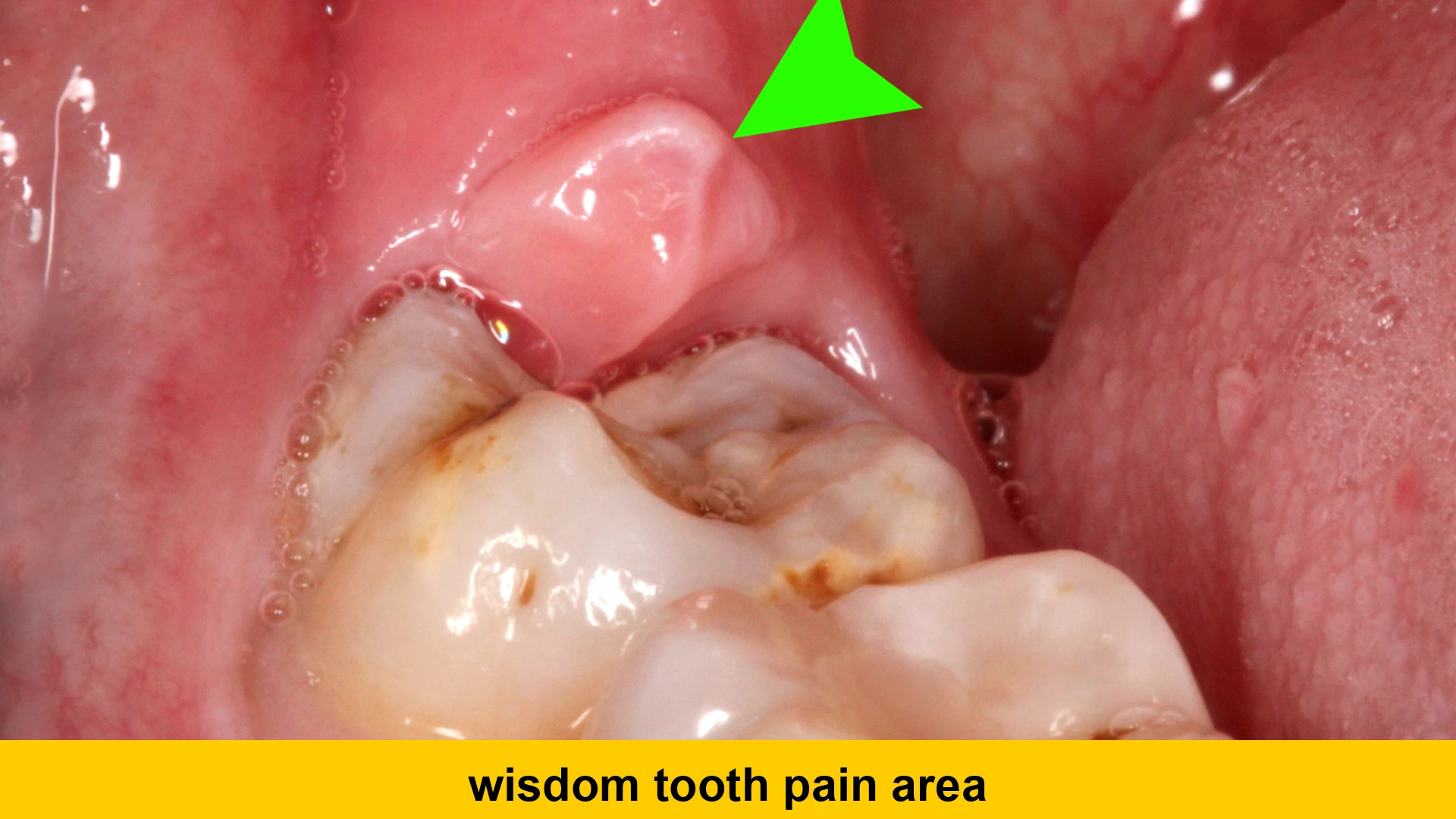
This is the classic and most direct wisdom tooth pain area. You’ll feel a localized ache or throbbing sensation right at the very back of your upper or lower dental arches. This pain often signifies the tooth attempting to push through the gum (erupting) or pressing against the adjacent second molar. It might be accompanied by swelling, redness, and tenderness of the gum tissue in that specific region.
When you open your mouth wide, you might even be able to visually inspect the swollen gum covering a partially emerged tooth. This immediate area is where most people correctly attribute their pain to a wisdom tooth. However, this is just the beginning of our comprehensive wisdom tooth pain location guide.
If the tooth is infected (a condition known as pericoronitis), the pain here can become intense and constant, often exacerbated by chewing or even just closing your mouth. Pus might be present, and you could experience a foul taste.
Jaw Pain and Stiffness: A Widespread Wisdom Tooth Pain Area
Beyond the immediate tooth site, one of the most common extended wisdom tooth pain areas is the jaw itself. This can manifest as a dull, persistent ache that spreads along your jawline, making it difficult or painful to open your mouth fully (a condition called trismus).
The muscles responsible for chewing, particularly the masseter and temporalis muscles, can become inflamed and tense due to the constant clenching or guarding against pain. This tension contributes significantly to the feeling of a sore or stiff jaw. You might notice difficulty in eating hard foods or even speaking comfortably.
The pressure from an impacted wisdom tooth can also directly irritate the nerves within the jawbone, leading to a deep, aching sensation that feels like it’s coming from the bone itself. This specific type of jaw pain can be particularly debilitating and is a strong indicator of a troublesome wisdom tooth needing attention.
Ear Pain: A Referred Wisdom Tooth Pain Location Guide Challenge
Surprisingly, many people report ear pain when suffering from wisdom tooth issues. This is a classic example of ‘referred pain,’ where the brain interprets pain from one area as originating from another. The nerve supply to the wisdom teeth, particularly the mandibular (lower) wisdom teeth, shares pathways with nerves that supply the ear. Therefore, an irritation or infection in the wisdom tooth region can easily be perceived as pain in or around the ear.
This ear pain is typically described as a dull ache, sometimes sharp, and usually on the same side as the affected wisdom tooth. It’s important to note that this ear pain is generally not accompanied by other ear infection symptoms like discharge or hearing loss, which helps differentiate it. If you have ear pain without other ear-specific symptoms, it’s worth considering a dental origin, especially if you’re also experiencing general jaw discomfort. This aspect is a critical part of a comprehensive wisdom tooth pain location guide.
Headaches and Temple Pain: When the Wisdom Tooth Pain Area Spreads
Another common referred pain pattern from problematic wisdom teeth is headaches, particularly in the temple region. The temporalis muscle, which runs along the side of your head and jaw, can become strained and tense due to the stress and clenching associated with wisdom tooth pain. This muscle tension can then lead to tension headaches that might feel like they’re originating from your temples or even your forehead.
Furthermore, inflammation and irritation of the nerves in the jaw can also contribute to general head discomfort. If you’re experiencing headaches, especially on one side, and you’re aware of a wisdom tooth issue, it’s highly probable that the two are connected. Your dentist can help confirm if your wisdom tooth is the root cause of these mysterious headaches.
Throat Pain and Difficulty Swallowing: An Unexpected Wisdom Tooth Pain Area
In more severe cases, particularly with lower wisdom teeth that are impacted or infected, the inflammation can spread to the surrounding soft tissues, including the throat. This can lead to pain when swallowing (dysphagia) or a general sore throat sensation, often worse on the side of the problematic tooth.
The muscles and tissues at the back of the mouth and throat are in close proximity to the wisdom teeth. An abscess or severe infection can cause significant swelling that impinges on these structures, making even simple acts like swallowing uncomfortable. This is a less common but very real presentation of where does wisdom tooth pain occur, emphasizing the need for a thorough wisdom tooth pain location guide.
If you experience difficulty breathing or swallowing, accompanied by fever and swelling, this could indicate a more serious infection and requires immediate medical attention.
Why Does Pain Occur in These Areas? Delving Deeper into the Wisdom Tooth Pain Location Guide
Understanding the ‘why’ behind the pain is just as important as knowing the ‘where’. Several factors contribute to the varied experience of wisdom tooth pain area:
- Impaction: This is the most common culprit. When a wisdom tooth is unable to fully erupt due to lack of space, it can become trapped against bone, gum tissue, or an adjacent tooth. This constant pressure can cause pain locally and refer pain to other areas.
- Infection (Pericoronitis): Partially erupted wisdom teeth are notoriously difficult to clean. Food particles and bacteria can get trapped under the gum flap covering the tooth, leading to inflammation and infection. This infection, called pericoronitis, can cause severe localized pain, swelling, pus, and can spread to the jaw, throat, and even the lymph nodes in the neck.
- Damage to Adjacent Teeth: An impacted wisdom tooth pushing against the second molar can cause pressure, pain, and even lead to resorption or decay of the second molar. This damage contributes to the overall pain experience.
- Cysts or Tumors: Though less common, an impacted wisdom tooth can sometimes lead to the formation of a cyst (a fluid-filled sac) or, very rarely, a tumor around the crown of the tooth. These can expand, causing bone destruction and significant pain.
- Gum Inflammation: Even without deep impaction, the process of a wisdom tooth erupting can cause gum inflammation, soreness, and tenderness, contributing to the localized wisdom tooth pain area.
Identifying the Exact Wisdom Tooth Pain Location Guide: Self-Assessment Tips
While only a dentist can definitively diagnose the source of your pain, here are some steps you can take to help pinpoint the potential wisdom tooth pain area:
- Visual Inspection: Use a mirror and good lighting to look at the very back of your mouth. Do you see redness, swelling, or a partially emerged tooth? Is there a flap of gum tissue (operculum) covering part of the tooth?
- Gentle Palpation: Carefully and gently press on the gum tissue at the back of your jaw. Is one area significantly more tender than others?
- Note Radiating Pain: Pay attention to where the pain spreads. Does it go to your ear, temple, or jaw? Document these observations to share with your dentist. This is key for a precise wisdom tooth pain location guide.
- Check for Swelling: Feel the outside of your jaw. Is there any noticeable swelling or tenderness when you touch your cheek or jawline?
- Assess Jaw Movement: Try opening and closing your mouth. Do you feel stiffness or pain when moving your jaw? Does it click or pop?
Remember, these are self-assessment tips and do not replace professional dental examination.
Symptoms Beyond Pain: A Holistic Wisdom Tooth Pain Location Guide
Pain is often just one symptom of a problematic wisdom tooth. Other signs that can help you understand the severity and precise wisdom tooth pain area include:
- Swelling: Visible swelling of the gum around the tooth or even of the cheek/jaw on the affected side.
- Redness: Inflamed gum tissue appearing red or purplish.
- Bad Breath (Halitosis): Often a sign of infection, as bacteria and food debris accumulate.
- Foul Taste: A persistent unpleasant taste in your mouth, which can indicate pus or infection.
- Difficulty Opening Mouth: Known as trismus, a common symptom of jaw muscle inflammation or infection.
- Fever: A sign of a systemic infection, indicating that the problem is more serious.
- Swollen Lymph Nodes: Tender, swollen glands under your jaw or in your neck, another sign of infection spreading.
- Bleeding Gums: When brushing or flossing around the affected area.
These accompanying symptoms, especially fever or severe swelling, underscore the need for prompt dental intervention. Understanding where does wisdom tooth pain occur is enhanced by recognizing these additional indicators.
When to See a Dentist About Your Wisdom Tooth Pain Area
If you’re experiencing any persistent discomfort, swelling, or other symptoms related to your wisdom teeth, it’s crucial to see a dentist. Don’t wait for the pain to become unbearable. Early intervention can prevent more serious complications. You need a professional wisdom tooth pain location guide, and your dentist is the best person for that.
Seek immediate dental attention if you experience:
- Severe, excruciating pain.
- Rapidly spreading swelling to your face or neck.
- Difficulty swallowing or breathing.
- High fever.
- Pus or a foul discharge from the gum.
- Inability to open your mouth fully.
These could be signs of a serious infection that requires urgent medical treatment.
Temporary Relief for Wisdom Tooth Pain: While You Wait for Professional Help
While waiting for your dental appointment, some temporary measures can help manage the pain in the affected wisdom tooth pain area:
- Over-the-Counter Pain Relievers: Ibuprofen (Advil, Motrin) or Acetaminophen (Tylenol) can help reduce pain and inflammation. Always follow dosage instructions.
- Saltwater Rinse: A warm saltwater rinse (1/2 teaspoon of salt in 8 ounces of warm water) can help reduce inflammation and kill bacteria, particularly useful if you have pericoronitis. Swish gently for 30 seconds several times a day.
- Cold Compress: Applying an ice pack to the outside of your cheek on the affected side for 15-20 minutes at a time can help reduce swelling and numb the pain.
- Oral Anesthetic Gels: Gels containing benzocaine (e.g., Orajel) can provide temporary topical numbness to the gum area, offering short-lived relief from pain in the specific wisdom tooth pain area.
- Good Oral Hygiene: Despite the pain, try to keep the area as clean as possible to prevent further infection. Gently brush and floss around the wisdom tooth, if possible.
These are palliative measures only and do not address the underlying cause of the pain. They are meant to provide temporary comfort until you can receive professional dental care. Understanding the wisdom tooth pain location guide helps in targeting these temporary remedies more effectively.
Professional Treatment Options: Addressing the Wisdom Tooth Pain Area Permanently
Once your dentist has thoroughly examined your mouth, often including X-rays to assess the position and condition of your wisdom teeth, they will recommend the most appropriate course of action. This could include:
- Antibiotics: If an infection (pericoronitis) is present, antibiotics may be prescribed to clear it up before any procedure.
- Wisdom Tooth Extraction: This is the most common and definitive solution for problematic wisdom teeth. Extraction prevents future pain, infection, and damage to adjacent teeth. The complexity of the extraction depends on the degree of impaction.
- Minor Operculectomy: In some cases of pericoronitis, if the tooth is otherwise well-positioned, a minor surgical procedure to remove the overlying gum flap (operculum) might be performed to improve cleaning access and prevent recurrent infection. However, this is less common than full extraction for impacted teeth.
- Observation: If a wisdom tooth is not causing any symptoms, is fully erupted, and can be cleaned effectively, your dentist may recommend simply observing it with regular check-ups.
Your dentist will discuss the risks and benefits of each option, helping you make an informed decision based on your specific situation and the precise wisdom tooth pain location guide. You can learn more about general dental health by visiting resources like the American Dental Association.
Preventative Measures and Long-Term Oral Health
While you can’t prevent your wisdom teeth from trying to erupt, you can take steps to minimize the chances of complications and address issues early. Regular dental check-ups, even if you’re not experiencing immediate pain, are crucial. Your dentist can monitor the development of your wisdom teeth through X-rays and advise you on potential issues before they become painful problems.
Maintaining excellent oral hygiene, especially at the back of your mouth, is vital. Use a soft-bristled toothbrush and floss regularly. For partially erupted wisdom teeth, special attention is needed to clean under any gum flaps to prevent food and bacteria accumulation. A detailed wisdom tooth pain location guide also includes advice on keeping these areas clean.
Even if you haven’t experienced significant discomfort yet, understanding the potential challenges associated with these late-arriving molars is a proactive step. Early identification and management of potential problems can save you from severe pain and complex procedures down the line. If you’re unsure about the status of your wisdom teeth, schedule a consultation with your dentist to get a professional assessment and develop a personalized plan. For further reading on dental care and common issues, you might find information on general dental care tips helpful.
Understanding the intricacies of where does wisdom tooth pain occur allows you to be more informed about your oral health. While some people may only experience minor discomfort, others face significant pain and complications. This comprehensive wisdom tooth pain location guide is designed to empower you with the knowledge to recognize the signs and seek timely professional help.
Decoding Upper vs. Lower Wisdom Tooth Pain Referral Patterns
The precise wisdom tooth pain area can also differ slightly depending on whether the upper (maxillary) or lower (mandibular) wisdom teeth are causing the problem. This distinction is an important nuance in our wisdom tooth pain location guide.
Lower Wisdom Tooth Pain Area (Mandibular)
Lower wisdom teeth are more frequently impacted and tend to cause more pronounced symptoms. The pain from a lower wisdom tooth often refers to:
- The entire lower jaw: A dull ache spreading along the jawline, sometimes feeling like it’s coming from the chin or even the opposite side.
- The ear: As discussed, this is a very common referral pattern due to shared nerve pathways.
- The throat and neck: Especially with significant infection, swelling can impact swallowing and cause pain in the throat or swollen lymph nodes in the neck.
- Temple and side of the head: Due to muscle tension and nerve irritation.
- Limited mouth opening (trismus): This is a very common issue with lower wisdom teeth, making it hard to eat or speak.
The lower jaw has denser bone and often less available space for eruption, leading to more complex impactions and therefore, more widespread and intense pain. The proximity to major nerves and blood vessels also contributes to the severity of the referred pain.
Upper Wisdom Tooth Pain Area (Maxillary)
Upper wisdom teeth, while still capable of causing significant pain, often present with slightly different referral patterns:
- The cheek and upper jaw: Pain tends to be felt more acutely in the cheekbone area, extending towards the front of the upper jaw.
- Sinus pressure: Because the roots of the upper wisdom teeth are sometimes very close to the maxillary sinuses, impaction or infection can lead to a feeling of pressure, congestion, or even pain mimicking a sinus infection.
- Temple and side of the head: Similar to lower wisdom teeth, muscle tension can cause referred pain to the temples.
- Eye pain: Less common, but sometimes pain can be felt around the eye on the affected side.
Upper wisdom teeth are generally easier to extract when they cause problems, but their proximity to the sinuses means that infections can sometimes spread to that area. Understanding these distinct patterns helps refine our wisdom tooth pain location guide and assists your dentist in diagnosis.
Long-Term Implications of Ignoring Wisdom Tooth Pain Area
Ignoring the pain in your wisdom tooth pain area is never a good idea. While temporary home remedies might offer brief relief, they don’t resolve the underlying issue. Prolonged issues with wisdom teeth can lead to a cascade of more serious and painful problems:
- Persistent Infection: Chronic pericoronitis can lead to recurrent episodes of pain, swelling, and fever, impacting your quality of life.
- Damage to Adjacent Teeth: An impacted wisdom tooth can exert pressure on the second molar, leading to cavities, root resorption, or gum disease around that tooth, potentially requiring extensive and costly dental work.
- Cyst and Tumor Formation: As mentioned, untreated impacted wisdom teeth can develop cysts, which can grow and destroy bone, displacing other teeth. In rare cases, benign tumors can also form.
- Crowding and Malocclusion: Although controversial, some studies suggest that wisdom teeth can contribute to crowding of the front teeth, undoing previous orthodontic work.
- Increased Complexity of Extraction: The longer a problematic wisdom tooth remains, especially if it’s impacted, the more complex its eventual extraction might become. Roots can become more developed, bone density increases, and the risk of complications during surgery might rise.
- Systemic Health Issues: Untreated dental infections, including those originating from wisdom teeth, can sometimes spread to other parts of the body, potentially leading to more serious systemic health problems.
Therefore, understanding your wisdom tooth pain location guide and taking prompt action is not just about alleviating immediate discomfort, but about safeguarding your long-term oral and general health. For more insights into maintaining a healthy mouth, check out our article on essential healthy mouth habits.
Conclusion: Your Comprehensive Wisdom Tooth Pain Location Guide
The journey of dealing with wisdom tooth pain can be confusing, especially when the discomfort isn’t confined to a single, obvious spot. However, by understanding the common wisdom tooth pain area and its various referral patterns, you can better articulate your symptoms to a dental professional, leading to a quicker and more accurate diagnosis. From the immediate back of the jaw to the ears, temples, and even the throat, wisdom tooth pain can be a tricky adversary.
Remember, a detailed wisdom tooth pain location guide emphasizes the importance of paying attention to not just the pain itself, but also accompanying symptoms like swelling, stiffness, and difficulty eating. Self-assessment can offer initial clues, but it’s no substitute for a professional dental examination and X-rays. If you suspect your wisdom teeth are causing trouble, don’t delay seeking help. Early intervention is key to preventing more severe pain, infection, and potential long-term complications. Prioritize your oral health and consult with your dentist to get a clear diagnosis and the best course of treatment for your specific situation. They can provide the definitive wisdom tooth pain location guide for your unique case.