
Few experiences in life compare to the acute, throbbing agony of wisdom tooth pain, especially when it becomes truly unbearable. If you’re currently wrestling with this intense discomfort, you know it’s more than just a nuisance – it’s a debilitating condition that can disrupt your sleep, eating habits, and overall quality of life. The search for genuine and lasting unbearable wisdom tooth pain relief becomes an immediate and pressing priority.
This comprehensive guide is designed to shed light on why wisdom teeth can cause such severe pain, what symptoms to look out for, and most importantly, how to find effective relief. We’ll explore immediate at-home remedies, clarify when it’s crucial to seek professional help, and walk you through the various treatment options available to alleviate your suffering. Our goal is to empower you with the knowledge and actionable steps needed to manage, and ultimately overcome, this challenging experience.
Understanding Wisdom Teeth: The Root of the Problem
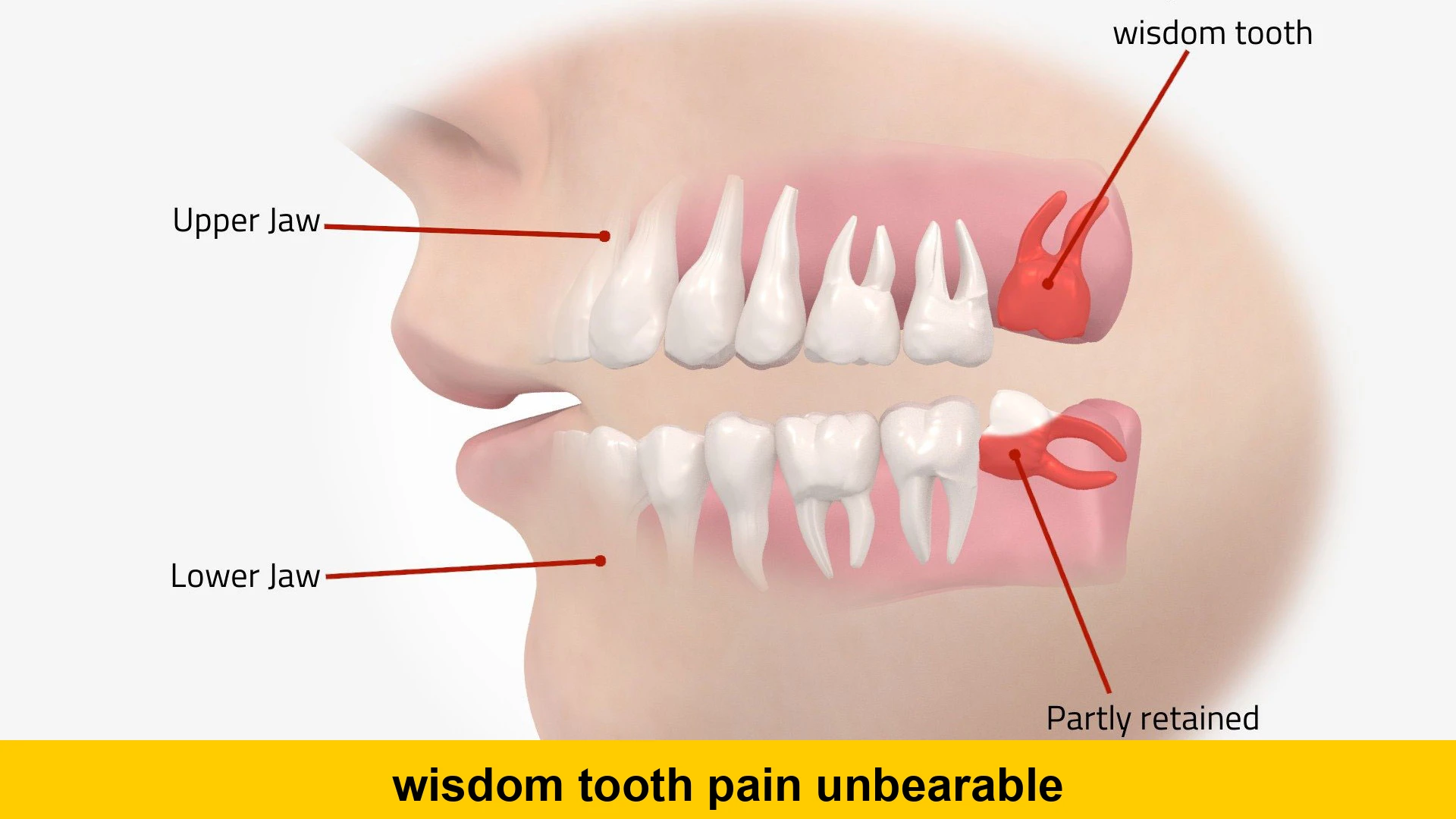
Wisdom teeth are the third and final set of molars to erupt, typically appearing between the ages of 17 and 25. While some individuals never develop them, and others have them emerge without issue, they often become a source of significant dental distress.
The main problem arises because, for many people, there simply isn’t enough room in the jaw for these latecomers to grow properly. This lack of space can lead to a variety of complications, which manifest as the dreaded unbearable wisdom tooth pain.
These complications can range from impaction – where the tooth gets trapped beneath the gum line or against another tooth – to erupting at an awkward angle, or only partially emerging. Each scenario presents its own set of challenges, all potentially contributing to severe discomfort.
Why Does Wisdom Tooth Pain Become Unbearable?
Several factors can cause wisdom tooth pain to escalate to an unbearable level. Understanding these underlying causes is the first step towards finding appropriate unbearable wisdom tooth pain relief.
- Impaction: This is the most common culprit. An impacted wisdom tooth can push against neighboring teeth, leading to pressure, pain, and even damage to the adjacent molar. It can also cause deep-seated jaw pain that radiates throughout the face.
- Pericoronitis: When a wisdom tooth partially erupts, a flap of gum tissue can form over it, creating a perfect breeding ground for bacteria. Food particles and plaque get trapped underneath, leading to inflammation and infection of the surrounding gum. This condition, known as pericoronitis, can be incredibly painful, causing swelling, redness, and pus discharge.
- Crowding and Misalignment: Even if a wisdom tooth fully erupts, it might push other teeth out of alignment, causing general jaw pain and discomfort. This can also make proper cleaning difficult, increasing the risk of cavities in adjacent teeth.
- Cysts or Tumors: In rare cases, an impacted wisdom tooth can lead to the formation of a cyst or tumor within the jawbone. These growths can cause significant pain, damage surrounding bone and teeth, and require more complex treatment.
- Tooth Decay and Gum Disease: Due to their location at the back of the mouth, wisdom teeth are often difficult to clean effectively. This makes them highly susceptible to cavities and gum disease, which can both cause intense pain, especially if the decay reaches the tooth’s nerve.
Any of these issues can quickly turn a mild ache into severe wisdom tooth discomfort that demands immediate attention. When the pain crosses the threshold into ‘unbearable,’ it’s your body’s clear signal that something is seriously wrong.
Recognizing the Symptoms of Unbearable Wisdom Tooth Pain
While the sensation of pain itself is usually a clear indicator, unbearable wisdom tooth pain often comes with a host of other debilitating symptoms. Recognizing these signs can help you determine the severity of the issue and guide your decision on when to seek professional help.
Common wisdom tooth pain symptoms include:
- Intense, throbbing pain: This is the hallmark symptom, often originating from the back of the jaw and sometimes radiating towards the ear, temple, or neck. It can be constant or come in waves, often worsening at night.
- Swelling and tenderness: You might notice visible swelling in your jaw, cheek, or around the affected gum area. The area may feel tender to the touch.
- Difficulty opening your mouth (Trismus): The inflammation and infection can affect the muscles used for chewing, making it painful or difficult to fully open your mouth.
- Bad breath or unpleasant taste: An infection (pericoronitis) often produces pus, which can lead to a foul taste in your mouth and persistent bad breath.
- Headaches: The pressure and inflammation from an impacted wisdom tooth can cause tension headaches, sometimes mimicking migraines.
- Earache: Pain can often refer from the jaw to the ear, making it feel like an ear infection when the problem is actually dental.
- Jaw stiffness or soreness: The muscles surrounding the jaw can become stiff and sore due to continuous clenching or inflammation.
- Swollen, red, or bleeding gums: Especially around the erupting or impacted tooth.
Sometimes, people experience unbearable wisdom tooth pain but no visible swelling. This doesn’t mean the problem isn’t serious. The pain could be originating from deep within the jawbone or nerve irritation, which might not present with external swelling initially. Always consider pain level as the primary indicator.
When Unbearable Wisdom Tooth Pain Becomes a Dental Emergency
While discomfort from wisdom teeth is common, there are specific situations where the pain and associated symptoms indicate a dental emergency. Knowing when to see a dentist for wisdom tooth pain, or even when to head to the emergency room, is critical for your health and for effective unbearable wisdom tooth pain relief.
You should seek immediate professional dental care if you experience any of the following:
- Severe swelling that spreads to your face or neck: This could indicate a rapidly spreading infection (cellulitis) that requires urgent antibiotic treatment.
- Difficulty swallowing or breathing: If swelling in your mouth or throat makes it hard to swallow or breathe, this is a life-threatening emergency. You might need to go to the ER immediately.
- Fever and chills: These are signs of a systemic infection, meaning the infection has spread beyond the localized area.
- Pus discharge: Visible pus from the gum indicates a serious infection that needs drainage and antibiotics.
- Intense, unmanageable pain: If over-the-counter pain relievers aren’t touching the pain, and it’s preventing you from eating, sleeping, or functioning, it’s time for an emergency dental visit.
Many patients wonder, “should I go to ER for unbearable wisdom tooth pain?” Generally, a dentist or oral surgeon is better equipped to handle dental emergencies. However, if symptoms like severe difficulty breathing, swallowing, or extensive facial swelling are present, go to the nearest emergency room. They can stabilize you and then refer you to a dental professional. For severe pain without these life-threatening symptoms, an urgent appointment with your dentist is the correct first step.
Delaying treatment for an emergency wisdom tooth extraction can lead to more serious complications, including widespread infections that can affect other parts of your body. Never underestimate the severity of these symptoms when seeking unbearable wisdom tooth pain relief.
Immediate Steps for Unbearable Wisdom Tooth Pain Relief at Home
While professional dental care is ultimately necessary for lasting relief, there are several home remedies for wisdom tooth pain that can offer temporary comfort while you wait for your appointment. These methods can help manage the immediate relief for unbearable wisdom tooth pain at night or during the day.
It’s important to remember that these are stop-gap measures and not substitutes for professional medical advice or treatment.
Over-the-Counter Pain Relievers
The best painkiller for unbearable wisdom toothache initially might be a combination of over-the-counter medications:
- NSAIDs (Non-Steroidal Anti-Inflammatory Drugs): Ibuprofen (Advil, Motrin) and naproxen (Aleve) are excellent choices as they reduce both pain and inflammation. Follow dosage instructions carefully.
- Acetaminophen (Tylenol): Can be taken alongside NSAIDs for enhanced pain relief, but do not exceed recommended daily dosages for either medication.
Always check for contraindications and consult a pharmacist or doctor if you have underlying health conditions or are taking other medications.
Cold Compress
Applying a cold compress to the outside of your cheek can help numb the area and reduce swelling. Hold an ice pack (wrapped in a cloth) against your jaw for 15-20 minutes, then remove it for 15-20 minutes. Repeat as needed throughout the day.
This method is particularly effective for soothing localized inflammation and can provide some much-needed unbearable wisdom tooth pain relief.
Saltwater Rinse
A warm saltwater rinse is one of the most effective and oldest home remedies for oral pain. It can kill bacteria, reduce inflammation, and clean the area around the tooth.
Mix half a teaspoon of salt in a glass of warm water. Swish the solution gently in your mouth for 30-60 seconds, paying attention to the affected area, then spit it out. Repeat several times a day, especially after meals and before bed. This can be crucial for alleviating pain caused by infection around a partially erupted tooth.
Clove Oil
Clove oil is a natural analgesic and antiseptic. It contains eugenol, which has pain-relieving and anti-inflammatory properties.
Dab a small amount of clove oil onto a cotton ball and apply it directly to the affected tooth and surrounding gum. Hold it in place for a few minutes. You can also dilute a few drops in a small amount of olive oil if the full strength is too intense. Be cautious not to swallow too much. This can offer temporary yet significant unbearable wisdom tooth pain relief.
Peppermint Tea Bags
Peppermint has mild anesthetic properties. Brew a cup of peppermint tea, let the tea bag cool down (you can even chill it in the freezer for a few minutes), and then place the cool, damp tea bag directly on the affected area for about 20 minutes.
This can help soothe inflamed gums and provide a numbing sensation.
Oral Anesthetic Gels
Over-the-counter oral anesthetic gels containing benzocaine (like Orajel) can provide temporary localized numbing. Apply a small amount directly to the painful area as directed on the packaging. This is a short-term solution for extreme wisdom tooth pain.
Elevate Your Head
If you’re experiencing immediate relief for unbearable wisdom tooth pain at night, try sleeping with your head elevated. This can reduce blood flow to the head and jaw area, which in turn can decrease swelling and throbbing pain.
Combining several of these home care strategies can offer a multi-pronged approach to symptom management until you can see a dentist. Remember, these are not cures, but tools to help you cope.
Seeking Professional Help: Your Path to Unbearable Wisdom Tooth Pain Relief
When home remedies are no longer sufficient, or when the pain is truly unbearable, professional dental intervention is the only way to achieve lasting unbearable wisdom tooth pain relief. A dentist or oral surgeon has the tools and expertise to properly diagnose the cause of your pain and recommend the most effective treatment.
The Dental Consultation and Diagnosis
Your first step will be a thorough examination. The dentist will:
- Visually inspect your mouth: Looking for signs of swelling, redness, infection, or tooth decay.
- Take X-rays: This is crucial. X-rays will reveal the position of your wisdom teeth, whether they are impacted, if they are pressing against other teeth, or if there are any cysts or bone damage. This imaging will definitively show what causes wisdom tooth pain to be unbearable.
- Discuss your symptoms: Gather information about the nature, duration, and severity of your pain, as well as any other symptoms you’re experiencing.
Based on this assessment, the dentist will formulate a treatment plan tailored to your specific situation. This plan could involve various strategies for how to stop unbearable wisdom tooth pain.
Treatment Options for Unbearable Wisdom Tooth Pain Relief
Depending on the diagnosis, treatment may include:
- Antibiotics: If an infection (like pericoronitis) is present, your dentist will likely prescribe antibiotics to clear it up before any surgical procedure. This is essential to prevent the infection from spreading.
- Professional Cleaning: Sometimes, intense pain is due to severe plaque buildup or gum inflammation that a deep cleaning can resolve, especially if the tooth is partially erupted and accessible.
- Pain Management Prescriptions: For severe cases, your dentist may prescribe stronger painkillers than those available over-the-counter to help you manage pain effectively until the root cause is addressed.
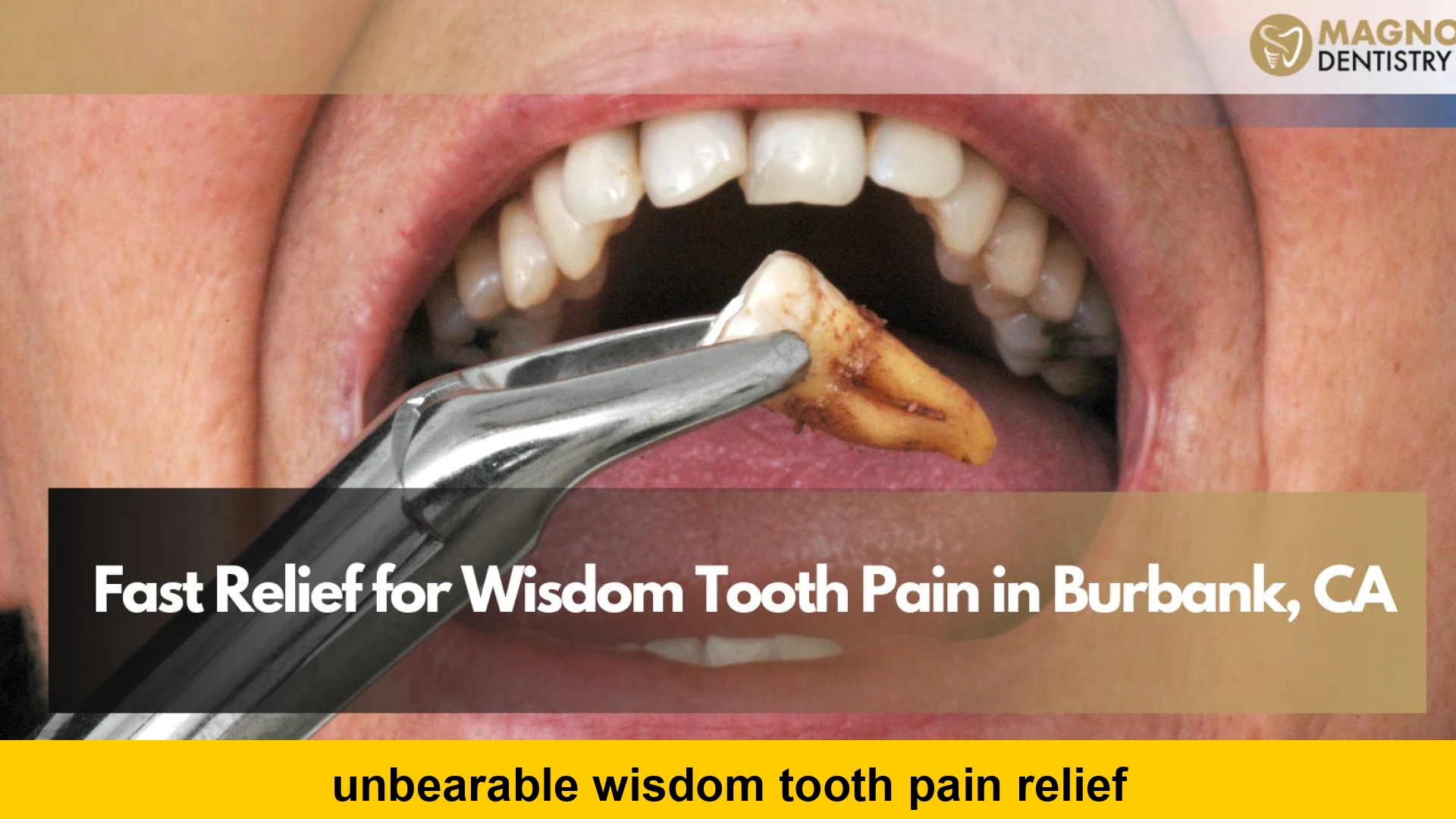
- Wisdom Tooth Extraction: This is the most common and often definitive solution for unbearable wisdom tooth pain, especially when impaction or recurrent infection is the problem.
Your dentist will discuss the pros and cons of extraction, potential risks, and what to expect during and after the procedure. They will also address concerns about pain management for wisdom tooth eruption unbearable symptoms you may be experiencing.
The Wisdom Tooth Extraction Process
If extraction is deemed necessary for your unbearable wisdom tooth pain relief, understanding the process can help alleviate anxiety. Wisdom tooth extraction is a routine procedure performed by general dentists or oral surgeons.
Preparation and Anesthesia
Before the extraction, your dentist or surgeon will review your medical history and discuss anesthesia options. These typically include:
- Local Anesthesia: Numbing the area around the tooth with injections while you remain awake.
- Sedation (Conscious Sedation): Oral medication, inhaled nitrous oxide (laughing gas), or IV sedation to help you relax and feel drowsy during the procedure, often causing you to have little memory of it.
- General Anesthesia: In more complex cases or for highly anxious patients, you might be put to sleep completely.
Your comfort is paramount, and the choice of anesthesia will be discussed to ensure your experience is as painless as possible.
The Procedure Itself
The type of extraction depends on whether the tooth is fully erupted, partially erupted, or impacted:
- Simple Extraction: For fully erupted teeth, the dentist will loosen the tooth with an instrument called an elevator and then remove it with forceps.
- Surgical Extraction: For impacted teeth (those trapped beneath the gum or bone), the oral surgeon will make an incision in the gum tissue to expose the tooth and, if necessary, remove some bone that’s covering it. The tooth may be divided into smaller pieces to facilitate removal. After the tooth is removed, the area is cleaned, and sutures are used to close the incision.
While the sounds and sensations might be unusual, you should not feel any sharp pain during the procedure due to the anesthesia. Many people opt for emergency wisdom tooth extraction when their pain becomes overwhelming, as it offers the most definitive solution.
Managing Pain and Recovery After Extraction
After a wisdom tooth extraction, some discomfort and swelling are normal, but effective strategies exist for managing the pain and ensuring a smooth recovery. This is a critical phase for maintaining the unbearable wisdom tooth pain relief you’ve worked to achieve.
Immediately After the Procedure
- Bite on Gauze: You’ll be asked to bite gently on gauze pads placed over the extraction site to help a blood clot form, which is essential for healing. Change them as directed.
- Pain Medication: Take prescribed pain medication or over-the-counter pain relievers as soon as you feel the local anesthetic wearing off. Don’t wait for the pain to become severe.
- Ice Pack: Continue to apply ice packs to your face externally, particularly for the first 24-48 hours, to minimize swelling and bruising.
At-Home Care for Optimal Recovery
To help manage unbearable wisdom tooth pain before extraction, you might have tried some home remedies. Post-extraction, strict adherence to aftercare instructions is vital:
- Rest: Plan to take it easy for a few days. Avoid strenuous activities that could dislodge the blood clot.
- Diet: Stick to soft foods for the first few days (e.g., yogurt, mashed potatoes, soup, smoothies). Avoid hot, spicy, crunchy, or chewy foods. Do not use straws, as the sucking action can dislodge the blood clot (dry socket).
- Oral Hygiene: Gently rinse your mouth with warm salt water starting 24 hours after surgery. Do not brush directly over the extraction site for the first few days. Continue to brush and floss your other teeth gently.
- Avoid Smoking and Alcohol: These can significantly impair healing and increase the risk of complications.
- Medications: Continue to take any prescribed antibiotics or pain relievers as directed.
It’s important to understand how to manage unbearable wisdom tooth pain before extraction, but it’s even more critical to follow post-operative instructions rigorously. Pain management for wisdom tooth eruption unbearable might have felt like a battle, but proper aftercare is how you win the war against discomfort.
If you experience excessive bleeding, severe pain that doesn’t respond to medication, fever, or pus, contact your oral surgeon immediately. These could be signs of a dry socket or infection, which require further treatment. The American Dental Association on Wisdom Teeth provides additional information on recovery and potential complications.
Preventing Future Unbearable Wisdom Tooth Discomfort
While you can’t always prevent wisdom teeth from causing issues, proactive dental care can significantly reduce the likelihood of experiencing severe discomfort in the future. Prevention is always better than finding unbearable wisdom tooth pain relief after the fact.
Regular Dental Check-ups
Consistent visits to your dentist for routine check-ups and cleanings are paramount. Your dentist can monitor the development and position of your wisdom teeth through regular X-rays, often identifying potential problems long before they cause pain. Early detection allows for planned intervention rather than emergency care.
Early Assessment and Intervention
If your dentist identifies that your wisdom teeth are likely to become impacted or cause other problems, they might recommend proactive extraction before symptoms even begin. This can save you from future severe wisdom tooth discomfort and a potentially more complicated extraction down the line.
Discussing these options with your dentist well in advance can help you avoid the agony of what to do for unbearable wisdom toothache.
Good Oral Hygiene Practices
Even if your wisdom teeth have erupted without issue, maintaining excellent oral hygiene is vital. Due to their location, wisdom teeth are often harder to clean, making them prone to cavities and gum disease. Brushing and flossing thoroughly, especially in the back of your mouth, can prevent these issues from contributing to pain.
While prevention isn’t always foolproof, these steps significantly improve your chances of avoiding the extreme wisdom tooth pain that many people experience.
For more detailed information on maintaining good oral health, you can visit our article on maintaining oral hygiene for healthy teeth.
Conclusion
Experiencing unbearable wisdom tooth pain is a distressing ordeal that no one should have to endure without proper care. From throbbing headaches to debilitating jaw stiffness, the symptoms can severely impact your daily life. While temporary home remedies like cold compresses, saltwater rinses, and over-the-counter pain relievers can offer some immediate respite, they are never a substitute for professional dental evaluation.
The journey to lasting unbearable wisdom tooth pain relief begins with understanding the root cause, recognizing severe symptoms that warrant emergency attention, and ultimately, seeking the expertise of a dentist or oral surgeon. Whether it’s through antibiotics, advanced pain management, or a necessary extraction, modern dentistry offers effective solutions to alleviate your suffering.
Don’t let extreme wisdom tooth pain dictate your well-being. Prioritize your dental health, schedule that appointment, and take the crucial steps towards a pain-free life. Your comfort and health are worth it. If you’re struggling with this issue, make an appointment to discuss emergency dental care options today.