
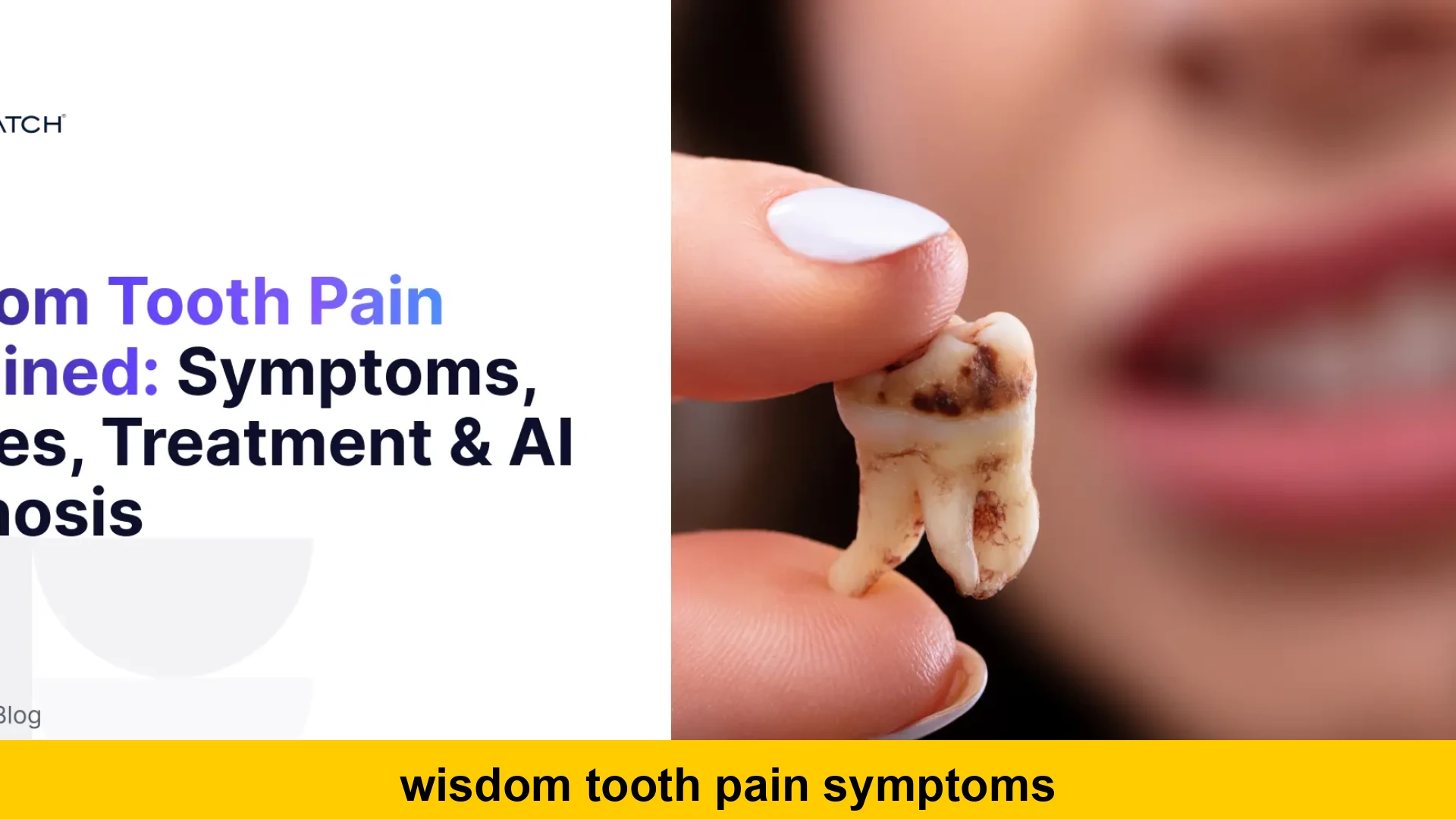
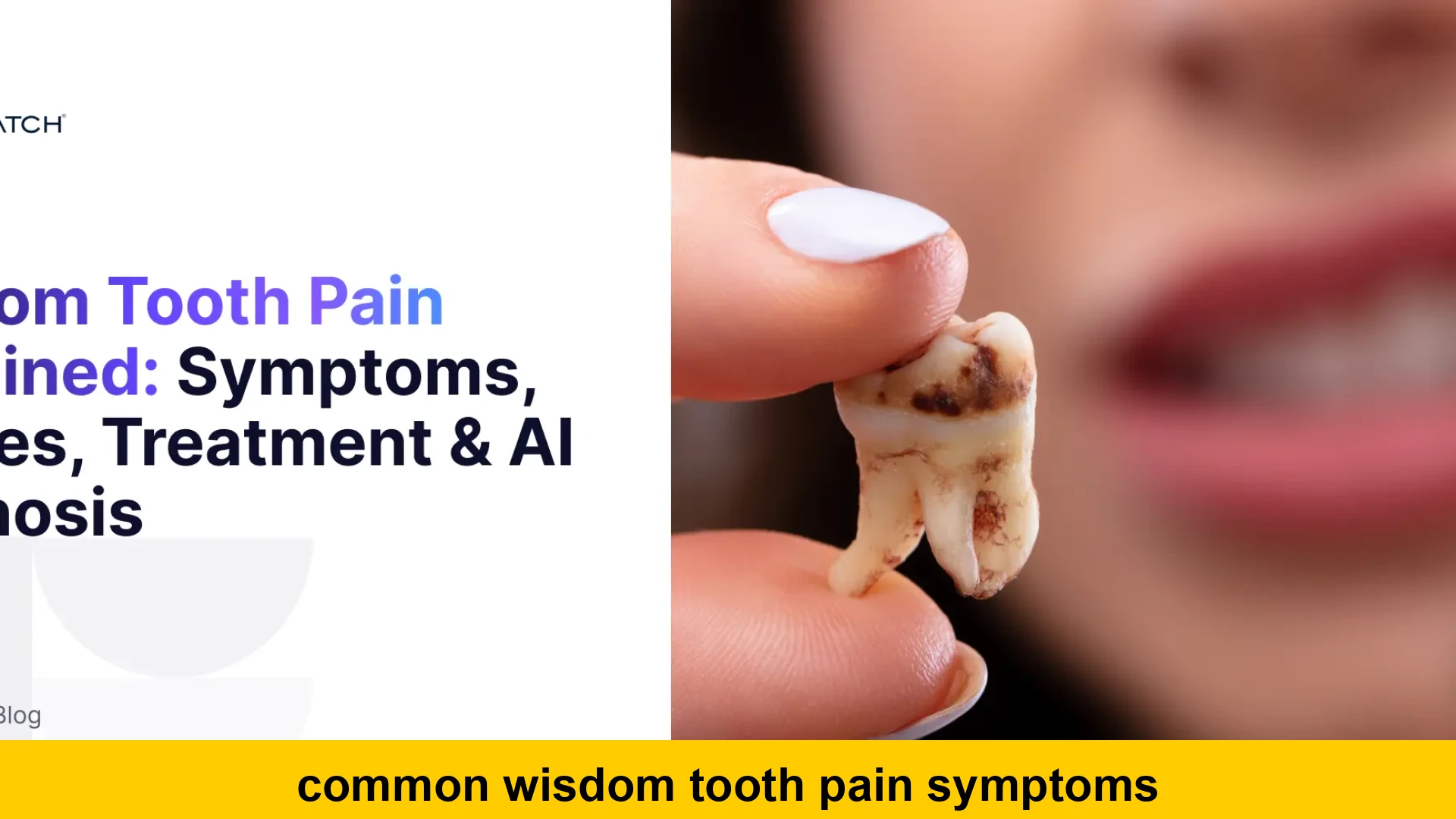
Emerging wisdom teeth can be a source of significant discomfort and concern for many adults. Nestled at the very back of your mouth, these third molars often struggle to find enough space to erupt properly, leading to a host of problems. Understanding the wisdom tooth pain symptoms is crucial for recognizing when you need to seek professional dental care. Ignoring these warning signs can lead to more severe complications, including infections, damage to adjacent teeth, and persistent pain.
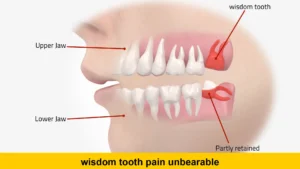
This comprehensive guide will walk you through the various signs of wisdom teeth pain, helping you identify what does wisdom tooth pain feel like and when it’s time to consult your dentist. We’ll explore everything from mild discomfort to severe indications of impaction or infection, providing you with the knowledge to make informed decisions about your oral health. Recognizing early signs of wisdom tooth issues can save you from prolonged suffering and complex treatments.
Understanding Wisdom Teeth and Why They Cause Pain
Wisdom teeth are the last set of molars to develop, typically making their appearance between the ages of 17 and 25. While some people never experience issues with their wisdom teeth, for many, their eruption can be problematic. The main reason for this is often a lack of space in the jaw. As human jaws have evolved, they’ve generally become smaller, leaving less room for these latecomers.
When there isn’t enough room, a wisdom tooth can become impacted. An impacted wisdom tooth means it’s unable to fully erupt through the gum line. It might grow in at an angle, push against neighboring teeth, or remain completely trapped beneath the gum and bone. Each of these scenarios can trigger distinct and often severe wisdom tooth pain symptoms.
The pressure from an emerging or impacted tooth can cause pain, but the problems don’t stop there. Partially erupted wisdom teeth create small openings in the gum tissue, making them difficult to clean. This can trap food particles and bacteria, leading to infections, gum disease, and tooth decay in the wisdom tooth itself or in the adjacent molars. These complications are often the direct cause of the more acute and persistent common wisdom tooth pain symptoms people experience.
Furthermore, the inflammation and infection can spread, affecting the jaw, ear, and even leading to systemic issues if left untreated. Therefore, identifying wisdom tooth discomfort early is key to managing the situation effectively and preventing further health problems.
The Most Common Wisdom Tooth Pain Symptoms
Let’s delve into the specific common wisdom tooth pain symptoms that you might encounter. It’s important to remember that these symptoms can vary in intensity and may come and go, but persistent or worsening pain always warrants a dental visit.
Persistent or Intermittent Pain in the Back of the Mouth
The hallmark symptom of wisdom teeth issues is pain. This pain can range from a dull, throbbing ache to sharp, intense bursts. It’s typically localized at the very back of your jaw, near where the wisdom teeth are attempting to erupt. You might feel this pain constantly, or it might appear intermittently, flaring up when you chew, talk, or when pressure is applied to the area. This is one of the clearest signs of wisdom teeth pain.
The type of pain can also indicate the nature of the problem. A constant, dull ache often suggests pressure from an emerging or impacted tooth, while sharp, shooting pain can point to nerve irritation or a more acute issue like an infection. Many people describe what does wisdom tooth pain feel like as a deep, radiating pain that can extend to the ear or temple.
Swelling of the Gums or Jaw
Another very common sign of wisdom teeth pain is swelling. The gum tissue surrounding the emerging or impacted wisdom tooth can become noticeably swollen and tender. This inflammation, known as pericoronitis, is particularly common with partially erupted wisdom teeth where bacteria can easily accumulate under the gum flap. Swelling isn’t limited to the gums; you might also notice swelling in your jaw, which can sometimes extend to your cheek or even your face.
This swollen gums wisdom tooth symptom can make it difficult to open your mouth fully, chew food, or even speak comfortably. The swelling is a direct response to irritation, inflammation, or infection, and it’s a clear indicator that something is amiss with your wisdom teeth. Identifying specific wisdom tooth pain symptoms like this early on can help prevent the infection from spreading.
Redness and Tenderness in the Affected Area
Alongside swelling, you’ll often observe redness in the gum tissue around the problematic wisdom tooth. This redness is a result of increased blood flow to the inflamed area. The gums will also feel tender to the touch, and even light pressure, such as from your tongue or toothbrush, can cause discomfort. This tenderness is a significant indicator of inflammation or infection, signaling early signs of wisdom tooth issues.
The combination of redness, swelling, and tenderness is a classic presentation of gum inflammation (gingivitis) or a more severe infection (pericoronitis) specifically related to the wisdom tooth. These symptoms highlight the body’s attempt to combat an irritant or infection, making it vital to seek professional advice.
Difficulty Opening Mouth (Trismus) or Chewing
When wisdom teeth cause significant inflammation or infection in the surrounding tissues, it can lead to trismus, or difficulty opening your mouth wide. The muscles and tissues around the jaw become stiff and painful, making it challenging to chew food, yawn, or even speak clearly. This jaw pain wisdom tooth symptom can be incredibly disruptive to daily life.
The inability to fully open your mouth can also make it harder to clean the area effectively, exacerbating the problem and potentially leading to further infection. If you experience persistent difficulty with jaw movement, it’s a strong indicator of an impacted wisdom tooth or a developing infection that requires immediate attention.
Bad Breath or an Unpleasant Taste in Your Mouth
One of the most telling wisdom tooth infection signs is the presence of persistent bad breath (halitosis) or an unpleasant, foul taste in your mouth that doesn’t go away after brushing or rinsing. This occurs when food particles, bacteria, and pus accumulate around a partially erupted or infected wisdom tooth. The decaying food and bacterial byproducts release foul-smelling gases, leading to the noticeable odor.
This symptom is often a strong indicator of pericoronitis, an infection of the gum tissue surrounding a wisdom tooth. If you notice a metallic, bitter, or generally unpleasant taste, especially concentrated at the back of your mouth, alongside other wisdom tooth pain symptoms, it’s highly likely you have an infection brewing. Understanding wisdom tooth pain and its signs includes being aware of these subtle yet significant indicators.
Headaches or Earaches Due to Referred Pain
The nerves in your jaw are closely connected to other areas of your head and face. As a result, pain originating from an impacted or infected wisdom tooth can sometimes be felt in seemingly unrelated areas, such as your head or ear. This phenomenon is known as referred pain. Many individuals report suffering from headaches, temple pain, or earaches when their wisdom teeth are causing problems.
Can wisdom tooth pain cause earache? Absolutely. The pressure and inflammation in the jaw can irritate nearby nerves, leading to discomfort that radiates to the ear. If you’re experiencing unexplained headaches or earaches, particularly in conjunction with any other common wisdom tooth pain symptoms, it’s worth considering your wisdom teeth as a potential cause. These are warning signs of wisdom tooth pain that are often overlooked.
Jaw Stiffness and Soreness
Beyond difficulty opening your mouth, an impacted or inflamed wisdom tooth can cause general stiffness and soreness throughout your jaw. You might feel a constant ache in your jaw muscles, especially after eating or waking up in the morning. This happens because the inflammation from the wisdom tooth can affect the surrounding muscles and joints (temporomandibular joints or TMJ).
The constant pressure and irritation can lead to muscle spasms and fatigue, resulting in a perpetually sore or stiff jaw. This jaw pain wisdom tooth symptom often comes hand-in-hand with swelling and tenderness, making everyday activities like talking and eating a chore. It’s a key part of identifying wisdom tooth discomfort that extends beyond just the tooth itself.
Bleeding Gums Around the Affected Tooth
If you notice your gums bleeding, especially when brushing or flossing, around the very back of your mouth, it could be a sign of inflammation or early gum disease related to your wisdom teeth. The gum flap covering a partially erupted tooth (an operculum) is particularly prone to trapping bacteria and food, leading to inflammation and bleeding.
While occasional bleeding can occur with vigorous brushing, persistent bleeding from this specific area, coupled with other symptoms, strongly suggests that the wisdom tooth is causing problems. This gum pain wisdom tooth symptom indicates that the gum tissue is irritated and compromised, making it susceptible to further infection.
Pus or Drainage Around the Tooth
The presence of pus is an unmistakable sign of a serious infection. If you notice a yellowish or whitish discharge around the wisdom tooth, or if you can express pus by gently pressing on the gum, you have an active infection that requires immediate dental attention. This is a critical wisdom tooth infection sign and a definitive answer to, ‘Is my wisdom tooth infected symptoms?’
Pus is a collection of dead white blood cells, bacteria, and tissue, indicating your body is actively fighting off an infection. Left untreated, this infection can spread, leading to a more severe abscess, cellulitis (a serious bacterial skin infection), or even systemic health issues. Never ignore the presence of pus.
Cysts or Tumors (Less Common, More Serious)
While less common, an impacted wisdom tooth can sometimes lead to the formation of cysts or, in very rare cases, benign tumors. These fluid-filled sacs or growths can develop around the crown of the impacted tooth within the jawbone. They are typically painless in their early stages but can cause significant damage to the jawbone, adjacent teeth, and nerves if they grow large.
Often, these are discovered incidentally during routine dental X-rays. While you might not feel these directly as a pain symptom initially, they represent a serious complication of untreated impacted wisdom teeth. This underscores the importance of regular dental check-ups and prompt evaluation of any persistent common wisdom tooth pain symptoms.
When Do Wisdom Tooth Pain Symptoms Appear?
The timing of when wisdom tooth symptoms appear can vary significantly from person to person. Generally, most people begin to notice issues between the ages of 17 and 25, which is the typical window for wisdom teeth eruption. However, problems can arise earlier or much later in life.
Some individuals experience symptoms intermittently over several years as the tooth slowly tries to emerge, while others might suddenly develop acute pain and infection. For many, the first signs of wisdom teeth pain might be subtle: a mild ache or tenderness in the back of the jaw. As the tooth attempts to push through or becomes impacted, these early signs of wisdom tooth issues can escalate.
It’s not uncommon for symptoms to flare up during periods of stress, illness, or hormonal changes, which can sometimes exacerbate inflammation. Understanding when do wisdom tooth symptoms appear can help you be prepared and vigilant about changes in your oral health.
Identifying Specific Wisdom Tooth Pain Symptoms vs. Other Dental Issues
It’s important to differentiate wisdom tooth pain from other common dental problems. While some symptoms, like jaw pain or gum swelling, can overlap with conditions like TMJ disorders, dental decay in other molars, or gum disease, there are usually specific indicators that point to wisdom teeth.
Pain specifically localized to the very back of the mouth, especially if it coincides with the age range of wisdom tooth eruption, is a strong clue. The feeling of pressure or a pushing sensation against adjacent teeth is also quite distinct. If you’re experiencing pain, swelling, or discomfort in this region, it’s vital to let your dentist know the exact location and nature of your symptoms.
Your dentist will be able to perform a thorough examination, including X-rays, to confirm if your wisdom teeth are indeed the source of your discomfort. They can also rule out other potential causes, ensuring you receive the correct diagnosis and treatment plan. This careful approach is key to how to recognize wisdom tooth pain accurately.
Actionable Steps When You Experience Wisdom Tooth Pain
If you’re experiencing wisdom tooth pain symptoms, it’s natural to want relief. While these steps are not a substitute for professional dental care, they can help manage discomfort until you can see a dentist.
At-Home Relief:
- Pain Relievers: Over-the-counter pain medications like ibuprofen (Advil, Motrin) or acetaminophen (Tylenol) can help reduce pain and inflammation.
- Saltwater Rinse: Rinsing your mouth with warm saltwater several times a day can help reduce inflammation and kill bacteria. Mix half a teaspoon of salt in a glass of warm water.
- Cold Compress: Applying a cold pack to the outside of your jaw can help reduce swelling and numb the pain.
- Oral Hygiene: Even if it’s painful, try to keep the area as clean as possible. Gently brush the area and use mouthwash to remove food particles and bacteria.
- Clove Oil: A small amount of clove oil applied to the affected gum can provide temporary pain relief due to its natural anesthetic properties. Be cautious not to swallow too much.
When to See a Dentist:
It’s crucial to seek dental attention promptly if you experience any of the following:
- Severe or worsening pain.
- Significant swelling in the gums, jaw, or face.
- Difficulty swallowing or breathing.
- Fever or chills (signs of a spreading infection).
- Pus or drainage from the gums.
- Persistent bad breath or foul taste.
- Inability to open your mouth wide.
Delaying treatment for severe wisdom tooth pain symptoms, especially those indicating infection, can lead to more serious health complications. Your dentist can accurately diagnose the problem and recommend the most appropriate course of action, which may include extraction.
Diagnosis and Treatment Options for Wisdom Tooth Pain
When you visit your dentist for wisdom tooth pain, the first step will be a thorough examination of your mouth, gums, and jaw. They will likely take X-rays, which are essential for visualizing the position of the wisdom teeth, their roots, and how they relate to surrounding structures like other teeth and nerves. These images are critical for identifying symptoms of an impacted wisdom tooth and planning treatment.
Diagnosis
Based on the examination and X-rays, your dentist will be able to determine if your wisdom teeth are causing the problem and whether they are impacted, partially erupted, or infected. They will assess the space available in your jaw, the angle of eruption, and any signs of decay or damage to adjacent teeth. This diagnostic process is key to understanding wisdom tooth pain and its signs.
Treatment Options
The treatment for wisdom tooth pain symptoms depends largely on the underlying cause:
-
Observation and Management: If the wisdom tooth is erupting normally with minor discomfort and no signs of infection or impaction, your dentist might recommend watchful waiting, good oral hygiene, and pain management with over-the-counter medications. Sometimes, the pain resolves as the tooth fully emerges.
-
Antibiotics: If there’s an infection (pericoronitis), your dentist will likely prescribe antibiotics to clear the infection before any further procedures are considered. They may also clean the area around the affected tooth. This is crucial for managing wisdom tooth infection signs.
-
Wisdom Tooth Extraction: This is the most common and definitive treatment for problematic wisdom teeth, especially those that are impacted, causing recurring infections, pain, or damaging adjacent teeth. Extraction can be a straightforward procedure for erupted teeth or a more complex surgical removal for deeply impacted teeth.
Your dentist may perform the extraction in-office, or refer you to an oral surgeon, particularly for complex cases or if you prefer sedation options. The decision for extraction is usually made when the benefits of removing the tooth outweigh the risks, effectively removing the source of the common wisdom tooth pain symptoms. For more information on recovery, you might find this article helpful: Wisdom Tooth Extraction Recovery Tips.
-
Minor Surgical Procedures: In some cases, if a gum flap is repeatedly getting infected over a partially erupted wisdom tooth, the flap itself might be surgically removed (operculum removal) to improve hygiene and prevent recurrence, without extracting the tooth itself. However, this is less common than full extraction.
Your dental professional will discuss all available options, including the benefits and risks of each, to help you make an informed decision. The goal is always to alleviate your symptoms, prevent future complications, and protect your overall oral health. Prompt attention to warning signs of wisdom tooth pain is essential.
Preventative Measures and Oral Hygiene to Minimize Wisdom Tooth Pain Symptoms
While you can’t always prevent wisdom teeth from causing issues, maintaining excellent oral hygiene can significantly reduce the risk of developing complications and experiencing severe common wisdom tooth pain symptoms. Good habits are especially critical around the time wisdom teeth are erupting.
-
Thorough Brushing: Pay extra attention to the very back of your mouth when brushing. Use a soft-bristled brush and angle it to reach behind your second molars, where wisdom teeth are located. Ensure you’re removing food particles and plaque from around the emerging tooth and its gum flap.
-
Daily Flossing: Flossing is crucial for removing plaque and food debris from between teeth and under the gum line, areas where your toothbrush might not reach. This is particularly important for partially erupted wisdom teeth that create pockets where bacteria can thrive.
-
Antiseptic Mouthwash: Using an antiseptic mouthwash can help reduce the bacterial load in your mouth, especially in hard-to-reach areas around wisdom teeth. This can help prevent infections like pericoronitis, which is a common source of wisdom tooth pain. Consider rinsing after meals.
-
Regular Dental Check-ups: Routine visits to your dentist, typically every six months, are paramount. Your dentist can monitor the development of your wisdom teeth through clinical examination and X-rays. This allows them to identify early signs of wisdom tooth issues, such as impaction or potential problems, before they escalate into painful symptoms. Early detection means timely intervention, often preventing severe discomfort.
-
Professional Cleanings: Dental hygienists can reach areas you might miss and remove stubborn plaque and tartar, further reducing the risk of inflammation and infection around your wisdom teeth. This is part of identifying wisdom tooth discomfort early and taking proactive steps.
-
Healthy Diet: A balanced diet low in sugar can contribute to overall oral health, making your teeth and gums more resilient to potential issues. While it won’t stop an impacted tooth, it can reduce the likelihood of decay and gum inflammation.
By diligently following these preventative measures, you can often minimize the severity and frequency of wisdom tooth pain symptoms, or even avoid them altogether. Remember, good oral hygiene is your first line of defense against many dental problems, including those related to wisdom teeth. For more on preventing infections, you can read our guide on Preventing Dental Infections.
Life After Wisdom Tooth Extraction: What to Expect
If your dentist determines that extraction is the best course of action for your wisdom tooth pain symptoms, it’s helpful to know what to expect during the recovery period. While individual experiences vary, a smooth recovery is achievable with proper post-operative care.
Immediately After the Procedure
You’ll likely experience some bleeding, swelling, and discomfort. Your dentist will place gauze pads over the extraction sites, which you’ll need to change periodically. Pain medication, often a combination of over-the-counter and prescription drugs, will be prescribed to manage pain. Icing the outside of your jaw in 20-minute intervals can significantly reduce swelling.
First 24-48 Hours
Swelling usually peaks around 24-48 hours after surgery. You should continue to ice the area. It’s crucial to avoid strenuous activity, spitting, or using straws, as these actions can dislodge the blood clot that forms in the socket, leading to a painful condition called “dry socket.” Stick to soft foods like yogurt, mashed potatoes, and soup. Gently rinse with warm salt water after 24 hours to keep the area clean.
First Week
Pain and swelling should gradually subside. You can slowly reintroduce more solid foods as you feel comfortable. Continue with gentle saltwater rinses and maintain good oral hygiene, carefully brushing around the surgical sites. Your dentist might provide specific instructions for brushing and flossing near the extraction area.
Beyond One Week
Most significant pain and swelling should be gone. The extraction sites will continue to heal and fill in with new tissue. It’s important to attend any follow-up appointments your dentist schedules to ensure proper healing and address any concerns. Full healing of the bone can take several months, but your daily activities will largely return to normal much sooner.
During this period, if you notice any unusual symptoms such as persistent severe pain, excessive bleeding, high fever, or pus, contact your dentist immediately. These could be signs of complications like infection or dry socket, which require prompt attention. Understanding these post-extraction expectations can help reduce anxiety and promote a faster, more comfortable recovery from the issues that caused your original wisdom tooth pain symptoms.
The Importance of Professional Dental Consultation
Experiencing wisdom tooth pain symptoms is a clear signal that something isn’t right and requires professional attention. Self-diagnosis and self-treatment, while tempting for temporary relief, can lead to serious complications if the underlying issue is an infection or impaction. Your dentist possesses the expertise, tools, and diagnostic capabilities, such as X-rays, to accurately determine the cause of your pain and recommend the most effective course of action.
Ignoring common wisdom tooth pain symptoms can lead to:
- Worsening Infections: What starts as localized pericoronitis can spread to other areas of the mouth, throat, or even cause systemic infections if left untreated.
- Damage to Adjacent Teeth: An impacted wisdom tooth can push against the second molar, leading to root resorption, decay, or structural damage that may require extensive dental work or even extraction of the healthy tooth.
- Cyst and Tumor Formation: While rare, persistent impaction can lead to the development of cysts or benign tumors, which can destroy bone and damage surrounding tissues.
- Chronic Pain and Discomfort: Unresolved issues can result in ongoing pain, jaw stiffness, and difficulty eating, significantly impacting your quality of life.
Early identification of what does wisdom tooth pain feel like and prompt consultation with a dentist not only alleviates your immediate suffering but also prevents these more severe and costly complications down the line. A dental professional can assess whether your signs of wisdom teeth pain warrant observation, antibiotics, or surgical removal. They can also educate you on preventative measures and proper oral hygiene to manage these challenging teeth.
Don’t hesitate to reach out to your dentist if you notice any persistent or concerning wisdom tooth pain symptoms. They are your best resource for maintaining optimal oral health and ensuring your comfort. For further authoritative information on wisdom teeth, consider consulting resources like the American Dental Association: American Dental Association on Wisdom Teeth.
Conclusion
The journey of wisdom teeth eruption can be fraught with challenges, and recognizing the wisdom tooth pain symptoms is your first line of defense against potential complications. From persistent aches and localized swelling to more severe signs like pus and difficulty opening your mouth, each symptom offers a clue about the health of your third molars. Understanding what does wisdom tooth pain feel like, and differentiating it from other dental issues, empowers you to take appropriate action.
Remember, while temporary home remedies can offer some relief, they are never a substitute for professional dental evaluation. Early identification of the common wisdom tooth pain symptoms and a timely visit to your dentist are crucial steps. A dental professional can accurately diagnose the problem, rule out other conditions, and provide an effective treatment plan, whether it involves managing an infection or carefully planned extraction.
Prioritizing your oral health by being vigilant about these symptoms and seeking expert advice will ensure you receive the care needed to alleviate discomfort, prevent further damage, and maintain a healthy, pain-free smile. Don’t let unresolved wisdom tooth issues impact your well-being – act promptly when you notice these important warning signs.