
how to relieve wisdom tooth pain
Wisdom tooth pain can be an incredibly uncomfortable and disruptive experience, often striking at the most inconvenient times. For many, the throbbing ache, swelling, and general discomfort associated with an erupting or impacted wisdom tooth can make eating, speaking, and even sleeping a challenge. If you’re currently grappling with this frustrating issue, you’re likely searching for effective strategies on how to relieve wisdom tooth pain at home while you await professional dental care.
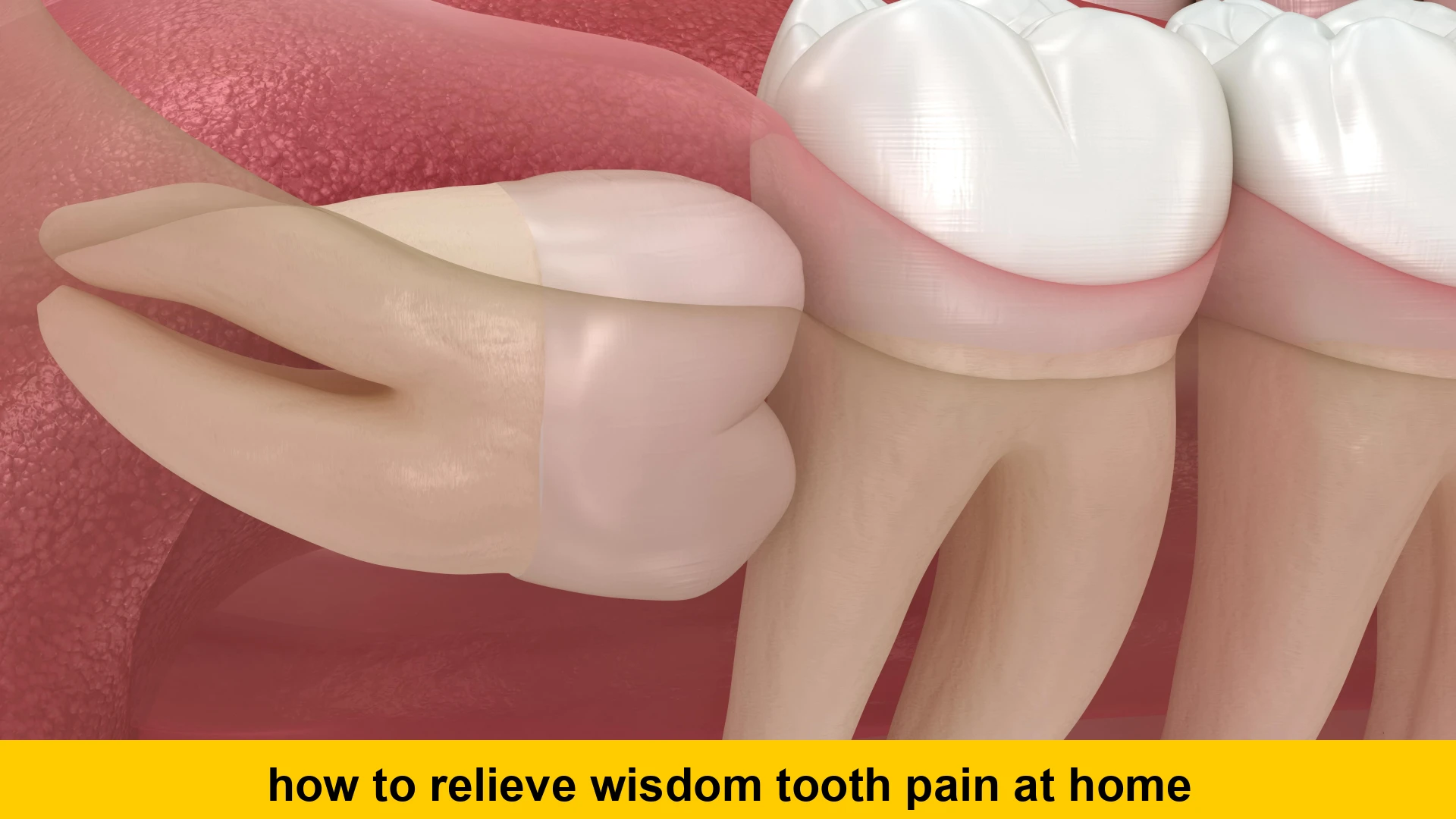
Understanding the root cause of your pain is the first step toward finding relief. Wisdom teeth, or third molars, are the last set of teeth to emerge, typically between the ages of 17 and 25. Often, there isn’t enough room in the jaw for them to erupt properly, leading to impaction, where they grow in at an awkward angle, or only partially emerge. This can cause a host of problems, including gum inflammation (pericoronitis), infection, damage to adjacent teeth, and significant pain. While home remedies can offer temporary respite, it’s crucial to remember that they are not a substitute for a dentist’s diagnosis and treatment. This comprehensive guide will walk you through various methods to ease wisdom tooth pain, offering practical, actionable steps you can take today.
Understanding Wisdom Tooth Pain: Causes and Symptoms
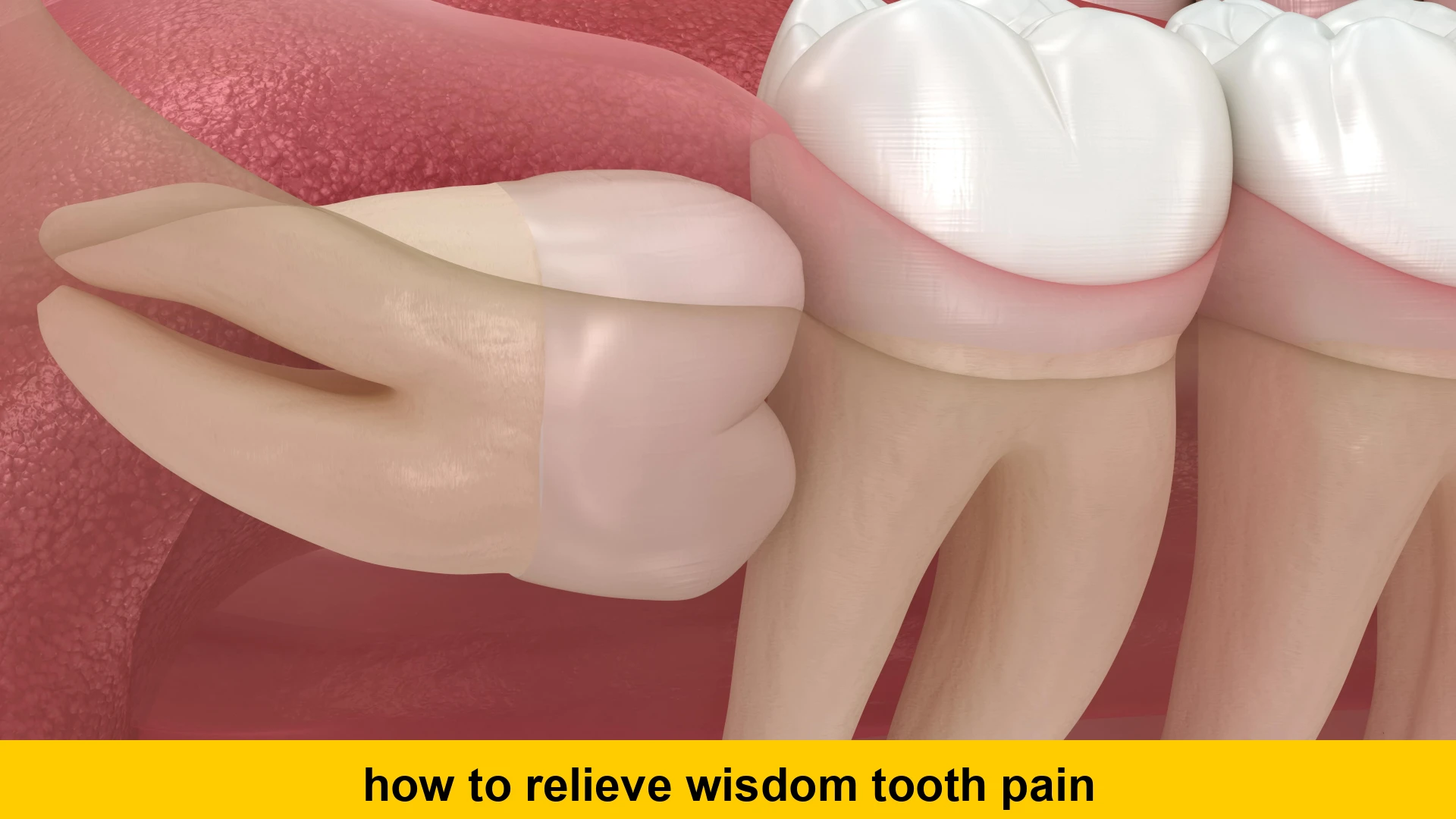
Before diving into remedies, let’s briefly understand what causes wisdom tooth pain and what symptoms to look out for. Pain often arises when the wisdom tooth is attempting to push through the gum line, or if it becomes impacted. An impacted tooth can press against other teeth, leading to pressure and discomfort. Furthermore, a partially erupted wisdom tooth creates a flap of gum tissue, known as an operculum, which can trap food particles and bacteria. This can lead to a localized infection called pericoronitis, characterized by inflammation, swelling, and severe pain.
Common symptoms associated with wisdom tooth pain include:
- A dull, constant ache or sharp, throbbing pain in the back of the jaw.
- Swelling and tenderness in the gums around the affected area.
- Difficulty opening your mouth wide or chewing.
- Bad breath or an unpleasant taste in your mouth, indicative of infection.
- Swollen lymph nodes under the jaw.
- Headaches or earaches.
- Fever in more severe cases of infection.
Recognizing these symptoms is important, as some may signal a more serious underlying issue that requires immediate professional attention. While you work on how to relieve wisdom tooth pain at home, keep a close eye on your symptoms.
Effective Home Remedies for Immediate Wisdom Tooth Pain Relief
When wisdom tooth pain strikes, quick relief is often the top priority. Fortunately, several home remedies can help alleviate discomfort and reduce inflammation while you wait for a dental appointment. These methods are generally safe and utilize ingredients you might already have around your house.
1. Saltwater Rinse: A Classic for Oral Discomfort
One of the oldest and most effective home remedies for oral pain is a simple saltwater rinse. Salt is a natural disinfectant and can help reduce inflammation, kill bacteria, and flush away food particles trapped around the wisdom tooth. This can be especially helpful if you’re experiencing swelling or an unpleasant taste due to an infection.
How to do it: Dissolve half a teaspoon of salt in a glass of warm water. Swish the solution around your mouth for about 30-60 seconds, paying extra attention to the affected area. Spit it out and repeat several times a day, especially after meals and before bed. This is a primary step to get relief from wisdom tooth pain.
The warmth of the water also offers a soothing sensation, which can be particularly comforting for a sore wisdom tooth.
2. Cold Compress or Ice Pack: Reducing Swelling and Numbness
Applying a cold compress can be incredibly effective in reducing swelling and numbing the pain associated with an aching wisdom tooth. The cold constricts blood vessels, which helps to minimize inflammation and can temporarily reduce nerve sensation, offering welcome relief.
How to do it: Wrap an ice pack or a bag of frozen vegetables in a clean cloth. Apply it to the outside of your cheek, over the area where you’re experiencing pain. Hold it in place for 15-20 minutes, then remove it for 15-20 minutes. Repeat this cycle several times throughout the day as needed. This is a proven method for how to ease wisdom tooth pain quickly.
Be careful not to apply ice directly to the skin, as this can cause frostbite. Always use a barrier like a cloth.
3. Clove Oil: Nature’s Anesthetic
Clove oil has been used for centuries as a natural remedy for toothaches due to its active ingredient, eugenol. Eugenol is a natural anesthetic and antiseptic, which can effectively numb the area and fight potential infections. It’s one of the most popular ways to stop wisdom tooth pain fast.
How to do it: Dilute a few drops of clove oil with a carrier oil like olive oil or coconut oil, or simply dab a tiny amount onto a clean cotton ball or swab. Apply the cotton ball directly to the sore wisdom tooth and surrounding gum tissue. Hold it in place for 5-10 minutes. You can repeat this every few hours as needed. Alternatively, you can chew on a whole clove in the painful area, but be careful not to swallow it.
While highly effective, clove oil can have a strong taste and may cause a mild burning sensation for some. Start with a small amount.
4. Peppermint Tea Bags: Soothing and Anti-Inflammatory
Peppermint has mild anesthetic and anti-inflammatory properties that can help soothe an aching wisdom tooth. The cool sensation can provide immediate relief, similar to a cold compress, while the compounds in peppermint work to reduce swelling.
How to do it: Brew a cup of peppermint tea and let the tea bag cool down significantly. You can even place the used tea bag in the refrigerator for a few minutes to make it extra cold. Once cooled, apply the tea bag directly to the affected gum area for about 20 minutes. The cool temperature and the natural compounds of peppermint will help numb the pain and reduce inflammation. This is an excellent natural remedy for wisdom tooth gum pain.
This method offers a gentle and refreshing way to find comfort, making it a favorite for many seeking to soothe an aching wisdom tooth at home.
5. Garlic: A Potent Natural Antibiotic
Garlic is well-known for its powerful antibacterial and anti-inflammatory properties, making it a useful natural remedy for fighting infection and reducing pain. Allicin, the active compound in garlic, helps combat bacteria that might be contributing to your wisdom tooth discomfort.
How to do it: Crush a clove of garlic and mix it with a pinch of salt to create a paste. Apply this paste directly to the painful tooth and gum area. Let it sit for a few minutes before rinsing your mouth with warm water. Alternatively, you can gently chew on a small piece of garlic in the affected area, allowing its juices to be released. Repeat this a few times a day for effective relief.
While garlic can be very potent, its strong taste and smell might be off-putting for some. Use with caution.
6. Turmeric Paste: Anti-Inflammatory Powerhouse
Turmeric is a potent anti-inflammatory and antiseptic herb that can be very beneficial in managing wisdom tooth pain and swelling. Its active compound, curcumin, is known for its pain-relieving properties.
How to do it: Mix a teaspoon of turmeric powder with a small amount of water or honey to form a thick paste. Apply this paste directly to the sore gum area around your wisdom tooth. Leave it on for about 15-20 minutes, then rinse your mouth thoroughly with warm water. You can repeat this twice or thrice a day. This is a great option for those seeking what helps relieve wisdom tooth pain naturally.
The anti-inflammatory effects of turmeric can significantly help in reducing the swelling and discomfort associated with irritated gums around an erupting wisdom tooth.
7. Over-the-Counter (OTC) Pain Relievers: Rapid Symptomatic Relief
For many, OTC pain medications are the first line of defense against wisdom tooth pain. Non-steroidal anti-inflammatory drugs (NSAIDs) like ibuprofen (Advil, Motrin) are particularly effective because they not only alleviate pain but also reduce inflammation. Acetaminophen (Tylenol) can also help manage pain, though it doesn’t have the same anti-inflammatory properties.
How to use: Always follow the dosage instructions on the package. These medications can provide quick and significant relief, making it easier to function until you can see a dentist. They are a reliable way to get relief from wisdom tooth pain when other remedies aren’t enough.
If your pain is severe, a combination of ibuprofen and acetaminophen can sometimes be more effective, but consult your pharmacist or dentist for advice on safe dosages and combinations.
8. Topical Anesthetic Gels: Numbing the Pain Directly
Over-the-counter topical anesthetic gels containing benzocaine (like Orajel or Anbesol) can provide temporary numbness to the affected area. This can be particularly useful for instant relief for throbbing wisdom tooth pain.
How to use: Apply a small amount of the gel directly to the painful gum tissue around your wisdom tooth with a clean finger or cotton swab. The numbing effect usually lasts for a short period, so you may need to reapply as directed on the product packaging. These gels are designed to provide temporary symptom relief.
Be sure to read the label carefully and avoid excessive use. These gels are a temporary fix and do not address the underlying problem.
9. Oral Hygiene: Preventing Further Irritation and Infection
Maintaining excellent oral hygiene is paramount, especially when you have an erupting or sore wisdom tooth. Food particles and bacteria can easily get trapped around a partially erupted tooth, leading to inflammation and infection, which exacerbates pain. This makes proper cleaning a key strategy for wisdom tooth pain relief without extraction.
How to do it: Gently brush the area around the wisdom tooth with a soft-bristled toothbrush. Use dental floss or an interdental brush to carefully clean between teeth, making sure not to irritate the inflamed gum further. Regular rinsing with an antiseptic mouthwash (like chlorhexidine if prescribed by a dentist, or a natural option like diluted tea tree oil mouthwash) can also help kill bacteria and reduce inflammation. For everyday use, warm saltwater rinses remain a cornerstone of good oral hygiene during this painful period.
Consistent cleaning helps to remove irritants and prevent the buildup of plaque, which can significantly reduce the risk of infection and further discomfort, showing you the best way to relieve wisdom tooth pain quickly.
10. Elevate Your Head While Sleeping: Reducing Pressure
The position you sleep in can sometimes impact the intensity of wisdom tooth pain, particularly if swelling is present. Lying flat can increase blood flow to the head and jaw area, potentially intensifying throbbing pain and swelling.
How to do it: Try to sleep with your head slightly elevated. You can achieve this by using an extra pillow or by propping your head up with several pillows. This helps to reduce blood pooling in the area and can minimize swelling, thereby decreasing pressure and discomfort. This simple adjustment can contribute to getting a better night’s sleep when dealing with emergency wisdom tooth pain relief at night.
Reducing the pressure in the area can provide a surprising amount of relief and allow you to rest more comfortably, which is vital for healing.
Long-Term Strategies & Prevention While Awaiting Dental Care
While the immediate goal is to ease wisdom tooth pain, it’s also important to adopt strategies that can prevent further irritation or worsening of the condition while you wait for a dental appointment. These proactive steps complement your immediate relief efforts.
Maintaining Diligent Oral Hygiene
As mentioned, impeccable oral hygiene is critical. A partially erupted wisdom tooth creates a vulnerable pocket where food particles and bacteria can easily accumulate, leading to infection and inflammation. This is often the primary source of severe wisdom tooth discomfort.
Continue with gentle but thorough brushing and flossing around the affected area. Consider investing in a water flosser, which can be less abrasive on sensitive gums while still effectively dislodging trapped food. Regular warm saltwater rinses are also invaluable for maintaining a clean oral environment and helping to reduce swelling from wisdom tooth pain.
Consistency is key here; even if it hurts, try to keep the area as clean as possible to prevent infection from taking hold or worsening.
Dietary Considerations: Avoiding Trigger Foods
What you eat can significantly impact your wisdom tooth pain. Certain foods can exacerbate discomfort by getting lodged in the sensitive area or by requiring excessive chewing, which puts pressure on the inflamed tooth and jaw.
What to avoid: Steer clear of hard, crunchy foods (like nuts, chips, hard candies), sticky foods (like caramel, taffy), and very hot or very cold beverages. These can irritate the already sensitive gum tissue and potentially dislodge any temporary relief you’ve found.
What to eat: Opt for soft, easy-to-chew foods such as soups, smoothies, yogurt, mashed potatoes, scrambled eggs, and soft-cooked vegetables. Keeping your diet gentle can prevent further irritation and allow the area to heal more quickly. This approach is fundamental to how to reduce swelling from wisdom tooth pain.
Stress Management: The Link Between Stress and Pain
Stress can manifest physically in many ways, and for some, it can exacerbate pain perception, including dental pain. Stress can also lead to teeth grinding (bruxism) or jaw clenching, putting additional pressure on an already sensitive wisdom tooth.
Engage in stress-reducing activities like meditation, deep breathing exercises, gentle yoga, or listening to calming music. Adequate sleep is also crucial for your body’s ability to cope with pain and heal. Addressing your stress levels can indirectly contribute to overall comfort and make it easier to manage the pain.
A calmer mind often leads to a less tense jaw, providing some relief from persistent discomfort.
When to Seek Professional Dental Help
While home remedies and pain relievers can provide temporary relief, it’s vital to understand that they do not resolve the underlying issue causing your wisdom tooth pain. An impacted wisdom tooth or a severe infection requires professional intervention. Knowing when to transition from self-care to calling your dentist is crucial.
You should contact your dentist immediately if you experience any of the following:
- Severe, persistent pain: If the pain is unbearable or doesn’t improve with home remedies and OTC medications.
- Worsening swelling: Swelling that spreads to your face, neck, or jaw.
- Difficulty swallowing or breathing: These can be signs of a serious infection that requires immediate medical attention.
- Fever and chills: Indicating a systemic infection.
- Pus or discharge: Any pus coming from the gum around the wisdom tooth is a clear sign of infection.
- Numbness: Persistent numbness in your tongue, lip, or chin.
Delaying dental care for a problematic wisdom tooth can lead to more serious complications, including extensive infection, damage to adjacent teeth, or cyst formation. Your dentist can accurately diagnose the problem and recommend the most appropriate course of action, which often includes wisdom tooth extraction.
What to Expect at the Dentist: Diagnosis and Treatment Options
When you visit your dentist for wisdom tooth pain, they will conduct a thorough examination to determine the cause and best course of treatment. This typically involves:
Comprehensive Oral Examination
Your dentist will visually inspect your mouth, focusing on the wisdom tooth area. They’ll look for signs of swelling, redness, infection, or impaction. They may gently probe the gums to assess the depth of any gum flaps or pockets where bacteria might accumulate.
X-rays
Dental X-rays, often including a panoramic X-ray, are essential. These images provide a clear view of your wisdom teeth, their position, whether they are impacted, and their relationship to surrounding teeth and nerves. X-rays help your dentist assess if there’s enough room for eruption or if extraction is necessary.
Based on the examination and X-ray findings, your dentist will discuss the recommended treatment plan with you. The primary options typically include:
1. Antibiotics for Infection
If there’s an active infection (pericoronitis), your dentist may prescribe antibiotics to clear it up before any further procedures. It’s crucial to complete the full course of antibiotics, even if your pain subsides, to ensure the infection is fully eradicated. This step is vital to how to relieve wisdom tooth pain when infection is present.
2. Wisdom Tooth Extraction
In most cases where wisdom teeth are causing recurrent pain, impaction, or damage to other teeth, extraction is the recommended solution. This can be a simple extraction if the tooth has fully erupted and is easily accessible, or a more complex surgical extraction if the tooth is impacted, still under the gum line, or entangled with bone. Your dentist will explain the procedure, potential risks, and what to expect during recovery.
It’s important to have an open discussion with your dentist about all your concerns and to follow their pre- and post-operative instructions diligently to ensure a smooth recovery and to prevent future wisdom tooth discomfort. More information on wisdom teeth issues can be found on authoritative sites like the American Dental Association.
Living Comfortably While Awaiting Your Appointment
Dealing with wisdom tooth pain can be debilitating, but managing the discomfort effectively until you see a dental professional is entirely possible. By combining immediate relief tactics with consistent oral hygiene and mindful dietary choices, you can significantly improve your quality of life during this challenging period. Remember that each individual’s experience with pain and response to remedies can vary, so it might take a bit of experimentation to find what works best for you. For instance, some people find extreme relief with clove oil, while others benefit more from a cold compress. Listening to your body and noting what provides the most soothing effect is key.
While temporary solutions are invaluable, it’s paramount to stress that these measures are stop-gap solutions. They effectively help to ease wisdom tooth pain and keep potential infections at bay, but they do not solve the underlying issue. The structural problem with an impacted or improperly erupting wisdom tooth will likely recur without professional intervention. Therefore, using these home remedies should always be done in conjunction with seeking prompt professional dental advice. Scheduling an appointment as soon as you experience persistent wisdom tooth discomfort is the most responsible and effective course of action for long-term health and comfort. You can learn more about general oral care and preventative measures at this related post on maintaining optimal oral health.
Conclusion: Prioritizing Your Oral Health
Experiencing wisdom tooth pain can be a distressing ordeal, but you don’t have to suffer in silence. This guide has provided you with a comprehensive array of strategies on how to relieve wisdom tooth pain at home, ranging from tried-and-true saltwater rinses and natural anesthetics like clove oil to the judicious use of over-the-counter pain relievers and careful dietary adjustments. Implementing these practical steps can offer significant comfort and help manage the immediate symptoms of a sore wisdom tooth, allowing you to function more comfortably.
However, it is crucial to reiterate that these home remedies for wisdom tooth pain are temporary measures designed to provide symptomatic relief. They are not a cure for the underlying dental issue. Whether your pain stems from an impacted tooth, an infection, or simple eruption pressure, a professional dental evaluation is indispensable. Your dentist can accurately diagnose the cause of your discomfort, discuss potential complications, and recommend the most appropriate long-term solution, which often involves wisdom tooth extraction. Timely intervention can prevent more severe problems down the line, safeguarding your overall oral health. For more insights on dealing with specific dental issues, check out our post on emergency dental care. Always prioritize professional dental advice when dealing with persistent or severe dental pain.