
Experiencing the sharp, throbbing, or persistent ache of wisdom tooth pain can be debilitating, turning simple acts like eating or speaking into an ordeal. If you’re currently grappling with this discomfort, you’re likely desperate to understand how to get rid of wisdom tooth pain effectively and find some much-needed relief. Wisdom teeth, or third molars, are the last set of teeth to erupt, typically between the ages of 17 and 25. While some people never experience issues, for many, their arrival can bring a host of problems, including impaction, infection, and severe pain. This comprehensive guide is designed to empower you with knowledge, offering practical advice, actionable steps, and a clear understanding of both immediate home remedies and when professional dental intervention is absolutely necessary. We’ll delve into various strategies, from simple at-home solutions to professional treatments, ensuring you have all the information you need to tackle your wisdom tooth discomfort head-on and reclaim your comfort.
Understanding Wisdom Tooth Pain: Why It Happens and How to Get Rid of It
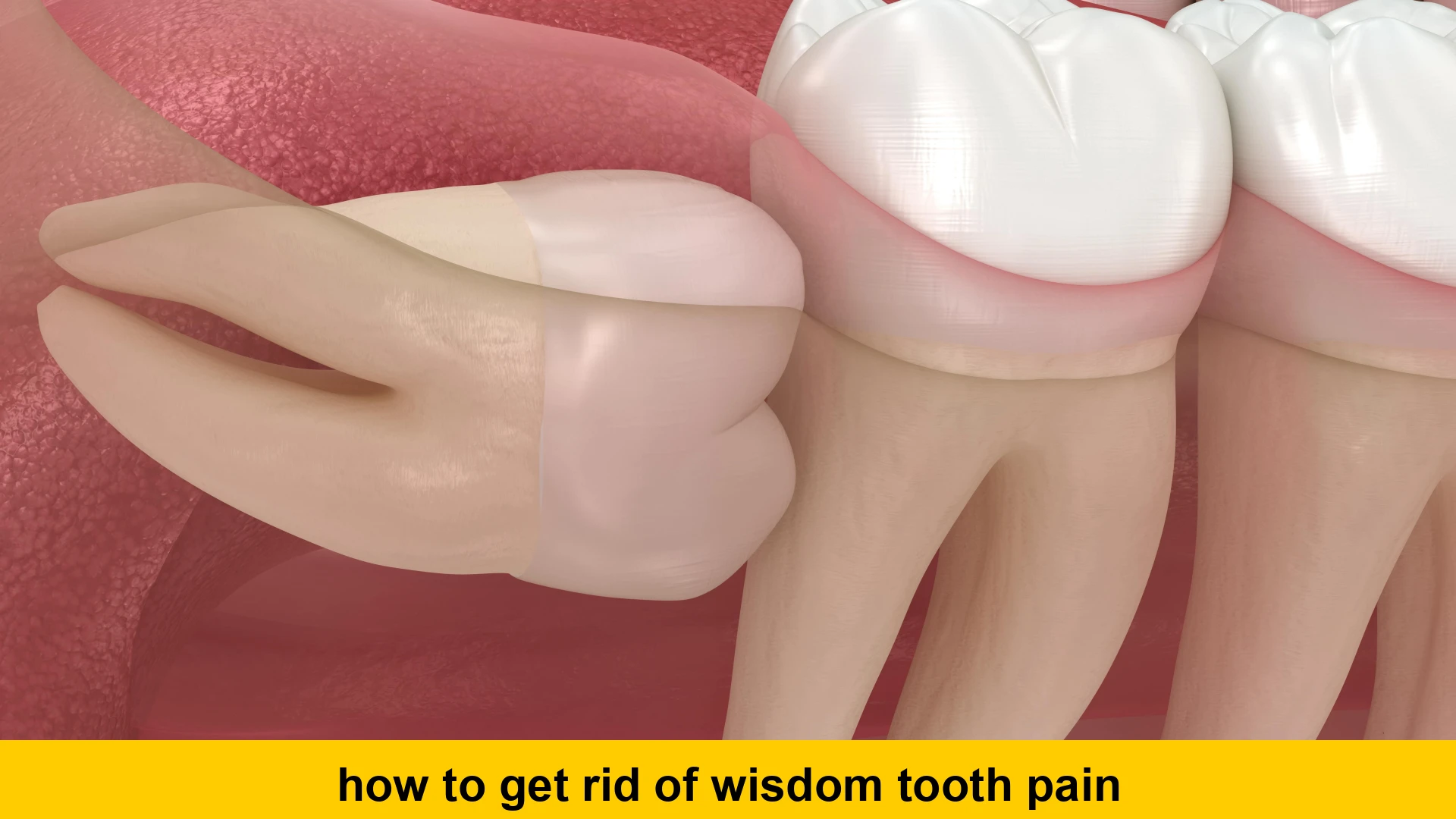
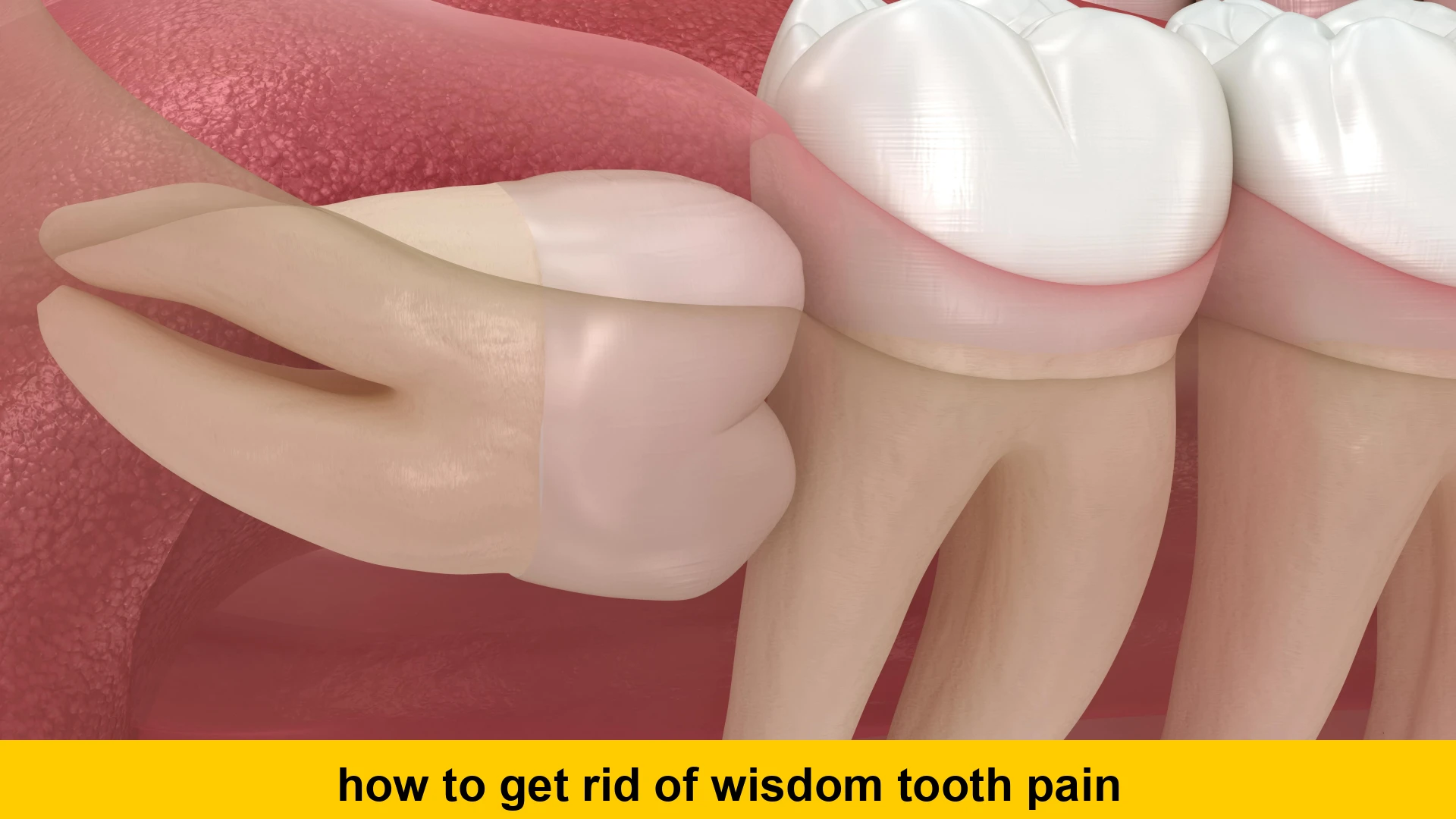
Before we dive into solutions, it’s crucial to understand why wisdom tooth pain occurs in the first place. This knowledge not only helps in finding the right remedies but also in preventing future flare-ups. Wisdom teeth are evolutionary remnants, and often, our modern jaws simply don’t have enough space to accommodate them properly. When a wisdom tooth tries to erupt in a jaw that’s too small, it can become impacted, meaning it gets stuck against another tooth or within the jawbone. This impaction can lead to a variety of painful issues.
One common cause of pain is pericoronitis, an inflammation of the gum tissue surrounding a partially erupted wisdom tooth. Food particles and bacteria can easily get trapped under this flap of gum, leading to infection, swelling, and intense pain. Another issue arises when an impacted wisdom tooth grows at an awkward angle, pushing against neighboring teeth. This pressure can cause significant discomfort and even damage to the adjacent molars, potentially leading to misalignment and further dental problems.
Cysts and tumors, though less common, can also form around an impacted wisdom tooth, slowly damaging the jawbone and surrounding structures. While these are usually painless initially, they can cause significant problems if left untreated. Understanding these underlying causes is the first step in formulating an effective strategy for how to get rid of wisdom tooth pain, whether it’s through temporary relief or permanent extraction.
Common Symptoms Associated with Wisdom Tooth Pain
Recognizing the symptoms is key to timely intervention. While pain is the most obvious sign, it often manifests in specific ways:
- Sharp, throbbing, or dull ache: The pain can vary in intensity and character.
- Swelling around the jaw: This is a clear indicator of inflammation or infection.
- Tenderness or bleeding gums: Especially around the back of the mouth.
- Difficulty opening your mouth: Known as trismus, this can indicate significant inflammation or infection.
- Bad breath or unpleasant taste in your mouth: Often a sign of infection due to trapped food and bacteria.
- Headache or earache: Referred pain from the affected wisdom tooth.
- Swollen lymph nodes in the neck: Another sign that your body is fighting an infection.
If you experience any of these symptoms, particularly in combination, it’s a strong signal that you need to address the problem. Ignoring these signs can lead to more serious complications, so knowing how to get rid of wisdom tooth pain safely is paramount.
Immediate Relief at Home: How to Get Rid of Wisdom Tooth Pain Fast
When wisdom tooth pain strikes, the immediate priority is finding relief. While these methods offer temporary comfort, they are not a substitute for professional dental care. Here are some actionable steps you can take at home to reduce discomfort:
Over-the-Counter (OTC) Pain Relievers
One of the quickest ways to stop wisdom tooth pain fast is by using common OTC pain medications. Non-steroidal anti-inflammatory drugs (NSAIDs) like ibuprofen (Advil, Motrin) or naproxen (Aleve) are particularly effective because they not only reduce pain but also target inflammation, which is often a major component of wisdom tooth discomfort. Acetaminophen (Tylenol) can also help manage pain, though it doesn’t have the same anti-inflammatory properties.
Actionable Step: Follow the dosage instructions on the package carefully. Do not exceed the recommended dose, even if the pain persists. If you have any underlying health conditions or are taking other medications, consult with your doctor or pharmacist before taking new pain relievers.
Cold Compress Application
Applying a cold compress to the outside of your cheek can significantly reduce swelling and numb the painful area. This is a simple, drug-free method for wisdom tooth pain relief at home.
Actionable Step: Wrap an ice pack or a bag of frozen vegetables in a clean cloth. Apply it to the affected side of your face for 15-20 minutes at a time, then remove for 20 minutes. Repeat this cycle several times a day. This helps to constrict blood vessels, reducing inflammation and numbing nerve endings.
Saltwater Rinses: A Classic Remedy for Sore Wisdom Tooth
A warm saltwater rinse is an age-old remedy that is highly effective for oral discomfort, especially when an infection is present or developing. Saltwater acts as a natural disinfectant, helping to reduce bacteria in your mouth and soothe inflamed gums. It can also help to flush out food particles trapped around the wisdom tooth.
Actionable Step: Mix half a teaspoon of salt into a glass of warm (not hot) water. Swish the solution around your mouth for about 30-60 seconds, paying particular attention to the affected area, then spit it out. Repeat this process 2-3 times a day, especially after meals. This simple step can make a noticeable difference in managing wisdom tooth discomfort.
Topical Numbing Gels
Topical numbing gels containing benzocaine (like Orajel) can provide temporary relief by numbing the gum tissue around the painful tooth. These are readily available at most pharmacies.
Actionable Step: Apply a small amount of the gel directly to the painful gum area with a clean finger or cotton swab. Follow the product instructions for frequency of application. Be cautious not to swallow too much of the gel, as it can numb your throat.
Natural Ways to Ease Wisdom Tooth Pain: Home Remedies
Beyond OTC medications, several natural home remedies for wisdom tooth pain can provide comfort and help manage symptoms. Many of these utilize ingredients with known anti-inflammatory or antiseptic properties. These natural ways to ease wisdom tooth pain are excellent for managing symptoms while you wait for a dental appointment.
Clove Oil: A Potent Natural Anesthetic
Clove oil has been used for centuries as a natural remedy for toothaches due to its active compound, eugenol, which is a powerful natural anesthetic and antiseptic. It can effectively numb the area and reduce bacterial growth.
Actionable Step: Dilute a few drops of pure clove oil with a carrier oil like olive oil or coconut oil (to prevent irritation) on a cotton ball. Gently apply the cotton ball directly to the painful tooth and surrounding gum tissue. Hold it in place for several minutes until you feel the numbing effect. You can also mix a drop or two into a small glass of warm water for a mouth rinse. Use sparingly, as too much can irritate the gums.
Peppermint Tea Bags: Soothing and Numbing
Peppermint has mild anesthetic and anti-inflammatory properties that can help to soothe sore gums. A cool peppermint tea bag can be particularly comforting.
Actionable Step: Brew a cup of peppermint tea and let the tea bag cool down, or even place it in the freezer for a few minutes to chill. Once cool, place the tea bag directly on the affected gum area for about 20 minutes. The cool temperature and the peppermint’s soothing properties can help to reduce pain and inflammation, providing temporary wisdom tooth pain relief at home.
Garlic: Nature’s Antibiotic
Garlic is well-known for its powerful antibacterial properties and can also act as a pain reliever. Allicin, the compound released when garlic is crushed, is responsible for many of its medicinal benefits.
Actionable Step: Crush a fresh garlic clove and mix it with a pinch of salt (the salt also helps with disinfection). Apply the paste directly to the affected wisdom tooth area. Hold it there for a few minutes before rinsing your mouth with warm water. This can help to kill bacteria and reduce inflammation, offering quick fixes for wisdom tooth pain without medicine.
Vanilla Extract: Alcohol-Based Numbing
Pure vanilla extract contains alcohol, which can act as a mild antiseptic and numbing agent. While not as potent as clove oil, it can still offer some relief.
Actionable Step: Soak a cotton ball or a clean cotton swab in pure vanilla extract. Apply it directly to the painful gum area. Hold it in place for a few minutes. Repeat as needed throughout the day. This can be a surprisingly effective temporary relief for wisdom tooth pain at night when other remedies aren’t readily available.
Oil Pulling with Coconut Oil
Oil pulling, an ancient Ayurvedic practice, involves swishing oil in your mouth to clean it and improve oral health. Coconut oil, in particular, has antimicrobial properties that can help reduce bacteria and inflammation.
Actionable Step: Swish one tablespoon of organic coconut oil in your mouth for 15-20 minutes, then spit it out into a trash can (not the sink, as it can clog pipes). Do not swallow the oil. This practice can help to draw out toxins and reduce the bacterial load in your mouth, which might contribute to pain reduction and healthier gums around your wisdom tooth.
For more natural remedies for various dental issues, you might find our guide on natural toothache remedies helpful.
When to See a Dentist: Crucial Steps for How to Get Rid of Wisdom Tooth Pain Permanently
While home remedies and OTC pain relievers can offer temporary relief, it’s vital to recognize when professional dental care is necessary. Ignoring persistent or severe wisdom tooth pain can lead to serious complications, including widespread infection, damage to adjacent teeth, and even cysts or tumors.
Signs That Warrant a Dental Visit
If you experience any of the following, it’s time to schedule an urgent appointment with your dentist:
- Severe, unbearable pain: Pain that doesn’t subside with home remedies or OTC medication.
- Significant swelling: Swelling that extends beyond the immediate tooth area, to your cheek, jaw, or even neck.
- Difficulty swallowing or breathing: These are serious signs of a spreading infection and require immediate medical attention.
- Fever and chills: Indicates a systemic infection.
- Pus discharge: A clear sign of an active infection.
- Persistent bad breath and taste: If it doesn’t improve with regular oral hygiene and rinses.
- Jaw stiffness or difficulty opening your mouth fully: Can be a sign of infection or severe inflammation.
These symptoms indicate a potential infection or a more complex issue that only a dentist can properly diagnose and treat. Waiting too long can complicate treatment and prolong your suffering, highlighting the importance of understanding how to get rid of wisdom tooth pain safely and effectively.
What to Expect at the Dentist
When you visit your dentist for wisdom tooth pain, they will conduct a thorough examination. This typically involves:
- Oral Examination: Your dentist will visually inspect your mouth, focusing on the wisdom tooth area, looking for signs of swelling, redness, and decay.
- X-rays: Dental X-rays (usually panoramic or periapical) are essential. They allow your dentist to see the position of your wisdom teeth, whether they are impacted, if there’s enough room for them, and if they are affecting neighboring teeth or nerves. X-rays can also reveal signs of infection, cysts, or bone damage.
- Discussion of Symptoms: Be prepared to describe your pain, how long you’ve had it, what makes it better or worse, and any other symptoms you’ve experienced.
Based on their findings, your dentist will recommend the most appropriate course of action. This could range from managing an infection with antibiotics to recommending extraction.
Dental Interventions: How to Get Rid of Wisdom Tooth Pain Through Professional Treatment
For many, particularly those with impacted wisdom teeth or recurring infections, extraction is the definitive solution for how to get rid of wisdom tooth pain permanently. Your dentist or oral surgeon will explain the procedure and what to expect.
Wisdom Tooth Extraction
Wisdom tooth extraction is a common oral surgery procedure. The complexity of the extraction depends on the position and impaction of the tooth. It can be a simple extraction if the tooth has fully erupted and is easily accessible, or a more complex surgical extraction if the tooth is impacted within the jawbone or at an awkward angle.
- Simple Extraction: The dentist will numb the area with a local anesthetic, use instruments to loosen the tooth, and then remove it.
- Surgical Extraction: For impacted teeth, the oral surgeon may need to make an incision in the gum tissue, and sometimes remove a small amount of bone covering the tooth. The tooth might be cut into smaller pieces to facilitate removal. After the tooth is removed, the incision is usually closed with stitches.
Anesthesia Options: During the procedure, various types of anesthesia can be used:
- Local Anesthesia: Numb the area around the tooth. You remain awake but feel no pain.
- Sedation Anesthesia: Administered intravenously, this reduces anxiety and awareness during the procedure. You might be awake but in a relaxed state.
- General Anesthesia: You will be completely unconscious during the procedure. This is typically used for more complex extractions or if you have extreme anxiety.
Your dental professional will discuss the best anesthesia option for your specific situation. This step is crucial for managing wisdom tooth discomfort during the procedure itself.
Post-Extraction Care: Ensuring a Smooth Recovery
After wisdom tooth extraction, proper post-operative care is essential for a smooth recovery and to prevent complications like dry socket or infection. Your dentist will provide detailed instructions, but here are some general guidelines:
- Manage Bleeding: Bite gently on a gauze pad placed over the extraction site. Change the gauze as directed, typically every 30-45 minutes until bleeding subsides.
- Control Swelling: Apply an ice pack to your cheek for the first 24-48 hours, 20 minutes on, 20 minutes off. This helps minimize swelling and bruising.
- Pain Management: Take prescribed pain medication or OTC pain relievers as directed by your dentist.
- Diet: Stick to soft foods for the first few days (e.g., yogurt, mashed potatoes, soup, smoothies). Avoid hot foods and drinks. Gradually reintroduce solid foods as comfort allows.
- Oral Hygiene: Do not rinse your mouth vigorously or spit for the first 24 hours. After that, gently rinse with warm salt water (half a teaspoon of salt in a glass of warm water) several times a day, especially after meals, to keep the area clean. Avoid brushing directly on the extraction site for a few days.
- Avoid Straws and Smoking: The sucking motion can dislodge the blood clot, leading to a painful condition called dry socket. Smoking also significantly increases the risk of dry socket and infection.
- Rest: Get plenty of rest and avoid strenuous activities for a few days to allow your body to heal.
- Follow-Up: Attend any follow-up appointments your dentist schedules to ensure proper healing.
Adhering to these post-operative instructions is crucial not only for proper healing but also for ensuring you truly get rid of wisdom teeth pain naturally and effectively in the long run.
Preventing Future Wisdom Tooth Issues
While you can’t always prevent wisdom teeth from causing problems, especially if they are genetically predisposed to impaction, there are steps you can take to maintain overall oral health and minimize potential issues:
Maintain Excellent Oral Hygiene
Good oral hygiene is your first line of defense against many dental problems, including those related to wisdom teeth. Even if your wisdom teeth are causing discomfort, keeping the area as clean as possible can prevent infection.
- Brush Regularly: Brush your teeth at least twice a day with fluoride toothpaste, paying extra attention to the very back of your mouth where wisdom teeth are located. Use a soft-bristled toothbrush and angle it to reach difficult spots.
- Floss Daily: Flossing helps remove food particles and plaque from between your teeth and along the gumline, areas where bacteria thrive. This is particularly important around partially erupted wisdom teeth where food can easily get trapped.
- Use Mouthwash: An antiseptic mouthwash can help reduce bacteria and inflammation, especially if you have pericoronitis.
Regular Dental Check-ups
Routine dental visits are crucial for monitoring the development of your wisdom teeth. Your dentist can track their eruption patterns, assess potential impaction, and recommend intervention before severe pain or complications arise. Early detection is key to preventing major issues and understanding when and how to get rid of wisdom tooth pain before it escalates.
Actionable Step: Schedule dental check-ups every six months. Your dentist will take X-rays periodically to monitor the growth and position of your wisdom teeth and advise you on the best course of action.
Consider Prophylactic Extraction
In some cases, dentists might recommend prophylactic (preventive) extraction of wisdom teeth, even if they aren’t currently causing pain. This is usually suggested when X-rays indicate that the teeth are likely to become impacted, lead to crowding, or cause damage to adjacent teeth in the future. Discuss this option with your dentist to understand if it’s right for you.
Debunking Common Myths About Wisdom Tooth Pain
There’s a lot of misinformation surrounding wisdom teeth and their pain. Let’s clear up some common myths:
- Myth: All wisdom teeth need to be removed. Fact: Not true. If wisdom teeth erupt fully, are properly aligned, and don’t cause any problems, they may not need to be extracted. However, this is less common.
- Myth: Wisdom tooth pain will go away on its own. Fact: While some mild discomfort might subside, persistent pain, swelling, or infection will not resolve without intervention. Ignoring it can lead to more serious health issues.
- Myth: You can just pull your wisdom tooth out at home. Fact: Absolutely not. Attempting to extract a tooth at home is extremely dangerous, can lead to severe infection, irreparable damage, and is not a solution for how to get rid of wisdom tooth pain safely.
- Myth: Wisdom teeth always cause crooked teeth. Fact: While impacted wisdom teeth can sometimes cause pressure that shifts other teeth, their role in general crowding is often overstated. Crowding can have other causes.
Understanding the facts helps in making informed decisions about your dental health and finding the most effective strategies for how to get rid of wisdom tooth pain. For further reliable information on wisdom teeth, consult the American Dental Association’s guidelines on wisdom teeth.
Conclusion: Navigating Your Path to Wisdom Tooth Pain Relief
Living with wisdom tooth pain can be incredibly challenging, impacting your ability to eat, sleep, and go about your daily life. However, by understanding the causes and knowing the various relief strategies available, you are well-equipped to tackle this discomfort. Whether you’re seeking immediate relief at home with simple remedies like saltwater rinses and cold compresses, or considering the definitive solution of extraction, remember that proactive care is key. Don’t hesitate to employ the practical examples and actionable steps discussed in this guide to alleviate your current discomfort.
Ultimately, while temporary measures can help manage the symptoms, professional dental advice is irreplaceable for an accurate diagnosis and a long-term solution. Schedule regular dental check-ups, maintain diligent oral hygiene, and consult your dentist at the first sign of persistent pain or discomfort. By doing so, you’ll not only learn how to get rid of wisdom tooth pain effectively but also ensure the ongoing health and well-being of your entire mouth. Your journey to a pain-free smile starts with informed choices and timely action.
For additional insights into managing pain and maintaining oral health, check out our post on the ultimate guide to oral hygiene.