
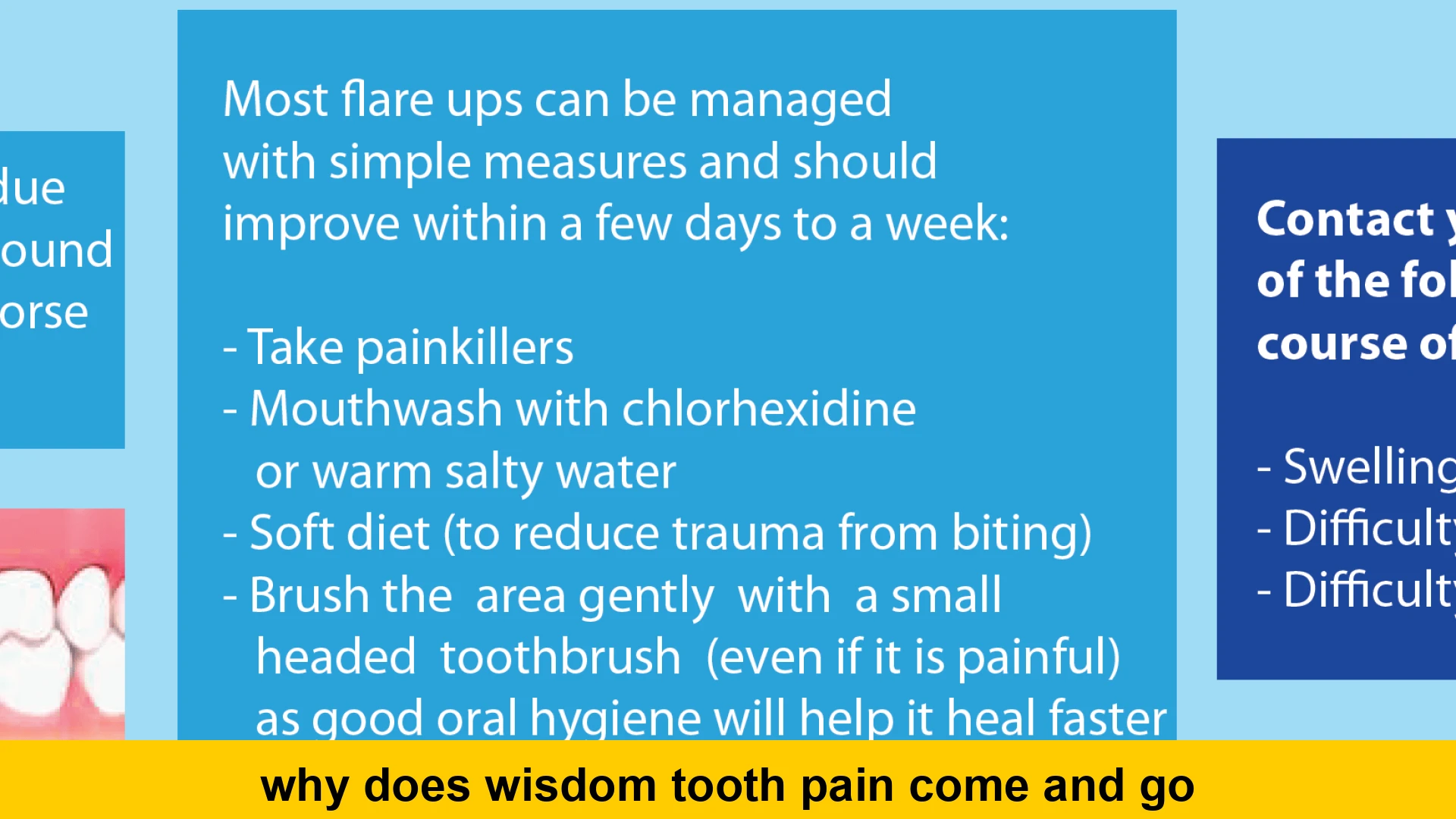
Understanding your body’s signals is crucial, especially when it comes to dental health. One common, yet often perplexing, experience many adults face is wisdom tooth pain that comes and goes. It’s not unusual for this discomfort to appear suddenly, linger for a few days, and then seemingly vanish, only to return unexpectedly weeks or months later. This intermittent nature can be incredibly frustrating and confusing, leaving many to wonder if it’s truly a problem or just a temporary annoyance.
Many assume that if the pain disappears, the problem has resolved itself. However, when wisdom tooth pain that comes and goes, it’s often a sign that there’s an underlying issue that needs attention. Ignoring these fluctuating symptoms can lead to more severe complications down the line. This comprehensive guide will explore the common reasons behind this on-again, off-again discomfort, help you understand what’s happening inside your mouth, and provide actionable advice on managing and ultimately resolving the issue.
We’ll delve into the various causes, from partial impaction to infection, explain why the pain might temporarily subside, and outline when it’s absolutely critical to seek professional dental advice. By the end of this article, you’ll have a clear understanding of your symptoms and the steps you need to take for lasting relief.
The Enigma of Intermittent Wisdom Tooth Pain
The third molars, commonly known as wisdom teeth, are the last teeth to erupt, typically appearing between the ages of 17 and 25. For many, their arrival is uneventful. For others, it can be a source of significant discomfort and a range of dental issues. The most bewildering aspect for many is the experience of wisdom tooth pain that comes and goes. This isn’t just a random occurrence; it’s usually a symptom of specific underlying problems.
Unlike a cavity that might cause constant pain once exposed, the pain associated with wisdom teeth can fluctuate due to dynamic processes occurring in your mouth. Understanding these processes is key to deciphering your symptoms and knowing when to act. Let’s explore the primary reasons why you might experience this frustrating cycle of discomfort and relief.
Why Does Wisdom Tooth Pain Come and Go? Understanding the Causes
Several factors contribute to intermittent wisdom tooth pain. These causes often involve a combination of the tooth’s position, the surrounding tissues, and your oral hygiene habits. Each reason provides insight into why the discomfort might ebb and flow.
1. Partial Impaction and Pericoronitis
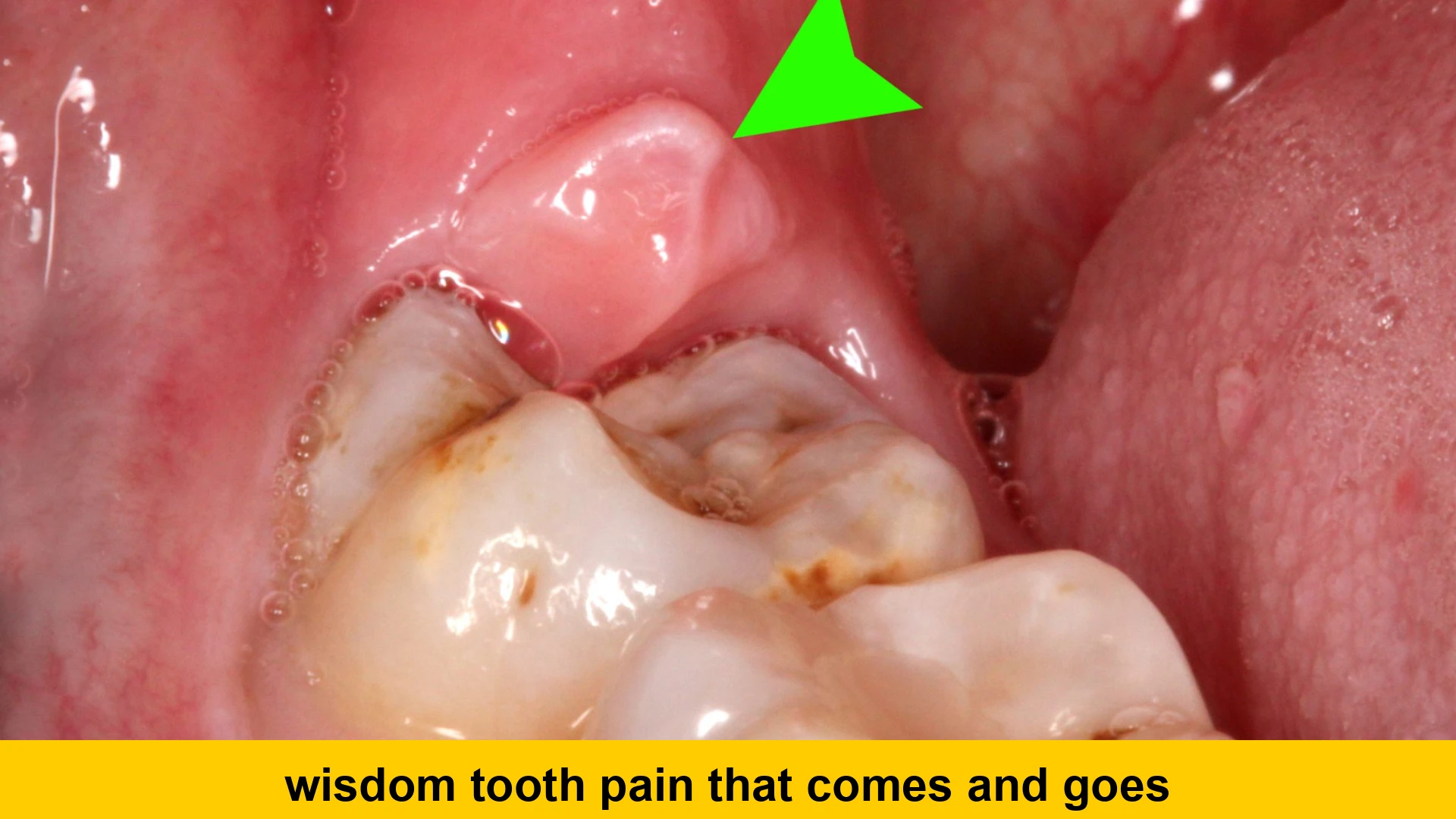
One of the most common reasons for wisdom tooth pain that comes and goes is partial impaction, leading to a condition called pericoronitis. A wisdom tooth is partially impacted when it has erupted only part-way through the gum line, leaving a flap of gum tissue covering part of the tooth. This creates a perfect breeding ground for bacteria.
Food particles, plaque, and bacteria can easily get trapped under this gum flap (operculum). This accumulation leads to inflammation and infection of the gum tissue surrounding the crown of a partially erupted tooth—a condition known as pericoronitis. When the infection flares up, you experience pain, swelling, and sometimes difficulty opening your mouth. As your immune system fights the infection or if you manage to dislodge some food debris, the inflammation might temporarily subside, and with it, the pain diminishes or disappears.
However, unless the underlying issue of the impacted tooth or the gum flap is addressed, the cycle is likely to repeat. This explains why wisdom teeth hurt then stop, only to resume later.
2. Tooth Decay and Cavities
Wisdom teeth are notoriously difficult to clean properly due to their location at the very back of the mouth. Even if your wisdom teeth have fully erupted, their position can make them highly susceptible to decay. Brushing and flossing effectively in this area can be challenging, leading to plaque buildup and cavities.
Cavities, especially in their early stages, can cause pain that comes and goes. You might experience sensitivity when eating hot, cold, or sweet foods. The pain may subside once the stimulus is removed. If the decay progresses to affect the tooth’s nerve, the pain becomes more constant and severe. But in the interim, the aching wisdom tooth on and off could very well be a sign of developing decay that you can’t see.
3. Gum Disease Around the Wisdom Tooth
Beyond pericoronitis, general gum disease (gingivitis or periodontitis) can affect the tissues around your wisdom teeth. Poor oral hygiene in this hard-to-reach area can lead to inflammation of the gums. Periodontal pockets can form, trapping more bacteria and making the situation worse.
Similar to pericoronitis, gum inflammation can flare up and recede depending on various factors like your overall immune health, how well you’ve brushed recently, or even hormonal changes. This fluctuating inflammation leads to fluctuating pain. It’s another key reason why wisdom tooth pain that comes and goes is a common complaint.
4. Pressure on Adjacent Teeth or Jawbone
When a wisdom tooth is impacted, it might be pushing against the adjacent second molar. This pressure can cause a dull, aching sensation that comes and goes. The intensity of this pressure can vary based on jaw movements, clenching, or even changes in your bite pattern. Over time, this constant pressure can also contribute to resorption of the root of the second molar, leading to more serious problems.
The bone surrounding the wisdom tooth can also experience pressure or changes as the tooth tries to erupt or shift, contributing to the pulsating wisdom tooth pain causes many people experience. This pressure might ease at times, giving you temporary relief, before resuming.
5. Cysts or Tumors
While less common, impacted wisdom teeth can sometimes lead to the formation of cysts or tumors in the jawbone. These growths can exert pressure on the surrounding nerves and bone, causing pain. The growth of these cysts might not be linear, leading to fluctuating pressure and, consequently, pain that seems to wax and wane. Early detection of such growths is critical, emphasizing the importance of regular dental check-ups, especially if you have an impacted wisdom tooth and experience on-off wisdom tooth discomfort.
6. Shifting or Movement of the Tooth
Even if a wisdom tooth has partially erupted, it might continue to try and move or shift within the jawbone, especially in younger individuals. This movement can put pressure on nerves, surrounding teeth, or the gum tissue, leading to bouts of pain. Once the tooth settles into a temporary position or the immediate pressure eases, the pain might subside. However, further movement will trigger the discomfort again, explaining why your wisdom tooth stops hurting then starts again.
7. Referred Pain from Other Issues
Sometimes, the pain you feel in your wisdom tooth area might actually be referred pain from another source. Issues like temporomandibular joint (TMJ) disorders, sinus infections, ear infections, or even tension headaches can manifest as discomfort in the jaw or around your back teeth. Since these conditions themselves can have fluctuating symptoms, the wisdom tooth pain you experience might also seem to come and go.
Understanding the Fluctuations: Why the Relief?
If you’re asking, “Why does my wisdom tooth stop hurting then start again?” it’s important to understand that the temporary relief doesn’t mean the problem is gone. It usually indicates a temporary reduction in inflammation or irritation.
Several factors can lead to this temporary reprieve:
- Improved Oral Hygiene: A particularly thorough brushing or flossing session might dislodge trapped food particles or reduce bacterial load, temporarily easing pericoronitis or gum inflammation.
- Natural Immune Response: Your body’s immune system will attempt to fight off infection. When it successfully reduces the bacterial population, symptoms can lessen.
- Changes in Diet: Avoiding hard, sticky, or very hot/cold foods can give the affected area a break from irritation.
- Use of Pain Relievers: Over-the-counter pain medication can mask the symptoms, providing relief without addressing the root cause.
- Reduced Stress: Stress can exacerbate many physical symptoms, including pain. Periods of lower stress might lead to less clenching or grinding, thereby reducing pressure.
While these offer temporary wisdom tooth relief, they don’t solve the underlying issue. The problem, whether it’s impaction, decay, or infection, will persist and likely cause pain again.
Symptoms That Accompany Fluctuating Wisdom Tooth Pain
When you experience wisdom tooth pain that comes and goes, it’s often accompanied by other symptoms that can help you and your dentist pinpoint the problem. These can include:
- Swelling and Tenderness: Around the jaw or gum line in the affected area.
- Redness: Of the gum tissue surrounding the wisdom tooth.
- Difficulty Opening Mouth: Known as trismus, often a sign of significant inflammation or infection.
- Bad Breath or Unpleasant Taste: Due to infection and trapped food particles.
- Pus Discharge: A clear sign of infection, often visible if you press on the gum flap.
- Headaches or Earaches: Referred pain from the affected tooth.
- Fever or Chills: Indicating a more widespread infection, requiring immediate attention.
- Swollen Lymph Nodes: In the neck or under the jaw, another sign of infection.
Paying attention to these accompanying symptoms is crucial. They provide vital clues to your dentist about the severity and nature of the problem, helping them determine the best course of action for your on-off wisdom tooth discomfort.
When to See a Dentist for On-Again-Off-Again Wisdom Tooth Pain
Given that wisdom tooth pain that comes and goes almost always indicates an underlying problem, it’s essential to consult a dentist as soon as you start experiencing these symptoms. Waiting until the pain becomes unbearable or constant can lead to more serious complications.
You should absolutely make an appointment if:
- The pain is recurrent, even if it subsides for periods.
- You experience swelling in the jaw or face.
- You have difficulty chewing or swallowing.
- There’s a persistent bad taste in your mouth or bad breath.
- You develop a fever or chills.
- You find it hard to open your mouth fully.
- You suspect impaction or pericoronitis.
A dentist can accurately diagnose the cause of your fluctuating pain through a thorough examination, X-rays, and potentially other diagnostic tools. They can then recommend the most appropriate course of treatment to prevent future occurrences and protect your oral health.
Diagnosing the Root Cause of Your Aching Wisdom Tooth On and Off
When you visit your dentist with complaints of wisdom tooth pain that comes and goes, they will perform a comprehensive evaluation. This typically involves several steps to accurately diagnose the problem:
- Clinical Examination: The dentist will visually inspect your wisdom teeth, gums, and the surrounding areas. They’ll look for signs of inflammation, redness, swelling, or a partially erupted tooth with a gum flap (operculum). They might gently probe the area to check for tenderness or pus discharge.
- Dental X-rays: This is a crucial diagnostic tool. X-rays, such as panoramic X-rays or periapical X-rays, provide a detailed view of your wisdom teeth, their roots, and their relationship with adjacent teeth and the jawbone. They can reveal:
- The degree and angle of impaction.
- Presence of decay, even if it’s hidden.
- Bone loss around the tooth.
- Presence of cysts or tumors.
- Damage to adjacent teeth.
- Discussion of Symptoms: Your dentist will ask detailed questions about the nature of your pain (when it started, what makes it better or worse, how often it occurs, accompanying symptoms). This information is vital for understanding the pattern of your intermittent wisdom tooth pain.
Based on these findings, your dentist can determine the precise reason your wisdom tooth pain that comes and goes and recommend the most effective treatment plan.
Managing Intermittent Pain from Wisdom Teeth: Treatment Options
The treatment for fluctuating wisdom tooth pain depends entirely on the underlying cause. Your dentist will discuss the best options tailored to your specific situation.
1. For Pericoronitis (Infection of Gum Flap)
If the pain is due to pericoronitis, initial treatment focuses on clearing the infection and managing inflammation:
- Antibiotics: For moderate to severe infections, your dentist may prescribe antibiotics to eliminate bacteria.
- Irrigation and Cleaning: The area under the gum flap can be thoroughly cleaned and irrigated by the dentist to remove trapped food debris and bacteria.
- Warm Saltwater Rinses: Regular rinsing with warm salt water at home can help reduce inflammation and keep the area clean.
- Pain Management: Over-the-counter pain relievers like ibuprofen or acetaminophen can help alleviate discomfort.
However, these are often temporary solutions if the wisdom tooth remains partially impacted. For long-term relief, extraction of the wisdom tooth is frequently recommended to prevent recurrence.
2. For Tooth Decay or Cavities
If decay is causing your wisdom tooth pain that comes and goes:
- Fillings: For smaller cavities, a filling can repair the tooth. However, due to the difficulty in accessing and maintaining wisdom teeth, fillings are often a temporary measure, or the decay might be too extensive for a simple filling.
- Extraction: If the decay is extensive, or if the tooth is poorly positioned and difficult to clean, extraction is often the recommended solution to prevent further decay and potential infection.
3. For Impacted Wisdom Teeth and Pressure
When an impacted wisdom tooth is causing pressure on adjacent teeth or leading to recurrent infections, extraction is usually the definitive treatment. Your dentist may refer you to an oral surgeon for this procedure, especially if the impaction is complex.
4. For Cysts or Tumors
If X-rays reveal the presence of a cyst or tumor, surgical removal is necessary. This is a more serious condition that requires prompt attention from an oral surgeon.
5. For General Gum Disease
If gum disease is the primary issue, a professional dental cleaning (scaling and root planing) may be necessary to remove plaque and tartar buildup around the wisdom tooth and other teeth. Improved at-home oral hygiene practices are crucial for preventing recurrence.
Home Remedies for Temporary Wisdom Tooth Relief
While home remedies won’t cure the underlying problem, they can offer some temporary wisdom tooth relief while you await your dental appointment. Remember, these are not substitutes for professional dental care.
- Warm Saltwater Rinses: Dissolve half a teaspoon of salt in a glass of warm water and rinse your mouth thoroughly for 30 seconds several times a day. This helps reduce inflammation and can flush out debris.
- Cold Compress: Apply an ice pack wrapped in a cloth to the outside of your cheek for 15-20 minutes at a time, several times a day. This can help reduce swelling and numb the area.
- Over-the-Counter Pain Relievers: Non-steroidal anti-inflammatory drugs (NSAIDs) like ibuprofen (Advil, Motrin) or naproxen (Aleve) can reduce pain and inflammation. Acetaminophen (Tylenol) can also help with pain. Always follow dosage instructions.
- Oral Anesthetic Gels: Gels containing benzocaine (e.g., Orajel) can provide temporary numbing relief when applied directly to the affected gum area.
- Clove Oil: Clove oil has natural antiseptic and analgesic properties. Apply a small amount to a cotton ball and dab it gently on the painful area. Do not swallow large amounts.
- Good Oral Hygiene: Despite the pain, try to keep the area as clean as possible. Gently brush around the wisdom tooth to remove food particles and plaque. Use a soft-bristled brush.
These methods can help manage the symptoms of an aching wisdom tooth on and off, but the key is to understand they are only stop-gap measures. The reasons wisdom tooth pain disappears temporarily are often tied to these minor interventions or natural fluctuations in inflammation, not a resolution of the underlying issue.
Preventing the Recurrence of Pulsating Wisdom Tooth Pain Causes
The most effective way to prevent recurring wisdom tooth pain is often to address the root cause, which typically means extraction if the tooth is impacted, decayed, or causing chronic pericoronitis. However, even for wisdom teeth that have fully erupted and are causing issues, or if you’re waiting for extraction, certain practices can minimize flare-ups:
- Maintain Excellent Oral Hygiene: This is paramount. Brush twice a day, ensuring you reach the very back of your mouth where wisdom teeth reside. Use a soft-bristled brush and consider a smaller brush head designed for reaching tight spaces. Floss daily, paying special attention to the areas around your wisdom teeth and under any gum flaps.
- Regular Dental Check-ups: Schedule regular dental visits (every six months). Your dentist can monitor your wisdom teeth, identify potential issues early, and perform professional cleanings that remove plaque and tartar you might miss.
- Rinse Frequently: After meals, rinse your mouth thoroughly with water to dislodge food particles. If you’re prone to pericoronitis, regular warm saltwater rinses can be beneficial.
- Consider Antimicrobial Mouthwash: Your dentist might recommend an antimicrobial mouthwash to help reduce bacterial load in your mouth, especially around an erupting or partially erupted wisdom tooth.
- Avoid Hard or Sticky Foods: These can get easily trapped around wisdom teeth or put undue pressure on them, exacerbating pain.
- Address Clenching or Grinding: If you suspect you clench or grind your teeth (bruxism), especially at night, discuss this with your dentist. A nightguard can protect your teeth and jaw from excessive pressure.
By taking these preventative steps, you can significantly reduce the chances of experiencing wisdom tooth pain that comes and goes, leading to a more comfortable and healthier oral environment. Remember, the goal is not just temporary relief but a long-term solution.
The Long-Term Outlook: What Happens if Wisdom Tooth Pain is Left Untreated?
Ignoring recurrent intermittent wisdom tooth pain can lead to a cascade of more serious health issues. While the pain might disappear temporarily, the underlying problem doesn’t. Here’s what can happen if you delay treatment:
- Worsening Infection: Pericoronitis can spread to other areas of the mouth, throat, or even the jaw and neck, leading to severe infections like cellulitis or abscesses, which can be life-threatening if left untreated.
- Damage to Adjacent Teeth: An impacted wisdom tooth can exert continuous pressure on the second molar, leading to root resorption, decay, or even gum disease in that otherwise healthy tooth.
- Cyst and Tumor Formation: While rare, persistent impaction can lead to the development of cysts or benign tumors that can destroy jawbone and surrounding tissues, requiring extensive surgical intervention.
- Chronic Pain: The intermittent pain can eventually become constant and more severe, significantly impacting your quality of life, sleep, and ability to eat comfortably.
- Jaw Stiffness and Limited Opening: Chronic inflammation or infection can lead to trismus, making it difficult to open your mouth fully, impacting eating and speaking.
- Systemic Health Issues: Untreated dental infections can have broader implications for your overall health, especially for individuals with compromised immune systems or certain medical conditions like diabetes or heart disease.
Therefore, understanding why wisdom teeth hurt then stop is the first step, but taking decisive action to treat the problem is paramount for your long-term health. Do not underestimate the potential complications of recurring wisdom tooth pain. Consulting with your dentist early is always the safest and most effective approach.
Conclusion: Don’t Ignore the Signals of Wisdom Tooth Pain That Comes and Goes
Experiencing wisdom tooth pain that comes and goes is a common but crucial signal from your body that something is amiss. Whether it’s due to partial impaction, infection, decay, or pressure on neighboring teeth, the temporary disappearance of pain doesn’t signify a resolution. Instead, it often indicates a fluctuating battle between your body and an persistent oral health issue.
Understanding the reasons why wisdom tooth pain to fluctuate, from pericoronitis to tooth decay and even cysts, empowers you to take appropriate action. While home remedies can offer temporary relief, they are not a substitute for professional dental care. Ignoring these symptoms can pave the way for more severe infections, damage to adjacent teeth, and significant discomfort down the line.
If you’re experiencing on-again-off-again wisdom tooth pain, the most responsible and effective step you can take is to schedule an appointment with your dentist or an oral surgeon without delay. They can accurately diagnose the underlying cause through examination and X-rays and recommend the most suitable treatment, whether it’s managing an infection, addressing decay, or recommending extraction. Prioritizing your oral health is an investment in your overall well-being. Don’t let the confusing pattern of intermittent pain deter you from seeking the care you need for lasting relief and a healthier smile.
For more detailed information on wisdom teeth and their care, you can visit authoritative sources like the American Dental Association (ADA) website.