
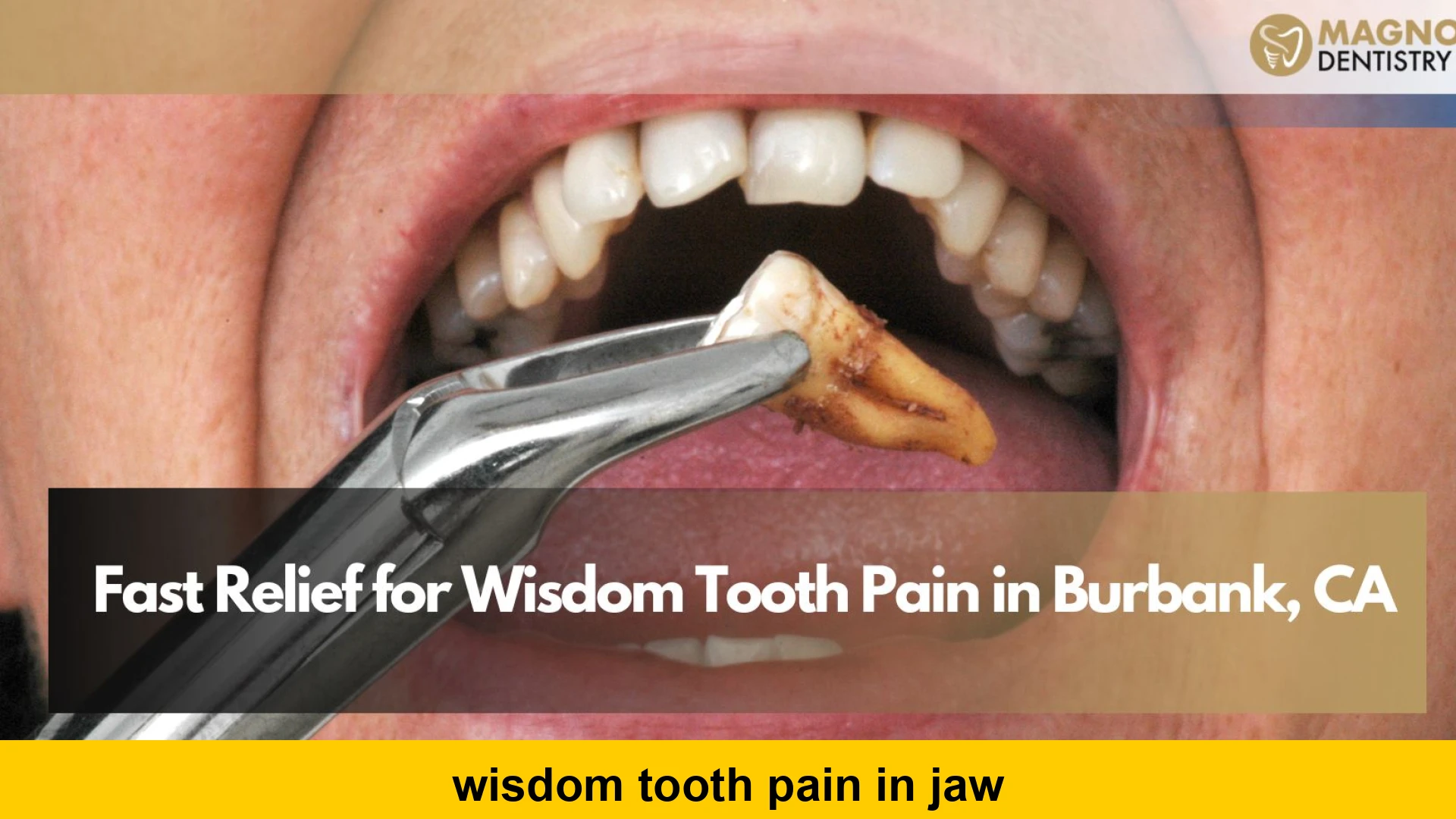
Few dental issues are as universally dreaded and discussed as the eruption, or impaction, of wisdom teeth. For many, these late-arriving molars herald not wisdom, but rather significant discomfort, with one of the most common and debilitating symptoms being wisdom tooth pain in the jaw. This isn’t just a fleeting ache; it can be a persistent, throbbing sensation that radiates throughout your jaw, affecting your ability to eat, speak, and even sleep. Understanding this unique type of pain and, more importantly, effectively managing wisdom tooth pain in jaw is crucial for maintaining your oral health and overall well-being. This comprehensive guide will delve deep into why wisdom teeth cause jaw pain, explore the various symptoms, offer practical relief strategies, and advise on when to seek professional dental intervention.
The journey with wisdom teeth often begins in the late teens or early twenties, a period when your jawbone may not have sufficient space to accommodate these final four molars. When they emerge improperly, become impacted, or cause inflammation, the resulting pressure and irritation can manifest as excruciating pain in your jaw. Identifying the root cause and understanding the range of solutions available will empower you to take control of your discomfort. We will explore everything from immediate home remedies to advanced dental treatments, ensuring you have the knowledge to navigate this challenging experience with confidence.
Understanding the Anatomy of Wisdom Tooth Pain in Jaw
To effectively address the discomfort, it’s essential to first understand why wisdom teeth lead to such specific and often intense jaw pain. Wisdom teeth, or third molars, are the last teeth to erupt, typically between the ages of 17 and 25. By this time, the jaw has largely developed, and often there simply isn’t enough room for these teeth to emerge properly.
When there isn’t sufficient space, wisdom teeth can become impacted. An impacted wisdom tooth is one that is unable to fully erupt through the gum line. It might grow in at an awkward angle, push against neighboring teeth, or remain fully enclosed within the jawbone. This impaction is the primary cause of intense wisdom tooth pain in jaw.
The pressure exerted by an impacted tooth on the surrounding jawbone, nerves, and adjacent molars can lead to significant discomfort. Furthermore, a partially erupted wisdom tooth creates a flap of gum tissue, known as an operculum, which can trap food particles and bacteria. This area is difficult to clean and becomes a breeding ground for infection, leading to a condition called pericoronitis. Pericoronitis causes inflammation, swelling, and severe pain that can spread throughout the jaw and even into the ear and neck.
Sometimes, the pain isn’t just from impaction or infection. The erupting tooth itself can put stress on the temporomandibular joint (TMJ), which connects your jawbone to your skull. This can result in localized pain in the jaw, difficulty opening your mouth, and clicking or popping sounds when you chew. All these factors contribute to the pervasive experience of discomfort and highlight the importance of understanding the mechanics behind the pain for successful managing wisdom tooth pain in jaw.
Common Symptoms Associated with Wisdom Tooth Pain Affecting Jawbone
Recognizing the symptoms of wisdom tooth pain is the first step toward finding relief. The pain can manifest in various ways, and it’s important to distinguish it from other dental issues. One of the most common indicators is persistent, throbbing pain at the back of the jaw, often radiating towards the ear or temple. This aching jaw from wisdom tooth discomfort can range from mild to severe and may worsen when chewing or opening your mouth wide.
You might experience tenderness and swelling around the jaw area, particularly near the site of the erupting or impacted wisdom tooth. This swelling can make it difficult to move your jaw comfortably, leading to limited jaw movement, also known as trismus. Some individuals report a foul taste in their mouth or bad breath, which can be a sign of infection around a partially erupted tooth. The presence of pus around the gum line is another clear indication of an infection that requires immediate attention.
Other symptoms include headaches, particularly tension headaches that seem to originate from the jaw, and even fever if an infection is significant. You might also notice redness and inflammation of the gum tissue in the very back of your mouth. In severe cases, the pain might even spread to the neck and throat, making swallowing difficult. Recognizing these symptoms can help you describe your condition accurately to your dentist, leading to a quicker and more effective treatment plan for managing wisdom tooth pain in jaw.
Understanding these specific symptoms allows you to better communicate with your dental professional, helping them pinpoint the exact problem and determine the best course of action. Whether it’s the soreness from wisdom tooth in jaw or a more generalized discomfort, accurate symptom identification is key to proper diagnosis.
Immediate Home Remedies for Wisdom Tooth Pain in Jaw Discomfort Relief
While waiting to see a dentist, there are several effective home remedies that can provide temporary relief from the intense pain associated with wisdom teeth. These methods focus on reducing inflammation and numbing the area, offering much-needed comfort. It’s important to remember that these are stop-gap measures and not a substitute for professional dental care, especially when managing wisdom tooth pain in jaw caused by impaction or infection.
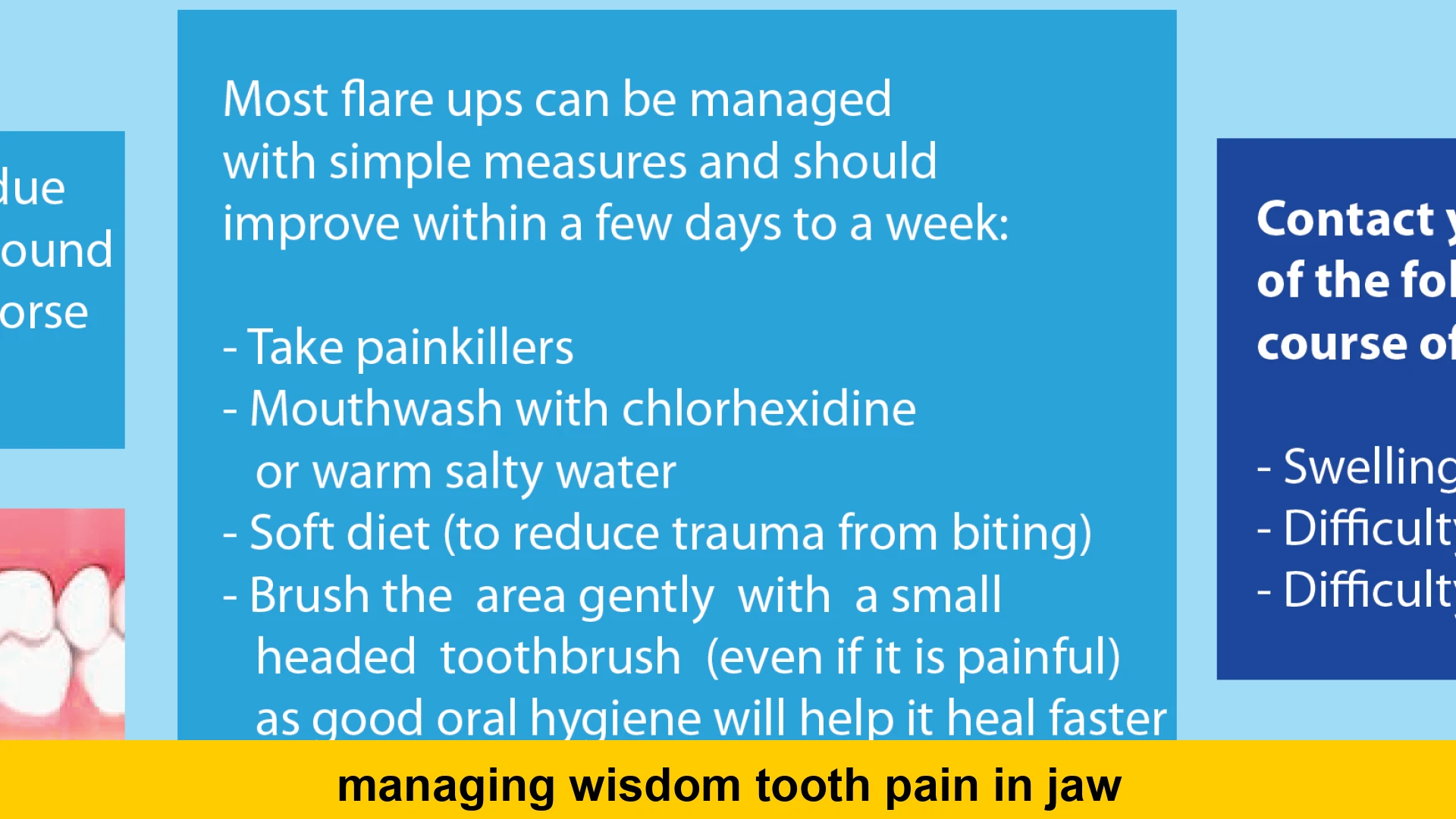
One of the most accessible and effective remedies is a saltwater rinse. Mix half a teaspoon of salt into a cup of warm water and swish it around your mouth for about 30 seconds before spitting it out. The salt acts as a natural disinfectant, helping to reduce bacteria and inflammation around the affected tooth. Repeat this several times a day, especially after meals, for significant wisdom tooth jaw discomfort relief.
Cold compresses can also be incredibly helpful. Apply an ice pack or a bag of frozen peas wrapped in a cloth to the outside of your jaw for 15-20 minutes at a time, several times a day. The cold helps to constrict blood vessels, reducing swelling and numbing the pain. This is particularly effective for pain in jaw due to wisdom tooth inflammation.
Over-the-counter (OTC) pain relievers, such as ibuprofen (Advil, Motrin) or naproxen (Aleve), can significantly reduce both pain and inflammation. Acetaminophen (Tylenol) can also help with pain but does not have anti-inflammatory properties. Always follow the dosage instructions on the package and consult with a pharmacist or doctor if you have any underlying health conditions or are taking other medications. These provide crucial temporary respite when dealing with an aching jaw from wisdom tooth issues.
Other natural remedies include clove oil, which has natural analgesic and antiseptic properties. Apply a small amount of clove oil onto a cotton ball and gently dab it directly onto the affected tooth and gum area. Be cautious not to swallow too much, as it can be strong. Peppermint tea bags, after being steeped and cooled, can also be applied to the area to soothe discomfort. Their mild numbing effect can contribute to wisdom tooth jaw discomfort relief. These immediate steps are valuable for managing wisdom tooth pain in jaw while you await a dental appointment.
When to Seek Professional Help for Wisdom Tooth Pain in Jaw
While home remedies can offer temporary relief, there are clear signs that indicate it’s time to consult a dentist. Delaying professional care can lead to more severe complications, especially when dealing with persistent or worsening managing wisdom tooth pain in jaw. Ignoring these signals can result in widespread infection, damage to adjacent teeth, or more complex surgical procedures.
You should make an immediate appointment with your dentist if you experience severe, unbearable pain that doesn’t respond to over-the-counter pain relievers. This kind of intense pain often points to an underlying problem that requires professional intervention. Similarly, if the swelling in your jaw or face worsens, or if it begins to spread to your neck or throat, it’s a critical sign of a spreading infection. This warrants urgent attention to prevent it from becoming a systemic issue.
Difficulty opening your mouth, eating, or swallowing is another serious symptom. This limitation in jaw movement, known as trismus, can indicate significant inflammation or infection affecting the jaw muscles and joints. A persistent fever, chills, or general malaise accompanying your jaw pain are also red flags for a more serious infection that needs immediate medical assessment and treatment. Don’t underestimate the potential for complications when you have pain in jaw due to wisdom tooth issues, especially when coupled with systemic symptoms.
Furthermore, if you notice a bad taste in your mouth, pus draining from around the affected tooth, or persistent bad breath, these are all strong indicators of an infection that needs to be addressed by a dental professional. Your dentist can accurately diagnose the problem, whether it’s an impacted tooth, pericoronitis, or another issue, and recommend the most appropriate treatment, which may involve antibiotics, irrigation, or extraction. Prompt action is key for effective managing wisdom tooth pain in jaw and preventing further complications.
Dental Treatments and Oral Surgery Pain Management for Wisdom Tooth Pain
When home remedies are no longer sufficient and symptoms persist or worsen, professional dental treatment becomes necessary. The specific treatment plan for managing wisdom tooth pain in jaw will depend on the underlying cause, whether it’s impaction, infection, or simply lack of space. Your dentist will conduct a thorough examination, including X-rays, to accurately assess the position of your wisdom teeth and the condition of the surrounding tissues.
For infections like pericoronitis, the initial step often involves cleaning the area around the partially erupted tooth. Your dentist might irrigate the gum flap to flush out trapped food particles and bacteria. They may also prescribe antibiotics to clear up the infection, particularly if there is significant swelling, pus, or fever. Once the acute infection is under control, the long-term solution often involves extraction to prevent recurrence of the problem. This oral surgery pain management is vital for sustained relief.
In cases where wisdom teeth are impacted and causing chronic pain, damage to adjacent teeth, or recurrent infections, extraction is typically the recommended course of action. Wisdom tooth extraction is a common oral surgery procedure performed by general dentists or oral surgeons. The procedure itself can range from a simple extraction for fully erupted teeth to a more complex surgical extraction for impacted teeth that require incisions in the gum and removal of some bone.
During the extraction, local anesthesia is used to numb the area, ensuring you don’t feel pain. For more complex cases or anxious patients, sedation options like nitrous oxide (laughing gas), oral sedatives, or intravenous (IV) sedation may be offered to help you relax. After the extraction, your dentist or oral surgeon will provide detailed post-operative instructions, including pain management strategies, dietary recommendations, and oral hygiene guidelines, which are crucial for effective healing and avoiding complications. Understanding this process is key to relieving severe wisdom tooth pain radiating to jaw.
The goal of these treatments is not just to alleviate immediate pain but to prevent future problems associated with troublesome wisdom teeth. Discussing all options with your dental professional will ensure you make an informed decision about the best approach for your specific situation, ultimately providing lasting relief from soreness from wisdom tooth in jaw.
What to Expect During a Wisdom Tooth Extraction
If your dentist recommends wisdom tooth extraction as the best solution for managing wisdom tooth pain in jaw, it’s natural to feel a bit anxious. However, knowing what to expect can help ease your concerns. The procedure is very common and generally safe.
Before the extraction, your dentist or oral surgeon will review your X-rays and medical history. They will discuss the type of anesthesia that will be used. For a simple extraction, local anesthesia (an injection to numb the area) is often sufficient. For impacted teeth or multiple extractions, options like nitrous oxide, oral sedation, or IV sedation might be offered to ensure you are comfortable and relaxed throughout the procedure. Your dentist will numb the area thoroughly to ensure you feel no pain during the extraction, only pressure.
During the procedure, if the tooth is visible and fully erupted, it will be loosened and removed with specialized instruments. If the tooth is impacted, the oral surgeon may need to make an incision in the gum to expose the tooth. Sometimes, a small amount of bone covering the tooth may need to be removed, or the tooth itself may be cut into smaller pieces to facilitate easier removal. Once the tooth is extracted, the surgeon will clean the socket and may place stitches to help the gum heal. Gauze will be placed over the extraction site to control bleeding and encourage clot formation, which is vital for healing.
The entire procedure typically takes between 20 minutes to an hour, depending on the complexity of the extraction. You will receive detailed post-operative instructions on how to care for the extraction site, manage pain, and what to eat and drink. Understanding these steps is crucial for optimal recovery and preventing further pain in jaw due to wisdom tooth issues.
Post-Extraction Care and Pain Management for Your Jaw
Proper post-extraction care is paramount for a smooth recovery and effectively managing wisdom tooth pain in jaw after the procedure. The first 24-48 hours are crucial for healing and preventing complications like dry socket, which can be incredibly painful. Following your dentist’s instructions meticulously will significantly reduce discomfort and speed up your recovery.
Immediately after the extraction, you’ll be instructed to bite down gently on gauze pads placed over the extraction site. This helps to stop bleeding and promotes the formation of a blood clot, which is essential for healing. Change the gauze every 30-45 minutes until the bleeding subsides. Minor bleeding or oozing can continue for up to 24 hours.
Pain management is a key component of post-extraction care. Your dentist will likely prescribe pain medication or recommend over-the-counter options like ibuprofen or acetaminophen. Take these as directed, even if you feel minimal pain initially, to stay ahead of the discomfort. Applying ice packs to the outside of your jaw for 15-20 minutes at a time can help reduce swelling and pain during the first 24 hours. After 24-48 hours, some dentists recommend switching to warm compresses to promote blood flow and healing.
Dietary adjustments are also necessary. For the first few days, stick to soft foods like yogurt, applesauce, mashed potatoes, and soups. Avoid crunchy, chewy, or hot foods that could irritate the extraction site or dislodge the blood clot. Do not drink through a straw, as the suction can dislodge the clot and lead to dry socket. Avoid smoking and alcohol, as they can also impair healing and increase the risk of complications.
Oral hygiene is still important, but gently. Do not brush directly over the extraction site for the first day. After 24 hours, you can gently rinse your mouth with warm salt water several times a day to keep the area clean and reduce bacteria. Avoid vigorous rinsing, spitting, or gargling. Rest is vital; avoid strenuous activities for at least a few days to prevent dislodging the blood clot or increasing bleeding. Following these guidelines meticulously is the best way to ensure proper healing and minimize any lingering soreness from wisdom tooth in jaw after removal. These steps are critical for effectively managing wisdom tooth pain in jaw during recovery.
Preventative Measures and Long-Term Outlook for Jaw Pain from Wisdom Teeth
While some wisdom tooth issues are unavoidable, there are preventative measures and a clear understanding of the long-term outlook that can help in managing wisdom tooth pain in jaw. Regular dental check-ups are the most crucial preventative step. Your dentist can monitor the development and eruption of your wisdom teeth through X-rays as early as your mid-teens.
Early detection of potential impaction or eruption problems allows for timely intervention, often before pain or complications arise. In some cases, your dentist might recommend prophylactic extraction – removing wisdom teeth before they cause problems – especially if they are clearly impacted or there isn’t enough room in your jaw. This can prevent future episodes of severe wisdom tooth pain radiating to jaw and other dental complications.
Maintaining excellent oral hygiene, particularly at the back of your mouth, can help prevent infections like pericoronitis in partially erupted wisdom teeth. Brush thoroughly, use dental floss, and consider an antiseptic mouthwash if advised by your dentist. While good hygiene can’t prevent impaction, it can mitigate the risk of infection, which is a common source of intense pain.
The long-term outlook for jaw pain from wisdom teeth is generally very positive, especially after appropriate treatment. Once problematic wisdom teeth are extracted, the source of chronic pain, infection, and pressure on other teeth is removed. Most individuals experience significant relief and can resume normal oral function without the constant threat of wisdom tooth-related discomfort. Any residual sensitivity or aching jaw from wisdom tooth issues typically subsides completely within a few weeks to months after extraction.
In rare cases, nerve damage can occur during extraction, leading to temporary or, very rarely, permanent numbness in parts of the lip, tongue, or chin. Your oral surgeon will discuss these risks with you beforehand. However, for the vast majority, once the wisdom teeth are managed, the chronic pain in jaw due to wisdom tooth growth becomes a thing of the past. Regular follow-up appointments with your dentist will ensure that your healing progresses well and that any long-term concerns are addressed promptly, solidifying the success of managing wisdom tooth pain in jaw.
Practical Examples: How Different Scenarios Affect Managing Wisdom Tooth Pain in Jaw
The experience of managing wisdom tooth pain in jaw can vary widely depending on the specific circumstances of the wisdom tooth’s eruption or impaction. Let’s look at a few practical examples to illustrate different scenarios and their respective approaches to relief and treatment.
Scenario 1: Partially Erupted Wisdom Tooth with Pericoronitis
Imagine Sarah, a 22-year-old, starts experiencing sharp, throbbing pain at the back of her lower jaw. It’s accompanied by swelling, a foul taste in her mouth, and difficulty opening her mouth fully. She realizes her wisdom tooth has partially broken through the gum, creating a flap where food seems to get stuck. This is a classic case of pericoronitis.
Actionable Steps: Sarah’s immediate steps include warm saltwater rinses every few hours to help disinfect the area and reduce inflammation. She also takes over-the-counter ibuprofen for pain and swelling. Recognizing the signs of infection, she promptly schedules an emergency dental appointment. At the dentist’s office, the area is thoroughly cleaned, and she’s prescribed antibiotics to clear the infection. Once the infection subsides, her dentist discusses extraction to prevent recurrence, as this is the best long-term solution for her severe wisdom tooth pain radiating to jaw.
Scenario 2: Fully Impacted Wisdom Tooth Causing Pressure Pain
John, a 25-year-old, has never had his wisdom teeth erupt. Lately, he’s been experiencing a constant, dull ache deep in his jaw, sometimes radiating up to his ear. There’s no visible swelling or infection in his gums. An X-ray reveals that his lower wisdom teeth are fully impacted, growing horizontally and pressing against the roots of his second molars. This is a clear case of wisdom tooth pain affecting jawbone due to pressure.
Actionable Steps: John’s pain, while not acutely infectious, is persistent and damaging. His dentist recommends surgical extraction of both lower impacted wisdom teeth. Before the surgery, he’s advised to continue with OTC pain relievers if needed. Post-surgery, John diligently follows post-op instructions, including soft food, ice packs, and prescribed pain medication. The discomfort subsides gradually, and within a few weeks, he’s completely free from the chronic aching jaw from wisdom tooth pressure he had experienced for months. This exemplifies why understanding how to relieve wisdom tooth pain in jaw often involves surgical intervention.
Scenario 3: Erupting Wisdom Tooth Causing General Jaw Discomfort
Maria, 19, starts feeling a general soreness from wisdom tooth in jaw. Her wisdom teeth are slowly pushing through, causing mild to moderate discomfort but no signs of infection or impaction. She has enough space in her jaw, but the eruption process itself is a bit painful.
Actionable Steps: Maria focuses on natural ways to ease wisdom tooth pain in jaw. She uses warm saltwater rinses, applies a cold compress, and takes ibuprofen as needed. She ensures she’s cleaning the back of her mouth thoroughly to prevent any food trapping. Her dentist monitors the eruption, confirming there are no complications. As her wisdom teeth fully erupt, the soreness gradually diminishes. In her case, the discomfort was temporary, and managing wisdom tooth pain in jaw involved mostly supportive care until full eruption.
These examples highlight that while the core problem is wisdom tooth pain in jaw, the specific manifestation and required actions can vary significantly. Always consult with your dental professional to get an accurate diagnosis and a personalized treatment plan.
The Role of Nutrition and Hydration in Reducing Wisdom Tooth Pain
When dealing with the discomfort of managing wisdom tooth pain in jaw, particularly during an acute flare-up or post-extraction, your diet and hydration play a surprisingly crucial role in both pain reduction and healing. What you consume can either exacerbate inflammation and irritation or contribute to your body’s recovery process.
Firstly, focusing on soft, easy-to-chew foods is paramount. Hard, crunchy, or sticky foods can put undue pressure on your sore jaw, potentially dislodging blood clots if you’ve had an extraction, or irritating inflamed gum tissue around an erupting tooth. Opt for nutrient-dense options like smoothies, mashed potatoes, well-cooked pasta, yogurt, applesauce, scrambled eggs, and pureed soups. These provide essential vitamins and minerals without requiring extensive chewing, thus minimizing jaw strain and pain in jaw due to wisdom tooth issues.
Cold foods can also be very soothing. Ice cream (without nuts or crunchy bits), popsicles, and chilled pureed fruits can provide a numbing effect and reduce swelling. However, avoid extremely hot or spicy foods, as these can irritate sensitive tissues and delay healing. Similarly, acidic foods and drinks, like citrus juices, might sting open wounds or inflamed areas, so it’s best to steer clear of them temporarily. For best pain medicine for wisdom tooth in jaw, consulting your dentist or pharmacist on appropriate OTC options in conjunction with dietary modifications is ideal.
Hydration is equally vital. Drinking plenty of water helps to keep your mouth clean, flushes away food particles, and supports overall bodily functions, including healing. Dehydration can slow down recovery and even contribute to discomfort. Avoid using straws, as the suction can dislodge blood clots post-extraction, leading to a painful condition called dry socket. Stick to sipping water directly from a cup.
While sugary drinks and alcohol might seem like a quick comfort, they should be avoided. Sugary beverages can contribute to bacterial growth around a partially erupted tooth, worsening any potential infection. Alcohol can interfere with pain medications and thin the blood, increasing the risk of bleeding after extraction. Prioritizing proper nutrition and hydration can significantly aid your body’s healing process and contribute to more effective wisdom tooth jaw discomfort relief. It’s an often-overlooked but powerful strategy in managing wisdom tooth pain in jaw.
Navigating Anxiety and Stress When Dealing with Wisdom Tooth Pain
The experience of managing wisdom tooth pain in jaw can be intensely stressful, not just physically, but emotionally and mentally as well. The constant throbbing, limited ability to eat, and disruption to sleep can significantly impact your mood and lead to heightened anxiety. Understanding this psychological component is just as important as addressing the physical pain.
It’s common to feel anxious about dental procedures, especially extractions. Many people fear the pain, the unknown of the surgery, or the recovery process. This anxiety can, in turn, amplify the perception of pain, creating a vicious cycle. Recognizing these feelings is the first step toward managing them effectively. Don’t hesitate to communicate your fears and concerns with your dentist. A good dental professional will take the time to explain the procedure, answer your questions, and discuss sedation options if appropriate, which can significantly alleviate pre-procedure stress.
During periods of pain, stress-reduction techniques can be incredibly helpful. Simple deep breathing exercises can calm your nervous system. Try inhaling slowly through your nose for a count of four, holding your breath for a count of seven, and exhaling slowly through your mouth for a count of eight. Repeat this several times. Mindfulness meditation or gentle stretching can also help distract from the pain and reduce overall tension. Finding natural ways to ease wisdom tooth pain in jaw can also extend to these mental strategies.
Ensuring you get adequate rest, even if interrupted by pain, is vital. Prioritize sleep by creating a comfortable, dark, and quiet environment. If pain is severely disrupting your sleep, discuss this with your dentist, as it may indicate the need for stronger temporary pain relief. Distraction can also be a powerful tool. Engaging in light activities that don’t require much jaw movement – like reading, listening to music, or watching a favorite show – can shift your focus away from the discomfort.
Connecting with others who have gone through similar experiences can also provide comfort and practical tips. However, avoid searching for worst-case scenarios online, which can fuel anxiety. Instead, focus on reliable information from your dentist. Remember that wisdom tooth pain is a temporary challenge, and with proper dental care and self-care strategies, you will overcome it. Effective managing wisdom tooth pain in jaw encompasses not just the physical treatment, but also emotional resilience.
The Connection Between Wisdom Tooth Pain in the Jaw and Ear/Headaches
Many individuals experiencing managing wisdom tooth pain in jaw often report that the discomfort isn’t confined solely to the jaw area. It frequently radiates, manifesting as pain in the lower jaw and ear, or even severe headaches. This interconnectedness of symptoms can be confusing, but it has a clear anatomical basis.
The trigeminal nerve is a major cranial nerve responsible for sensation in the face, including the teeth and jaw, and also controls some chewing muscles. When a wisdom tooth is impacted or infected, it can irritate branches of this nerve, leading to referred pain. This means the pain might be felt in areas other than its direct source. Hence, the common complaint of wisdom tooth pain in lower jaw and ear.
The ear is particularly susceptible to referred pain from the jaw because of its close proximity and shared nerve pathways with the temporomandibular joint (TMJ) and the oral cavity. An inflamed or impacted wisdom tooth can cause swelling and pressure that affects the surrounding muscles and nerves, leading to a dull ache or sharp pain felt deep within the ear canal. This isn’t necessarily an ear infection, but rather a manifestation of dental discomfort. Knowing why does wisdom tooth cause jaw pain and subsequent ear pain helps differentiate symptoms.
Similarly, headaches are a frequent companion to severe wisdom tooth pain. The constant tension and inflammation in the jaw muscles, particularly the masseter and temporalis muscles which are heavily involved in chewing, can trigger tension-type headaches. When the jaw is under stress from an erupting or impacted wisdom tooth, these muscles can become tight and spastic, causing pain that spreads up the side of the head and behind the eyes. This can be exacerbated by clenching or grinding teeth due to the discomfort, leading to a vicious cycle of pain.
In cases of significant infection (pericoronitis), the body’s inflammatory response can also contribute to a generalized feeling of malaise, including headaches and even fever. Addressing the root cause – the wisdom tooth – is therefore essential not only for managing the localized jaw pain but also for alleviating these associated symptoms like headaches and ear discomfort. Your dentist will take all these symptoms into account when diagnosing and planning treatment for your managing wisdom tooth pain in jaw. Understanding the interconnected nature of these symptoms helps to provide a holistic approach to pain relief and diagnosis.
Considering Alternative Therapies and Holistic Approaches for Jaw Discomfort
Beyond conventional dental treatments and over-the-counter medications, some individuals explore alternative therapies and holistic approaches to aid in managing wisdom tooth pain in jaw. While these should never replace professional dental advice, they can sometimes complement traditional care by providing additional comfort and support, especially for generalized jaw discomfort or during the healing process.
Acupuncture is one such therapy. Practiced for thousands of years, it involves inserting thin needles into specific points on the body to stimulate energy flow and promote healing. Some studies and anecdotal evidence suggest that acupuncture can be effective in pain relief, including dental pain and TMJ-related discomfort. It might help to reduce inflammation and relax jaw muscles, offering a non-pharmacological option for wisdom tooth jaw discomfort relief. If considering acupuncture, ensure you choose a licensed and experienced practitioner.
Herbal remedies are another area many turn to. While some herbs have anti-inflammatory or analgesic properties, it’s crucial to exercise caution and consult with both your dentist and a qualified herbalist before using them, especially if you are taking other medications. For example, some people use turmeric for its anti-inflammatory properties, or chamomile for its soothing effects, either as a tea or a topical application. However, their efficacy specifically for wisdom tooth pain requires more scientific research, and interactions with prescribed medications are a concern. Always prioritize safety when exploring natural ways to ease wisdom tooth pain in jaw.
Heat therapy, beyond the initial cold compress post-extraction, can be beneficial for muscle relaxation. Applying a warm, moist cloth or a heating pad set on low to the outside of your jaw can help relax tense jaw muscles and increase blood flow, which may aid in healing and reduce some of the aching jaw from wisdom tooth issues. This is particularly useful for pain associated with muscle soreness rather than acute inflammation.
Mind-body techniques like meditation, yoga, or even simple jaw relaxation exercises can also contribute to overall well-being and pain management. Stress and tension often manifest in the jaw, exacerbating discomfort. Learning to consciously relax your jaw and manage stress can be a valuable tool. Remember that these alternative approaches are generally considered supplementary. For persistent or severe pain in jaw due to wisdom tooth problems, a dental professional’s diagnosis and treatment plan are paramount. The journey to effectively managing wisdom tooth pain in jaw is often a multi-faceted one, integrating different approaches for comprehensive relief.
It’s always recommended to discuss any alternative therapies with your dentist to ensure they are safe and won’t interfere with your primary treatment plan. A holistic approach considers your entire well-being, but with wisdom teeth, the physical aspect needs expert dental care.
For more detailed information on oral health and wisdom teeth, you can visit authoritative sources like the American Dental Association (ADA) website.
Conclusion: Taking Control of Your Wisdom Tooth Pain Journey
Experiencing wisdom tooth pain in jaw can be a profoundly disruptive and painful ordeal, impacting not just your oral health but your overall quality of life. From the subtle ache of an erupting tooth to the intense throbbing of an impacted and infected one, the discomfort can range widely. However, with the right knowledge and proactive steps, effectively managing wisdom tooth pain in jaw is entirely achievable.
We’ve explored the various reasons why wisdom teeth cause such specific jaw pain, from impaction and pericoronitis to the pressure they exert on surrounding structures. Recognizing key symptoms like swelling, limited jaw movement, and referred pain to the ear or head is crucial for timely action. Immediate home remedies like saltwater rinses, cold compresses, and over-the-counter pain relievers can offer valuable temporary relief while you arrange for professional care.
Ultimately, persistent or severe wisdom tooth pain in the jaw necessitates a visit to your dentist. They can accurately diagnose the issue using X-rays and recommend the most appropriate treatment, which often involves cleaning an infected area, prescribing antibiotics, or, most commonly, extraction. Understanding what to expect during an extraction and diligently following post-operative care instructions are vital for a smooth recovery and lasting relief. Regular dental check-ups are the best preventative measure, allowing for early intervention before problems escalate.
Beyond physical treatments, remember the importance of nutritional support, proper hydration, and even managing the psychological stress that often accompanies dental pain. By integrating all these elements – professional dental care, effective home remedies, mindful self-care, and preventative strategies – you can navigate the challenges of wisdom tooth pain and emerge with a healthier, more comfortable smile. Don’t let the dread of wisdom teeth overshadow your well-being; empower yourself with knowledge and take decisive action. Your comfort and oral health are worth it. If you’re currently struggling with jaw discomfort, remember that help is available, and lasting relief from severe wisdom tooth pain radiating to jaw is within reach.
For additional insights into maintaining oral health, consider reading our article on understanding gum disease, or explore tips for maintaining a healthy smile after dental procedures.