
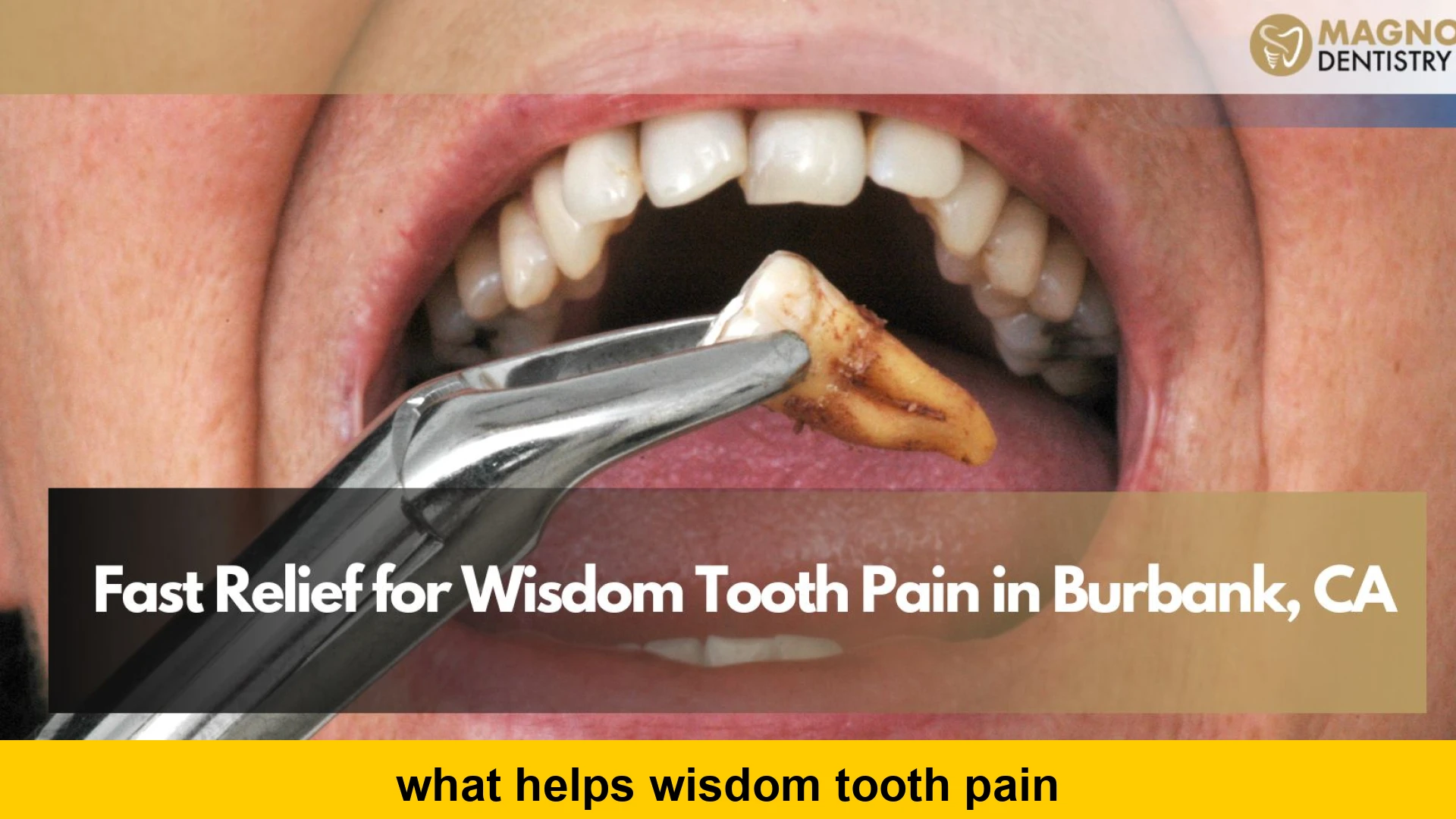
Experiencing wisdom tooth pain can be an incredibly disruptive and uncomfortable ordeal. The dull ache, sharp throbs, or persistent pressure can make eating, speaking, and even sleeping a challenge. If you’re wondering what helps wisdom tooth pain relief, you’re not alone. Millions of people worldwide grapple with these issues annually. Whether your wisdom teeth are just erupting, partially impacted, or causing inflammation, finding effective ways to alleviate the discomfort is paramount.
This comprehensive guide is designed to provide you with actionable insights and practical remedies to manage your wisdom tooth discomfort. From immediate home remedies to understanding when professional dental intervention is necessary, we’ll cover everything you need to know to navigate this painful experience. Our goal is to empower you with knowledge, ensuring you can make informed decisions about your oral health and find the best strategies for lasting relief.
Understanding Wisdom Tooth Pain: Causes and Symptoms
Before diving into solutions, it’s crucial to understand why wisdom teeth cause pain in the first place. Wisdom teeth, or third molars, are the last set of teeth to erupt, typically between the ages of 17 and 25. Often, there isn’t enough room in the jaw for them to emerge properly, leading to a host of problems.
Common causes of wisdom tooth pain include:
- Impaction: The most frequent culprit. An impacted wisdom tooth is one that is blocked from fully erupting or comes in at an awkward angle. It might be stuck against another tooth, bone, or gum tissue. This can cause significant pressure, pain, and inflammation.
- Pericoronitis: When a wisdom tooth partially erupts, a flap of gum tissue can form over it. Food particles and bacteria can get trapped under this flap, leading to infection and inflammation, a condition known as pericoronitis. This is a common source of intense wisdom tooth pain.
- Crowding: As wisdom teeth push through, they can exert pressure on neighboring teeth, causing them to shift and leading to discomfort throughout the jaw.
- Cavities and Gum Disease: Due to their position at the very back of the mouth, wisdom teeth are often difficult to clean effectively. This makes them highly susceptible to cavities and gum disease, which can both be sources of pain.
- Cysts or Tumors: In rare cases, an impacted wisdom tooth can lead to the formation of cysts or benign tumors, which can cause bone destruction and severe pain.
Symptoms of wisdom tooth pain often include:
- Persistent throbbing or sharp pain in the back of the jaw.
- Swelling and tenderness in the gums or around the jaw.
- Difficulty opening your mouth wide (trismus).
- Pain when chewing or biting.
- Bad breath or an unpleasant taste in the mouth, indicating infection.
- Headaches or earaches originating from jaw tension.
Identifying these symptoms is the first step in determining what helps wisdom tooth pain relief in your specific situation. Understanding the underlying cause will guide you towards the most appropriate and effective remedies.
Immediate Home Remedies: What Helps Wisdom Tooth Pain Relief at Home
When wisdom tooth pain strikes, your first instinct is likely to find quick relief using whatever you have at hand. Fortunately, several home remedies can offer temporary comfort while you arrange a dental appointment. These methods focus on reducing inflammation, fighting bacteria, and numbing the area. It’s important to remember that these are not permanent solutions but excellent first-aid options for wisdom tooth discomfort.
Saltwater Rinse for Soothing Wisdom Tooth Discomfort
A warm saltwater rinse is one of the oldest and most effective home remedies for oral pain and inflammation. Salt acts as a natural disinfectant, helping to kill bacteria in the mouth and reduce swelling. This can significantly contribute to what helps wisdom tooth pain relief by cleaning the affected area and promoting healing.
How to use: Dissolve half a teaspoon of salt in a glass of warm water. Swish the solution around your mouth for 30-60 seconds, paying extra attention to the painful area, then spit it out. Repeat several times a day, especially after meals.
Cold Compress for Swelling and Pain
Applying a cold compress can be incredibly effective in reducing swelling and numbing the painful area around an erupting or impacted wisdom tooth. This method helps constrict blood vessels, minimizing inflammation and providing much-needed immediate wisdom tooth pain relief.
How to use: Wrap an ice pack or a bag of frozen vegetables in a clean cloth. Apply it to the outside of your jaw for 15-20 minutes at a time, taking 15-minute breaks in between. Repeat several times throughout the day.
Clove Oil: A Natural Anesthetic for Wisdom Tooth Ache
Clove oil has been used for centuries as a natural pain reliever and antiseptic in dentistry. It contains eugenol, a compound with powerful anesthetic and anti-inflammatory properties. For many, it’s a go-to for finding what helps wisdom tooth pain relief when discomfort is severe.
How to use: Soak a small cotton ball in a few drops of clove oil. Gently apply it directly to the affected tooth and surrounding gum area. You can also dilute it with a carrier oil (like olive oil) if it feels too strong. Hold it in place for 5-10 minutes. Do not swallow large amounts.
Peppermint Tea Bags for Alleviating Wisdom Tooth Pain
Peppermint has mild anesthetic properties and a soothing effect. Using a cooled peppermint tea bag can help numb the area and reduce inflammation. It’s a gentle yet effective way of dealing with wisdom tooth pain, especially for sensitive gums.
How to use: Brew a cup of peppermint tea and let the tea bag cool down completely. You can even place it in the refrigerator for a few minutes. Once cool, apply the tea bag directly to the affected gum area for about 20 minutes.
Garlic: Nature’s Antibiotic and Painkiller
Garlic is known for its antibacterial and anti-inflammatory properties. Crushing garlic releases allicin, which can help kill bacteria that might be contributing to infection around the wisdom tooth, making it a powerful contender for what helps wisdom tooth pain relief naturally.
How to use: Crush a fresh garlic clove to form a paste and mix it with a pinch of salt. Apply the paste directly to the painful area for a few minutes, then rinse your mouth thoroughly. Be cautious, as garlic can have a strong taste and might cause mild irritation.
Onion for Anti-inflammatory Support
Similar to garlic, onions possess strong anti-inflammatory and antiseptic properties that can help reduce swelling and discomfort. Chewing on a piece of onion can release compounds that alleviate pain and fight bacterial growth.
How to use: Cut a small piece of raw onion and gently chew it on the side of your mouth where the pain is located. This allows the juice to be released directly onto the affected area. If chewing is too painful, you can simply hold a slice against the gum.
Over-the-Counter Solutions for Wisdom Tooth Discomfort
While home remedies provide temporary relief, over-the-counter (OTC) medications are often more powerful in managing significant wisdom tooth pain and inflammation. These options are readily available and can offer several hours of comfort, helping you get through the day or night until you can see a dentist. Understanding what helps wisdom tooth pain relief from the pharmacy aisle is crucial for effective self-management.
Oral Pain Relievers: Your First Line of Defense
Non-Steroidal Anti-Inflammatory Drugs (NSAIDs) like ibuprofen (e.g., Advil, Motrin) and naproxen (e.g., Aleve) are highly effective in reducing both pain and inflammation associated with wisdom teeth. Acetaminophen (e.g., Tylenol) can also help with pain, though it doesn’t reduce inflammation as much.
Actionable steps: Always follow the dosage instructions on the package. Take these medications as soon as you feel the pain coming on, rather than waiting for it to become severe. Combining an NSAID with acetaminophen, if safe for you, can sometimes provide even greater relief for what can be excruciating wisdom tooth pain.
Topical Anesthetic Gels for Numbing the Area
Topical gels containing benzocaine (e.g., Orajel, Anbesol) can provide localized numbing relief directly to the painful gum area. These gels work by temporarily blocking nerve signals, offering quick but short-lived relief. This can be particularly useful for temporary relief for impacted wisdom tooth pain where the gum is inflamed.
How to use: Apply a small amount of the gel directly to the inflamed gum and surrounding tooth area with a clean finger or cotton swab. Reapply as directed on the product’s packaging, usually every few hours. Be careful not to swallow large amounts.
When to See a Dentist: Crucial Steps for Alleviating Wisdom Tooth Pain
While home remedies and OTC medications can offer temporary solace, it’s vital to recognize that they don’t address the underlying cause of wisdom tooth pain. Persistent or severe pain, swelling that spreads, difficulty swallowing, or signs of infection warrant immediate professional attention. A dentist can properly diagnose the issue and recommend the most effective long-term solution. Knowing when to seek professional help is perhaps the most important answer to what helps wisdom tooth pain relief permanently.
Signs of Infection and Other Complications
An infection around a wisdom tooth can quickly escalate if left untreated. Look out for these red flags:
- Fever: A sign your body is fighting a significant infection.
- Pus: Discharge from the gums around the wisdom tooth.
- Swelling spreading to your face or neck: This indicates a more serious infection that could potentially spread.
- Difficulty swallowing or breathing: This is a medical emergency and requires immediate attention.
- Severe, unrelenting pain: If home remedies and OTC medications provide no relief, it’s time to see a professional.
If you experience any of these symptoms, do not delay. Contact your dentist immediately. They will assess the situation, prescribe antibiotics if necessary, and discuss definitive treatment options. This is a critical step in truly alleviating wisdom tooth pain.
Impacted Wisdom Teeth and Their Consequences
Many wisdom teeth are impacted, meaning they don’t have enough room to erupt properly. They can grow at an angle, horizontally, or remain completely submerged in the jawbone. Impacted wisdom teeth can lead to chronic pain, damage to adjacent teeth, cyst formation, and recurrent infections. A dental X-ray is necessary to confirm impaction and determine the best course of action.
The Importance of Professional Dental Consultation
Only a dentist or oral surgeon can accurately diagnose the cause of your wisdom tooth pain and recommend the most appropriate treatment. They will take X-rays to evaluate the position of your wisdom teeth, assess for impaction, infection, or other complications. Their expertise will guide you on whether an extraction is necessary or if other treatments can provide lasting what helps wisdom tooth pain relief. Don’t underestimate the value of professional advice when dealing with wisdom tooth pain.
Dental Procedures for Lasting Wisdom Tooth Pain Relief
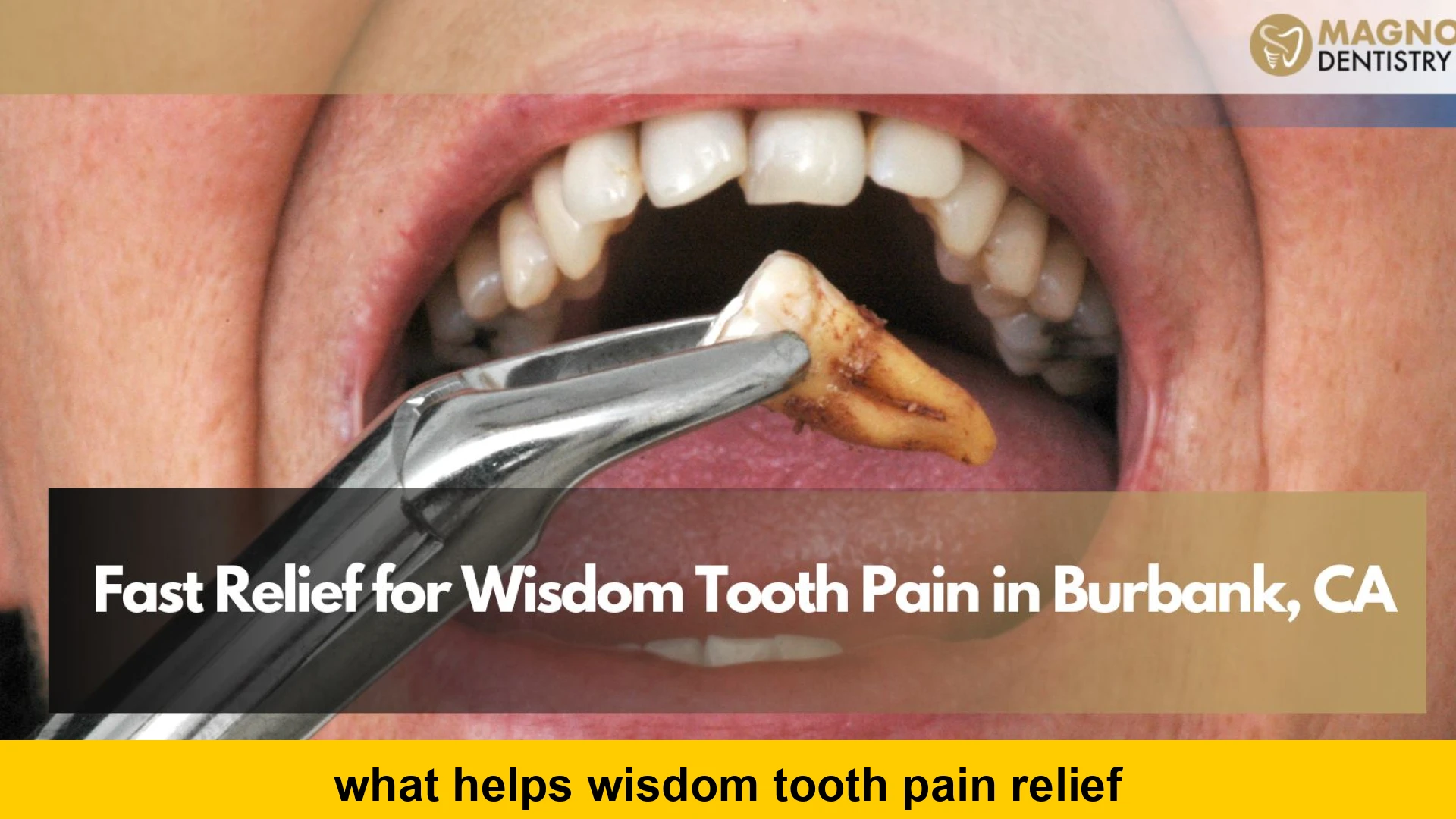
For many individuals, especially those with impacted or problematic wisdom teeth, extraction is the most effective and often the only permanent solution for what helps wisdom tooth pain relief. While the idea of surgery can be daunting, modern dental techniques make wisdom tooth extraction a routine and generally safe procedure. Understanding the process can help alleviate anxiety.
The Wisdom Tooth Extraction Process
The extraction process typically involves a local anesthetic to numb the area, ensuring you don’t feel pain during the procedure. For more complex cases or anxious patients, sedation options like nitrous oxide (laughing gas), oral sedation, or even intravenous (IV) sedation may be offered. The dentist or oral surgeon will then carefully remove the tooth, which may involve making an incision in the gum tissue or removing a small amount of bone.
Steps typically include:
- Consultation and X-rays: To assess the tooth’s position and plan the extraction.
- Anesthesia: Local anesthetic is administered. Sedation options are discussed and applied if chosen.
- Incision (if needed): The gum tissue may be cut to expose the tooth and bone.
- Tooth Removal: The tooth is gently loosened and extracted. Sometimes, the tooth may need to be cut into smaller pieces for easier removal.
- Stitches (if needed): The gum is closed with dissolvable stitches.
- Gauze Placement: Gauze is placed over the extraction site to control bleeding and encourage clot formation.
The entire procedure can take anywhere from a few minutes for a simple extraction to over an hour for complex impactions.
Post-Extraction Care: Ensuring a Smooth Recovery
Proper post-extraction care is crucial for minimizing pain, preventing complications, and ensuring a swift recovery. Your dentist will provide detailed instructions, and following them diligently is key to achieving long-term what helps wisdom tooth pain relief.
Key post-extraction care tips:
- Manage Bleeding: Bite gently on the gauze pads for 30-45 minutes. Replace them as needed until bleeding subsides.
- Pain Management: Take prescribed pain medication or OTC pain relievers as directed.
- Reduce Swelling: Apply an ice pack to the outside of your cheek for 15-20 minutes on, 15-20 minutes off, for the first 24-48 hours.
- Rest: Avoid strenuous activities for at least 24-48 hours. Keep your head elevated when lying down.
- Diet: Stick to soft foods for the first few days (e.g., yogurt, mashed potatoes, soup). Gradually reintroduce solid foods as comfort allows.
- Oral Hygiene: Avoid rinsing your mouth vigorously or spitting for the first 24 hours to prevent dislodging the blood clot. After 24 hours, gently rinse with warm salt water. Brush your teeth carefully, avoiding the extraction site.
- Avoid Smoking and Straws: These can dislodge the blood clot, leading to a painful condition called dry socket.
- Follow-up: Attend any scheduled follow-up appointments with your dentist.
By adhering to these guidelines, you can significantly reduce the risk of complications and ensure a smooth healing process, finally putting an end to your wisdom tooth discomfort.
Preventative Measures and Oral Hygiene for Wisdom Tooth Health
While you might be focused on what helps wisdom tooth pain relief right now, understanding preventative measures can help avoid future flare-ups and maintain overall oral health. Good oral hygiene is paramount, especially when wisdom teeth are present or partially erupted. Regular check-ups are also indispensable.
Maintaining Excellent Oral Hygiene
Even if your wisdom teeth aren’t causing problems, their location at the very back of the mouth makes them challenging to clean. Poor cleaning can lead to plaque buildup, cavities, and gum disease, all of which contribute to wisdom tooth pain.
- Brush Thoroughly: Use a soft-bristled toothbrush and pay extra attention to the back of your mouth, ensuring you reach around your wisdom teeth. Consider a smaller toothbrush head if access is particularly difficult.
- Floss Daily: Flossing around wisdom teeth is crucial to remove trapped food particles and plaque. If you have limited space, an interdental brush or water flosser can be very helpful.
- Antiseptic Mouthwash: Using an antiseptic mouthwash, especially one containing chlorhexidine (prescribed by a dentist for short-term use), can help reduce bacteria and inflammation around partially erupted wisdom teeth.
- Regular Saltwater Rinses: Even without active pain, a daily warm saltwater rinse can help maintain a clean oral environment and prevent bacterial accumulation.
Regular Dental Check-ups and Early Intervention
Preventative dental visits are key to monitoring the development and eruption of your wisdom teeth. Your dentist can take X-rays to assess their position and determine if they are likely to cause problems in the future.
- Early Assessment: Regular X-rays can identify impacted wisdom teeth before they start causing severe pain or damage to adjacent teeth.
- Proactive Planning: If your dentist anticipates problems, they might recommend proactive extraction, potentially avoiding a painful emergency. This forward-thinking approach is a significant part of understanding what helps wisdom tooth pain relief long-term.
- Professional Cleanings: Dental hygienists can reach areas you might miss, reducing the risk of cavities and gum disease around your wisdom teeth.
By consistently practicing good oral hygiene and attending regular dental check-ups, you can significantly reduce your chances of experiencing severe wisdom tooth pain and proactively manage any potential issues. For more insights on general oral health, consider visiting the American Dental Association website, a trusted resource for dental care information.
Managing Wisdom Tooth Pain at Night
Wisdom tooth pain often feels worse at night, perhaps because distractions are fewer, or lying down increases blood flow to the head, intensifying pressure. Finding what to do for wisdom tooth pain at night is crucial for getting restorative sleep. Here are some strategies:
- Elevate Your Head: Sleeping with your head slightly elevated can help reduce blood flow to the inflamed area, potentially easing throbbing pain. Use an extra pillow or two.
- Timed Pain Medication: Take your prescribed or over-the-counter pain medication just before bed. Set an alarm to take another dose in the middle of the night if your pain medication allows for multiple doses and pain typically wakes you up.
- Apply a Cold Compress: Use a cold compress on your jaw before bed. The numbing effect can last for a little while, helping you fall asleep.
- Bedside Saltwater Rinse: Keep a pre-mixed saltwater solution next to your bed. If you wake up with pain, a quick, gentle rinse can help cleanse the area and reduce inflammation.
- Avoid Lying on the Affected Side: Try to sleep on your back or the opposite side of your painful wisdom tooth to avoid direct pressure.
- Distraction Techniques: Sometimes, a quiet podcast, calming music, or meditation can help distract your mind from the pain, making it easier to drift off to sleep.
These tips can offer temporary relief and help you manage what helps wisdom tooth pain relief during the challenging nighttime hours, ensuring you get some much-needed rest.
Dietary Considerations When Dealing with Wisdom Tooth Pain
When your wisdom teeth are causing discomfort, what you eat can significantly impact your pain levels and overall recovery. Choosing the right foods can prevent irritation, reduce chewing effort, and support healing. Conversely, certain foods can exacerbate the pain. Here’s a guide to managing your diet effectively when experiencing wisdom tooth pain.
Foods to Favor for Comfort and Healing
Focus on soft, easy-to-chew foods that require minimal jaw movement. These foods are gentle on inflamed gums and extraction sites, contributing to alleviating wisdom tooth pain.
- Smoothies and Shakes: Packed with nutrients, easy to consume, and can be cooled for soothing effect. Avoid using straws, as the suction can dislodge blood clots post-extraction.
- Yogurt and Pudding: Soft, cool, and require no chewing. Choose plain or low-sugar options.
- Mashed Potatoes or Sweet Potatoes: Cooked and mashed until very smooth.
- Soft Scrambled Eggs: Easy to eat and a good source of protein for healing.
- Cooked Cereals: Oatmeal, cream of wheat, or grits, cooked until very soft.
- Soups (Broth-Based): Warm (not hot) and can provide essential nutrients. Avoid chunky soups that require chewing.
- Pureed Fruits and Vegetables: Applesauce, pureed pumpkin, or soft steamed vegetables.
- Cottage Cheese and Ricotta Cheese: Soft and high in protein.
- Soft Fish: Flaky, tender fish like cod or tilapia, carefully deboned.
Foods to Avoid to Prevent Irritation
Certain foods can irritate your gums, get stuck in the extraction site, or require excessive chewing, making your wisdom tooth pain worse. Steer clear of these:
- Hard, Crunchy Foods: Chips, popcorn, nuts, hard candies, and crunchy vegetables can easily get lodged in the affected area or damage stitches.
- Spicy or Acidic Foods: These can irritate open wounds or inflamed gum tissue, causing burning sensations.
- Sticky Foods: Caramel, taffy, and other sticky candies can pull on stitches or residue in the wound.
- Hot Beverages and Foods: For the first few days after extraction, excessive heat can increase swelling and bleeding. Let foods cool to lukewarm.
- Alcohol: Can interfere with medication and slow down the healing process.
- Grains and Seeds: Small particles can easily get trapped in the extraction socket, potentially leading to infection.
By making conscious dietary choices, you can significantly reduce discomfort and support a quicker, smoother recovery, demonstrating another practical aspect of what helps wisdom tooth pain relief in daily life.
Myths vs. Facts about Wisdom Tooth Pain
There are many misconceptions surrounding wisdom teeth and the pain they cause. Separating myth from fact is important for informed decision-making about what helps wisdom tooth pain relief.
Myth: All wisdom teeth need to be removed.
Fact: Not all wisdom teeth require extraction. If they erupt fully, are healthy, properly aligned, and don’t cause any problems, they can often remain in place. Your dentist will monitor them during regular check-ups.
Myth: Wisdom tooth pain always means impaction.
Fact: While impaction is a common cause, wisdom tooth pain can also be due to pericoronitis (gum infection), cavities, or even pressure from eruption. A dental X-ray is needed to diagnose impaction accurately.
Myth: Over-the-counter pain relievers are enough for long-term relief.
Fact: OTC pain relievers offer temporary relief from symptoms but do not address the root cause of the problem. Relying solely on them can mask a serious issue like an infection or impaction, leading to more severe complications down the line. Professional dental intervention is often necessary for lasting wisdom tooth pain relief.
Myth: You should wait until the pain is unbearable before seeing a dentist.
Fact: This is a dangerous myth. Waiting for unbearable pain can lead to more serious infections, cysts, damage to adjacent teeth, and a more complicated extraction procedure. It’s always best to see a dentist at the first sign of persistent discomfort to prevent escalation.
Myth: Eating soft foods immediately stops wisdom tooth pain.
Fact: While eating soft foods can prevent irritation and provide comfort, it doesn’t eliminate the underlying pain source. It’s a supportive measure, not a cure. However, adopting a soft-food diet is certainly part of what helps wisdom tooth pain relief.
Conclusion: Finding Lasting What Helps Wisdom Tooth Pain Relief
Navigating the discomfort of wisdom tooth pain can be challenging, but with the right information and approach, effective relief is within reach. We’ve explored a range of options, from immediate home remedies like saltwater rinses and clove oil to over-the-counter medications that offer significant temporary relief. We’ve also emphasized the critical importance of professional dental evaluation and intervention for addressing the root cause of your pain.
Remember, while home remedies and OTC solutions are excellent for managing symptoms, they are not substitutes for professional dental care. Persistent pain, spreading swelling, fever, or difficulty opening your mouth are clear signals that you need to see a dentist without delay. They can accurately diagnose the issue, whether it’s an impaction, infection, or other complication, and recommend the most appropriate permanent solution, often involving extraction.
By combining careful self-care with timely professional consultation, you can move from suffering to lasting comfort. Prioritize your oral health, listen to your body, and don’t hesitate to seek expert advice. Understanding what helps wisdom tooth pain relief comprehensively means embracing both immediate comfort measures and long-term dental solutions. Take proactive steps today to ensure a healthier, pain-free smile. For more tips on maintaining excellent oral hygiene, you can visit our Dental Hygiene Basics post or explore our guide on Managing Post-Extraction Recovery.