
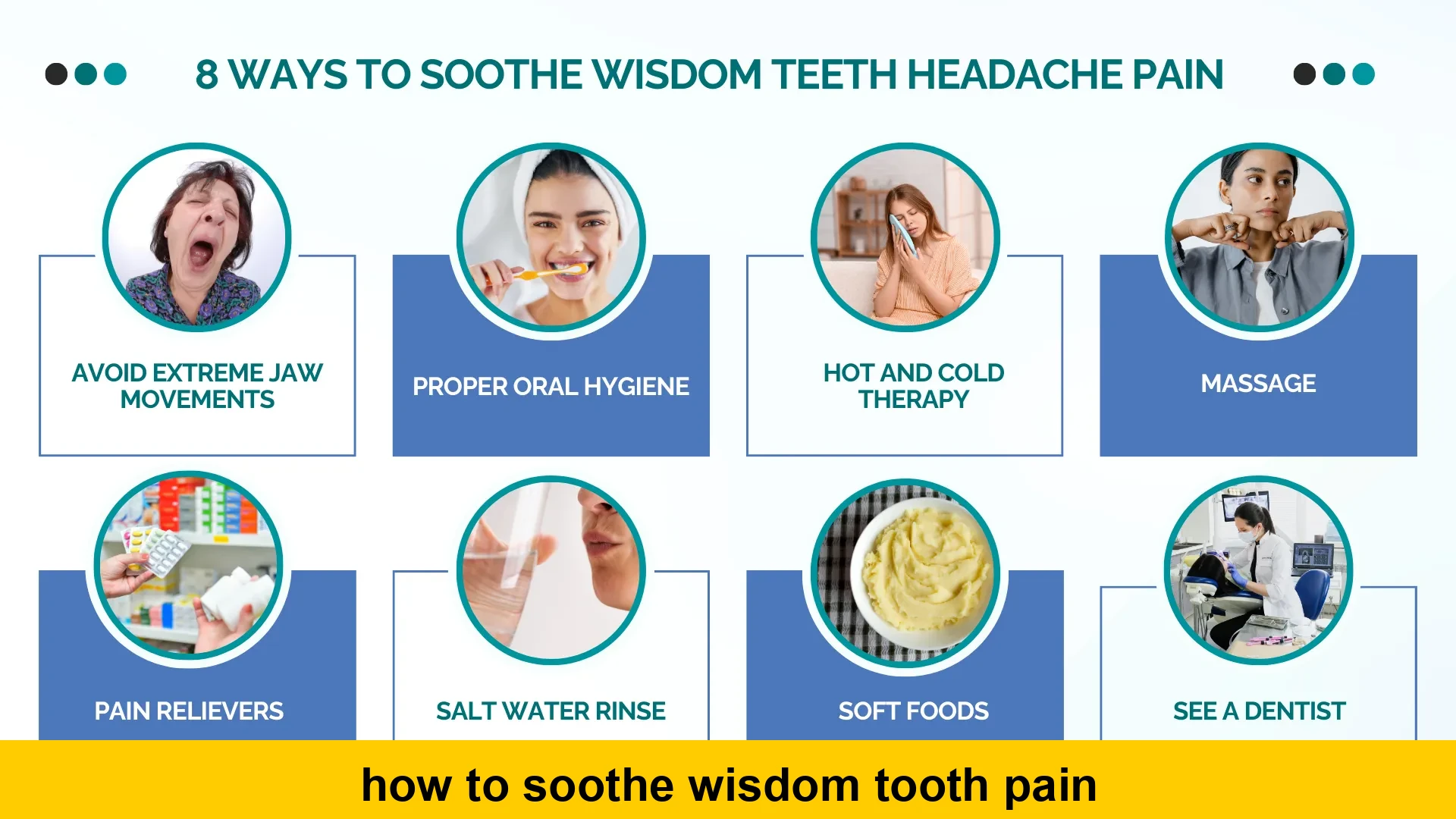
Wisdom tooth pain can strike unexpectedly, bringing with it a throbbing ache, swelling, and significant discomfort that can disrupt your daily life. Whether your wisdom teeth are just erupting, partially impacted, or causing an infection, finding effective ways to manage the pain is often a top priority. This comprehensive guide will walk you through various strategies on how to soothe wisdom tooth pain, from immediate home remedies to understanding when professional dental intervention is necessary. We’ll explore practical steps you can take to alleviate discomfort, reduce inflammation, and improve your overall well-being while navigating this common dental issue.
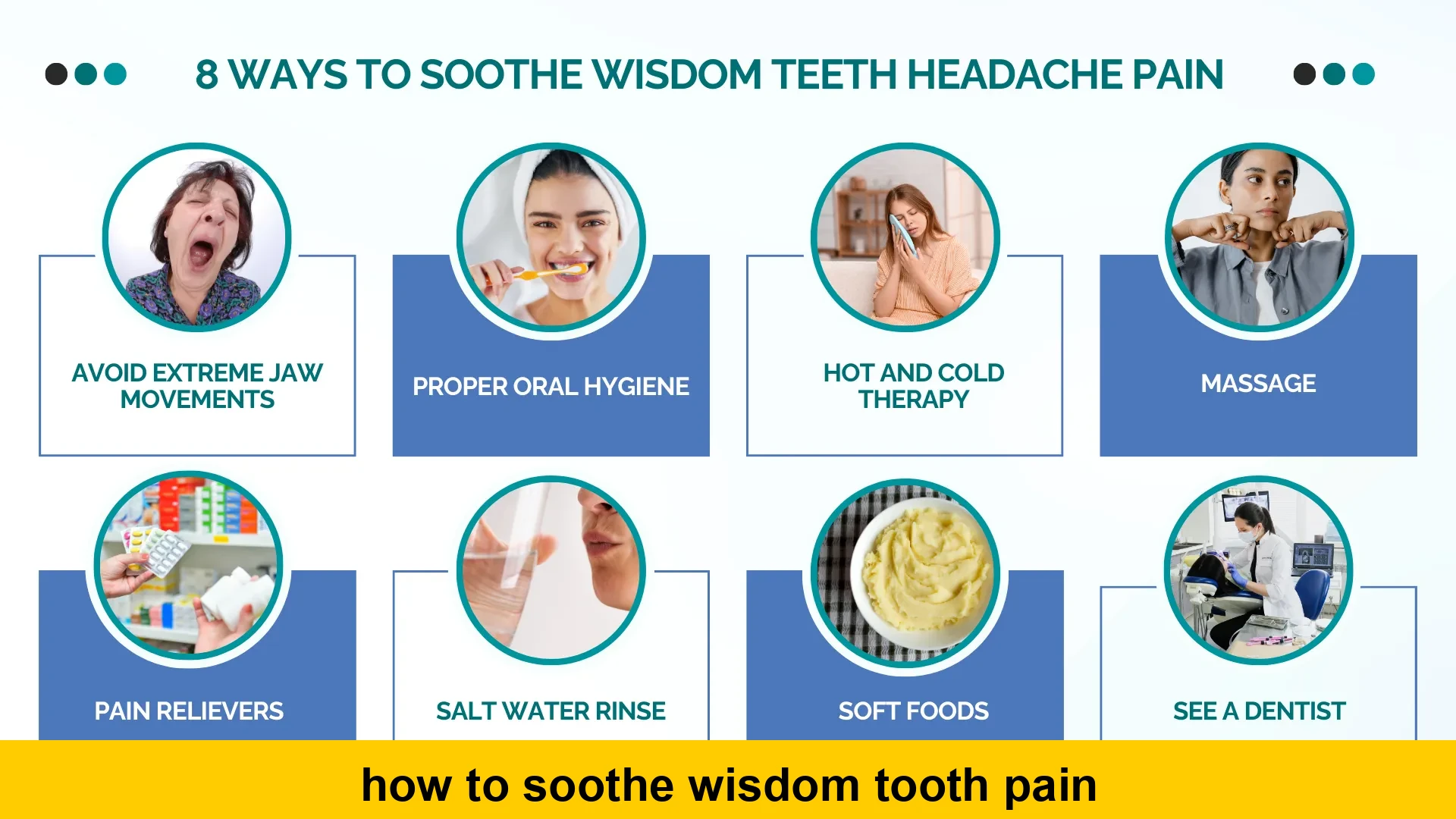
Many individuals experience some form of wisdom tooth discomfort at different stages of their lives. These third molars typically emerge between the ages of 17 and 25, and often, there isn’t enough space in the jaw for them to erupt properly. This lack of space can lead to a host of problems, including pain, swelling, and even infection. Understanding the underlying causes of your discomfort is the first step toward finding the most effective methods for pain relief.
Understanding the Causes of Wisdom Tooth Pain
Before diving into remedies, it’s helpful to understand why your wisdom tooth might be causing pain. The primary culprit is often impaction, where the tooth is unable to fully emerge through the gum line. It might be growing at an angle, horizontally, or stuck beneath the gum and bone. This can put pressure on neighboring teeth and the jawbone, leading to considerable discomfort.
Another common cause is pericoronitis, an inflammation of the gum tissue surrounding a partially erupted wisdom tooth. Food particles and bacteria can easily get trapped under the gum flap, creating an ideal breeding ground for infection. This can lead to localized pain, swelling, a foul taste in your mouth, and even difficulty opening your mouth.
Sometimes, wisdom teeth can also cause cavities in themselves or adjacent molars if they’re difficult to clean due to their awkward position. A cavity can lead to tooth sensitivity and pain, which might be mistaken for eruption pain. Identifying the specific source of your pain will help you choose the most appropriate methods on how to soothe wisdom tooth pain effectively.
Identifying the Symptoms of Aching Wisdom Teeth
The symptoms of wisdom tooth pain can vary, but typically include a dull ache or sharp throbbing pain in the back of your jaw. You might also notice swelling and tenderness in the gum surrounding the affected tooth. Difficulty opening your mouth, a bad taste in your mouth, or even a fever can indicate an infection.
Some people experience headaches or earaches as a referred pain from their wisdom teeth. It’s crucial to pay attention to these symptoms and seek professional advice if they become severe or persist. Knowing what to do for aching wisdom teeth involves not just pain management but also understanding when it’s time to see a dentist.
Immediate Home Remedies: How to Soothe Wisdom Tooth Pain Naturally
When wisdom tooth pain strikes, your first instinct is often to find quick relief at home. Fortunately, several natural remedies can help alleviate the discomfort temporarily. These methods can be particularly helpful while you wait for a dental appointment or if the pain is mild to moderate.
1. Saltwater Rinse: A Classic for Oral Hygiene and Pain Relief
A warm saltwater rinse is one of the simplest yet most effective home remedies for tooth pain. Salt acts as a natural disinfectant, helping to kill bacteria and reduce inflammation. It can also help dislodge food particles trapped around the wisdom tooth, which might be contributing to the irritation and pain.
To prepare, dissolve half a teaspoon of salt in a glass of warm water. Swish the solution around your mouth for about 30 seconds, focusing on the affected area, then spit it out. Repeat this process several times a day, especially after meals and before bed. This is a crucial step if you’re looking for ways to relieve wisdom tooth pain naturally and maintain oral hygiene.
2. Cold Compress: Reducing Swelling and Numbing Pain
Applying a cold compress to the outside of your jaw can significantly help reduce swelling and numb the area, offering temporary relief from a sore wisdom tooth. The cold constricts blood vessels, which helps to minimize inflammation and reduce the sensation of pain.
Wrap an ice pack or a bag of frozen vegetables in a clean cloth and apply it to the affected side of your face for 15-20 minutes. You can repeat this every few hours. This method is particularly effective for immediate relief for wisdom tooth gum pain and can help manage swelling and throbbing.
3. Clove Oil: Nature’s Anesthetic
Clove oil has been used for centuries as a natural pain reliever for toothaches due to its active ingredient, eugenol, which has antiseptic and anesthetic properties. It can provide substantial relief from tooth discomfort.
Carefully apply a small amount of clove oil to a cotton ball and gently dab it directly onto the aching wisdom tooth and surrounding gum. Hold it there for a few minutes. You might experience a slight burning sensation initially, but it should soon give way to a numbing effect. If you don’t have clove oil, ground cloves can also be used by placing them directly on the tooth, but be careful not to swallow them. This is often cited as one of the best remedies for wisdom tooth discomfort.
4. Peppermint Tea Bags: Soothing and Anti-Inflammatory
Peppermint has soothing properties and can help numb the painful area. Brew a cup of peppermint tea and allow the tea bag to cool down significantly, or even place it in the freezer for a few minutes until it’s slightly chilled. Once cool, place the tea bag directly on the affected gum for about 20 minutes. This can help reduce swelling and provide a calming sensation, making it a good option for how to calm wisdom tooth pain naturally.
5. Garlic: A Natural Antibiotic
Garlic is known for its antibacterial and anti-inflammatory properties. Crushing a clove of garlic releases allicin, which can help kill bacteria that might be causing an infection and reduce inflammation. For this remedy, crush a fresh garlic clove to form a paste and apply it directly to the affected wisdom tooth. You can also chew a clove of garlic slowly in the area of pain, though some find the taste too intense. This method can offer some natural relief and act as an interim solution for a sore wisdom tooth.
6. Vanilla Extract: A Sweet Relief
Vanilla extract contains alcohol, which can act as a mild anesthetic, providing temporary numbing. It also has antioxidant properties. Put a small amount of vanilla extract on a cotton ball or a clean finger and apply it directly to the painful area. Repeat as needed throughout the day. This can be a gentle way to get rid of wisdom tooth ache for a short period.
7. Cucumber Slices: Cool and Calming
If you’re looking for something gentle, a chilled cucumber slice can provide a refreshing and numbing effect. Cut a slice of fresh cucumber, chill it in the refrigerator, and then place it directly on the sore wisdom tooth or gum. The coolness can help reduce inflammation and provide temporary relief from sensitivity and pain. It’s a simple, non-invasive method that many find helpful for managing wisdom tooth discomfort at home.
Over-the-Counter Solutions for Wisdom Tooth Discomfort
Beyond home remedies, there are several readily available over-the-counter (OTC) medications that can provide effective relief from wisdom tooth pain and inflammation. These options are often stronger and more consistent in their effects than natural remedies, making them a good choice for moderate pain.
1. Non-Steroidal Anti-Inflammatory Drugs (NSAIDs)
NSAIDs like ibuprofen (Advil, Motrin) and naproxen (Aleve) are highly effective in reducing both pain and inflammation. They work by blocking enzymes that contribute to pain and swelling. Taking these medications as directed on the packaging can provide significant relief from the throbbing pain associated with wisdom teeth.
It’s important to follow the dosage instructions carefully and consult with a pharmacist or doctor if you have any underlying health conditions or are taking other medications. These are often recommended as the best over-the-counter for wisdom tooth pain, especially for managing inflammation.
2. Acetaminophen (Tylenol)
Acetaminophen is another common pain reliever that can help reduce pain, although it doesn’t have the same anti-inflammatory properties as NSAIDs. It can be a good option if you cannot take NSAIDs due to medical reasons. Always adhere to the recommended dosage to avoid potential side effects. Many find a combination of NSAIDs and acetaminophen (taken at different times) can offer comprehensive pain relief, but always consult with a healthcare professional before combining medications.
3. Topical Numbing Gels
Over-the-counter topical gels containing benzocaine (like Orajel or Anbesol) can provide temporary, localized numbing of the gums around the wisdom tooth. These gels work by blocking nerve signals in the area where they are applied. Simply apply a small amount directly to the affected gum with a clean finger or cotton swab.
While effective for short-term relief, they are not a long-term solution and should be used sparingly as directed. They are particularly useful for immediate relief for wisdom tooth gum pain before you can see a dentist.
Actionable Steps to Manage Swelling and Inflammation
Managing the physical symptoms like swelling and inflammation is key to finding comfort. Beyond pain relief, these steps focus on reducing the body’s inflammatory response and preventing further irritation.
Maintain Excellent Oral Hygiene, Especially Around the Sore Wisdom Tooth
Even though brushing a painful area can be challenging, it’s vital to keep the area around your wisdom tooth clean. Food particles and bacteria thrive in neglected areas, exacerbating inflammation and potentially leading to infection. Gently brush the area with a soft-bristled toothbrush. Use a good quality mouthwash (preferably alcohol-free) or continue with saltwater rinses after every meal.
This diligence helps prevent plaque buildup and bacterial growth, which are significant contributors to pericoronitis. Good oral hygiene is paramount in figuring out how to manage wisdom tooth discomfort at home and preventing it from worsening.
Elevate Your Head When Sleeping
If you’re experiencing swelling, elevating your head slightly while sleeping can help reduce fluid accumulation in the head and neck area. Use an extra pillow or two to prop up your head. This simple positional change can minimize morning swelling and decrease the pressure that might be contributing to your wisdom tooth pain.
Choose a Soft Diet
While your wisdom tooth is causing pain, avoid hard, crunchy, or chewy foods that require a lot of chewing effort. Opt for a soft diet consisting of foods like yogurt, mashed potatoes, soups, smoothies, and scrambled eggs. This minimizes irritation to the inflamed area and prevents food particles from getting trapped in the gum flap, which can worsen pain and increase the risk of infection. It’s an important part of natural ways to reduce wisdom tooth swelling.
Also, try to avoid very hot or very cold foods and drinks, as extreme temperatures can sometimes exacerbate sensitivity in an already sore tooth. Eating on the opposite side of your mouth from the affected tooth can also help reduce direct pressure and irritation.
When to Seek Professional Dental Help for Wisdom Tooth Pain
While home remedies and OTC pain relievers can offer temporary relief, it’s crucial to understand that they do not address the underlying cause of wisdom tooth pain. Persistent or severe pain, accompanied by certain symptoms, is a clear indicator that you need to consult a dentist.
You should make an urgent dental appointment if you experience any of the following:
- Severe, throbbing pain that doesn’t respond to home remedies or OTC medication.
- Significant swelling of your jaw or face.
- Difficulty opening your mouth or chewing.
- Fever, chills, or general malaise, which could indicate a spreading infection.
- Pus or discharge around the wisdom tooth.
- Difficulty swallowing or breathing, which are signs of a serious infection.
Ignoring these symptoms can lead to more serious complications, including widespread infection, damage to adjacent teeth, or cysts. A dental professional can accurately diagnose the issue and recommend the most appropriate course of action, which often includes extraction. This is the ultimate answer to what helps wisdom tooth pain before extraction.
What to Expect During a Dental Consultation
When you visit your dentist for wisdom tooth pain, they will conduct a thorough examination of your mouth and usually take X-rays. These X-rays are crucial for assessing the position of your wisdom teeth, whether they are impacted, and if they are affecting nearby teeth or nerves.
Based on their findings, your dentist will discuss the best treatment options. This might range from cleaning the inflamed gum tissue, prescribing antibiotics for an infection, to recommending wisdom tooth extraction. They will explain the procedure, potential risks, and what to expect during recovery. For more information on oral health and when to seek dental care, you can visit resources like the American Dental Association.
Managing Pain After Wisdom Tooth Extraction
If extraction is deemed necessary, pain management doesn’t stop once the tooth is out. Your dentist will provide specific post-operative instructions to minimize discomfort and promote healing. These instructions are vital for a smooth recovery and to prevent complications like dry socket.
Typically, post-extraction care involves:
- Taking prescribed pain medication as directed.
- Applying ice packs to reduce swelling.
- Eating soft foods.
- Avoiding strenuous activity.
- Gently rinsing with saltwater (usually after 24 hours).
- Avoiding smoking or using straws, as suction can dislodge the blood clot.
Following these guidelines meticulously is just as important as knowing how to soothe wisdom tooth pain initially. Your dentist will schedule follow-up appointments to ensure proper healing and address any concerns you may have.
Preventative Measures and Long-Term Considerations
While waiting for a dental appointment or if your dentist has decided to monitor your wisdom teeth, there are proactive steps you can take to minimize future pain and complications.
Consistent and Thorough Oral Hygiene
Regular brushing and flossing are your best defense against plaque buildup and infection. Pay extra attention to the back of your mouth where wisdom teeth are located, even if they are difficult to reach. Using an antiseptic mouthwash can also help reduce bacteria and inflammation.
Consider using an interdental brush or water flosser to clean around partially erupted wisdom teeth more effectively. Keeping the area clean significantly reduces the risk of pericoronitis and tooth decay. This consistent effort is vital for long-term strategies on how to soothe wisdom tooth pain.
Regular Dental Check-ups
Routine dental visits allow your dentist to monitor the development and eruption of your wisdom teeth. Early detection of potential problems can prevent severe pain and complications. Your dentist can recommend preventative measures or timely extraction if necessary, before the situation escalates.
These check-ups are also an opportunity to discuss any persistent discomfort, even if it’s mild. Being proactive with your dental health is the best way to avoid severe wisdom tooth discomfort in the long run.
Avoid Irritating Foods
As mentioned earlier, a soft diet is beneficial when in pain. Even when not experiencing acute pain, being mindful of your diet can help. Avoiding overly hard, sticky, or sugary foods can reduce the strain on your wisdom teeth and prevent food particles from getting trapped, which can irritate the gums.
This proactive dietary choice is part of managing overall oral health and can contribute to preventing the conditions that lead to sudden wisdom tooth pain. It’s all part of the holistic approach to how to soothe wisdom tooth pain and prevent its recurrence.
Don’t Ignore Early Warning Signs
Even mild, intermittent discomfort or a slight tenderness in the back of your jaw should not be ignored. These can be early warning signs that your wisdom teeth are causing issues. Addressing these minor symptoms promptly with your dentist can prevent them from escalating into severe pain or infection. Early intervention is always better than waiting until the pain becomes unbearable. For related advice on general toothache relief, you might find our guide on toothache relief tips helpful.
Consider Pain Management Techniques
Beyond medication, some individuals find relief through stress-reduction techniques. Stress can sometimes exacerbate pain perception. Practicing mindfulness, meditation, or gentle yoga can help manage the psychological aspect of chronic discomfort, including the ways to stop wisdom tooth throbbing. While these don’t treat the physical cause, they can improve your coping mechanisms.
Additionally, ensuring adequate rest allows your body to focus its energy on healing and recovery, which can indirectly aid in reducing inflammation and pain around the wisdom tooth area.
Holistic Approaches and Other Considerations
Some people explore other complementary therapies, though these should always be discussed with a healthcare professional and not replace conventional dental care. Herbal remedies like chamomile or turmeric, known for their anti-inflammatory properties, are sometimes considered. However, evidence for their direct effectiveness on wisdom tooth pain is limited, and they may interact with medications. Always prioritize scientifically backed methods and professional dental advice.
Staying hydrated is also important for overall health and can help maintain a healthy oral environment, especially when dealing with any form of oral inflammation. Drinking plenty of water can help flush out food particles and bacteria, indirectly contributing to ways to relieve wisdom tooth pain.
The Role of Good Posture and Jaw Alignment
While not a direct remedy for wisdom tooth pain, maintaining good posture and being mindful of jaw alignment can indirectly help reduce overall strain on your temporomandibular joint (TMJ) and surrounding muscles. Sometimes, tension in the jaw muscles can amplify the discomfort originating from wisdom teeth. Gentle jaw exercises, if approved by your dentist, might also offer some relief from muscle soreness. Understanding these broader connections can contribute to a more holistic approach in how to soothe wisdom tooth pain.
The Importance of Professional Guidance
It’s vital to reiterate that while these home remedies and OTC solutions can provide temporary comfort, they are not substitutes for professional dental advice. Wisdom tooth pain, especially if it’s severe or recurrent, almost always indicates an underlying problem that requires a dentist’s expertise. Ignoring the problem can lead to serious complications, including significant infection, damage to adjacent teeth, or even cysts and tumors in the jaw.
Your dentist can correctly diagnose the issue using X-rays and recommend the most appropriate course of treatment, which may include extraction. They can also prescribe stronger pain relievers or antibiotics if an infection is present. Always prioritize consulting with a dental professional for ongoing or severe wisdom tooth pain. Our comprehensive guide on dental emergencies can provide more context on when immediate professional care is critical.
Conclusion: Empowering Yourself Against Wisdom Tooth Pain
Experiencing wisdom tooth pain can be an incredibly unpleasant ordeal, but armed with the right knowledge and tools, you can effectively manage the discomfort and take proactive steps towards relief. From simple yet effective home remedies like saltwater rinses and cold compresses to over-the-counter pain relievers such as NSAIDs and topical gels, there are numerous immediate strategies on how to soothe wisdom tooth pain. Remember the importance of maintaining impeccable oral hygiene and adopting a soft diet to minimize irritation.
Crucially, understand that while these methods offer temporary respite, they do not replace professional dental care. Persistent pain, severe swelling, or signs of infection warrant an immediate visit to your dentist. They can diagnose the root cause and provide the definitive treatment, often extraction, ensuring your long-term oral health. By combining self-care with timely professional intervention, you can navigate wisdom tooth discomfort with confidence, achieving lasting relief and maintaining a healthy smile.