
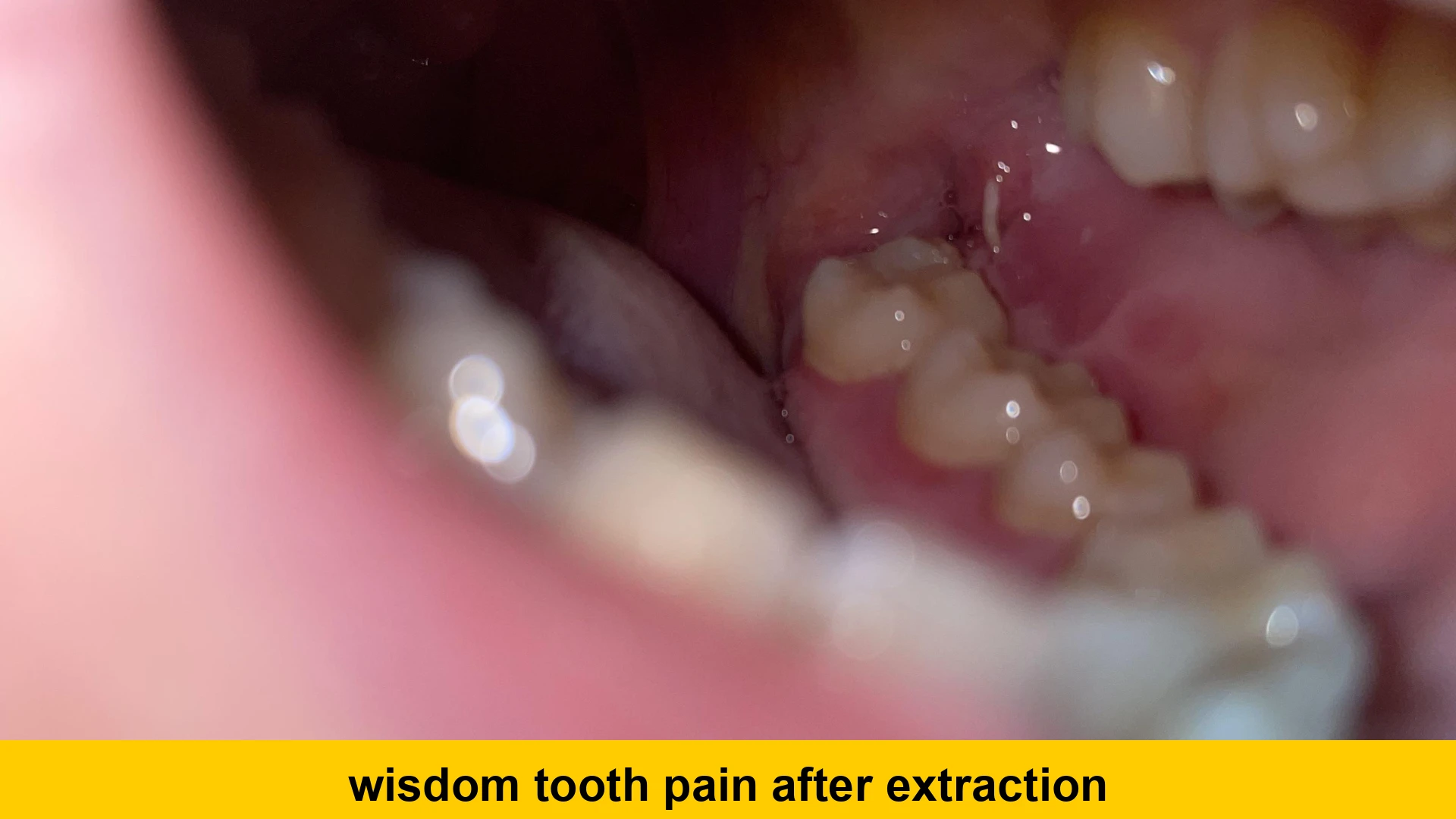
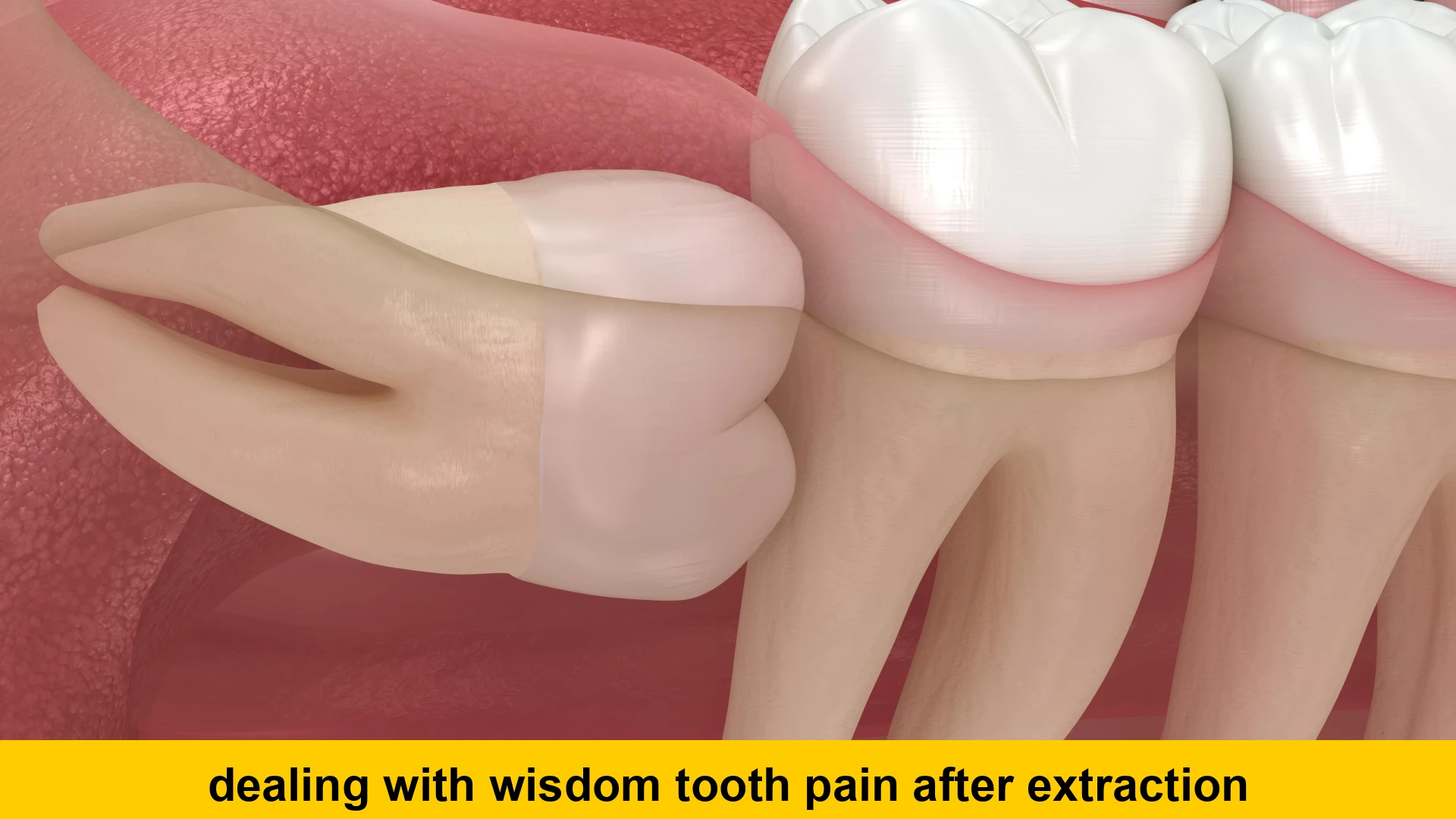
Undergoing wisdom tooth extraction is a common dental procedure, often necessary to prevent future complications like impaction, overcrowding, or infection. While the extraction itself is performed under anesthesia, the real journey for many begins after the numbness wears off: grappling with wisdom tooth pain after extraction. It’s a discomfort that can range from a dull ache to a sharp throb, and understanding how to effectively manage it is crucial for a smooth and speedy recovery. This comprehensive guide is designed to empower you with the knowledge and strategies for dealing with wisdom tooth pain after extraction, ensuring you navigate your recovery with confidence and minimal discomfort.
Many patients feel anxious about the post-operative period, and rightfully so. The thought of enduring significant discomfort can be daunting. However, with proper preparation, adherence to your oral surgeon’s instructions, and a clear understanding of what to expect, managing pain after wisdom tooth surgery becomes a much more manageable task. We’ll delve into the causes of this pain, explore various relief strategies, discuss potential complications, and provide actionable steps to help you on your healing journey.
Understanding Wisdom Tooth Pain Post Extraction: What’s Normal and What’s Not
It’s important to differentiate between expected post-operative discomfort and signs that might indicate a complication. Some degree of wisdom tooth pain post extraction is absolutely normal. Your body has undergone a surgical procedure, and the healing process naturally involves some inflammation and soreness. This pain typically peaks within the first 24-48 hours and gradually subsides over the following days.
The intensity of pain can vary greatly from person to person, influenced by factors such as the complexity of the extraction (e.g., impacted teeth requiring more extensive surgery), individual pain tolerance, and adherence to post-operative care instructions. Generally, you might experience a dull ache, throbbing, or pressure around the extraction site. Swelling, bruising, and some jaw stiffness are also common companions to pain after wisdom teeth removed.
While discomfort is expected, certain types of pain or changes in pain levels can signal an issue. For instance, severe, unremitting pain that worsens instead of improving after a few days, or pain that radiates to your ear or neck, warrants immediate attention. We will explore these warning signs in more detail later, but for now, remember that while some pain is normal, debilitating or worsening pain is not.
The goal is always to achieve effective relief for wisdom tooth extraction pain, allowing you to rest and recover properly. By understanding the typical progression of pain and knowing what to look out for, you’ll be better equipped to manage your recovery.
Immediate Steps for Dealing with Wisdom Tooth Pain After Extraction
The moments immediately following your wisdom tooth extraction are crucial for setting the stage for pain management. Your oral surgeon will provide specific instructions, and following these diligently is your first and most important step in dealing with wisdom tooth pain after extraction.
Firstly, Bite on Gauze: You’ll likely leave the office biting on a gauze pad. Maintain firm, continuous pressure for at least 30-60 minutes, or as instructed. This helps to form a blood clot, which is essential for healing and preventing complications like dry socket. Change the gauze as needed, but avoid excessive spitting or rinsing, as this can dislodge the clot.
Secondly, Medication is Key: Start taking prescribed pain medication or recommended over-the-counter pain relievers as soon as you get home, before the local anesthesia completely wears off. This proactive approach helps to stay ahead of the pain rather than trying to catch up once it becomes severe. For many, a combination of prescription pain relievers (if prescribed) and over-the-counter anti-inflammatory drugs like ibuprofen can be highly effective for pain medication for wisdom tooth surgery.
Thirdly, Apply Ice Packs: Swelling is a major contributor to discomfort. Apply ice packs to the outside of your face, over the extraction site, for 15-20 minutes on and 15-20 minutes off, for the first 24-48 hours. This helps to reduce swelling and can significantly lessen post-extraction wisdom tooth discomfort. Think of it as a cooling embrace for your inflamed tissues.
Fourthly, Rest and Elevate Your Head: Get plenty of rest. Avoid strenuous activities for at least 24-48 hours, or longer if advised. When resting or sleeping, elevate your head with extra pillows. This helps to reduce swelling and prevent bleeding.
Lastly, Hydrate and Eat Soft Foods: Hydration is vital for healing, but avoid using straws as the suction can dislodge the blood clot. Stick to soft, cool foods initially, gradually introducing more solid foods as comfort allows. Avoiding hard, chewy, or spicy foods will prevent irritation to the extraction site.
Effective Strategies for Dealing with Wisdom Tooth Pain After Extraction
Beyond the immediate post-operative steps, a multi-faceted approach is often the most effective for truly dealing with wisdom tooth pain after extraction. This involves combining pharmacological solutions with practical home care methods.
1. Pain Medication Management: A Cornerstone of Relief
Your dentist or oral surgeon will provide specific instructions regarding pain medication. This might include a prescription for stronger pain relievers, especially if your extraction was complex or if you anticipate significant pain. Always take medications exactly as prescribed and do not exceed the recommended dosage.
For many, over-the-counter (OTC) options are quite effective. Non-steroidal anti-inflammatory drugs (NSAIDs) like ibuprofen (e.g., Advil, Motrin) are particularly helpful as they not only reduce pain but also target inflammation, a major component of post-surgical discomfort. Acetaminophen (e.g., Tylenol) can also be used, sometimes in conjunction with ibuprofen, but be careful not to exceed the daily limit of either medication. Combining an NSAID and acetaminophen can often provide superior relief for wisdom tooth extraction pain compared to using either alone, but consult your dentist first.
Remember to take pain medications with food to prevent stomach upset. If you experience any adverse reactions to your medication, contact your dental professional immediately. Proper management of pain medication for wisdom tooth surgery is paramount for a comfortable recovery.
2. Cold and Heat Therapy: Reducing Swelling and Soreness
As mentioned, cold therapy is essential in the first 24-48 hours to minimize swelling after wisdom tooth removal. Use ice packs wrapped in a cloth on the outside of your cheek, near the extraction site. Apply for 15-20 minutes, then remove for 15-20 minutes, repeating this cycle frequently.
After the initial 48 hours, if swelling persists or if you experience jaw stiffness and muscle soreness, you can switch to gentle moist heat. Applying a warm, moist towel to the area for 20 minutes at a time can help increase blood flow, relax muscles, and soothe discomfort. This can be particularly beneficial for `best ways to reduce swelling and pain after wisdom tooth removal` in the later stages of recovery.
3. Oral Hygiene: Gentle Cleaning for Healing
Maintaining good oral hygiene is critical to prevent infection, but it must be done gently. For the first 24 hours, avoid rinsing or spitting vigorously. After 24 hours, you can gently rinse your mouth with a warm salt water solution (1/2 teaspoon of salt in 8 ounces of warm water) 2-3 times a day, especially after meals. This helps to clean the area and promote healing. Do not spit forcefully; instead, let the water gently fall out of your mouth.
Continue to brush your teeth, but be very careful around the extraction site. Avoid direct brushing of the wound for the first few days. Your dentist might provide a special syringe for gentle irrigation of the socket after the initial healing period, which helps remove food debris. This gentle approach to oral hygiene is key in preventing complications that could exacerbate pain after wisdom teeth removed.
4. Diet and Hydration: Fueling Your Recovery
What you eat and drink significantly impacts your comfort and healing. Stick to soft, easy-to-chew foods for the first few days. Examples include yogurt, applesauce, mashed potatoes, well-cooked pasta, scrambled eggs, and smoothies (without a straw!). Gradually reintroduce firmer foods as your comfort level improves.
Avoid foods that are crunchy, hard, chewy, spicy, or extremely hot. These can irritate the wound, dislodge the blood clot, or get stuck in the socket, leading to more post-extraction wisdom tooth discomfort. Staying well-hydrated is also essential for overall health and healing, but remember the no-straw rule to prevent dry socket.
To help with `how to manage pain when eating after wisdom tooth extraction`, try to eat smaller, more frequent meals. Chew on the opposite side of your mouth from the extraction site whenever possible. This minimizes pressure on the healing area and helps prevent food particles from entering the socket.
5. Rest and Activity: Prioritizing Healing
Rest is not a luxury; it’s a critical component of recovery. Your body expends a lot of energy healing, and vigorous physical activity can increase blood pressure, potentially leading to bleeding or dislodging the blood clot. Avoid heavy lifting, bending over, or strenuous exercise for at least a week, or as advised by your surgeon.
Listen to your body. If an activity causes pain or makes you feel tired, stop. This period of reduced activity is crucial for allowing your body to focus its energy on healing and reducing wisdom tooth pain after extraction.
Navigating the Recovery Timeline: How Long Does Wisdom Tooth Pain Last After Extraction?
One of the most common questions patients ask is, "How long does wisdom tooth pain last after extraction?" While individual experiences vary, there’s a general timeline for wisdom tooth recovery timeline you can expect.
Days 1-3: Peak Discomfort and Swelling. This is typically when pain after wisdom teeth removed is at its highest. Swelling will also be noticeable. You should be diligently using ice packs and taking prescribed or recommended pain medication. Bleeding should have largely stopped within the first 24 hours. This is the period where most people require the most aggressive pain management.
Days 4-7: Gradual Improvement. After the initial peak, you should start to notice a significant decrease in pain and swelling. You might transition from prescription pain relievers to over-the-counter options. Jaw stiffness should also begin to ease. Eating softer foods will still be important, but you may be able to introduce more variety. If you’re wondering, "Is it normal to have pain 5 days after wisdom tooth extraction?" The answer is yes, some lingering discomfort is normal, but it should be considerably less severe than in the first few days and steadily improving. If the pain is worsening, it could be a sign of a complication like a dry socket or infection.
Week 2: Continued Healing. By the end of the first week or beginning of the second, most significant pain should have resolved. Any remaining swelling or bruising should be minimal. You should be able to resume most normal activities, although strenuous exercise might still be restricted. The soft tissue will be largely healed, and the socket will begin to fill with new bone.
Weeks 3-4 and Beyond: Full Recovery. While the initial discomfort resolves quickly, complete bone remodeling and full healing of the socket can take several weeks to months. However, you should not experience significant pain during this period. Your jaw will regain its full range of motion, and you’ll be able to eat normally again. If you’re still experiencing significant post-extraction wisdom tooth discomfort beyond two weeks, it’s definitely time to consult your dentist.
Remember that this is a general guideline. Complex extractions, such as those involving impacted teeth, might have a slightly longer recovery period and potentially more initial relief for wisdom tooth extraction pain may be needed. Always follow your oral surgeon’s specific post-operative instructions, as they are tailored to your individual case. For additional information on dental procedures and aftercare, you can refer to authoritative sources like the American Dental Association (ADA) for comprehensive guidelines.
Recognizing Complications: When to Seek Professional Help for Wisdom Tooth Pain After Extraction
While most recoveries from wisdom tooth extraction are straightforward, complications can arise. Knowing the signs to look out for is crucial, especially when dealing with wisdom tooth pain after extraction, as early detection and treatment can prevent more serious issues. If you experience any of the following, contact your dentist or oral surgeon immediately.
1. Dry Socket (Alveolar Osteitis)
A dry socket is one of the most common and painful complications, occurring when the blood clot that forms in the extraction site either dislodges or dissolves prematurely, exposing the underlying bone and nerves. It typically develops 3-5 days after the extraction, often when initial pain was improving, then suddenly worsens.
Key dry socket symptoms include:
- Severe, throbbing pain that radiates to your ear, eye, temple, or neck. This pain is significantly worse than normal post-operative discomfort.
- An unpleasant taste or odor coming from the mouth.
- A visible empty socket (you might see bone instead of a dark blood clot).
- Pain that is not relieved by regular pain medication.
If you suspect a dry socket, it’s vital to seek dental attention. Your dentist can irrigate the socket, pack it with medicated gauze to provide relief, and instruct you on how to manage the pain until it heals. Understanding "can dry socket cause throbbing pain after wisdom tooth extraction" is key, as this throbbing is a classic indicator.
2. Infection
Bacterial infection at the extraction site is another potential complication. While antibiotics may be prescribed proactively in some cases, an infection can still develop. Signs of infection after wisdom tooth extraction usually appear a few days to a week after surgery and include:
- Increasing or persistent pain and swelling.
- Fever or chills.
- Pus or discharge from the extraction site.
- Redness and warmth around the area.
- Swollen lymph nodes in the neck.
If an infection is suspected, your dentist will likely prescribe antibiotics and may clean the extraction site. Untreated infections can spread and become more serious, so prompt attention is crucial.
3. Nerve Damage (Paresthesia)
Though rare, nerve damage can occur, especially if the wisdom tooth roots are very close to a major nerve (the inferior alveolar nerve). This can result in numbness, tingling, or altered sensation in the lip, chin, tongue, or gums. This condition, called paresthesia, is usually temporary, resolving within a few weeks or months. In very rare cases, it can be permanent.
If you experience persistent numbness or tingling beyond what is expected from the local anesthetic, report it to your surgeon. Early detection allows for monitoring and, in some cases, intervention.
4. Excessive Bleeding
Some oozing of blood is normal after extraction. However, if bleeding is heavy, persistent, and not controlled by biting firmly on gauze, you should contact your oral surgeon. Excessive blood loss can be alarming and may require further intervention to stop it.
5. What to Do for Severe or Persistent Pain
If you find yourself asking "what to do for severe pain after wisdom tooth extraction" or experiencing pain that is not improving, is getting worse, or is accompanied by other concerning symptoms (like fever, pus, or foul odor), do not hesitate to contact your dental professional. They are the best resource to assess your situation and provide appropriate guidance or treatment.
Understanding "when to worry about pain after wisdom tooth extraction" empowers you to take action. It means trusting your instincts: if something feels wrong or is significantly beyond the expected discomfort, it probably warrants a professional check-up. Never try to self-diagnose or delay seeking help, especially with potential complications like dry socket or infection. You can also read more about post-operative care and potential issues on our blog, specifically about maintaining oral health after surgery, for further insights.
Proactive Measures for Managing Pain After Wisdom Tooth Surgery
Beyond reacting to pain, there are several proactive steps you can take to foster a smooth recovery and minimize discomfort. These strategies emphasize prevention and careful self-care, proving that managing pain after wisdom tooth surgery is a comprehensive effort.
1. Strictly Follow Post-Operative Instructions
This cannot be stressed enough. Your oral surgeon provides specific instructions tailored to your individual case. These instructions cover everything from medication schedules and diet restrictions to oral hygiene practices and activity limitations. Adhering to these guidelines is the single most important factor in preventing complications and ensuring effective relief for wisdom tooth extraction pain.
2. Prioritize Rest and Relaxation
Your body needs energy to heal. Overtaxing yourself physically can lead to increased bleeding, swelling, and pain. Take time off work or school as recommended. Avoid strenuous activities, heavy lifting, and even excessive talking or chewing initially. Elevate your head with pillows while resting to reduce swelling.
3. Maintain Excellent Oral Hygiene (Gently!)
While vigorous rinsing or brushing is forbidden initially, gentle oral hygiene is crucial for preventing infection. After the first 24 hours, regular warm salt water rinses (1/2 teaspoon salt in 8 ounces warm water) 2-3 times a day, especially after meals, will help keep the area clean. Be extremely careful when brushing near the extraction site. A clean mouth is less prone to infection, which in turn helps reduce post-extraction wisdom tooth discomfort.
4. Thoughtful Dietary Choices
For the first few days, stick to a diet of soft, nutrient-rich foods. Think smoothies (no straws!), yogurt, applesauce, mashed potatoes, and well-cooked pureed vegetables. Avoid anything crunchy, hard, chewy, or spicy that could irritate the wound or dislodge the blood clot. Gradual reintroduction of regular foods based on your comfort level is key for `how to manage pain when eating after wisdom tooth extraction` effectively.
5. Avoid Smoking and Alcohol
Smoking severely hinders the healing process and significantly increases the risk of dry socket and infection. The chemicals in tobacco can break down the blood clot, and the sucking motion can dislodge it. Alcohol consumption can interfere with pain medications and prolong bleeding. It’s best to avoid both entirely during your recovery period, ideally for at least 7-10 days.
6. Stay Hydrated
Drinking plenty of water is vital for overall health and supports the healing process. Just remember: no straws! Use a glass and sip normally.
7. Consider Home Remedies for Wisdom Tooth Pain Relief After Surgery (with Caution)
While over-the-counter and prescription medications are the primary tools for pain relief, some gentle home remedies can complement your recovery plan. Applying a cool, damp tea bag (black tea contains tannic acid, which can help with blood clotting) to the extraction site for 20-30 minutes after bleeding has subsided may help. However, always consult your dentist before trying any `home remedies for wisdom tooth pain relief after surgery` to ensure they are safe and won’t interfere with your healing.
Another common concern revolves around `best ways to reduce swelling and pain after wisdom tooth removal`. Consistent application of ice packs during the first 48 hours is your best bet for swelling, followed by gentle moist heat for stiffness. Combining these physical therapies with consistent pain medication greatly enhances comfort.
By taking these proactive steps, you’re not just reacting to pain, but actively contributing to a faster, more comfortable recovery. This comprehensive approach to dealing with wisdom tooth pain after extraction significantly improves your chances of a smooth healing process.
The Importance of Follow-Up Appointments
Your oral surgeon might schedule a follow-up appointment a week or two after your extraction. Do not skip this appointment, even if you feel perfectly fine. This visit allows the surgeon to check the healing progress, ensure there are no hidden complications, and address any lingering concerns or questions you might have about wisdom tooth pain after extraction or your general recovery. They can assess the extraction site, remove any remaining sutures (if non-dissolvable ones were used), and confirm that your wisdom tooth recovery timeline is on track. This professional assessment is invaluable for peace of mind and ensuring complete healing.
During your follow-up, feel free to discuss any discomfort, swelling, or unusual sensations you’ve experienced. This open communication helps your dental professional provide the best possible care and address any potential issues early. For instance, if you’re still experiencing significant `pain after wisdom teeth removed` or discomfort after 5 days, your follow-up appointment is the ideal time to get it checked. Sometimes, even if you’re `managing pain after wisdom tooth surgery` effectively, a professional check-up can identify subtle issues before they become major problems. It’s a proactive step in ensuring your full recovery from `post-extraction wisdom tooth discomfort`.
Practical Examples & Actionable Steps for Comfort
Let’s put some of these strategies into practical, everyday steps for dealing with wisdom tooth pain after extraction:
- Set Medication Reminders: Use your phone’s alarm or a calendar to remind yourself when to take your pain medication. This helps maintain a consistent level of pain relief and prevents the pain from escalating.
- Prepare Your Recovery Zone: Before your surgery, stock your fridge with soft foods (yogurt, soup, mashed potatoes), fill prescriptions, and have ice packs ready. A comfortable, clean space to rest will make a huge difference.
- Gentle Cheek Massage: Once swelling starts to subside (after 48 hours), very gently massaging your cheek muscles can help relieve stiffness in your jaw. Do this with clean hands and light pressure.
- Mindful Eating: When introducing solid foods, cut them into very small pieces and chew slowly on the side opposite the extraction. Avoid sticky foods that can pull on the clot.
- Stay Distracted: While rest is crucial, mild distractions like reading, watching movies, or listening to podcasts can take your mind off the discomfort without overexerting yourself.
- Communicate Clearly: If you have severe relief for wisdom tooth extraction pain, or if you notice any unusual symptoms like excessive bleeding, fever, or worsening swelling, don’t hesitate to call your oral surgeon’s office. It’s better to ask questions than to suffer in silence or let a complication worsen.
- Gradual Return to Activity: Don’t rush back into strenuous activities. Start with light walking and gradually increase your activity level as you feel stronger and pain subsides. Pushing yourself too hard can cause complications and setback your recovery from `wisdom tooth pain post extraction`.
- Warm Compresses for Jaw Stiffness: After 48 hours, if your jaw feels stiff or sore, apply a warm, moist washcloth to the area for 20 minutes at a time. This can help relax muscles and improve circulation.
- Avoid Touching the Site: Resist the urge to poke, prod, or explore the extraction site with your fingers or tongue. This can introduce bacteria or dislodge the healing blood clot.
- Plan for Sleep: Elevate your head with an extra pillow to reduce swelling while sleeping. Try to sleep on your back or the side opposite the extraction to avoid pressure on the healing area.
These practical steps, when combined with your dental professional’s advice, form a powerful strategy for managing pain after wisdom tooth surgery effectively. They are designed to empower you to take an active role in your own healing and make the recovery process as smooth and comfortable as possible.
For more detailed information on preventing complications and ensuring a speedy recovery, refer to our guide on essential tips for post-dental surgery care.
Conclusion: Empowering Your Recovery Journey from Wisdom Tooth Pain After Extraction
Undergoing a wisdom tooth extraction is a significant step towards better oral health, but the period immediately following the procedure often comes with the challenge of wisdom tooth pain after extraction. This guide has aimed to equip you with a thorough understanding of what to expect, how to prepare, and most importantly, how to effectively manage the discomfort during your recovery.
Remember, some level of pain after wisdom teeth removed is normal, and with diligent care, it is entirely manageable. By proactively taking your prescribed medications, using cold and warm compresses judiciously, adhering to dietary restrictions, and maintaining meticulous (but gentle) oral hygiene, you can significantly reduce your discomfort and promote faster healing. Key to this is a consistent and informed approach to dealing with wisdom tooth pain after extraction.
Be vigilant for signs of complications such as a dry socket, infection, or unusual bleeding, and never hesitate to contact your oral surgeon if you have concerns, especially if you experience severe pain, worsening symptoms, or if your pain doesn’t improve as expected on your wisdom tooth recovery timeline. Your dental professional is your primary resource for guidance and support.
By following these guidelines and listening to your body, you are empowering yourself to navigate your recovery journey with confidence and minimize the impact of post-extraction wisdom tooth discomfort. Focus on rest, nutrition, and careful self-care, and you’ll be well on your way to a comfortable and complete recovery. Your commitment to proper aftercare is the most effective strategy for achieving optimal relief for wisdom tooth extraction pain and ensuring long-term oral health.