
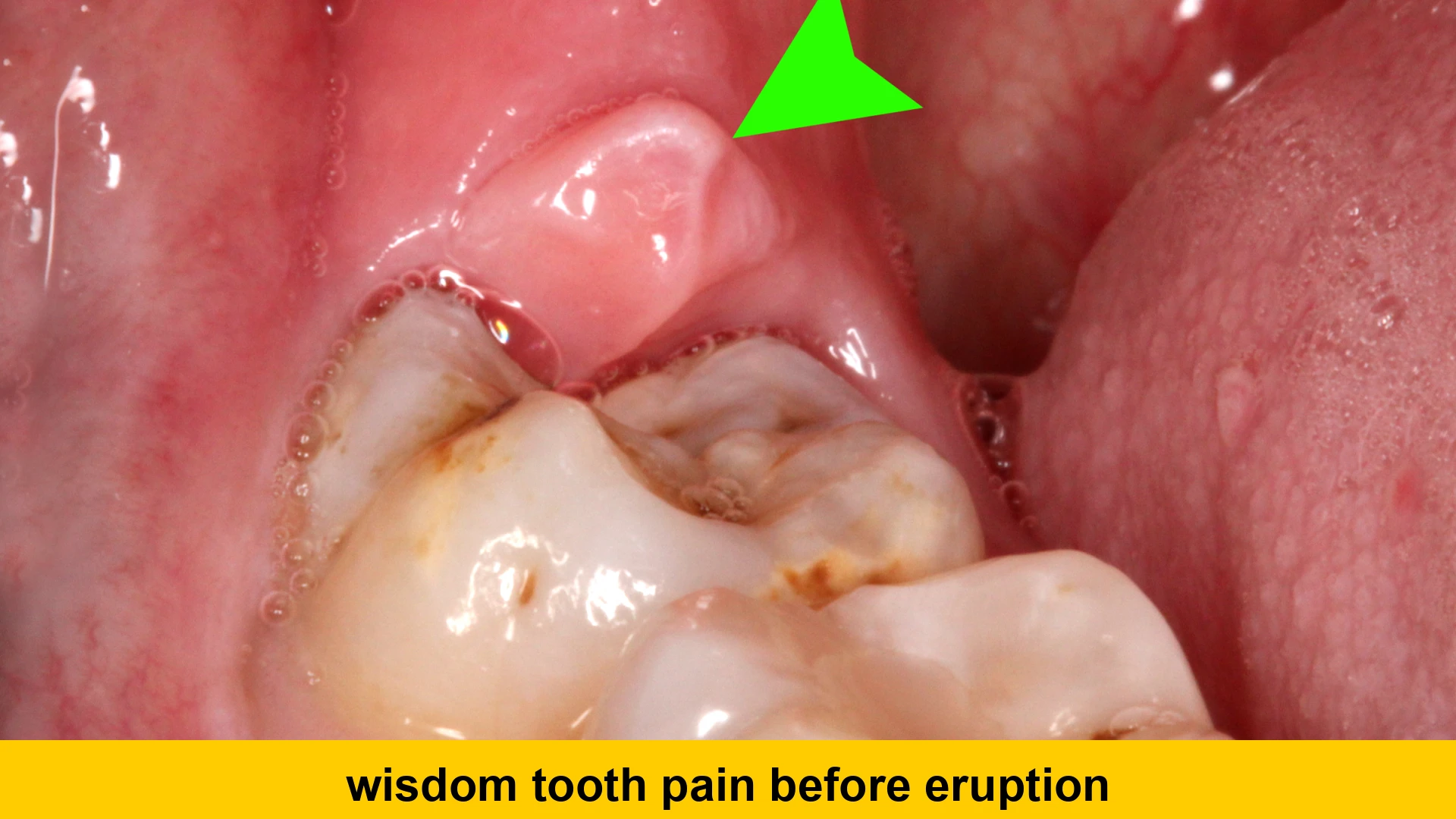
Few dental experiences are as universally dreaded as the arrival of wisdom teeth. These third molars, often making their grand entrance in the late teens or early twenties, can bring with them a symphony of discomfort. But what if the pain starts long before you even see a hint of these molars? This is the reality of wisdom tooth pain before eruption, a common and often intense experience that signals a complex process unfolding beneath your gums. Understanding this pre-eruption discomfort is crucial for managing symptoms and making informed decisions about your oral health.
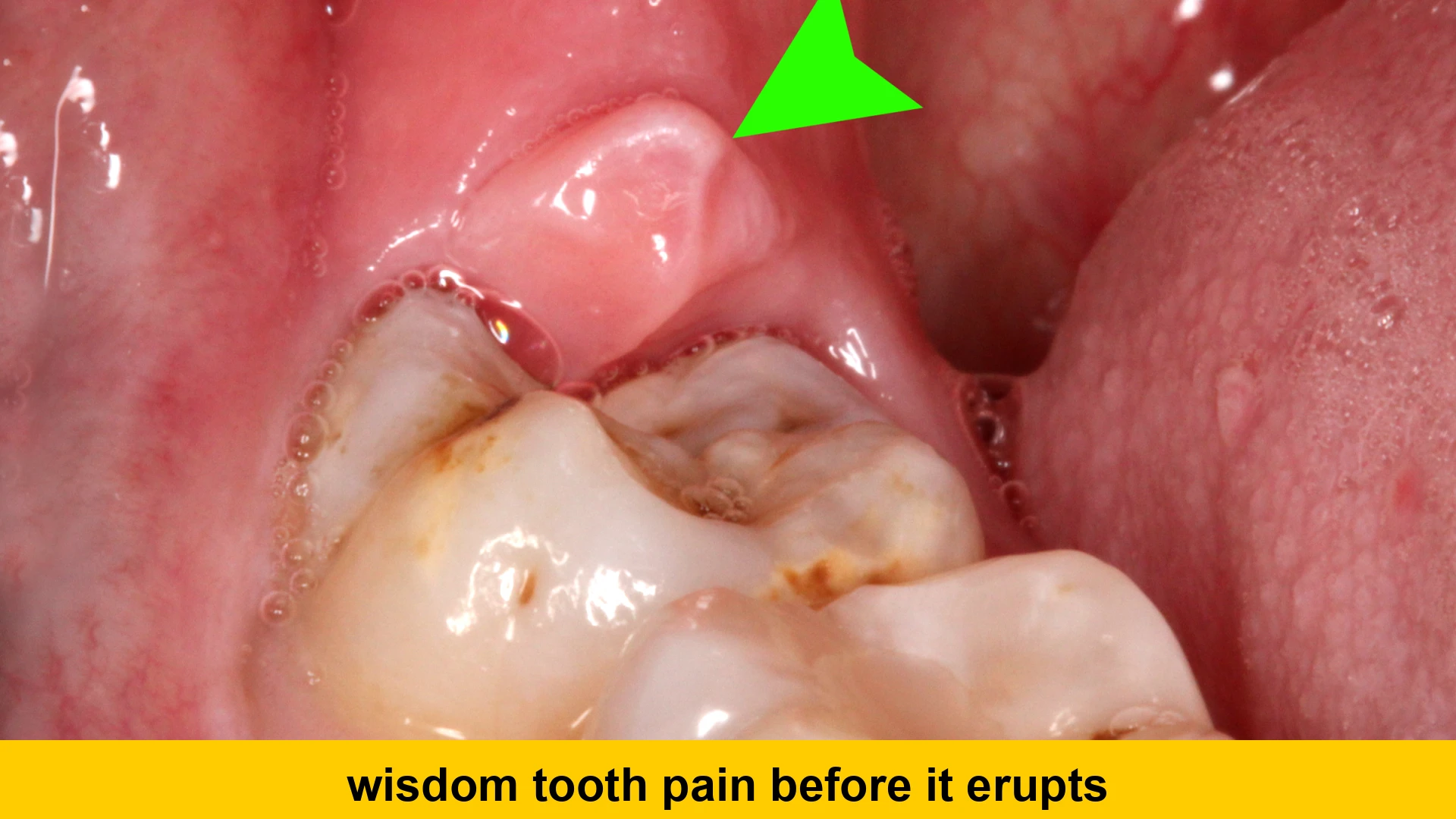
Many individuals report significant discomfort, swelling, and even throbbing pain from their wisdom teeth long before they break through the gum line. This phenomenon, often referred to as pre-eruption wisdom tooth pain, can be perplexing and worrying. It’s a sign that your body is reacting to the movement and potential impaction of these late-blooming teeth. This guide will delve deep into why this pain occurs, what symptoms to look out for, and how to effectively manage wisdom tooth pain before it erupts, providing you with a comprehensive understanding to navigate this challenging phase.
Understanding Wisdom Teeth and Why They Cause Pain Before Eruption
Wisdom teeth, or third molars, are the last teeth to develop and emerge in the mouth. While historically useful for chewing coarse foods, modern diets and smaller jaw sizes often mean there isn’t enough room for them to erupt properly. This lack of space is a primary driver behind much of the pain and complications associated with their arrival. The journey of a wisdom tooth from beneath the gum and bone to its functional position in the mouth is complex, and unfortunately, it’s often fraught with challenges that manifest as significant wisdom tooth pain before it erupts.
When we talk about pain from wisdom teeth before coming out, we’re referring to a range of issues. Imagine a large tooth trying to push its way through bone and gum tissue in an already crowded space. This isn’t a gentle process. The pressure exerted on adjacent teeth, nerves, and surrounding tissues can be substantial. Furthermore, the gum tissue overlying the tooth can become inflamed, a condition known as pericoronitis, even if the tooth hasn’t fully erupted. This early inflammation contributes significantly to unerupted wisdom tooth pain.
The very act of the tooth developing and moving through the jawbone can stimulate nerve endings, leading to generalized aching in the jaw, ear, or even the side of the face. This dull, persistent ache is a classic sign of early wisdom tooth pain symptoms. It’s not just the eruption itself that causes distress; it’s the entire developmental process. The follicles surrounding the developing tooth can also become cyst-like, adding to pressure and discomfort. Therefore, addressing the underlying reasons for wisdom tooth pain before it erupts is key to effective management.
What Causes Wisdom Tooth Pain Before It Emerges?
There are several distinct reasons why you might experience excruciating wisdom tooth pain before it erupts. Pinpointing the exact cause can help guide treatment and provide relief. Understanding ‘why do wisdom teeth hurt before they erupt’ is the first step toward finding a solution.
One of the most common causes is impaction. An impacted wisdom tooth is one that doesn’t have enough room to erupt properly and gets stuck against another tooth, bone, or soft tissue. This can lead to various types of impaction: mesial (tilted forward), distal (tilted backward), vertical (straight but trapped), or horizontal (lying completely on its side). Each type of impaction can cause immense pressure and significant unerupted wisdom tooth pain. The tooth continuously pushes against its neighbors, leading to discomfort that radiates through the jaw.
Another significant factor is pericoronitis. Even if a tiny portion of the wisdom tooth begins to push through the gum, it creates a flap of gum tissue (operculum) that is difficult to clean. Food particles and bacteria can get trapped underneath this flap, leading to infection and inflammation. This can result in severe localized pain, swelling, redness, and even a foul taste in your mouth. This type of pain is often sharp and throbbing, intensifying with chewing or touching the area. It’s a prime example of pain from wisdom teeth coming in, even when only partially visible or still fully submerged.
The pressure on adjacent teeth and nerves is another key contributor to wisdom tooth pain before it erupts. As the wisdom tooth attempts to emerge, it exerts force on the roots of the second molars. This pressure can cause sensitivity, shifting of teeth, and a generalized aching sensation. In some cases, the developing tooth can even press on nerves within the jawbone, leading to referred pain in the ear, temple, or neck, making it seem like the pain originates elsewhere.
Finally, cyst formation around the unerupted tooth is a less common but more serious cause of wisdom tooth discomfort before emerging. The sac that surrounds the crown of an unerupted tooth can sometimes fill with fluid, forming a cyst. These cysts can grow, putting pressure on the jawbone, teeth, and nerves, leading to significant pain and potentially damaging surrounding structures if not treated. While less frequent, it highlights the importance of professional dental assessment for persistent or severe wisdom tooth pain before it erupts.
Identifying Early Wisdom Tooth Pain Symptoms
Recognizing the signs of wisdom tooth pain before it erupts can help you seek timely dental care and manage your symptoms more effectively. The early wisdom tooth pain symptoms can vary in intensity and nature, but there are several common indicators that your third molars are beginning their journey.
The most obvious symptom is, of course, pain or tenderness in the back of the jaw. This pain might be dull and persistent, or sharp and throbbing, especially when chewing or opening your mouth wide. It often starts gradually and can intensify over time. Many describe it as a pressure sensation, a clear sign that an unerupted wisdom tooth is pushing against surrounding tissues.
Another common sign is swelling or redness in the gums at the very back of your mouth. Even if the tooth isn’t visible, you might notice that the gum tissue feels puffy or is darker than usual. This swelling can sometimes extend to the cheek or even lymph nodes in the neck, indicating inflammation or infection. This ‘swelling and pain from wisdom tooth before eruption’ combination is a strong indicator of an issue.
Difficulty opening your mouth fully, known as trismus, or pain when chewing can also be early indicators. The inflammation and muscle tension caused by the emerging wisdom tooth can restrict jaw movement, making it uncomfortable to eat or speak. A persistent bad taste in the mouth or bad breath, especially if accompanied by gum inflammation, can point to an infection beneath the gum flap, a common consequence of an emerging wisdom tooth. These are clear signs wisdom tooth is about to erupt pain.
Referred pain is also a significant symptom. You might experience pain that seems to originate in your ear, temple, or throat, even though the problem is with your wisdom tooth. This happens because the nerves in your jaw are connected to other areas of your head and neck. If you’re experiencing any of these symptoms, particularly persistent discomfort, it’s wise to consult a dentist to determine the exact cause of your wisdom tooth pain before it erupts.
Managing Wisdom Tooth Pain Before It Erupts: Home Remedies and Temporary Relief
While a dental professional should always be your first point of contact for persistent or severe wisdom tooth pain before it erupts, there are several effective home remedies and over-the-counter solutions that can provide temporary relief. These tips can help manage the discomfort until you can see a dentist for a definitive diagnosis and treatment plan.
Effective Wisdom Tooth Pain Relief Tips Before Coming In
For immediate relief, over-the-counter pain relievers like ibuprofen (Advil, Motrin) or acetaminophen (Tylenol) can be very effective. Ibuprofen, in particular, offers both pain relief and anti-inflammatory properties, which can be beneficial for reducing swelling caused by an emerging tooth. Always follow the dosage instructions on the packaging. These medications can significantly alleviate pain from wisdom teeth before coming out.
Saltwater rinses are a classic and highly effective home remedy. Mix half a teaspoon of salt into a cup of warm water and rinse your mouth thoroughly for 30 seconds several times a day, especially after meals. Saltwater acts as a natural disinfectant, helping to reduce bacteria around the inflamed gum tissue and soothe irritation. This can be particularly helpful for managing inflammation that contributes to wisdom tooth pain before it erupts.
Applying a cold compress to the outside of your jaw can help reduce swelling and numb the pain. Wrap an ice pack in a cloth and apply it to the affected side of your face for 15-20 minutes at a time, several times a day. Conversely, some people find relief from applying a warm, moist tea bag (especially peppermint or black tea, which contain tannins that can reduce swelling) to the affected gum area for a few minutes. Both approaches aim to alleviate the localized wisdom tooth discomfort before emerging.
Topical numbing gels containing benzocaine (like Orajel) can provide temporary relief by numbing the gum tissue around the emerging tooth. Apply a small amount directly to the painful area with a clean finger or cotton swab. However, be mindful that these gels offer very short-term relief and should not be used excessively. They are merely a temporary measure for managing pain from a wisdom tooth that hasn’t erupted.
Maintaining excellent oral hygiene is paramount, even when it’s painful to brush the back teeth. Gentle brushing and flossing around the affected area can prevent food particles from getting trapped and exacerbating inflammation or infection. An antiseptic mouthwash can also help reduce bacteria and keep the area clean. Neglecting oral hygiene can worsen pre-eruption wisdom tooth pain by inviting infection.
Lastly, soft foods can reduce the strain on your jaw and the painful area. Avoid chewing hard, sticky, or crunchy foods that might irritate the inflamed gums or put pressure on the emerging tooth. Opt for soups, yogurt, mashed potatoes, and smoothies. This simple dietary adjustment can make a significant difference in your comfort levels when experiencing severe wisdom tooth pain before it erupts.
When to Seek Professional Help for Unerupted Wisdom Tooth Pain
While home remedies can offer temporary relief, it’s crucial to understand when wisdom tooth pain before it erupts warrants a visit to the dentist. Ignoring persistent or worsening symptoms can lead to more serious complications. Knowing when to transition from self-care to professional intervention is key for effective management of unerupted wisdom tooth problems.
You should immediately schedule an appointment if you experience severe, debilitating pain that isn’t relieved by over-the-counter medications. Pain that prevents you from sleeping, eating, or concentrating is a clear sign that professional help is needed. This level of discomfort indicates that the emerging tooth is causing significant distress to surrounding tissues or nerves. Such intense wisdom tooth pain before it erupts suggests a serious underlying issue.
Spreading infection is another critical warning sign. If you notice signs of infection beyond localized gum swelling, such as fever, chills, pus drainage from the gums, difficulty swallowing, or swelling that extends into your cheek, neck, or under your chin, seek emergency dental care. Untreated infections can spread rapidly and lead to serious health complications, making swift action essential for pre-eruption wisdom tooth pain with infectious symptoms.
If you experience limited jaw movement (trismus) that makes it difficult or impossible to open your mouth fully, or severe pain upon opening, this also necessitates a dental visit. This can be a symptom of severe inflammation or even muscle spasms related to the impaction. Similarly, persistent bad breath or a foul taste in your mouth that doesn’t improve with regular brushing and rinsing can indicate a deep-seated infection around the wisdom tooth that hasn’t erupted. These are important signs when considering how to relieve wisdom tooth pain before eruption.
Even if your pain is manageable but persists for more than a few days, it’s advisable to see a dentist. Chronic wisdom tooth discomfort before emerging, even if mild, can be a precursor to more significant issues like cyst formation, damage to adjacent teeth, or long-term jaw problems. A dental professional can assess the position of your wisdom teeth, identify potential problems with X-rays, and recommend the best course of action.
Your dentist will likely take X-rays to visualize the wisdom teeth and assess their position relative to other teeth, the jawbone, and nerves. This will help determine if they are impacted and if extraction is necessary. Early intervention can prevent minor issues from escalating into major dental problems. For more information on general oral health, you can visit resources like the American Dental Association’s MouthHealthy site: https://www.mouthhealthy.org/all-topics-a-z/wisdom-teeth. Consulting a dentist is always the best approach for managing pain from a wisdom tooth that hasn’t erupted.
Dental Interventions for Persistent Wisdom Tooth Pain Before Eruption
When home remedies are insufficient or when imaging reveals underlying problems, dental intervention becomes necessary to address persistent wisdom tooth pain before it erupts. A dentist or oral surgeon can offer various treatments, ranging from monitoring to surgical extraction, depending on the severity and specific cause of your unerupted wisdom tooth pain.
Diagnosis and Treatment Options for Unerupted Wisdom Tooth Problems
The first step in any professional intervention is a thorough dental examination and X-rays. Panoramic X-rays are particularly useful as they provide a complete view of your jaw, showing the exact position and angle of your wisdom teeth, their proximity to nerves, and any signs of impaction or cyst formation. This diagnostic step is crucial for understanding what causes wisdom tooth pain before it emerges and formulating an appropriate treatment plan.
For cases of localized infection or pericoronitis, the dentist may prescribe antibiotics to clear the infection. They might also clean the area thoroughly, flushing out trapped food debris and bacteria from under the gum flap. This can provide immediate relief from swelling and pain, allowing for a more comfortable discussion about long-term solutions for your wisdom tooth pain before it erupts.
In many instances, extraction of the wisdom tooth is the recommended course of action, especially if the tooth is impacted, causing recurrent infections, damaging adjacent teeth, or leading to significant and chronic pre-eruption wisdom tooth pain. Wisdom tooth extraction is a common oral surgery procedure. Depending on the complexity of the impaction, it can be performed under local anesthesia, sedation, or general anesthesia.
During the extraction, the oral surgeon will make an incision in the gum tissue to expose the tooth and bone. Bone may need to be removed to access the tooth, and the tooth itself might be sectioned into smaller pieces for easier removal. After the tooth is extracted, the gum is typically stitched closed. Post-operative care includes managing pain with prescribed medications, applying ice packs, and following a soft diet. This surgical solution effectively removes the source of recurring pain from wisdom teeth before coming out.
Even if your wisdom teeth aren’t causing immediate problems, your dentist might recommend proactive monitoring. Regular check-ups and X-rays can track the development and movement of your wisdom teeth, allowing for early intervention if problems like impaction or cyst formation begin to arise. This approach is common when there’s minor wisdom tooth discomfort before emerging, but no urgent need for extraction. Proactive monitoring can save you from severe wisdom tooth pain before it erupts later on.
It’s important to discuss all available options with your dentist or oral surgeon. They will explain the risks and benefits of each approach, helping you make the best decision for your oral health and to alleviate the specific challenges presented by unerupted wisdom tooth problems. You can learn more about general dental procedures and care in our post on Understanding Common Dental Procedures.
Preventative Measures and Long-Term Outlook for Wisdom Tooth Pain
While you can’t always prevent wisdom tooth pain before it erupts, understanding the long-term outlook and adopting certain preventative measures can significantly mitigate risks and complications. Proactive oral health habits and regular dental visits are your best defense against future problems associated with these problematic molars. Thinking ahead can help manage potential pain from wisdom teeth coming in.
Minimizing the Risk of Future Wisdom Tooth Issues
The most effective preventative measure is regular dental check-ups. Your dentist can monitor the development and eruption of your wisdom teeth using X-rays, often starting in your early to mid-teens. This allows them to identify potential impaction or other issues before they cause severe wisdom tooth pain before it erupts. Early detection means you can discuss extraction options before the pain becomes unbearable or causes damage to adjacent teeth.
Maintaining excellent oral hygiene throughout your life, especially in the back of your mouth, is vital. Even if wisdom teeth haven’t fully erupted, the area around them can be prone to plaque buildup and inflammation. Brushing thoroughly and flossing regularly, even if challenging, helps prevent pericoronitis and other infections that contribute to pre-eruption wisdom tooth pain. Consider using an interdental brush or water flosser to reach difficult areas. This helps keep the environment healthy around wisdom tooth discomfort before emerging.
If your dentist recommends prophylactic extraction (removing wisdom teeth before they cause problems), it’s often a wise decision. While the idea of surgery can be daunting, removing wisdom teeth that are clearly going to become impacted can prevent years of intermittent wisdom tooth pain before it erupts, potential damage to adjacent teeth, cyst formation, and recurrent infections. The recovery from a planned extraction is often smoother than from an emergency removal due to severe pain or infection.
Listen to your body. If you start experiencing any early wisdom tooth pain symptoms, even mild ones, don’t dismiss them. Minor discomfort can escalate quickly. Early consultation with your dentist means that if there are signs wisdom tooth is about to erupt pain, they can intervene before the situation becomes acute. This proactive approach ensures you’re managing pain from a wisdom tooth that hasn’t erupted efficiently.
After any dental procedure or even just for ongoing health, following your dentist’s advice on aftercare is crucial. This includes medication schedules, dietary restrictions, and proper cleaning techniques. These steps are designed to promote healing and prevent secondary complications that could lead to further wisdom tooth pain before it erupts. For more tips on maintaining overall oral health, see our comprehensive guide on Essential Oral Hygiene Practices.
In the long term, once problematic wisdom teeth are extracted, the recurring pain and complications associated with their eruption are resolved. For those whose wisdom teeth erupt without issue, continued good oral hygiene and regular dental check-ups will ensure their longevity and health. The journey through wisdom tooth pain before it erupts can be challenging, but with the right knowledge and professional support, it’s a journey you can navigate successfully.
Conclusion: Taking Control of Wisdom Tooth Pain Before Eruption
Experiencing wisdom tooth pain before eruption is a clear signal from your body that your third molars are on the move, and they might be encountering difficulties. This pre-eruption discomfort is more than just a nuisance; it can be an indicator of impaction, infection, or other complications brewing beneath your gum line. From the initial pressure and aching to the throbbing pain of pericoronitis, the symptoms of an emerging wisdom tooth can significantly impact your daily life.
While temporary relief can often be found through home remedies like saltwater rinses, cold compresses, and over-the-counter pain relievers, it’s crucial to understand that these are not long-term solutions. They merely buy you time. Persistent or severe pain from wisdom teeth before coming out, accompanied by swelling, difficulty opening your mouth, or signs of infection, absolutely warrants a prompt visit to your dentist or oral surgeon. Early intervention is key to preventing minor issues from escalating into major health problems.
A dental professional can accurately diagnose the cause of your unerupted wisdom tooth pain through examination and X-rays, providing you with a clear path forward. Whether it’s a course of antibiotics, ongoing monitoring, or the eventual recommendation for extraction, their expertise is invaluable. Taking proactive steps, such as regular dental check-ups, maintaining meticulous oral hygiene, and considering prophylactic extraction if advised, can help you avoid or minimize the challenges associated with these late-arriving molars.
Don’t let the mystery or the intensity of wisdom tooth pain before it erupts overwhelm you. By understanding the causes, recognizing the symptoms, and knowing when to seek professional help, you empower yourself to take control of your oral health. Prioritize your comfort and well-being; consult your dentist at the first sign of trouble. Your smile and your comfort will thank you for it.