
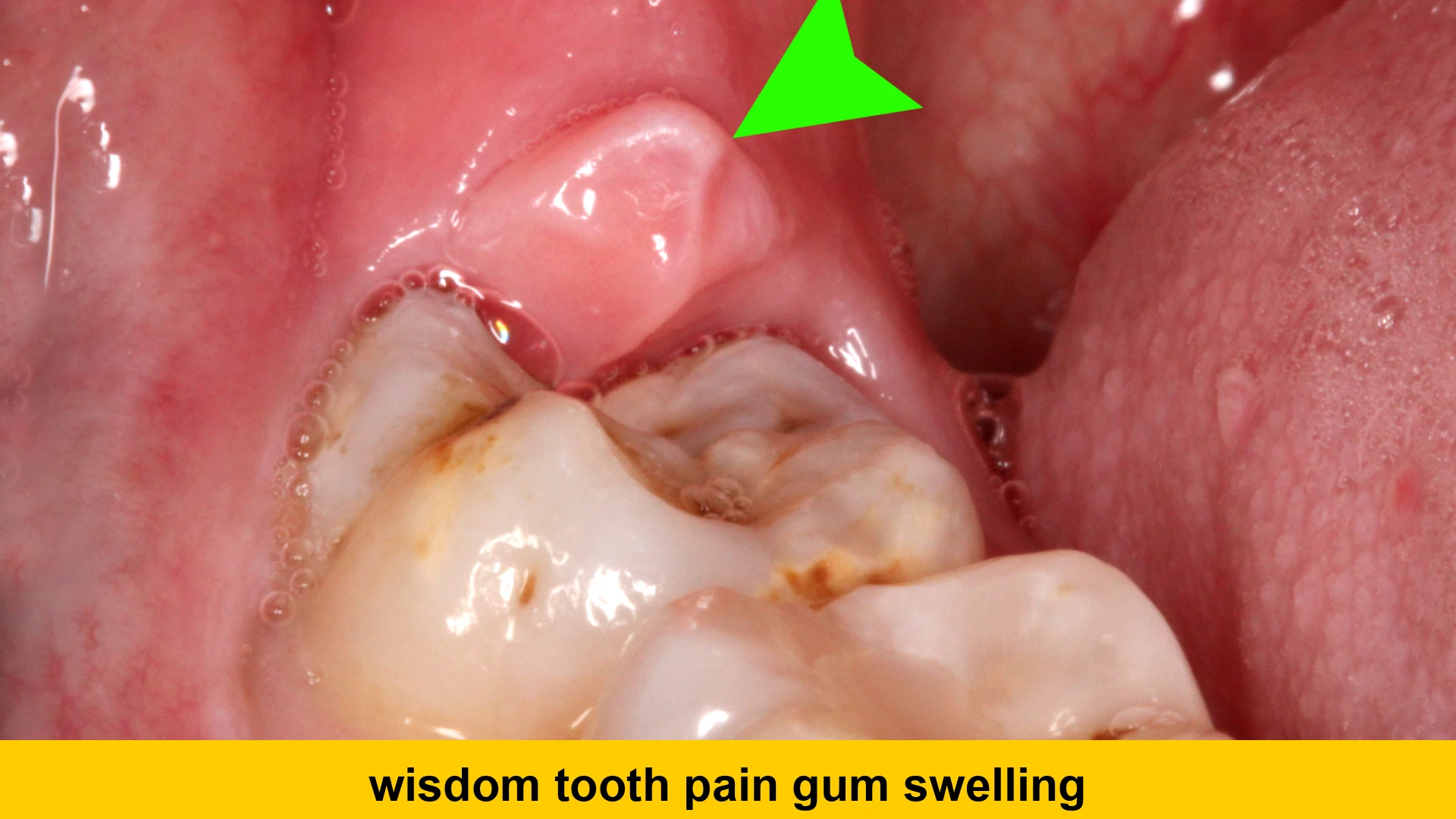
Experiencing wisdom tooth pain gum swelling can be an intensely uncomfortable and often alarming ordeal. The emergence of wisdom teeth, or third molars, is a natural part of adult development, typically occurring between the ages of 17 and 25. However, this process is frequently complicated by a lack of space in the jaw, leading to a myriad of dental issues. One of the most common and distressing problems is the inflammation and swelling of the gum tissue surrounding an erupting or impacted wisdom tooth. This condition, often referred to as pericoronitis, can range from mild discomfort to severe, throbbing pain, making eating, speaking, and even sleeping incredibly difficult. Understanding the root causes, recognizing the symptoms, and knowing how to find effective wisdom tooth gum swelling pain relief are crucial for managing this common dental complaint.
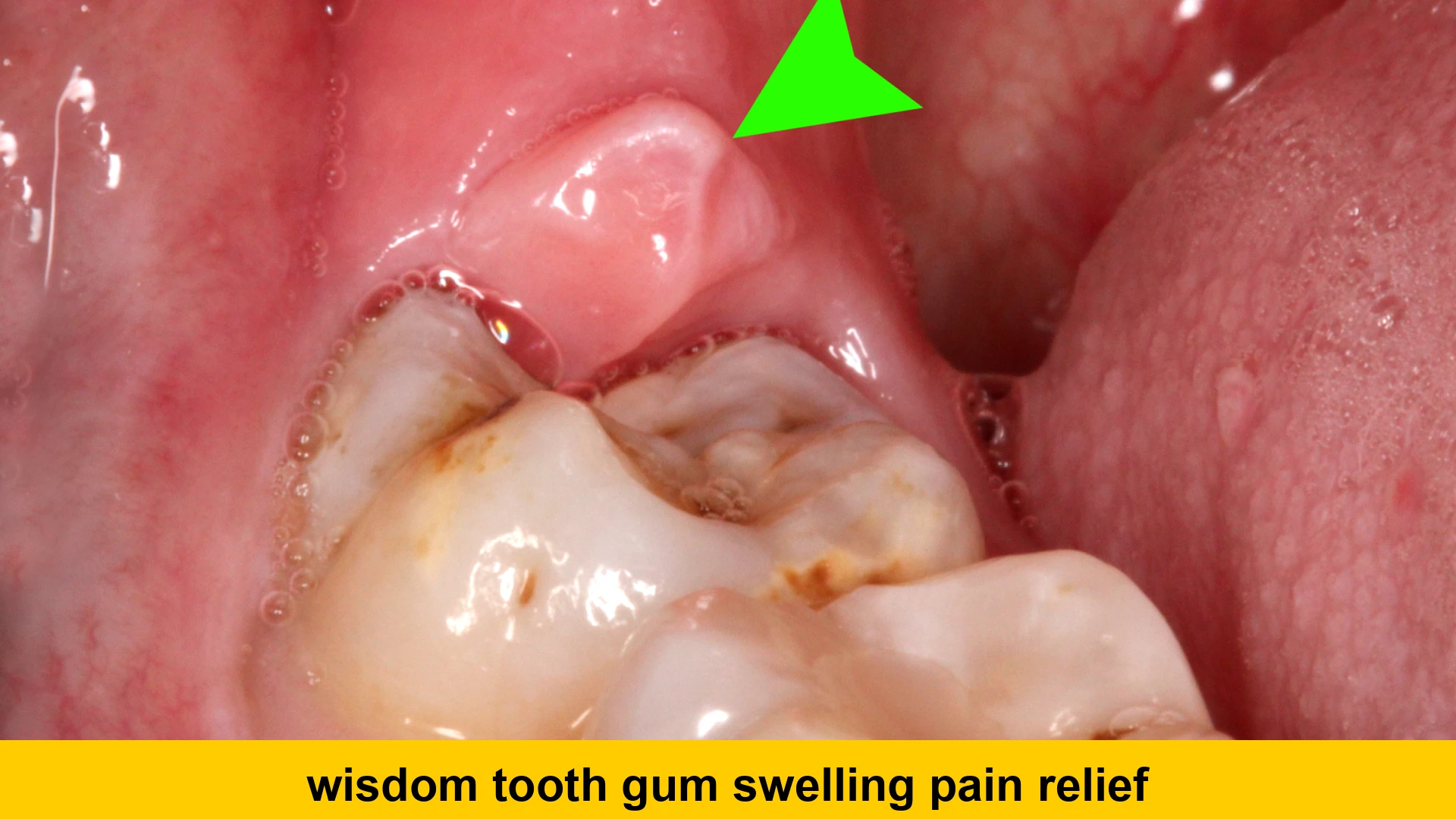
This comprehensive guide delves into everything you need to know about wisdom tooth pain gum swelling. We will explore why these issues arise, how to identify an impending problem, and most importantly, what steps you can take to alleviate the discomfort. From practical home remedies you can implement immediately to understanding when professional dental intervention becomes necessary, our aim is to equip you with the knowledge to navigate this challenging period. Ignoring effective wisdom tooth gum swelling pain relief is not an option, as untreated inflammation can escalate into more serious infections, affecting not just your oral health but your overall well-being. Let’s embark on a journey to understand and effectively manage the pain and swelling associated with your wisdom teeth, ensuring your smile remains healthy and comfortable.
Understanding Wisdom Tooth Gum Swelling Pain Relief: Why Does It Happen?
The primary reason for wisdom tooth gum swelling pain relief becoming a necessity is often linked to the eruption pattern of these molars. Unlike other teeth that typically emerge into ample space, wisdom teeth often struggle to find room in an already crowded jaw. This lack of space can lead to them erupting at an awkward angle, partially emerging, or becoming fully impacted – meaning they are trapped beneath the gum line or bone. When a wisdom tooth partially erupts, a flap of gum tissue, known as an operculum, can form over the tooth. This creates an ideal breeding ground for bacteria.
Food particles and plaque can easily get trapped underneath this gum flap, making it extremely difficult to clean effectively with regular brushing and flossing. The accumulation of bacteria and food debris then leads to an infection and inflammation of the surrounding gum tissue, a condition medically termed pericoronitis. This is the most common cause of painful wisdom tooth gum swelling. The inflammation isn’t just a minor irritation; it’s a battleground for your immune system, leading to redness, tenderness, and significant swelling, often accompanied by intense pain. Understanding this underlying mechanism is the first step towards seeking appropriate wisdom tooth gum swelling pain relief strategies.
The Role of Pericoronitis in Painful Wisdom Tooth Gum Swelling
Pericoronitis is essentially an infection and inflammation of the gum tissue surrounding a partially erupted tooth, most commonly a wisdom tooth. It can manifest in two forms: acute and chronic. Acute pericoronitis involves sudden, severe pain, noticeable swelling, and sometimes even facial swelling. You might also experience a foul taste in your mouth due to pus formation, difficulty opening your mouth (trismus), and swollen lymph nodes in the neck. Chronic pericoronitis, on the other hand, might present with recurring episodes of mild pain and discomfort, often leading to a dull ache that never quite goes away. Both forms demand attention, as even chronic issues can flare up into acute infections if left unaddressed. Effective wisdom tooth gum swelling pain relief often targets the infection and inflammation associated with pericoronitis.
Several factors contribute to the development and severity of pericoronitis. Poor oral hygiene is a significant one, as inadequate cleaning allows bacteria to thrive. Stress can also weaken the immune system, making you more susceptible to infections. Hormonal changes, such as those during pregnancy, can also exacerbate gum inflammation. The angle at which the wisdom tooth is erupting also plays a crucial role; teeth that are significantly tilted or horizontally impacted create more challenging environments for cleaning and are more prone to developing these issues. Recognizing these contributing factors can help in both prevention and determining the best course of action for wisdom tooth gum swelling pain relief.
Symptoms of Wisdom Tooth Gum Swelling and Associated Pain
Identifying the symptoms of wisdom tooth pain gum swelling is crucial for prompt action and seeking appropriate care. While the most obvious symptom is pain, it can manifest in various ways and be accompanied by other indicators of an underlying issue. Being aware of these signs can help you differentiate between normal wisdom tooth eruption discomfort and a more serious problem requiring intervention. Early detection can significantly impact the effectiveness of wisdom tooth gum swelling pain relief measures.
The primary symptoms often include:
- Localized Pain: A persistent ache or throbbing pain in the back of the jaw, near the affected wisdom tooth. This pain can radiate to the ear, temple, or neck.
- Swollen Gums Around Wisdom Tooth: The gum tissue directly surrounding the wisdom tooth will appear red, inflamed, and noticeably swollen. It might feel tender to the touch.
- Difficulty Chewing and Swallowing: The swelling and pain can make it uncomfortable, or even impossible, to chew food on the affected side. Swallowing might also become difficult due to pain spreading into the throat.
- Bad Breath or Unpleasant Taste: An infection can lead to the accumulation of pus and bacteria, causing halitosis (bad breath) or a foul, metallic taste in the mouth.
- Limited Jaw Movement (Trismus): Severe inflammation can cause the jaw muscles to spasm, making it difficult or painful to open your mouth wide.
- Facial Swelling: In more severe cases, the swelling can extend to the cheek and jaw area, causing visible facial asymmetry.
- Fever and General Malaise: Systemic symptoms like a low-grade fever, fatigue, and swollen lymph nodes in the neck are clear indicators of a spreading infection.
- Discharge of Pus: If you gently press on the swollen gum, you might notice a discharge of yellowish pus, confirming a bacterial infection.
If you experience any of these symptoms, especially if they are severe or persist for more than a couple of days, it’s a strong indicator that you need professional dental advice to determine the best approach for wisdom tooth gum swelling pain relief.
Immediate Wisdom Tooth Gum Swelling Pain Relief: Home Remedies
While professional dental care is often necessary for persistent or severe wisdom tooth pain gum swelling, several home remedies can offer immediate relief and help manage discomfort until you can see a dentist. These methods focus on reducing inflammation, cleaning the area, and alleviating pain. Remember, these are temporary solutions and not a substitute for professional diagnosis and treatment, especially when dealing with potential infections. However, knowing how to relieve wisdom tooth gum swelling at home can significantly improve your comfort.
Saltwater Rinses for Swollen Gums Around Wisdom Tooth
One of the most effective and widely recommended home remedies for a swollen gums around wisdom tooth is a warm saltwater rinse. Salt acts as a natural disinfectant and helps to reduce inflammation. It can flush out food particles and bacteria from around the gum flap, promoting a cleaner environment and aiding in healing. To prepare a saltwater rinse, dissolve half a teaspoon of salt in a glass of warm water. Swish the solution around your mouth, focusing on the affected area, for about 30-60 seconds before spitting it out. Repeat this process several times a day, particularly after meals, to keep the area clean and provide consistent wisdom tooth gum swelling pain relief. This simple yet powerful remedy is often the first line of defense against gum inflammation.
Over-the-Counter Pain Relievers and Anti-Inflammatories
For immediate relief from painful wisdom tooth gum swelling, over-the-counter (OTC) pain medications can be very helpful. Non-steroidal anti-inflammatory drugs (NSAIDs) like ibuprofen (Advil, Motrin) or naproxen (Aleve) are particularly effective because they not only reduce pain but also target inflammation, which is a major component of the discomfort. Acetaminophen (Tylenol) can also help manage pain. Always follow the dosage instructions on the package and consult with a pharmacist or doctor if you have any underlying health conditions or are taking other medications. These medications provide systemic wisdom tooth gum swelling pain relief, making it easier to cope with the condition.
Cold Compresses to Reduce Gum Inflammation Wisdom Tooth
Applying a cold compress to the outside of your cheek can help significantly reduce swelling and numb the painful area. This method is particularly effective in the initial stages of inflammation or during acute flare-ups. Wrap an ice pack or a bag of frozen vegetables in a clean cloth and apply it to the affected side of your face for 15-20 minutes at a time, with breaks in between. The cold constricts blood vessels, which in turn reduces blood flow to the area, minimizing swelling and providing a temporary analgesic effect. This can offer crucial wisdom tooth gum swelling pain relief, especially when accompanied by external facial swelling.
Oral Anesthetic Gels and Mouthwashes
Topical anesthetic gels, available over-the-counter, can provide localized temporary numbness, directly addressing the pain. Products containing benzocaine can be applied directly to the affected gum area, offering short-term relief. Similarly, antiseptic mouthwashes containing chlorhexidine (prescription only) or alcohol-free formulations with ingredients like hydrogen peroxide (diluted) or essential oils can help reduce bacteria in the mouth and support healing. Always ensure you are using a product suitable for oral use and follow the directions carefully. These options are part of a multi-faceted approach to how to reduce gum swelling around wisdom tooth and associated pain.
Clove Oil and Other Natural Remedies
Clove oil has long been recognized for its natural analgesic and antiseptic properties in dentistry. A small amount of clove oil, dabbed onto the affected gum with a cotton swab, can provide temporary numbing and reduce bacterial load. Be cautious not to swallow too much, as it can cause stomach upset. Other natural remedies often cited include tea tree oil (highly diluted and never swallowed), garlic (known for its antimicrobial properties), and peppermint tea bags (cooled and applied directly to the gum). While these natural approaches can offer some relief, they should be used with caution and not as a replacement for professional medical advice, especially for severe wisdom tooth gum swelling pain relief. For more general dental hygiene tips, you might find this article on daily oral care routines helpful.
When to See a Dentist for Wisdom Tooth Gum Swelling Pain Relief
While home remedies can offer temporary respite, there are clear indicators that signal the need for professional dental intervention regarding your wisdom tooth pain gum swelling. Ignoring persistent or worsening symptoms can lead to more serious complications, including widespread infection, abscess formation, or even systemic health issues. Knowing when to see a dentist for wisdom tooth gum pain is paramount for safeguarding your oral health and ensuring proper wisdom tooth gum swelling pain relief.
You should immediately schedule an appointment with your dentist if you experience any of the following:
- Severe, Unbearable Pain: If the pain is constant, throbbing, and not alleviated by over-the-counter pain relievers, it’s a sign that professional attention is needed.
- Worsening Swelling: If the gum swelling around your wisdom tooth continues to increase, spreads to your cheek or jaw, or causes noticeable facial asymmetry.
- Difficulty Opening Your Mouth or Swallowing: This can indicate a severe infection spreading to the jaw muscles or throat, which is a medical emergency.
- Fever or Chills: These are systemic signs of an infection that needs immediate antibiotic treatment.
- Pus Discharge: If you observe a foul-smelling discharge or pus coming from the swollen gum, it confirms a bacterial infection that requires dental care.
- Persistent Bad Breath or Foul Taste: While home remedies can temporarily mask this, if it persists, it’s likely due to an ongoing infection.
- Symptoms Lasting More Than a Few Days: If your symptoms don’t improve or worsen after 2-3 days of consistent home care, it’s time to see a dentist.
Your dentist will be able to accurately diagnose the cause of your painful wisdom tooth gum swelling, assess the extent of the infection, and recommend the most effective treatment plan. Delaying professional care can lead to more complex and costly treatments down the line.
Professional Treatments for Wisdom Tooth Gum Swelling Pain Relief
When home remedies are insufficient or when an infection is present, professional dental intervention becomes necessary to provide lasting wisdom tooth gum swelling pain relief. The treatment approach will depend on the severity of the pericoronitis, the position of the wisdom tooth, and the overall oral health of the patient. Your dentist will conduct a thorough examination, which may include X-rays, to assess the situation fully.
Deep Cleaning and Irrigation
For mild to moderate cases of pericoronitis without severe infection, your dentist may begin by thoroughly cleaning the area around the wisdom tooth. This involves irrigating beneath the gum flap with an antiseptic solution (like chlorhexidine) to flush out trapped food particles, plaque, and bacteria. This procedure helps to reduce inflammation and promote healing, often providing significant how to relieve wisdom tooth gum swelling. Your dentist might also provide instructions on how to maintain better hygiene in that difficult-to-reach area.
Antibiotics for Infection Control
If there are signs of a bacterial infection, such as pus, fever, facial swelling, or swollen lymph nodes, your dentist will likely prescribe a course of antibiotics. Antibiotics are crucial for eliminating the infection and preventing its spread. It’s vital to complete the entire course of antibiotics, even if your symptoms improve, to ensure the infection is fully eradicated. While antibiotics will help with the infection, additional steps may be needed for complete wisdom tooth gum swelling pain relief and prevention of recurrence.
Minor Surgical Procedures: Operculectomy
In some cases, especially when the gum flap (operculum) is the primary cause of recurrent pericoronitis, your dentist might recommend a minor surgical procedure called an operculectomy. This involves the careful removal of the problematic gum flap, which eliminates the pocket where food and bacteria can accumulate. This procedure can often be done under local anesthesia in the dental office. By removing the operculum, the area becomes easier to clean, significantly reducing the chances of future infections and providing long-term wisdom tooth gum swelling pain relief. This is a common solution for recurring issues when extraction isn’t immediately necessary.
Wisdom Tooth Extraction
The most definitive and often recommended treatment for recurrent or severe wisdom tooth pain gum swelling, especially when the tooth is impacted or misaligned, is extraction. If the wisdom tooth is unable to erupt properly, continues to cause chronic pericoronitis, or poses a risk to adjacent teeth, removal is typically the best long-term solution. Wisdom tooth extractions can range from simple procedures for fully erupted teeth to more complex surgical extractions for impacted teeth. Your dentist or oral surgeon will discuss the procedure, potential risks, and post-operative care. While the idea of extraction might seem daunting, it offers permanent wisdom tooth gum swelling pain relief and prevents future complications. For deeper insights into the extraction process, consider reviewing resources on the National Institute of Dental and Craniofacial Research website, such as their guide on gum disease, which can provide broader context on oral health complications. This external resource is authoritative and offers valuable information.
Preventing Wisdom Tooth Gum Swelling Pain Relief Issues
While not all wisdom tooth issues can be entirely prevented, especially those related to impaction, there are proactive steps you can take to minimize the risk of developing wisdom tooth pain gum swelling and to manage any discomfort more effectively. Prevention is always better than cure, and adopting good oral hygiene practices can significantly contribute to avoiding the need for acute wisdom tooth gum swelling pain relief.
Excellent Oral Hygiene Practices
Maintaining meticulous oral hygiene is paramount. Brush your teeth at least twice a day with a fluoride toothpaste, paying extra attention to the very back of your mouth where wisdom teeth are located. Use a soft-bristled brush and angle it to reach beneath any gum flaps if present. Flossing daily is equally crucial, as it helps remove food particles and plaque from between teeth and along the gum line, areas that brushing alone might miss. Consider using an interdental brush or a water flosser to reach difficult areas around partially erupted wisdom teeth. Regular and thorough cleaning can significantly reduce the bacterial load, thereby lowering the risk of infection and inflammation, which are primary causes of swollen gums around wisdom tooth. Incorporating an antiseptic mouthwash can also add an extra layer of protection, helping to kill bacteria and reduce inflammation.
Regular Dental Check-ups and X-rays
Routine dental check-ups are essential for monitoring the development and eruption of your wisdom teeth. Your dentist can take X-rays to assess the position of your wisdom teeth, identify any impaction issues early on, and predict potential problems before they cause significant pain. Early detection allows for proactive planning, which might include preventive measures or timely extraction before severe painful wisdom tooth gum swelling develops. Your dentist can also provide personalized advice on cleaning techniques for challenging areas and suggest professional cleanings to remove stubborn plaque and tartar. This proactive approach is key to managing potential issues and seeking early wisdom tooth gum swelling pain relief if necessary.
Healthy Lifestyle Choices
A healthy lifestyle contributes to overall well-being, including oral health. A balanced diet, rich in vitamins and minerals, supports a strong immune system, making your body better equipped to fight off infections. Avoiding excessive sugar intake can reduce the risk of cavities and gum inflammation. Quitting smoking and reducing alcohol consumption are also beneficial, as both habits can compromise oral health and hinder healing processes. Managing stress levels through relaxation techniques or physical activity can also indirectly support your immune system, making you less susceptible to flare-ups of wisdom tooth gum inflammation symptoms. Staying hydrated by drinking plenty of water can also help flush out bacteria and maintain a healthy oral environment, further reducing the chances of developing severe wisdom tooth gum swelling pain relief needs.
By integrating these preventive measures into your daily routine, you can significantly decrease the likelihood of experiencing severe wisdom tooth pain gum swelling and ensure your journey through wisdom tooth eruption is as smooth and comfortable as possible. Remember, while some issues are unavoidable due to genetic factors and jaw size, proactive steps can mitigate many common complications. Should you develop any concerns, a visit to your dentist for a comprehensive evaluation and tailored advice is always the best course of action. You may also find it helpful to review our guide on maintaining good gum health for general insights.
Understanding Normal vs. Concerning Wisdom Tooth Gum Swelling
It’s important to distinguish between the mild, transient discomfort that can accompany normal wisdom tooth eruption and the more serious symptoms indicative of an infection or impaction. While a little tenderness and slight swelling are somewhat common as a tooth pushes through the gum, significant pain, redness, and widespread swelling are not. Normal eruption discomfort is usually manageable with basic pain relievers and resolves within a few days. However, when the discomfort escalates, persists, or is accompanied by other symptoms like fever or difficulty opening the mouth, it points to a more concerning issue requiring professional attention and focused wisdom tooth gum swelling pain relief strategies.
Knowing is wisdom tooth gum swelling normal after extraction is another common concern. Post-extraction swelling is a very normal part of the healing process. Your oral surgeon will provide specific instructions for managing this, often involving ice packs and pain medication. However, if the swelling worsens after a few days, is accompanied by severe pain, fever, or pus, it could indicate a post-operative infection or other complication, and you should contact your dentist immediately. Always err on the side of caution when it comes to any concerning symptoms related to your oral health, especially when seeking effective wisdom tooth gum swelling pain relief.
The Best Pain Relief for Wisdom Tooth Gum Swelling: A Summary
When faced with the throbbing discomfort of wisdom tooth pain gum swelling, finding the best pain relief for wisdom tooth gum swelling becomes a top priority. The optimal approach often involves a combination of immediate home care and, crucially, professional dental evaluation. For initial or mild symptoms, consistent warm saltwater rinses, judicious use of over-the-counter NSAIDs like ibuprofen, and cold compresses applied externally can provide substantial temporary relief. These methods work by reducing inflammation and pain locally and systemically. However, it’s vital to recognize that these are palliative measures, not cures, especially if an underlying infection or impaction is present.
The true best pain relief for wisdom tooth gum swelling comes from addressing the root cause. This might involve a professional dental cleaning and irrigation to remove trapped debris, a course of antibiotics to combat infection, or in many cases, the surgical removal of the offending wisdom tooth or the overlying gum flap (operculectomy). Your dentist will assess the specifics of your situation – including the tooth’s position, the extent of inflammation, and any signs of infection – to recommend the most effective and lasting solution. Delaying professional advice can turn a manageable issue into a more complex problem, emphasizing the importance of timely consultation when home remedies fall short or symptoms worsen. Ultimately, comprehensive dental care, tailored to your unique circumstances, is the pathway to long-term comfort and relief from painful wisdom tooth gum swelling.
How Long Does Wisdom Tooth Gum Swelling Last?
The duration of wisdom tooth gum swelling can vary significantly depending on its cause and how it’s treated. If the swelling is merely a result of a partially erupting tooth and managed well with diligent oral hygiene and home remedies, it might subside within a few days to a week. This temporary swelling often accompanies the natural process of a tooth breaking through the gum tissue. Consistent cleaning and anti-inflammatory measures can help keep these episodes brief.
However, if the swelling is due to an infection (pericoronitis), it could persist and even worsen until the infection is properly treated with antibiotics or the underlying cause (like an impacted tooth or problematic gum flap) is addressed. In such cases, the swelling might last for several weeks or even months in recurrent chronic forms, making focused wisdom tooth gum swelling pain relief essential. Post-extraction swelling is also a factor; typically, this peaks within 2-3 days after surgery and then gradually reduces over the following week. If swelling persists beyond these expected timelines or is accompanied by escalating pain or other concerning symptoms, it’s crucial to seek immediate dental attention. Prompt professional intervention is key to ensuring that how long does wisdom tooth gum swelling last is kept to a minimum and that you achieve effective, lasting relief.
Conclusion: Achieving Lasting Wisdom Tooth Gum Swelling Pain Relief
Navigating the discomfort of wisdom tooth pain gum swelling can be a challenging experience, but with the right knowledge and timely action, lasting relief is absolutely achievable. From understanding the common culprit, pericoronitis, to recognizing key symptoms like localized pain, difficulty chewing, and even fever, being informed empowers you to take control of your oral health. While effective home remedies such as saltwater rinses, OTC pain relievers, and cold compresses offer valuable temporary solace, they are stepping stones, not ultimate solutions, for persistent issues.
The journey to enduring wisdom tooth gum swelling pain relief often necessitates professional dental care. Whether it involves a deep cleaning, a course of antibiotics, the removal of a problematic gum flap (operculectomy), or ultimately, wisdom tooth extraction, your dentist is your best ally. Proactive prevention through impeccable oral hygiene, regular dental check-ups, and a healthy lifestyle can significantly mitigate the risk of these painful episodes. Remember, ignoring the signs of a problematic wisdom tooth can lead to more severe complications. Prioritize your oral health; listen to your body, and don’t hesitate to seek expert advice. With timely intervention, you can effectively manage and overcome painful wisdom tooth gum swelling, ensuring your comfort and overall well-being. Stay vigilant, stay clean, and keep smiling!