
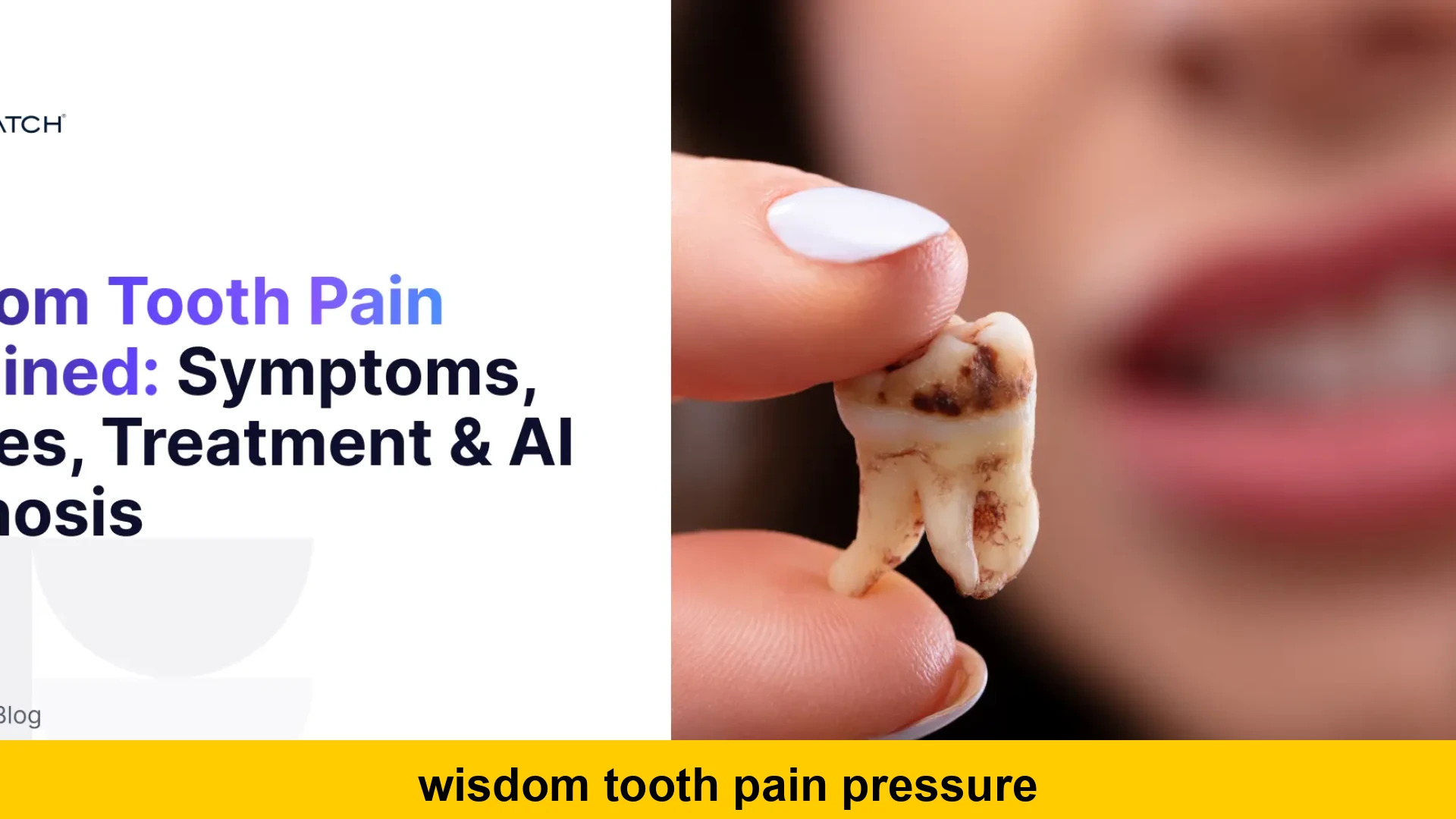
Experiencing wisdom tooth pain pressure can be an incredibly uncomfortable and distracting ordeal. This peculiar sensation often signals that your third molars, commonly known as wisdom teeth, are attempting to erupt or are already causing issues within your jaw. The throbbing, aching, or constant pressure can range from a mild annoyance to excruciating pain, significantly impacting your daily life. Understanding the root causes of this discomfort and knowing effective strategies for wisdom tooth pressure pain relief are crucial for managing your symptoms and protecting your overall oral health.
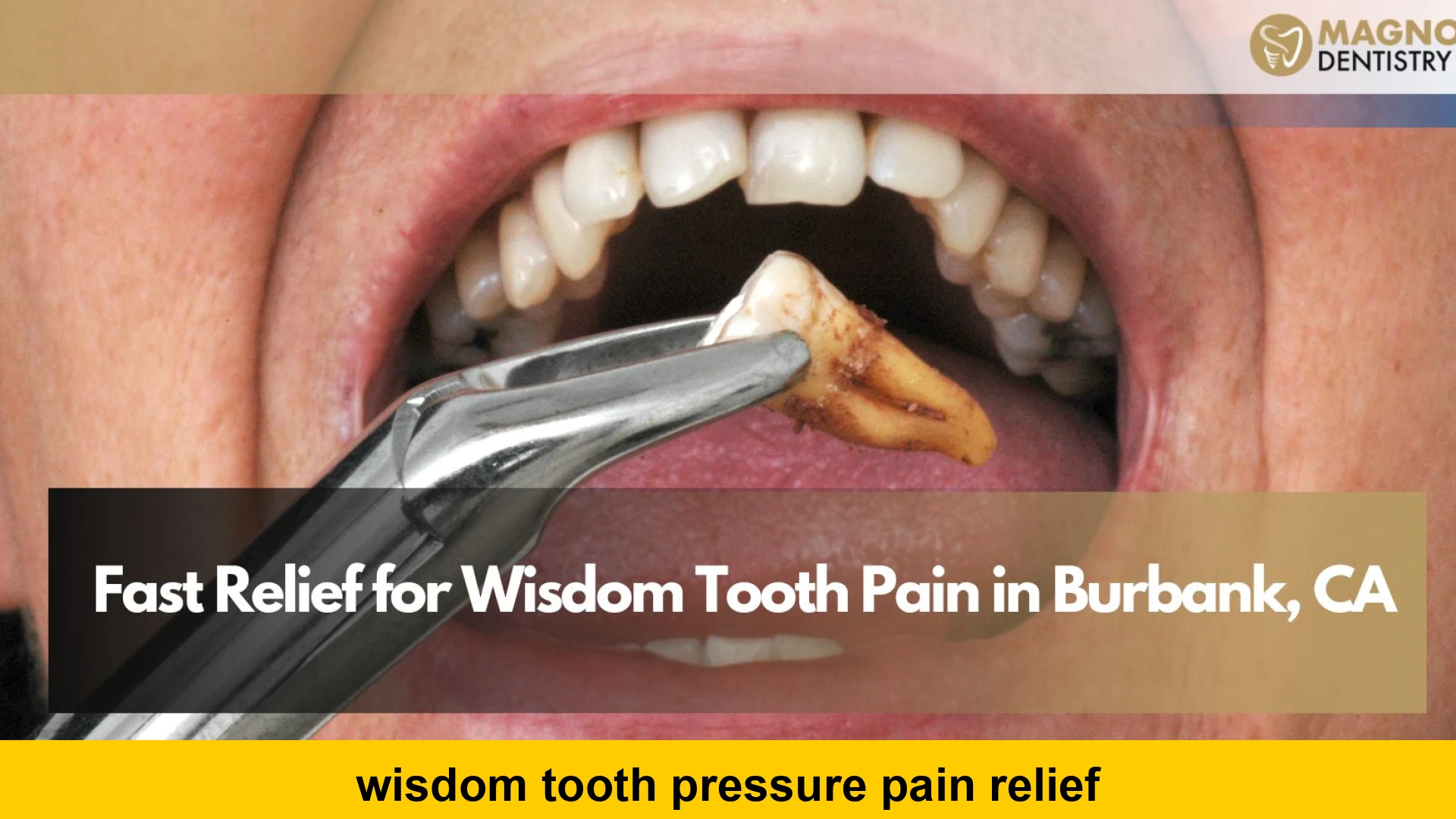
Many people will encounter issues with their wisdom teeth at some point, as these are the last teeth to emerge, typically between the ages of 17 and 25. By this time, the jaw often lacks sufficient space for them to come in properly, leading to a host of problems. This article delves deep into what causes this unique kind of dental discomfort, how to alleviate it at home, and when it’s absolutely necessary to seek professional dental care. We aim to provide you with comprehensive information to help you navigate the challenges of wisdom tooth discomfort and find lasting comfort.
Understanding Why You Experience Wisdom Tooth Pain Pressure
The sensation of wisdom tooth pain pressure isn’t just a random ache; it’s often a direct result of biological processes or complications occurring within your jaw. When your wisdom teeth begin to push through the gums, or if they become trapped, they exert significant force on surrounding teeth, bone, and soft tissues. This sustained force is what you perceive as pressure, which often culminates in noticeable pain.
One of the primary reasons for this pressure is a lack of space. Modern human jaws are often too small to accommodate these final four molars, leading to what dentists call impaction. An impacted wisdom tooth can grow at various awkward angles – horizontally, vertically, at an angle towards or away from the neighboring molar – all of which can contribute to significant discomfort and a feeling of constant pressure. This can lead to a dull ache or sharp, intermittent pain, and effectively finding wisdom tooth pressure pain relief becomes a priority.
Beyond impaction, other factors contribute to pressure from wisdom tooth pain. Sometimes, even if a wisdom tooth erupts partially, it can create a flap of gum tissue known as an operculum. Food particles and bacteria can easily become trapped under this flap, leading to an infection called pericoronitis. This infection causes swelling, inflammation, and increased pressure in the area, exacerbating the pain. Furthermore, cysts can sometimes form around an impacted wisdom tooth, which can also contribute to bone erosion and increased pressure, making the condition even more painful and complex to manage without professional intervention. Recognising the specific cause is often the first step towards effective relief.
Recognizing the Symptoms of Wisdom Tooth Pressure
The symptoms associated with wisdom tooth pain pressure can vary in intensity and type, but there are several common indicators that you might be experiencing issues with these late-erupting molars. Being able to identify these signs early can help you seek timely intervention and avoid more severe complications.
The most obvious symptom is, of course, the localized pain or pressure itself. This pain is typically felt in the very back of your mouth, often radiating towards your ear, temple, or even down your neck. It might be a constant dull ache, a throbbing sensation, or sharp, shooting pains that come and go. Many individuals describe it as a persistent feeling of tightness or a pushing sensation against their other molars, which are classic wisdom tooth pain with pressure symptoms. This kind of pressure can be particularly distressing, especially if it interferes with chewing or speaking.
Beyond the direct sensation of pressure and pain, other accompanying symptoms can include visible swelling and redness of the gum tissue around the affected tooth. You might notice tenderness when you touch the area or difficulty opening your mouth fully, a condition known as trismus. Bad breath or an unpleasant taste in your mouth can indicate an infection, especially if food particles are trapped. In some cases, the pressure behind wisdom tooth can even contribute to headaches or jaw stiffness, making it clear that a comprehensive approach to wisdom tooth pressure pain relief is necessary.
When these symptoms escalate, or if you experience fever, chills, or difficulty swallowing, it’s a clear signal that the condition might be more serious and requires immediate dental attention. Ignoring these signs can lead to more widespread infections or damage to adjacent teeth, making prompt diagnosis and treatment essential for your well-being. Knowing what to look for and when to act is key for managing your oral health.
Effective Wisdom Tooth Pressure Pain Relief Strategies
When you’re dealing with the persistent discomfort of wisdom tooth pain pressure, finding effective relief becomes a top priority. There are various strategies you can employ, ranging from home remedies to over-the-counter medications, and ultimately, professional dental interventions. The approach you take will often depend on the severity of your symptoms and the underlying cause of the pressure.
For immediate, temporary relief from minor to moderate wisdom tooth pressure, several home-based methods can be quite helpful. These methods aim to reduce inflammation, numb the area, or combat potential bacterial build-up. While they don’t solve the underlying problem, they can provide much-needed respite while you await a dental appointment. For more persistent or severe cases, combining home care with over-the-counter pain relievers can offer a stronger line of defense against the pain.
However, it’s crucial to understand that these relief strategies are often temporary. If the wisdom tooth is impacted, infected, or causing damage, these methods will only mask the problem. A dentist will be able to diagnose the exact issue using X-rays and a thorough examination, and then recommend the most appropriate long-term solution, which often involves extraction. The goal of any strategy for wisdom tooth pressure pain relief is not just to alleviate symptoms but to ensure the long-term health and stability of your entire mouth.
Home Remedies for Immediate Wisdom Tooth Pressure Pain Relief
When wisdom tooth pain pressure strikes, you might be looking for quick, accessible ways to ease the discomfort before you can see a dentist. Fortunately, several home remedies can provide temporary relief by reducing inflammation, numbing the area, or fighting off minor infections.
One of the most highly recommended and effective home remedies is a saltwater rinse. Mix a teaspoon of salt into a warm glass of water and rinse your mouth thoroughly for about 30 seconds, several times a day. The saltwater helps to clean the area, reduce inflammation, and can kill bacteria, which is particularly beneficial if you have a partially erupted tooth where food particles can get trapped. This can provide significant relief for wisdom tooth pressure by promoting a cleaner oral environment and soothing irritated gums. You’ll likely notice a reduction in swelling and general irritation after a few rinses.
Applying a cold compress to the outside of your cheek near the affected area can also work wonders for managing swelling and pain. Wrap an ice pack or a bag of frozen peas in a cloth and hold it against your cheek for 15-20 minutes at a time, taking breaks in between. This helps to constrict blood vessels, reducing inflammation and numbing the area, which can be surprisingly effective for how to relieve wisdom tooth pressure pain at home. Another popular remedy is clove oil. Dab a small amount of clove oil onto a cotton ball and apply it directly to the painful tooth and surrounding gum. Clove oil contains eugenol, a natural antiseptic and anesthetic, which can provide potent pain relief. Just be cautious not to swallow too much, as it can upset your stomach. These simple yet effective home remedies for wisdom tooth pressure relief can offer a good first line of defense against discomfort.
Over-the-Counter Options for Managing Wisdom Tooth Pressure
Beyond home remedies, there’s a range of over-the-counter (OTC) medications that can effectively help in managing wisdom tooth pain pressure. These options are readily available and can provide more substantial relief, especially for moderate to severe discomfort, by targeting pain and inflammation.
Non-steroidal anti-inflammatory drugs (NSAIDs) like ibuprofen (e.g., Advil, Motrin) are often the first choice for wisdom tooth pain. Ibuprofen works by reducing inflammation, which is a significant contributor to the pressure and pain you feel. Taking the recommended dosage can significantly lessen the throbbing and aching sensations. Another common pain reliever is acetaminophen (e.g., Tylenol), which can effectively reduce pain, though it doesn’t have the anti-inflammatory properties of NSAIDs. Many people find a combination of both, carefully staggered throughout the day, provides optimal relief for wisdom tooth pressure without exceeding the recommended daily limits for either medication. Always follow the dosage instructions on the packaging or as advised by your pharmacist.
Topical numbing gels, containing ingredients like benzocaine, can also offer temporary, localized relief. These gels work by numbing the nerve endings in the gums, providing immediate but short-lived comfort directly at the source of the wisdom tooth pressure. Simply apply a small amount to the affected gum tissue as directed. While these OTC options are excellent for managing symptoms in the short term, it’s crucial to remember they do not address the underlying cause of the problem. If your wisdom tooth pain pressure persists or worsens, professional dental advice is essential to prevent further complications and to find a long-term solution.
When to Seek Professional Help for Wisdom Tooth Pressure
While home remedies and over-the-counter medications can offer temporary wisdom tooth pressure pain relief, there are clear indicators that your discomfort warrants a visit to the dentist. Ignoring these signs can lead to more serious complications, including widespread infection or damage to adjacent teeth and jawbone.
One of the most critical reasons to see a dentist is if your wisdom tooth pain pressure is severe, persistent, or worsening despite using home care and OTC pain relievers. If the pain becomes unbearable, interferes with your sleep, or makes it difficult to eat or speak, it’s a clear signal that professional intervention is needed. This level of discomfort often suggests a more complex issue, such as a deeply impacted tooth or a significant infection that requires more than just symptom management.
Beyond escalating pain, certain accompanying symptoms should immediately prompt a dental visit. If you notice signs of infection, such as fever, chills, pus discharge from the gums, swollen lymph nodes in your neck, or a foul taste in your mouth, these are strong indications that an infection (pericoronitis) has set in. An untreated infection can spread to other areas of your mouth, jaw, or even into your bloodstream, potentially leading to serious health risks. Difficulty swallowing or breathing, although rare, are emergency symptoms that require immediate medical attention, as they could signify a severe and rapidly progressing infection. In summary, knowing when to see a dentist for wisdom tooth pressure can prevent a minor issue from becoming a major health concern, ensuring you get the comprehensive care needed for lasting wisdom tooth pressure pain relief.
The Extraction Process and Post-Extraction Care for Wisdom Tooth Pain Pressure
For many individuals experiencing persistent wisdom tooth pain pressure, extraction is often the recommended, long-term solution. While the thought of surgery can be daunting, understanding the extraction process and proper post-operative care can significantly ease anxieties and promote a smooth recovery. The decision to extract is usually made after a thorough dental examination, including X-rays, to assess the position of the wisdom teeth and potential complications.
The extraction procedure itself varies depending on whether the tooth is fully erupted or impacted. For a fully erupted tooth, a simple extraction can often be performed, similar to removing any other tooth. This involves loosening the tooth with specialized instruments and then gently removing it. For impacted wisdom teeth, a surgical extraction is usually necessary. This might involve making an incision in the gum tissue, and sometimes removing a small amount of bone that covers the tooth. The tooth may also be divided into smaller sections to facilitate easier removal. Anesthesia options range from local anesthesia (numbing the area), sedation (to help you relax), to general anesthesia (where you are fully asleep). Your dentist or oral surgeon will discuss the best option for your comfort and the complexity of the procedure. The goal is always to relieve the chronic wisdom tooth pressure pain relief caused by these problematic teeth.
Navigating Post-Extraction Care for Wisdom Tooth Pain Pressure
Once your wisdom teeth are extracted, proper post-operative care is paramount for a quick and uneventful recovery. Following your dentist’s or oral surgeon’s instructions precisely will minimize complications like dry socket, infection, and excessive swelling, and ensure effective wisdom tooth pressure pain relief during the healing phase.
Immediately after the procedure, you’ll be given gauze to bite on to control bleeding. It’s vital to keep this gauze in place for at least 30-60 minutes, changing it as needed. Swelling is a common occurrence, and applying an ice pack to your cheek intermittently for the first 24-48 hours can significantly help reduce it. Pain medication, often prescribed or recommended by your dentist, should be taken as directed to manage any discomfort. What helps with wisdom tooth pressure and pain during this period is a combination of these measures.
Dietary adjustments are also crucial. For the first few days, stick to soft foods like yogurt, mashed potatoes, applesauce, and soups. Avoid anything hot, spicy, crunchy, or chewy that could irritate the surgical sites or dislodge the blood clot. Drinking plenty of fluids is important, but avoid straws, as the sucking action can dislodge the blood clot and lead to a painful condition called dry socket. Oral hygiene should be gentle; avoid vigorous rinsing for the first 24 hours. After that, gentle saltwater rinses (a half teaspoon of salt in a glass of warm water) several times a day can help keep the area clean and promote healing. Your dentist will provide specific instructions tailored to your case and schedule a follow-up appointment to ensure everything is healing correctly, ultimately leading to successful managing wisdom tooth pressure pain aftermath.
Preventing Future Wisdom Tooth Pain Pressure Issues
While some instances of wisdom tooth pain pressure are inevitable due to genetics or jaw size, there are proactive steps you can take to prevent future problems or catch them early before they escalate into severe pain. Prevention often revolves around regular dental check-ups and maintaining excellent oral hygiene, which can significantly reduce the likelihood of complications.
Regular dental examinations are your first line of defense. During these visits, your dentist can monitor the development of your wisdom teeth through visual inspection and X-rays. X-rays are particularly important as they can reveal impacted wisdom teeth that haven’t yet caused symptoms, allowing for early intervention. If your dentist notices that your wisdom teeth are likely to cause problems in the future – perhaps due to impaction or lack of space – they might recommend proactive extraction, even before symptoms of pressure from wisdom tooth pain begin. This preventative approach can save you from future discomfort, infections, and potential damage to adjacent teeth. Discussing the `causes of wisdom tooth pressure` with your dentist can help you understand your specific risk factors.
Maintaining impeccable oral hygiene is another critical preventative measure. Even if your wisdom teeth have erupted, they are often difficult to clean because of their position at the very back of the mouth. This makes them prone to plaque accumulation, cavities, and gum disease (pericoronitis). Brushing and flossing thoroughly, paying extra attention to the back molars, can prevent bacterial build-up that leads to inflammation and infection, thereby reducing the risk of `wisdom tooth eruption pressure` and related pain. Using an antiseptic mouthwash can also help control bacteria in hard-to-reach areas. By being diligent with your dental hygiene and keeping up with regular check-ups, you’re taking significant steps towards preventing future episodes of wisdom tooth pain pressure and ensuring overall oral health. For more general advice on maintaining oral health, you can visit authoritative sources like the American Dental Association.
Long-Term Management of Wisdom Tooth Pressure Pain
For some individuals, managing wisdom tooth pressure pain isn’t a one-time event, but rather a long-term journey, especially if extraction is not immediately necessary or if complications arise. Effective long-term management involves a combination of consistent self-care, vigilant monitoring, and regular communication with your dental professional to adapt strategies as needed.
If your dentist decides to monitor your wisdom teeth rather than extract them immediately, it’s crucial to adhere to a heightened oral hygiene routine. These teeth are often harder to clean, making them susceptible to plaque and food traps. Meticulous brushing and flossing, particularly around the rear of your mouth, can prevent the build-up of bacteria that leads to inflammation, infection, and increased pressure behind wisdom tooth. Incorporating an antimicrobial mouthwash into your daily regimen can also help control bacterial populations and maintain gum health, significantly reducing instances of managing wisdom tooth pressure pain. Regular professional cleanings become even more vital to remove calculus and plaque from these difficult-to-reach areas.
Furthermore, regular follow-up appointments with your dentist are essential for long-term management. These visits allow your dentist to track the development and position of your wisdom teeth, assess any changes in your symptoms, and take new X-rays if necessary. This ongoing monitoring can help predict when an issue might arise and allow for timely intervention, preventing severe pain or infection before it starts. Addressing `why do wisdom teeth cause pressure` and understanding individual risk factors with your dentist is key. Should your symptoms of wisdom tooth pain pressure recur or intensify, or if new symptoms such as jaw stiffness or headaches (can wisdom tooth pressure cause headaches) emerge, it’s important to contact your dentist promptly. This proactive approach ensures that any potential problems are addressed swiftly, maintaining your comfort and oral health over the long term, and providing lasting wisdom tooth pressure pain relief.
Understanding the Types of Wisdom Tooth Impaction and Their Impact
The severity and type of wisdom tooth pain pressure you experience are often directly linked to how your wisdom teeth are impacted. Not all impactions are the same, and understanding the different classifications can shed light on why your pain feels the way it does and what kind of wisdom tooth pressure pain relief might be most effective.
There are generally four main types of impaction, based on the angle at which the tooth is growing. The most common is a mesial impaction, where the wisdom tooth grows forward, angled towards the front of the mouth and often pushing against the second molar. This can lead to significant `pressure from wisdom tooth pain` and potential damage to the adjacent tooth. A vertical impaction means the tooth is growing straight up but is still trapped beneath the gum line or bone, lacking the space to fully erupt. While less likely to push against other teeth, it can still cause `wisdom tooth eruption pressure` and swelling. This pressure can contribute to the `causes of wisdom tooth pressure` felt by many.
Distal impaction is less common, where the wisdom tooth grows backward, away from the second molar. While it might not exert as much forward pressure, it can still cause pain and swelling, especially if it’s trapped. Finally, horizontal impaction is often considered the most problematic. Here, the wisdom tooth lies completely on its side, often pushing directly into the root of the second molar. This can lead to severe `wisdom tooth pain with pressure symptoms`, significant pain, and potential damage to the neighboring tooth’s root or structure. In all these cases, the pressure isn’t just a discomfort; it’s a sign that the tooth is attempting to emerge in a space that doesn’t exist, leading to inflammation and stress on the surrounding tissues, making `what does wisdom tooth pressure feel like` a very real and often debilitating sensation. Recognizing the type of impaction is crucial for your dentist to plan the most effective strategy for wisdom tooth pressure pain relief, often through extraction. For more detailed insights into specific dental issues, consider visiting our article on gum inflammation.
The Link Between Wisdom Teeth and Other Oral Health Issues
The impact of problematic wisdom teeth extends beyond localized wisdom tooth pain pressure; they can significantly contribute to other serious oral health issues if left untreated. Understanding these connections emphasizes the importance of addressing wisdom tooth problems promptly, not just for immediate wisdom tooth pressure pain relief but for your overall dental well-being.
One common complication is pericoronitis, an infection of the gum tissue surrounding a partially erupted wisdom tooth. This occurs because the flap of gum tissue (operculum) over the tooth provides an ideal breeding ground for bacteria and food particles. Pericoronitis causes severe pain, swelling, and a foul taste, directly increasing the `pressure behind wisdom tooth`. If left untreated, this infection can spread to other parts of the mouth and face, potentially leading to more severe health problems. This highlights why `is pressure a sign of wisdom tooth infection` is a critical question to ask your dentist.
Moreover, impacted wisdom teeth can cause damage to adjacent teeth. As an impacted tooth pushes against the second molar, it can create an area where food and plaque accumulate, leading to cavities on either the wisdom tooth itself or the neighboring molar. The constant pressure can also contribute to root resorption of the second molar, where the root structure is gradually dissolved, potentially leading to the loss of both teeth. Cysts and tumors can also form around impacted wisdom teeth, slowly destroying the surrounding bone and potentially leading to significant structural damage to the jaw. These are `causes of wisdom tooth pressure` that need urgent attention. Furthermore, the crowding caused by erupting wisdom teeth can affect orthodontic alignment, shifting other teeth and undoing previous orthodontic work. Therefore, proactive managing wisdom tooth pressure pain through professional care is not just about comfort; it’s about safeguarding your entire oral health structure and preventing a cascade of related dental problems.
Preparing for Your Wisdom Tooth Consultation
When you’re experiencing persistent wisdom tooth pain pressure, preparing for your dental consultation is a crucial step towards finding effective relief and understanding your treatment options. A well-prepared visit ensures that you get the most out of your time with the dentist and can clearly communicate your symptoms and concerns, leading to better wisdom tooth pressure pain relief outcomes.
Firstly, make a detailed list of all your symptoms. When did the `pressure from wisdom tooth pain` start? How intense is it? Is it constant or intermittent? Does anything make it better or worse (e.g., eating, cold drinks, specific movements)? Are there any other accompanying symptoms like swelling, jaw stiffness, bad taste, or headaches (can wisdom tooth pressure cause headaches)? The more specific you can be about `what does wisdom tooth pressure feel like` and how it impacts your daily life, the better your dentist can understand your situation and formulate a diagnosis. This information will be invaluable in pinpointing the exact issue, whether it’s related to `wisdom tooth eruption pressure` or another complication.
Secondly, be ready to discuss your medical history. This includes any existing medical conditions, current medications you are taking (both prescription and over-the-counter), allergies, and previous dental treatments or surgeries. This information helps your dentist assess any potential risks or considerations for treatment. Don’t hesitate to ask questions during your consultation. You might want to know about the cause of your wisdom tooth pain pressure, the recommended treatment options, the risks and benefits of each, the expected recovery time, and the costs involved. Understanding these aspects will empower you to make an informed decision about your oral health. Taking notes during your consultation can also be helpful to remember key details. Being prepared ensures a productive conversation and moves you closer to lasting wisdom tooth pressure pain relief.
Conclusion: Taking Control of Your Wisdom Tooth Pressure Pain
Living with constant wisdom tooth pain pressure can be debilitating, affecting your ability to eat, speak, and even sleep peacefully. We’ve explored the various reasons behind this unique discomfort, from impaction and eruption to potential infections, and highlighted the importance of recognizing key symptoms. From the initial aches to more severe complications like pericoronitis, understanding these signals is the first step toward effective management.
Fortunately, a range of strategies is available to help you find wisdom tooth pressure pain relief. Simple home remedies like saltwater rinses and cold compresses can offer immediate, temporary comfort, while over-the-counter pain relievers such as ibuprofen can provide more substantial relief by targeting inflammation. However, it’s crucial to remember that these are often temporary solutions. For persistent, severe, or worsening pain, or if you notice signs of infection, seeking professional dental help is not just recommended, but essential for your well-being. Your dentist can accurately diagnose the underlying cause and recommend the most appropriate long-term treatment, often involving extraction, to truly resolve the issue and provide lasting comfort. Remember, delaying treatment can lead to more complex problems and prolonged suffering. By taking proactive steps, maintaining excellent oral hygiene, and engaging with your dental professional, you can effectively manage and overcome the challenges of wisdom tooth pain pressure, ensuring a healthier, pain-free smile for years to come.