
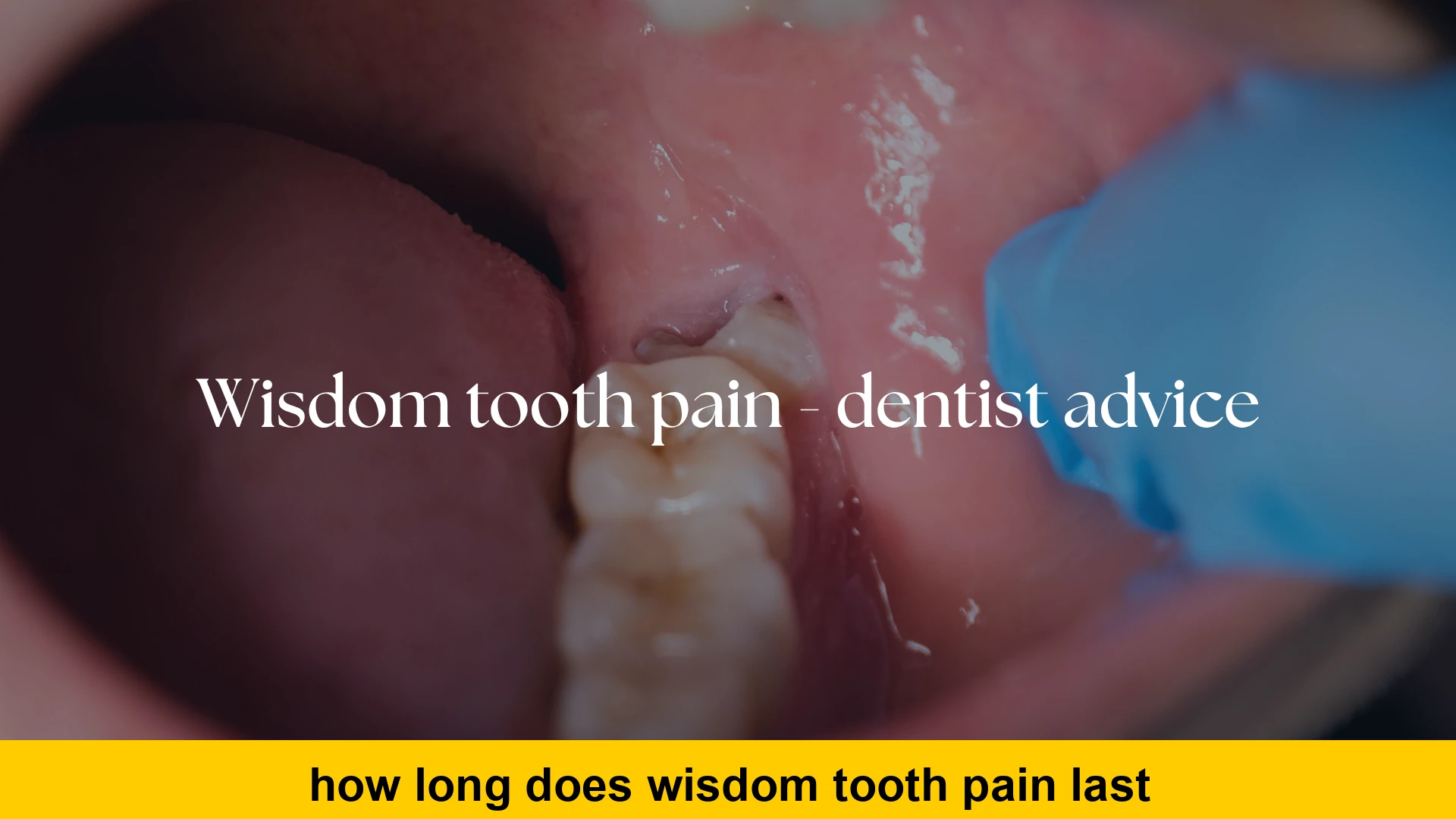
When those pesky wisdom teeth start to make their presence known, one of the most pressing questions on anyone’s mind is: how long does wisdom tooth pain last? It’s a question without a single, simple answer, as the duration and intensity of discomfort can vary significantly from person to person. Understanding the factors that influence wisdom tooth pain, from initial eruption to post-extraction recovery, is crucial for managing expectations and knowing when to seek professional help.
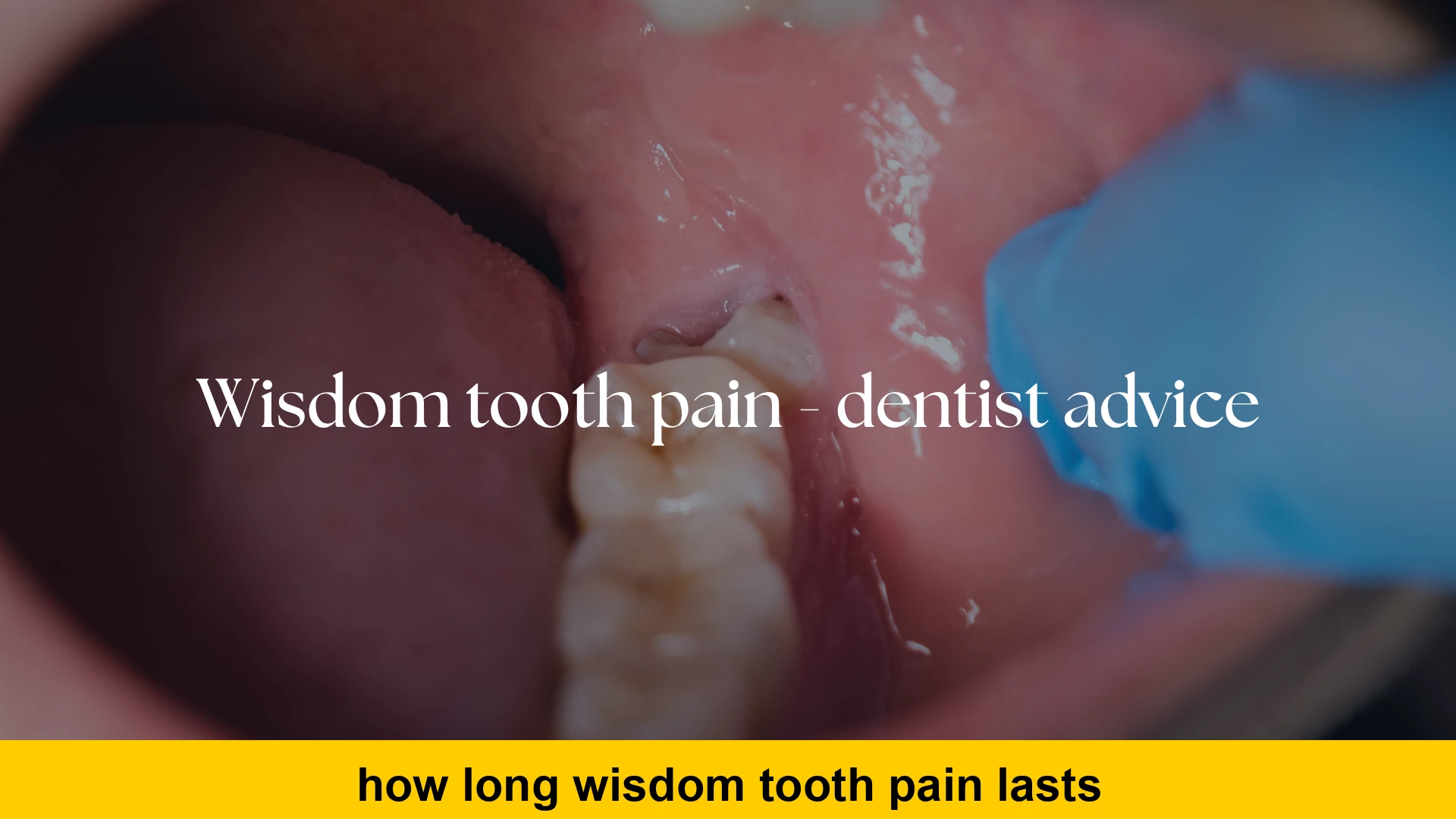
Wisdom teeth, or third molars, are the last set of teeth to erupt, typically appearing between the ages of 17 and 25. Often, there isn’t enough room in the jaw for them to emerge properly, leading to a range of issues that can cause considerable pain. This comprehensive guide will delve into the various scenarios that cause wisdom tooth pain, provide realistic timelines for its duration, and offer practical advice on managing the discomfort, whether you’re experiencing pain before or after extraction.
Understanding the Root Cause: Why Wisdom Teeth Hurt
Before we can address how long wisdom tooth pain lasts, it’s essential to understand why it occurs in the first place. The pain is usually a symptom of an underlying problem related to the wisdom tooth’s development or eruption. Identifying the cause can offer clues about the likely duration and type of discomfort you might experience.
Impacted Wisdom Teeth
One of the most common reasons for wisdom tooth pain is impaction. An impacted wisdom tooth is one that doesn’t have enough space to erupt into the mouth properly. It might grow in at an angle, push against other teeth, or remain completely trapped beneath the gum line or bone. This pressure can cause significant discomfort, ranging from a dull ache to sharp, throbbing pain.
Erupting Wisdom Teeth
Even if a wisdom tooth is erupting relatively straight, the process itself can be painful. As the tooth pushes through the gum tissue, it can cause inflammation, tenderness, and a general soreness in the back of the jaw. This is a natural part of tooth development, but it can still be quite uncomfortable.
Infection (Pericoronitis)
When a wisdom tooth partially erupts, a flap of gum tissue can form over it, creating a warm, moist environment where bacteria can thrive. This condition, known as pericoronitis, is a common source of intense wisdom tooth pain. Symptoms include swelling, redness, a foul taste in the mouth, difficulty opening the jaw, and sometimes fever. The pain from an infection like this can be severe and persistent until treated.
Damage to Adjacent Teeth or Cysts
In some cases, an impacted wisdom tooth can exert pressure on the neighboring molar, leading to pain in that tooth. Rarely, cysts or tumors can form around an impacted wisdom tooth, which can lead to bone destruction and significant pain. These less common issues highlight the importance of regular dental check-ups.
How Long Does Wisdom Tooth Pain Last Before Extraction?
For many individuals, the journey with wisdom tooth pain begins long before any talk of extraction. The duration of this pre-extraction pain largely depends on the specific issue at hand.
Intermittent Pain from Eruption
If your wisdom teeth are simply erupting and causing some pressure or tenderness, the pain might be intermittent. You might experience discomfort for a few days, which then subsides, only to return weeks or months later as the tooth continues to push through. This cycle can repeat several times. Generally, this type of pain is manageable with over-the-counter pain relievers and good oral hygiene. The `duration of wisdom tooth pain` in this scenario is often a few days at a time.
Chronic Pain from Impaction
When a wisdom tooth is impacted and constantly pressing against surrounding structures, the pain can become more chronic. You might experience a persistent, dull ache that occasionally flares up into sharper pain. This can last for weeks or even months if left unaddressed. It’s not uncommon for individuals to wonder how long does wisdom tooth pain last before extraction when dealing with a persistently impacted tooth causing constant discomfort.
Acute Pain from Infection (Pericoronitis)
Pain from an infection, such as pericoronitis, tends to be more acute and severe. This pain can start suddenly and quickly escalate, lasting until the infection is treated. Without intervention (antibiotics, cleaning, or extraction), the pain can persist for days or even weeks, often accompanied by swelling and difficulty eating. If you’re experiencing acute pain, it’s a sign that you should seek immediate dental attention to prevent the infection from spreading. Here, `how long does wisdom tooth pain last before extraction` depends entirely on when you get treatment.
It’s important to note that while some wisdom tooth pain might resolve on its own, especially if it’s due to minor eruption, persistent or severe pain is a strong indicator that a dental examination is needed. A dentist can properly diagnose the cause and recommend the appropriate course of action, which often involves extraction to prevent future problems. For more information on recognizing the warning signs, you can visit our guide on wisdom tooth pain symptoms.
The Extraction Process: A Glimpse into What to Expect
Understanding the extraction process can help demystify the recovery period and shed light on how long wisdom tooth pain lasts after extraction. Extractions can range from simple to complex, depending on the tooth’s position and impaction level.
Simple Extraction
A simple extraction is performed when the wisdom tooth has fully erupted or is only partially impacted and can be easily accessed. The dentist will numb the area, loosen the tooth with an instrument called an elevator, and then remove it with forceps.
Surgical Extraction
Surgical extraction is required for most impacted wisdom teeth, especially those still beneath the gum line or bone. This procedure involves making an incision in the gum, and sometimes removing a small amount of bone that is covering the tooth. The tooth might also need to be divided into smaller pieces to facilitate removal. After the tooth is out, the gum is sutured closed.
Both types of extractions are performed under local anesthesia, and sometimes sedation, ensuring you feel no pain during the procedure itself. The pain management strategies become critical in the days immediately following the surgery.
How Long Wisdom Tooth Pain Lasts After Extraction: A Detailed Timeline
This is where many people seek concrete answers. The timeline for recovery and pain resolution after wisdom tooth extraction is generally predictable, though individual experiences can vary. Knowing the `expected wisdom tooth pain duration after surgery` can help manage anxiety.
Immediate Post-Op (Day 1-2): Peak Discomfort
The first 24 to 48 hours after wisdom tooth extraction are typically when pain and swelling are at their peak. Once the local anesthetic wears off, you’ll likely feel throbbing or aching pain. Swelling around the jaw and cheek is common, and you might experience some bruising. This initial phase is crucial for establishing good post-operative care routines, including pain medication, cold compresses, and a soft diet. This is usually the most intense period, and most people report significant discomfort during these first two days.
Early Recovery (Day 3-7): Significant Improvement
By day three, most individuals notice a significant improvement in pain levels. The most intense throbbing should subside, becoming a more manageable ache. Swelling usually starts to decrease, although it might take a full week for it to completely resolve. This period is vital for preventing complications like dry socket. You’ll likely still need over-the-counter pain relievers or prescribed medication, but less frequently. This is often the phase where people start to feel like they are turning a corner, though some tenderness and discomfort persist.
Mid-Recovery (Week 2-4): Fading Discomfort and Tenderness
After the first week, most of the acute pain should be gone. You might still experience some residual tenderness, especially when chewing or opening your mouth wide. The surgical sites will continue to heal, and any stitches (if not dissolvable) may be removed. You should be able to resume most normal activities, but still need to be cautious with hard or crunchy foods. By the end of this period, the question of `how long does wisdom tooth pain last after extraction` should largely be answered, with most discomfort significantly diminished.
Full Healing (Month 1-6): Complete Tissue Remodeling
While the initial discomfort resolves fairly quickly, the complete healing process, where bone and gum tissue fully remodel and fill the extraction site, can take several months. You typically won’t experience pain during this phase, but you might feel slight sensitivity or an awareness of the healing area. This long-term healing is a natural biological process and not associated with persistent pain unless complications arise.
Factors That Influence the Duration of Wisdom Tooth Pain
The individual answer to how long wisdom tooth pain lasts is influenced by several key factors. Understanding these can help set realistic expectations for your own recovery.
Complexity of the Extraction
A simple extraction of an erupted tooth generally results in a quicker and less painful recovery compared to a complex surgical extraction of an impacted tooth. If bone had to be removed, or if the tooth was fragmented, the recovery period might be slightly longer and involve more initial discomfort.
Individual Pain Tolerance and Healing Rate
Everyone’s body reacts differently to pain and heals at its own pace. Some individuals have a higher pain tolerance, while others might find even mild discomfort challenging. Factors like age, overall health, and genetic predisposition can also influence how quickly you heal and how long pain lingers.
Adherence to Post-Operative Care Instructions
Following your dentist or oral surgeon’s post-operative instructions meticulously is paramount. Not rinsing properly, smoking, drinking through a straw, or engaging in strenuous activity can dislodge the blood clot in the socket, leading to complications like dry socket, which significantly prolongs pain.
Age and Overall Health
Younger patients (in their late teens or early twenties) often experience quicker healing times and less severe pain compared to older individuals, as their bones are generally more elastic and resilient. Chronic health conditions like diabetes can also impact the healing process and potentially extend the `wisdom tooth pain timeline`.
Addressing Specific Complications: When Pain Lingers
Sometimes, despite best efforts, complications can arise that extend the `timeline for wisdom tooth pain` beyond the typical recovery period. It’s crucial to be aware of these and know when to seek further professional help.
Dry Socket (Alveolar Osteitis)
Dry socket is arguably the most common and painful complication following wisdom tooth extraction. It occurs when the blood clot that forms in the extraction socket, which is crucial for healing, becomes dislodged or dissolves prematurely, exposing the underlying bone and nerves. Symptoms usually begin 3-5 days after the extraction, characterized by a sudden increase in severe, throbbing pain that can radiate to the ear, temple, or neck. It often comes with a foul odor or taste in the mouth. When patients ask how long does dry socket pain last after wisdom tooth removal, the answer is usually that the severe pain subsides within 5-7 days after a dentist cleans the socket and packs it with medicated dressing. Without treatment, the pain can be excruciating and last for a week or more.
Infection
While less common with modern surgical techniques and antibiotics, an infection can develop in the extraction site. Symptoms include worsening pain, swelling that doesn’t subside or increases, pus discharge, fever, chills, and a general feeling of malaise. If an infection occurs, the pain will persist and likely worsen until it is properly diagnosed and treated with antibiotics and possibly drainage. The question of `how long does infected wisdom tooth pain last` depends entirely on how quickly treatment is sought and how effectively the infection is cleared. It can range from days to weeks.
Nerve Damage
In rare cases, the wisdom tooth extraction can lead to damage to nearby nerves, such as the inferior alveolar nerve. This can cause numbness, tingling, or even pain (neuropathic pain) in the lip, chin, or tongue. While often temporary, permanent nerve damage is a possibility, though very rare. If this occurs, the pain or altered sensation can unfortunately be prolonged, sometimes lasting indefinitely.
Remaining Tooth Fragments or Bone Spurs
Occasionally, small fragments of the tooth or bone can be left behind, or sharp bone spurs might develop, which can irritate the gum tissue as it heals, leading to persistent discomfort. This type of pain is usually localized and can resolve once the fragment or spur is naturally shed or removed by a dentist.
Practical Pain Management Strategies for Wisdom Tooth Discomfort
Whether you’re dealing with pre-extraction pain or recovering from surgery, effective pain management is key to navigating the discomfort. These `wisdom tooth pain relief options` can make a significant difference in your comfort levels.
Over-the-Counter Pain Relievers
For mild to moderate pain, over-the-counter options like ibuprofen (Advil, Motrin) or acetaminophen (Tylenol) are often very effective. Ibuprofen also helps reduce inflammation, which is common with wisdom tooth issues. Always follow dosage instructions carefully.
Prescription Medications
After a surgical extraction, your dentist or oral surgeon might prescribe stronger pain medication, often a combination of pain relievers and anti-inflammatories, or occasionally opioids for severe pain. Use these as directed and only for the shortest duration necessary.
Cold Packs
Applying a cold compress to the outside of your cheek for 20 minutes on, 20 minutes off, during the first 24-48 hours after extraction can significantly reduce swelling and numb the area, providing pain relief. This is a crucial step in immediate post-operative care.
Warm Salt Water Rinses
Starting 24 hours after extraction (or sooner for pre-extraction pain), gently rinsing your mouth with warm salt water (1/2 teaspoon salt in 8 ounces of warm water) several times a day can help keep the area clean, reduce inflammation, and promote healing. This is particularly useful for dislodging food particles from around erupting or partially erupted wisdom teeth.
Soft Diet
Eating soft foods (yogurt, soup, mashed potatoes, smoothies) for the first few days after extraction, or when experiencing pre-extraction pain, minimizes pressure on the affected area. Avoid hard, crunchy, or chewy foods that could irritate the site or get stuck in the socket.
Rest and Elevation
Rest is crucial for healing. Elevating your head with extra pillows while sleeping can help reduce swelling in the extraction site. Avoiding strenuous activities for several days post-extraction is also important to prevent dislodging the blood clot.
Avoid Smoking and Straws
Smoking severely impairs healing and increases the risk of dry socket. The sucking motion from using a straw can also dislodge the blood clot, leading to the same painful complication. Avoid both for at least a week after extraction.
When to Seek Professional Help: Recognizing Red Flags
While some wisdom tooth pain is normal, it’s vital to know when to consult your dentist or oral surgeon. Ignoring warning signs can lead to more serious complications. If you’re wondering `what to do if wisdom tooth pain lasts too long`, these are the indicators.
Pain Worsening Instead of Improving
If your pain intensifies significantly after the first 2-3 days post-extraction, or if pre-extraction pain becomes unbearable and persistent, it’s a red flag. This could indicate a dry socket or an infection.
Excessive Bleeding or Swelling
Some minor bleeding and swelling are normal, but if you experience heavy, uncontrollable bleeding or swelling that continues to increase after 48 hours, seek immediate attention.
Fever, Chills, or Difficulty Swallowing/Breathing
These are serious symptoms that could indicate a spreading infection and require urgent medical or dental care. Do not delay in contacting a professional if you experience these.
Pus or Foul Taste/Odor
The presence of pus, a bad taste, or a persistent foul odor in your mouth could be signs of an infection developing in or around the extraction site. This means the wisdom tooth pain lasts much longer than it should.
Numbness or Tingling That Persists
While temporary numbness immediately after the procedure is normal, if numbness in your tongue, lip, or chin persists for more than 24 hours, contact your surgeon to assess for potential nerve involvement.
For any concerning symptoms, especially if your `expected wisdom tooth pain` duration seems off, it’s always best to contact your dental professional. They can provide guidance, or if necessary, schedule an urgent appointment. You can also explore options for emergency dental care if symptoms are severe.
Preventing Prolonged Wisdom Tooth Pain: Proactive Steps
Taking proactive steps can significantly reduce the likelihood of complications and ensure that how long wisdom tooth pain lasts is as short as possible.
Follow Your Dentist’s Instructions Rigorously
This cannot be stressed enough. Your dental professional will provide specific instructions for post-operative care. These instructions are designed to promote healing and prevent complications. Adhering to them, from medication schedules to dietary restrictions, is your best defense against prolonged pain.
Maintain Excellent Oral Hygiene
Even with a healing surgical site, gentle oral hygiene is vital. Brush your teeth carefully, avoiding the extraction area directly for the first few days. Continue with gentle salt water rinses as advised to keep the mouth clean and reduce bacterial load.
Avoid Strenuous Activity
Strenuous physical activity can increase blood pressure, leading to more bleeding and potentially dislodging the blood clot. Plan for a few days of rest and avoid heavy lifting or intense exercise.
Quit Smoking and Alcohol
Both smoking and alcohol can impede healing. Smoking introduces harmful chemicals and suction that can cause dry socket. Alcohol can interfere with pain medications and prolong bleeding. Avoiding these substances during recovery is highly recommended.
Attend Follow-Up Appointments
If your dentist schedules a follow-up appointment, make sure to attend. This allows them to monitor your healing process, remove any non-dissolvable sutures, and address any potential concerns before they escalate.
Early Assessment of Wisdom Teeth
For those who haven’t yet experienced wisdom tooth pain, early assessment by a dentist can often prevent future problems. Regular X-rays can show the development and position of wisdom teeth, allowing for proactive planning and timely intervention if extraction is likely to be necessary. This can often prevent the need to ask `how long does wisdom tooth pain last without extraction` by addressing issues before they become painful.
A Comprehensive Look at Wisdom Tooth Pain Timeline: A Summary
Let’s recap the various timelines for how long wisdom tooth pain lasts, keeping in mind that these are general guidelines and individual experiences may differ:
- Pre-Extraction Pain (Erupting): Can be intermittent, lasting a few days at a time, recurring over weeks or months.
- Pre-Extraction Pain (Impacted): Can range from a dull ache for weeks/months to acute, severe pain from infection lasting days until treatment.
- Post-Extraction Pain (Normal Recovery):
- Peak Discomfort: First 24-48 hours.
- Significant Improvement: Day 3-7.
- Minor Tenderness: Week 2-4.
- Complete Healing: 1-6 months (usually painless after 2-4 weeks).
- Dry Socket Pain: Typically starts 3-5 days after extraction, lasts 5-7 days after treatment. Can be much longer without intervention.
- Infection Pain: Persists and worsens until treated with antibiotics, potentially lasting weeks if untreated.
It’s clear that the `duration of wisdom tooth pain` is not a fixed period but rather a spectrum influenced by the cause, the treatment, and individual factors. Staying informed and proactive is your best strategy for a smooth experience.
Conclusion: Navigating Your Wisdom Tooth Journey with Confidence
Understanding how long does wisdom tooth pain last is essential for anyone dealing with these late-blooming molars. From the initial twinges of an erupting tooth to the recovery period after extraction, the experience can vary widely. While the most intense pain after extraction typically subsides within the first few days, complete healing takes longer, and complications can extend the discomfort.
The key takeaways are clear: do not ignore persistent or severe wisdom tooth pain. Seek professional dental advice early to accurately diagnose the problem and develop an appropriate treatment plan. If you undergo extraction, meticulous adherence to post-operative instructions is paramount to ensuring a smooth, quick recovery and minimizing the risk of painful complications like dry socket or infection. Remember that your dental team is your best resource for guidance and support throughout your wisdom tooth journey. By staying informed and proactive, you can navigate this common dental challenge with greater confidence and comfort. For more authoritative information on wisdom teeth, you can visit the American Dental Association website.