
Experiencing a throbbing ache or persistent discomfort at the back of your jaw? Chances are, your wisdom teeth are making their presence known. For many, the eruption or impaction of these final molars can be a source of significant pain and irritation. While the ultimate solution often involves a dental professional, understanding how to deal with wisdom tooth pain at home can provide much-needed temporary relief and help you manage the discomfort until you can see your dentist.
Wisdom teeth, also known as third molars, typically emerge between the ages of 17 and 25. Sometimes, they come in without a hitch, but often, there isn’t enough room in the mouth for them to erupt properly. This lack of space can lead to impaction, where the tooth grows at an angle, pushes against neighboring teeth, or only partially emerges. These scenarios are common causes of pain, swelling, and sometimes even infection. Knowing the signs and having a plan for immediate relief is crucial for anyone experiencing this particular kind of dental discomfort.
The goal of this comprehensive guide is to empower you with practical, actionable steps and home remedies to effectively alleviate wisdom teeth pain. We’ll explore various strategies, from simple oral hygiene adjustments to natural anti-inflammatory solutions, helping you find immediate relief for wisdom tooth pain at home. While these methods are excellent for managing symptoms, remember they are not a substitute for professional dental care. Always consult your dentist for a proper diagnosis and treatment plan, especially if your pain is severe or persistent.
Understanding Wisdom Tooth Pain: Why It Hurts and How to Manage Wisdom Tooth Pain at Home
The pain associated with wisdom teeth can range from a dull ache to sharp, excruciating throbbing. Understanding the root cause of this discomfort is the first step toward effective management. Most commonly, the pain stems from several issues:
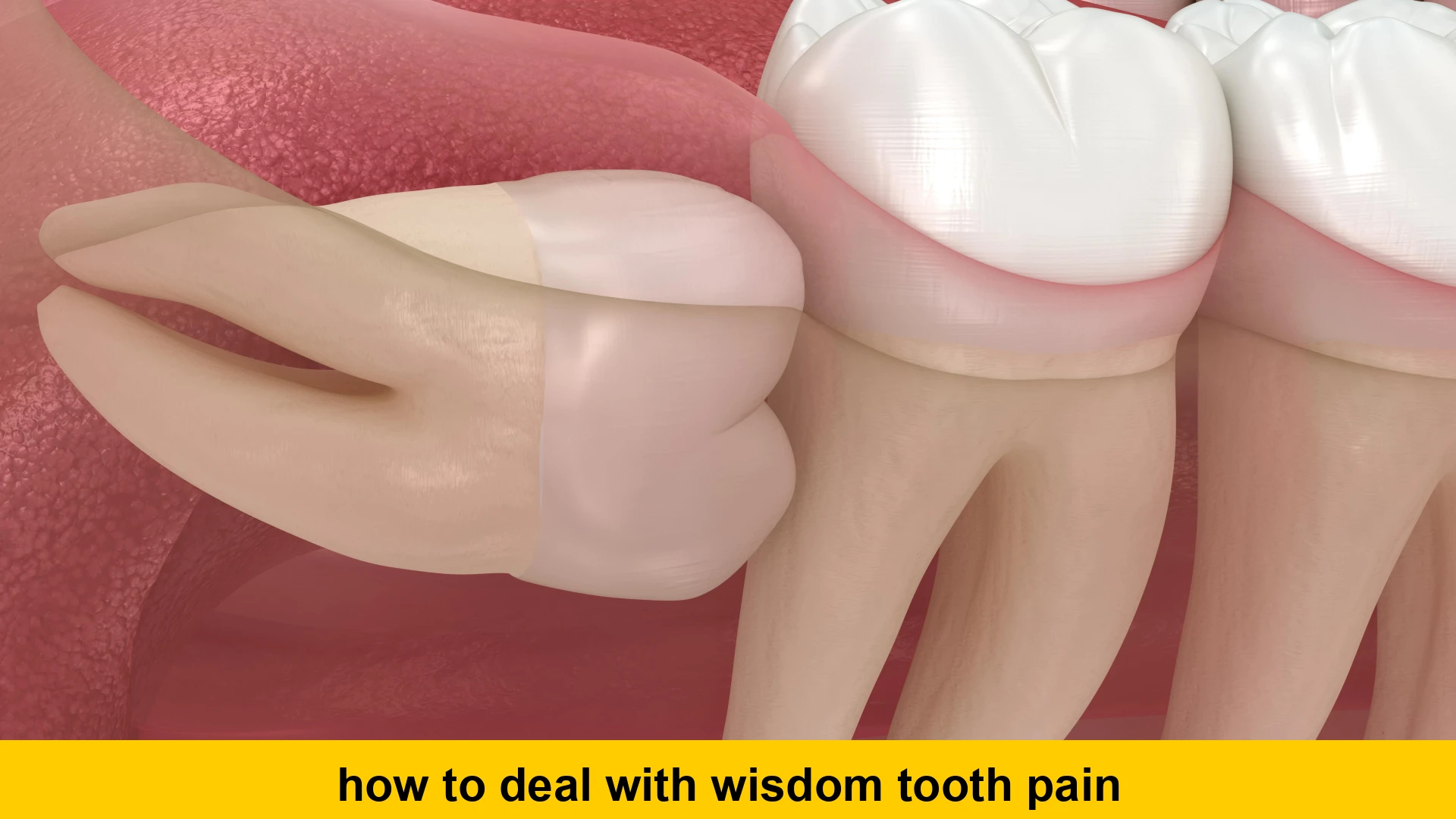
- Impaction: This occurs when the wisdom tooth doesn’t have enough room to fully erupt and gets stuck in the jawbone or under the gum line. The pressure can cause significant pain and damage to adjacent teeth.
- Infection (Pericoronitis): When a wisdom tooth only partially emerges, it creates a flap of gum tissue (operculum) that can trap food particles and bacteria. This can lead to a localized infection, causing inflammation, severe pain, swelling, and sometimes a foul taste. This is often when people seek emergency wisdom tooth pain solutions.
- Crowding: As wisdom teeth push through, they can exert pressure on other teeth, leading to general discomfort and misalignment.
- Cysts or Tumors: In rarer cases, impacted wisdom teeth can lead to the formation of cysts or tumors, which can destroy bone and damage surrounding teeth.
Recognizing these underlying issues helps in choosing the right approach for how to deal with wisdom tooth pain. While a dentist will confirm the exact problem, home remedies can often provide temporary comfort.
Immediate Home Remedies to Alleviate Wisdom Teeth Pain
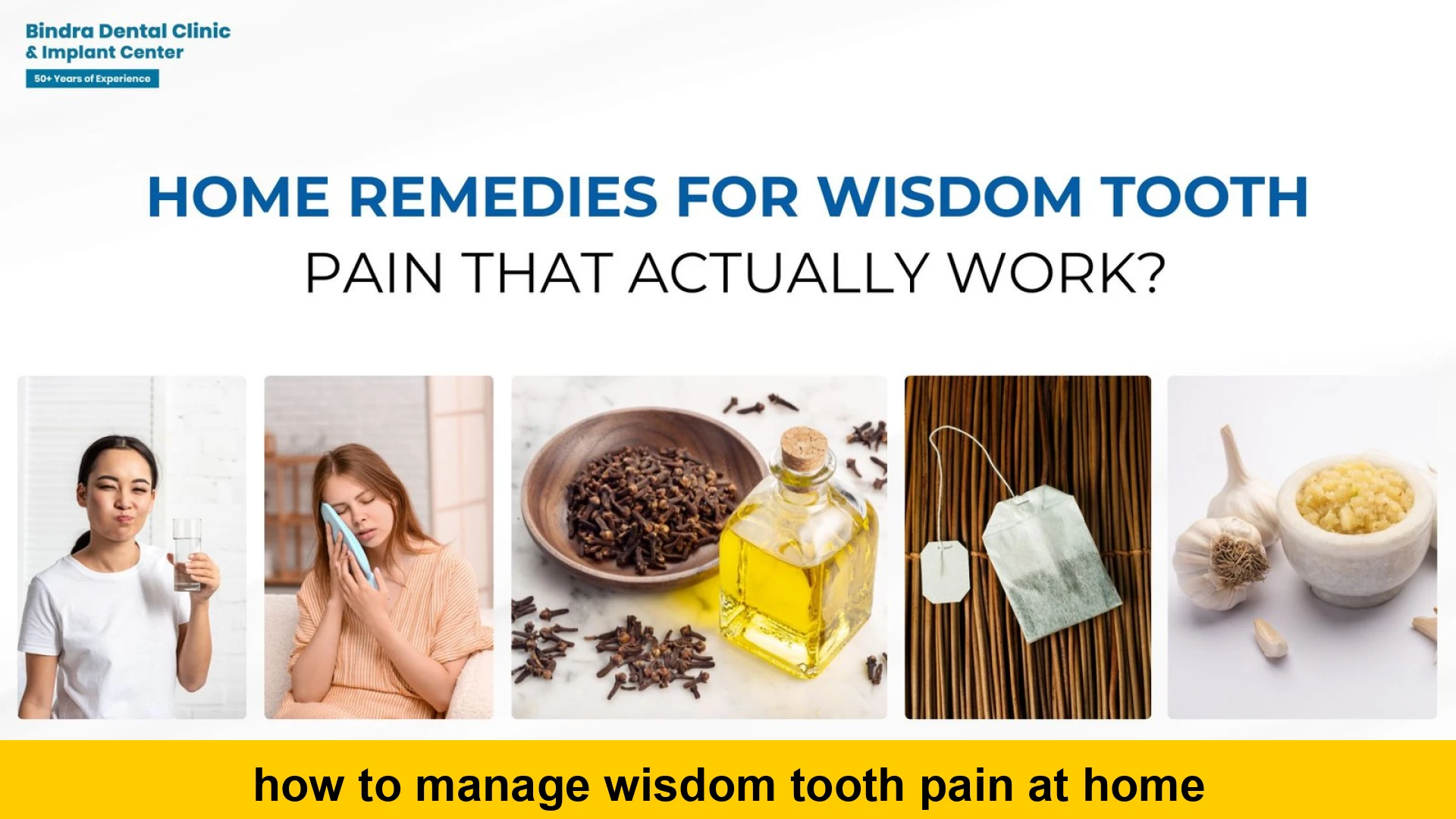
When wisdom tooth pain strikes, your first thought is usually to find quick relief. Fortunately, several simple remedies can help soothe the discomfort until you can get a dental appointment. These methods focus on reducing inflammation, numbing the area, and keeping the mouth clean to prevent further infection.
1. Saltwater Rinses: Your First Line of Defense
A warm saltwater rinse is one of the most effective and accessible home remedies for tooth pain. Saltwater acts as a natural disinfectant and can help reduce inflammation and kill bacteria in the mouth. This is particularly useful for pericoronitis, an infection around a partially erupted wisdom tooth.
- How to use: Dissolve half a teaspoon of salt in a glass of warm water. Swish the solution around your mouth for 30-60 seconds, paying extra attention to the affected area, then spit it out. Repeat this 3-4 times a day, especially after meals and before bed. This is a primary method for how to manage wisdom tooth pain at home effectively.
- Benefit: Reduces swelling, cleanses the area, and can draw out pus from infections.
2. Cold Compress: Reducing Swelling and Numbing Pain
Applying a cold compress to your cheek can significantly help in reducing swelling and numbing the pain from an angry wisdom tooth. It’s an excellent way to address the best way to reduce wisdom tooth swelling and pain.
- How to use: Wrap an ice pack or a bag of frozen peas in a clean cloth. Apply it to the outside of your jaw, over the painful area, for 15-20 minutes at a time. Take a 15-minute break and repeat as needed.
- Benefit: Constricts blood vessels, reducing inflammation and numbing the nerve endings.
3. Over-the-Counter Pain Relievers: Accessible Relief
Non-prescription pain medications are often the quickest way to get temporary relief for wisdom tooth pain at home. These can help manage pain and inflammation effectively.
- How to use: Take over-the-counter pain relievers such as ibuprofen (Advil, Motrin) or acetaminophen (Tylenol) according to package directions. Ibuprofen is particularly effective as it also helps reduce inflammation.
- Benefit: Provides systemic pain relief and reduces swelling.
4. Topical Numbing Gels: Targeted Relief
Topical anesthetic gels containing benzocaine can offer direct, localized pain relief by numbing the affected gum area. These are easily found in most pharmacies.
- How to use: Apply a small amount of the gel directly to the painful gum area around the wisdom tooth using a clean finger or a cotton swab. Follow the product’s instructions for frequency.
- Benefit: Provides immediate, temporary numbing of the pain site.
5. Clove Oil: A Traditional Remedy for Toothache
Clove oil has been a traditional remedy for toothaches for centuries, thanks to its natural anesthetic and antiseptic properties. It contains eugenol, which is a powerful natural pain reliever.
- How to use: Dab a small amount of pure clove oil onto a cotton ball or swab. Apply it gently to the affected wisdom tooth and surrounding gum tissue. Hold it in place for a few minutes. You can also dilute it with a small amount of olive oil if it feels too strong.
- Benefit: Numb the pain and fights bacteria.
6. Tea Bags: Soothing and Anti-Inflammatory
Black tea bags contain tannins, which have astringent and anti-inflammatory properties that can help reduce swelling and pain. Peppermint tea bags can also be soothing due to menthol.
- How to use: Brew a tea bag as you normally would, then let it cool until it’s lukewarm or even chilled in the refrigerator. Place the cooled, damp tea bag directly on the painful wisdom tooth area and bite down gently for about 5-10 minutes.
- Benefit: Reduces swelling and offers a calming effect.
Natural Ways to Ease Wisdom Tooth Pain Overnight and Long-Term Strategies
Beyond immediate relief, there are several natural approaches you can incorporate into your routine, especially if you’re wondering about natural ways to ease wisdom tooth pain overnight. These methods focus on broader oral hygiene and anti-inflammatory benefits.
7. Garlic and Ginger Paste: Potent Anti-Inflammatories
Garlic is known for its antibacterial properties, while ginger is a powerful anti-inflammatory. Combined, they can offer significant relief from pain and swelling.
- How to use: Crush a clove of garlic and a small piece of ginger to form a paste. Apply this paste directly to the painful area around your wisdom tooth. Leave it on for a few minutes, then rinse your mouth thoroughly with warm water.
- Benefit: Reduces inflammation and combats potential infection.
8. Onion: Antimicrobial and Anti-inflammatory Properties
Onions possess strong antimicrobial and anti-inflammatory compounds that can help reduce pain and kill germs.
- How to use: Chew on a raw piece of onion for a few minutes on the side of your mouth where the pain is. The juice released will work on the affected area. If chewing is too painful, you can place a small slice directly on the wisdom tooth.
- Benefit: Fights bacteria and reduces swelling.
9. Oil Pulling: A Holistic Approach to Oral Health
Oil pulling with coconut oil is an ancient Ayurvedic practice believed to pull toxins and bacteria from the mouth, potentially reducing inflammation and infection.
- How to use: Swish a tablespoon of organic virgin coconut oil around your mouth for 15-20 minutes, then spit it into the trash (not the sink, as it can solidify and clog pipes). Do this once a day, preferably in the morning before brushing.
- Benefit: Cleanses the mouth, reduces bacteria, and may alleviate discomfort over time.
10. Maintaining Excellent Oral Hygiene: Preventing Further Issues
When dealing with a sore wisdom tooth, it’s easy to neglect brushing and flossing due to pain. However, maintaining good oral hygiene is critical to prevent food particles and bacteria from accumulating around the partially erupted tooth, which can worsen pericoronitis or lead to new infections. This is a key aspect of how to manage wisdom tooth pain at home in the long run.
- How to use: Use a soft-bristled toothbrush to gently clean the area, even if it’s sensitive. Consider using an antiseptic mouthwash (e.g., chlorhexidine, if recommended by a dentist, or a natural one like tea tree oil mouthwash) to further reduce bacteria. Floss carefully around the wisdom tooth if possible.
- Benefit: Prevents infection, reduces inflammation, and keeps the area clean.
11. Soft Food Diet: Easing Pressure and Discomfort
Chewing hard or sticky foods can put extra pressure on an already sensitive wisdom tooth, exacerbating the pain. Opting for a soft food diet can provide significant relief.
- How to use: Stick to foods like soups, yogurts, mashed potatoes, smoothies, soft scrambled eggs, and well-cooked vegetables. Avoid anything that requires vigorous chewing.
- Benefit: Minimizes irritation and pressure on the painful area, allowing it to rest and heal.
12. Elevating Your Head While Sleeping: Reducing Swelling
For those experiencing significant swelling, elevating your head slightly while sleeping can help reduce blood flow to the head and minimize inflammation in the jaw area. This can be a helpful tip for natural ways to ease wisdom tooth pain overnight.
- How to use: Use an extra pillow or two to prop your head up.
- Benefit: Helps drain fluids from the swollen area, potentially reducing pressure and pain.
When to See a Dentist for Wisdom Tooth Pain: Recognizing Warning Signs
While home remedies can offer temporary relief, it’s vital to recognize that they are not a cure for underlying dental problems. If you’re wondering what to do for wisdom tooth pain until dentist, these home treatments are excellent. However, a dental visit is always necessary for a proper diagnosis and treatment plan. Here are clear indicators that it’s time to stop trying to deal with wisdom tooth discomfort at home and seek professional help:
- Severe or Worsening Pain: If the pain is intense and doesn’t improve with home remedies, or if it gets progressively worse, it’s a red flag.
- Persistent Swelling: Swelling that extends to your cheek, jaw, or even throat, especially if accompanied by difficulty swallowing or opening your mouth, requires immediate attention. This could indicate a severe infection.
- Fever or Chills: These are signs of a systemic infection, which can be dangerous if left untreated.
- Difficulty Swallowing or Breathing: This is a dental emergency. Swelling in the throat area can compromise your airway. Seek immediate medical attention.
- Pus or Foul Taste: A discharge of pus or a persistent foul taste in your mouth often indicates an active infection around the wisdom tooth (pericoronitis).
- Bleeding: Unexplained or excessive bleeding from the gum area around the wisdom tooth.
- Pain Radiating to Other Areas: If the pain spreads to your ear, temple, or neck, it could indicate a more serious issue or a widespread infection.
Ignoring these symptoms can lead to more serious complications, including widespread infections (abscesses), damage to adjacent teeth, or even cysts and tumors. Your dentist will be able to assess the position of your wisdom teeth, determine if they are impacted, and recommend the best course of action, which may include extraction. For further information on oral health and when to seek emergency care, you can visit the American Dental Association website.
Preparing for Your Dental Appointment: What to Expect and How to Relieve Wisdom Tooth Pressure and Pain
When you schedule an appointment for wisdom tooth pain, your dentist will conduct a thorough examination. This typically includes:
- Visual Examination: The dentist will look at the wisdom tooth area for signs of swelling, redness, and decay.
- X-rays: Dental X-rays (often panoramic X-rays) are crucial. They provide a clear picture of the wisdom tooth’s position, its roots, and its relationship to surrounding teeth and nerves. This helps determine if the tooth is impacted and if extraction is necessary.
- Discussion of Symptoms: Be prepared to describe your pain, how long it’s been occurring, and what makes it better or worse.
Based on the findings, your dentist will discuss your treatment options. These might include:
- Monitoring: If the wisdom tooth is coming in without problems, they might simply advise monitoring.
- Antibiotics: If an infection (pericoronitis) is present, antibiotics may be prescribed to clear it before any procedure. This is a common step when dealing with effective home remedies for wisdom tooth infection pain.
- Extraction: If the tooth is impacted, causing pain, infection, or threatening other teeth, extraction is often recommended. This is a very common procedure.
During this period, you might continue to use home remedies for wisdom tooth pain relief as a temporary measure. Understanding your options and being prepared for the appointment can help ease any anxiety.
Long-Term Pain Management Tips for Wisdom Tooth Eruption
If your wisdom teeth are erupting slowly or intermittently, you might experience recurring bouts of pain. Here are some long-term pain management tips for wisdom tooth eruption:
- Regular Dental Check-ups: Schedule regular check-ups so your dentist can monitor the eruption of your wisdom teeth and intervene early if problems arise.
- Diligent Oral Hygiene: As mentioned, meticulous cleaning, especially around partially erupted teeth, is crucial to prevent infection and discomfort. Use a small-headed toothbrush to reach the back of your mouth.
- Antiseptic Mouthwash: Incorporate an antiseptic mouthwash into your daily routine to reduce bacterial load, particularly in hard-to-reach areas around erupting wisdom teeth.
- Avoid Hard and Sticky Foods: Continue to be mindful of your diet during periods of eruption to avoid aggravating the area.
- Understand Your Body: Pay attention to your symptoms. If you notice any of the warning signs mentioned above, do not hesitate to contact your dentist.
These strategies are designed to complement professional dental care, not replace it. The ultimate goal is to minimize discomfort and prevent complications while your wisdom teeth are actively moving.
Dealing with Anxiety Related to Wisdom Tooth Pain
For many, the thought of wisdom tooth pain, or the potential need for extraction, can bring about significant anxiety. This fear is perfectly normal, but there are ways to manage it:
- Educate Yourself: Understanding the process, as this article aims to help, can demystify it and reduce fear.
- Communicate with Your Dentist: Don’t hesitate to express your concerns. Dentists are accustomed to anxious patients and can offer sedation options or simply take extra time to explain everything.
- Practice Relaxation Techniques: Deep breathing, meditation, or listening to calming music can help manage anxiety before and during dental visits.
- Focus on Solutions: Instead of dwelling on the pain, focus on the actionable steps you can take, both at home and by seeing a dentist, to resolve the issue. Knowing how to deal with wisdom tooth pain proactively can be empowering.
Remember, dental professionals are there to help, and dealing with wisdom tooth pain is a routine part of their practice. They have the tools and expertise to make the experience as comfortable as possible.
Preventing Future Wisdom Tooth Pain
While you can’t always prevent wisdom teeth from causing issues, especially if they are impacted, you can take steps to minimize the chances of severe pain or infection:
- Regular Dental Check-ups: Early detection of wisdom tooth issues through regular X-rays and examinations allows for proactive management. Your dentist can advise if extraction is likely necessary before significant pain or complications arise.
- Maintain Excellent Oral Hygiene: Consistently brushing and flossing, particularly in the back of your mouth, helps prevent food and bacteria buildup around partially erupted wisdom teeth, reducing the risk of pericoronitis.
- Address Crowding Early: If your dentist notes that your jaw doesn’t have enough space for wisdom teeth, early extraction might be recommended to prevent future pain and potential damage to other teeth.
Proactive care is always better than reactive treatment. By staying on top of your dental health, you empower yourself to deal with wisdom tooth pain before it becomes unbearable.
Understanding the Recovery Process After Wisdom Tooth Extraction
If your dentist determines that extraction is the best course of action to resolve your wisdom tooth pain, it’s helpful to know what to expect during the recovery period. This stage is crucial for ensuring proper healing and avoiding complications.
- Immediate Post-Op: After the extraction, you’ll likely experience some swelling, discomfort, and possibly some minor bleeding. Your dentist will provide specific instructions for managing these symptoms, including pain medication prescriptions, advice on using ice packs, and how to control bleeding.
- Dietary Restrictions: For the first few days, you’ll need to stick to soft foods and liquids. Avoid anything hot, spicy, or crunchy that could irritate the extraction site. Gradually reintroduce solid foods as directed by your dentist.
- Oral Hygiene Post-Extraction: Gentle oral hygiene is vital. Your dentist will instruct you on how and when to begin rinsing with salt water or a prescribed mouthwash. Avoid aggressive brushing or spitting during the initial healing phase to prevent dislodging the blood clot, which can lead to a painful condition known as ‘dry socket’.
- Activity Restrictions: Limit strenuous activities for the first few days to prevent bleeding and swelling. Rest is key to a smooth recovery.
- Follow-Up Appointments: Your dentist may schedule a follow-up appointment to check on your healing progress and remove any remaining sutures.
Following your dentist’s post-operative instructions meticulously is the best way to ensure a quick and comfortable recovery, moving beyond the immediate need to deal with wisdom tooth discomfort to long-term relief. Remember that even if you initially used home remedies for wisdom tooth ache, professional intervention often leads to a permanent solution.
If you encounter any unusual symptoms during recovery, such as severe pain that doesn’t subside with medication, excessive bleeding, high fever, or difficulty swallowing, contact your dentist immediately. These could be signs of a complication needing prompt attention.
For more detailed information on dental procedures and aftercare, you can explore resources on /dental-procedures-explained/ or /oral-surgery-recovery-tips/. These internal links provide additional context and guidance for related topics, further enhancing your understanding of dental health.
Conclusion: Taking Control of Your Wisdom Tooth Pain
Dealing with wisdom tooth pain can be an incredibly uncomfortable experience, but you don’t have to suffer in silence. This comprehensive guide has provided you with a wealth of information on how to manage wisdom tooth pain at home, offering practical home remedies and actionable steps to find temporary relief. From the soothing power of saltwater rinses and cold compresses to the traditional effectiveness of clove oil and the modern convenience of over-the-counter pain relievers, you now have a toolkit to alleviate wisdom teeth pain.
Remember, while these home solutions are excellent for immediate and temporary comfort, they are not a substitute for professional dental care. It’s crucial to understand when to see a dentist for wisdom tooth pain, especially if symptoms are severe, persistent, or accompanied by signs of infection like fever or extensive swelling. A dental professional can accurately diagnose the underlying issue and recommend the most appropriate long-term treatment, often involving extraction, to truly stop wisdom tooth pain.
By staying informed, maintaining excellent oral hygiene, and knowing when to seek expert help, you can effectively navigate the challenges of wisdom tooth pain. Don’t let discomfort dictate your day; take proactive steps to manage your pain and ensure your overall oral health. Your comfort and well-being are paramount, and with the right approach, you can put an end to the distress caused by erupting or impacted wisdom teeth.