
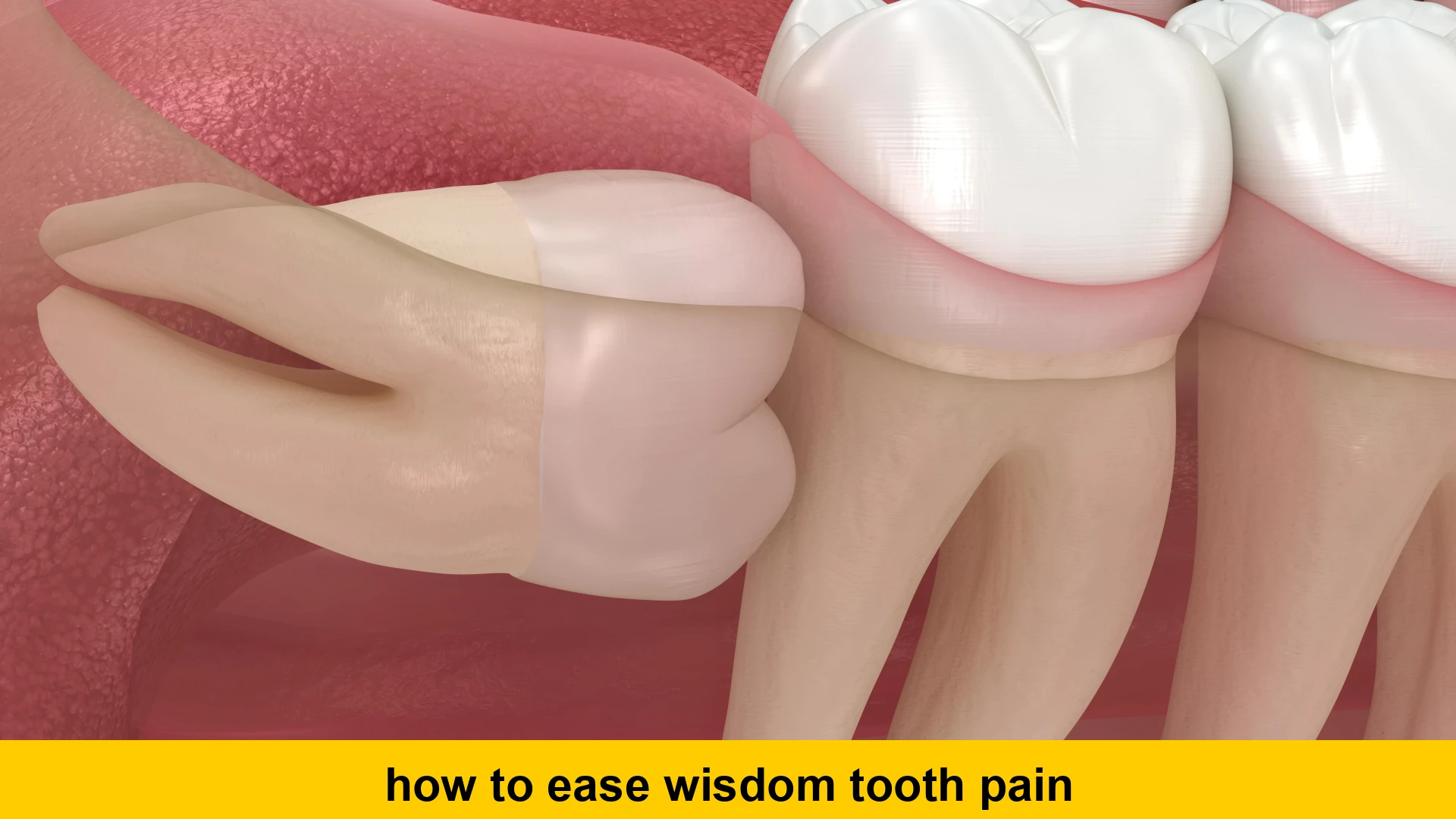
Wisdom tooth pain can be an incredibly disruptive and agonizing experience. Emerging in the very back of your mouth, these third molars often cause discomfort, swelling, and sometimes even infection as they try to erupt, or if they become impacted. When the throbbing starts, the immediate question that comes to mind is: how to ease wisdom tooth pain quickly and effectively? While a visit to the dentist is always the ultimate solution for persistent or severe issues, knowing how to relieve wisdom tooth pain at home can provide much-needed temporary relief and help you manage the discomfort until you can get professional help. This comprehensive guide will walk you through a variety of practical home remedies, over-the-counter options, and essential tips to help alleviate your pain and make the waiting period more bearable.
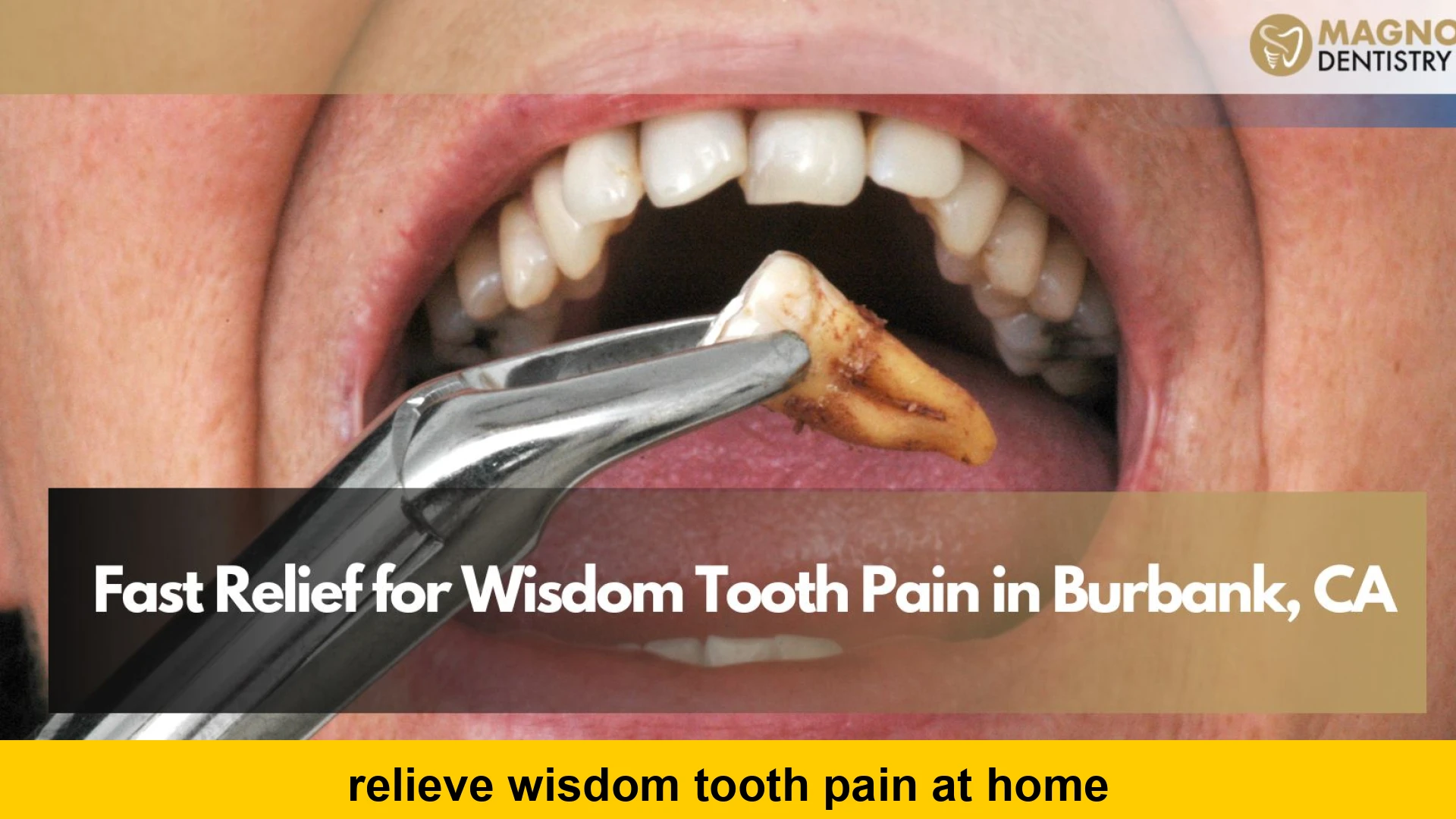
Many individuals experience their wisdom teeth erupting between the ages of 17 and 25. For some, they come in without a hitch, but for many others, these late arrivals bring a host of problems. Understanding the underlying causes of your wisdom tooth pain is the first step toward effective management. Whether it’s due to impaction, a partial eruption creating a flap of gum tissue susceptible to infection (pericoronitis), or simply the pressure of a tooth trying to break through, the pain can range from a dull ache to sharp, intense throbbing. Our goal here is to empower you with actionable strategies to relieve wisdom tooth pain at home, ensuring you can find comfort and reduce inflammation effectively.
Understanding Wisdom Tooth Pain: Why It Happens and How to Relieve Wisdom Tooth Pain at Home
Before diving into specific remedies, it’s helpful to understand why wisdom teeth can be so problematic. Most people’s jaws simply don’t have enough room for these four extra molars, leading to a variety of issues. When a wisdom tooth doesn’t have enough space to erupt properly, it becomes ‘impacted’. This means it might grow in at an awkward angle, push against neighboring teeth, or get stuck beneath the gum line or jawbone. This impaction is a primary reason for the sharp pain and pressure you might feel.
Another common culprit is pericoronitis. This occurs when a wisdom tooth partially erupts, creating a flap of gum tissue over the tooth. Food particles and bacteria can easily get trapped under this flap, leading to inflammation, infection, and significant pain. Symptoms often include tenderness, swelling, difficulty chewing, and sometimes a foul taste in your mouth. Left untreated, this can worsen and spread, highlighting the importance of knowing how to relieve wisdom tooth pain at home while awaiting professional dental care.
Less common but equally painful causes include tooth decay or cysts. Because wisdom teeth are so far back in the mouth, they can be difficult to clean effectively, making them more prone to cavities. Cysts can also form around an impacted wisdom tooth, growing larger over time and potentially damaging adjacent teeth or bone. Regardless of the exact cause, the throbbing, swelling, and general discomfort demand attention, and immediate action to relieve wisdom tooth pain at home can make a significant difference in your daily comfort.
Immediate Actions: First Steps to Ease Wisdom Tooth Pain
When wisdom tooth pain strikes, your first priority is often immediate relief. Before you even consider long-term solutions or visiting the dentist, there are several actions you can take right away to help ease the discomfort and begin the process of calming the inflammation. These initial steps are crucial for anyone wondering how to ease wisdom tooth pain quickly.
Firstly, ensure the affected area is as clean as possible. Food particles trapped around a partially erupted wisdom tooth can exacerbate pain and increase the risk of infection. Gently brush the area, and rinse your mouth thoroughly with warm water. This simple act can sometimes dislodge irritating debris and provide a small measure of relief. It’s a fundamental part of learning how to relieve wisdom tooth pain at home, as maintaining hygiene is paramount.
Secondly, over-the-counter (OTC) pain relievers can be your best friend in the initial hours of pain. Non-steroidal anti-inflammatory drugs (NSAIDs) like ibuprofen (Advil, Motrin) or naproxen (Aleve) are particularly effective because they not only reduce pain but also target inflammation, which is often a major component of wisdom tooth discomfort. Acetaminophen (Tylenol) can also help with pain, although it doesn’t have the same anti-inflammatory properties. Always follow the dosage instructions on the packaging. These medications are a cornerstone in how to relieve wisdom tooth pain at home for many individuals.
Finally, avoid irritating the area further. Steer clear of very hot or cold foods, hard or chewy items, and sugary or acidic drinks. These can all aggravate an already sensitive wisdom tooth and surrounding gums. Opt for soft, lukewarm foods and liquids to minimize additional discomfort. By taking these immediate actions, you’re setting the stage for more advanced home remedies to be effective and truly begin to ease wisdom tooth pain.
How to Relieve Wisdom Tooth Pain at Home: Effective Home Remedies
When the pain from a wisdom tooth becomes unbearable, turning to natural, readily available home remedies can provide significant comfort while you await a dental appointment. These methods focus on reducing inflammation, fighting bacteria, and temporarily numbing the area. Learning how to relieve wisdom tooth pain at home through these remedies offers a powerful toolkit for managing discomfort.
Saltwater Rinse: A Classic Solution
A warm saltwater rinse is perhaps one of the oldest and most effective home remedies for oral pain, including wisdom tooth discomfort. Salt acts as a natural disinfectant, helping to clear away bacteria that might be contributing to infection and inflammation around the affected tooth. It also promotes healing and can draw out pus from infected areas, making it a critical tool in how to ease wisdom tooth pain.
- How to Use: Dissolve half a teaspoon of salt in a glass of warm water. Swish the solution around your mouth, paying extra attention to the painful area, for about 30-60 seconds before spitting it out.
- Frequency: Repeat this process several times a day, especially after meals and before bed.
- Benefits: Reduces swelling, kills bacteria, and cleanses the area, offering immediate relief and helping to prevent further infection.
Clove Oil: Nature’s Anesthetic
Clove oil has been used for centuries as a natural pain reliever for toothaches, thanks to its active ingredient, eugenol, which is a natural anesthetic and antiseptic. It’s an excellent choice for anyone looking for a natural way to relieve wisdom tooth pain at home.
- How to Use: Place a few drops of clove oil onto a clean cotton ball. Gently dab the cotton ball directly onto the affected wisdom tooth and surrounding gum area. You can also dilute it with a small amount of olive oil if the pure oil feels too strong.
- Precautions: Do not swallow large amounts of clove oil. It can cause irritation if used in excessive quantities. Start with a small amount and reapply as needed.
- Benefits: Provides temporary numbing and has strong antimicrobial properties, making it a very effective solution to ease wisdom tooth pain.
Ice Packs/Cold Compress: Reducing Swelling
Applying a cold compress or ice pack to the outside of your cheek can be incredibly effective in reducing swelling and numbing the pain associated with an erupting or impacted wisdom tooth. This method works by constricting blood vessels, which helps to minimize inflammation and reduce nerve pain signals.
- How to Use: Wrap an ice pack or a bag of frozen peas in a thin cloth. Apply it to the outside of your cheek, over the painful area, for 15-20 minutes at a time.
- Frequency: Take a 15-20 minute break, then reapply. You can do this several times throughout the day.
- Benefits: Significantly reduces swelling and provides a numbing effect, offering quick wisdom tooth pain relief without extraction if the pain is primarily from inflammation.
Warm Compress: Soothing Ache
While cold compresses are great for acute swelling, a warm compress can also help to ease wisdom tooth pain by promoting blood flow and relaxing tense muscles in the jaw. It can be particularly soothing for a persistent, dull ache.
- How to Use: Soak a clean cloth in warm (not hot) water, wring out the excess, and apply it to your cheek for 10-15 minutes.
- Frequency: Alternate between cold and warm compresses for maximum benefit.
- Benefits: Soothes muscle soreness, reduces stiffness, and can alleviate deep-seated pain.
Tea Bags (Peppermint, Black Tea): Anti-inflammatory Properties
Certain types of tea bags can be surprisingly effective due to their natural anti-inflammatory and antiseptic properties. Peppermint tea contains menthol, which can have a mild numbing effect, while black tea contains tannins that can reduce swelling and fight bacteria.
- How to Use: Steep a tea bag (peppermint or black tea) in hot water for a few minutes, as if making tea. Remove the tea bag and let it cool until it’s warm or even cool. Place the moist tea bag directly on the painful wisdom tooth or gum for about 20 minutes.
- Benefits: Provides a soothing sensation, reduces inflammation, and offers antiseptic benefits, making it an excellent natural remedy for wisdom tooth discomfort.
Garlic: A Natural Antiseptic
Garlic is well-known for its powerful antimicrobial and anti-inflammatory properties. Allicin, the active compound in garlic, can help kill bacteria that might be causing an infection around your wisdom tooth.
- How to Use: Crush a clove of garlic and mix it with a pinch of salt or a drop of olive oil to form a paste. Apply this paste directly to the affected area. Alternatively, you can gently chew on a small piece of raw garlic near the painful tooth, if you can tolerate it.
- Precautions: Garlic can have a strong taste and might cause a burning sensation for some. Use cautiously.
- Benefits: Fights infection, reduces inflammation, and helps relieve wisdom tooth pain at home by tackling the root cause of bacterial growth.
Onion: Antimicrobial Power
Similar to garlic, onions possess strong antimicrobial and anti-inflammatory properties that can help combat infection and reduce pain. Quercetin, a flavonoid found in onions, is particularly noted for its anti-inflammatory effects.
- How to Use: Cut a small piece of raw onion and gently chew it on the side of your mouth where the pain is located. The juice released can help alleviate the discomfort. If chewing is too painful, simply place a piece of onion directly on the affected tooth or gum.
- Benefits: Helps to sterilize the area, reduce bacterial load, and lessen inflammation, contributing to effective pain management.
Guava Leaves: Traditional Pain Relief
Guava leaves have been traditionally used in many cultures for their medicinal properties, particularly for pain relief and wound healing. They contain flavonoids and tannins that have anti-inflammatory and analgesic effects.
- How to Use: Chew on one or two fresh guava leaves until their juice starts to work on the affected tooth. Alternatively, boil 4-6 guava leaves in water, let the solution cool, and use it as a mouthwash.
- Benefits: Reduces inflammation and pain, and can also have antiseptic properties, making them a useful natural remedy for wisdom tooth discomfort.
Oil Pulling: A Holistic Approach
Oil pulling, an ancient Ayurvedic practice, involves swishing a tablespoon of oil (like coconut, sesame, or sunflower oil) in your mouth for 15-20 minutes. While not a direct pain reliever, it can significantly improve overall oral hygiene and reduce the bacterial load in your mouth, which can indirectly help in managing wisdom tooth pain, especially if infection is a concern.
- How to Use: Take a tablespoon of chosen oil and swish it around your mouth for 15-20 minutes. Spit it out and rinse your mouth thoroughly with warm water.
- Frequency: Do this once daily, ideally in the morning on an empty stomach.
- Benefits: Reduces bacteria, freshens breath, and supports gum health, which can indirectly ease wisdom tooth pain by creating a healthier oral environment.
Elevating Your Head: Relief at Night
When trying to stop wisdom tooth pain at night, elevating your head with extra pillows can help. This reduces blood flow to the head and the pressure in the affected area, which can lessen throbbing pain and swelling. It’s a simple yet effective tip for better sleep when experiencing discomfort.
Applying a Cold Teabag: Targeting Swelling
Beyond peppermint and black tea, a plain, cold, wet teabag (especially black tea due to tannins) can be pressed gently against the affected area. The tannins can help reduce swelling and stop minor bleeding, offering localized relief.
Hydrogen Peroxide Rinse: Antiseptic Power
A diluted hydrogen peroxide rinse can help kill bacteria and reduce inflammation, particularly if there’s a mild infection. Mix equal parts 3% hydrogen peroxide and water, swish for 30 seconds, and spit out. Do not swallow. This can be a useful addition to your routine to relieve wisdom tooth pain at home.
Acupressure Points: Complementary Therapy
While not a primary solution, some people find relief by applying pressure to certain acupressure points. For instance, pressing the point between your thumb and index finger (LI4 point) for a minute or two can sometimes help dull general pain sensations in the head and face. This can be a complementary method in your efforts to ease wisdom tooth pain.
Aloe Vera: Soothing and Healing
Aloe vera is known for its soothing and anti-inflammatory properties. Applying a small amount of pure aloe vera gel directly to the painful gum area can help reduce swelling and promote healing. It’s gentle and can provide a cooling sensation, making it a good option for sensitive areas.
Best Ways to Ease Wisdom Tooth Pain with Natural & OTC Solutions
Combining the power of over-the-counter medications with the soothing effects of natural remedies often provides the best approach to manage wisdom tooth pain before professional intervention. Understanding how to use these options synergistically is key to effectively relieving wisdom tooth pain at home.
Over-the-Counter Pain Relievers: Your First Line of Defense
As mentioned earlier, OTC pain relievers are essential for immediate pain management. They work differently to provide relief:
- NSAIDs (Ibuprofen, Naproxen): These are non-steroidal anti-inflammatory drugs that reduce both pain and inflammation. They are highly recommended for dental pain, especially when swelling is present. Taking them at the maximum recommended dose (as per package instructions) can significantly curb acute pain.
- Acetaminophen (Tylenol): This medication primarily targets pain. While it doesn’t reduce inflammation, it can be a good option if you cannot take NSAIDs or if you need additional pain relief.
- Combination Therapy: For severe pain, some dentists recommend alternating between ibuprofen and acetaminophen every few hours, provided you stay within the daily dosage limits for each. Always consult a healthcare professional before combining medications.
Topical Anesthetics: Direct Numbing
Topical anesthetic gels or creams containing benzocaine can offer localized, temporary numbing directly to the affected area. These are often found in products like Orajel or Anbesol.
- How to Use: Apply a small amount of the gel directly onto the painful wisdom tooth and surrounding gum tissue with a clean finger or cotton swab.
- Precautions: These gels provide temporary relief and should not be used excessively or for prolonged periods. They are not a substitute for proper dental care. Ensure you are not allergic to benzocaine.
- Benefits: Provides very quick wisdom tooth pain relief without extraction, by numbing the nerve endings in the gum tissue.
Combining Approaches to Relieve Wisdom Tooth Pain at Home
The most effective strategy often involves a multi-pronged approach. For example, you might take an NSAID for systemic pain and inflammation reduction, apply clove oil or a topical anesthetic for localized numbing, and regularly rinse with saltwater to keep the area clean and reduce bacterial load. This combination addresses different aspects of the pain and can offer the best way to ease wisdom tooth pain.
Consider creating a routine: take your pain reliever as directed, then apply a topical numbing agent, and follow up with a warm saltwater rinse after 30 minutes. Using an ice pack externally can complement these internal treatments. This holistic approach ensures you are doing everything you can to relieve wisdom tooth pain at home effectively until you can see your dentist. Remember that these methods are for temporary relief; persistent pain requires professional assessment and treatment.
Dietary Considerations for Managing Wisdom Tooth Pain
What you eat and drink can significantly impact your wisdom tooth pain. Making smart dietary choices can help prevent further irritation, reduce inflammation, and ensure you’re getting proper nutrition even when chewing is difficult. This is a crucial, often overlooked, aspect of how to ease wisdom tooth pain effectively.
Soft Foods are Your Best Friend
When your wisdom tooth is causing discomfort, chewing hard or crunchy foods can aggravate the area and intensify the pain. Opting for soft, easy-to-eat foods is paramount. Examples include:
- Soups and broths (lukewarm, not too hot)
- Yogurt and smoothies
- Mashed potatoes or sweet potatoes
- Scrambled eggs
- Oatmeal or cream of wheat
- Pudding and jell-O
- Cooked pasta or soft rice
- Blended fruits and vegetables
These foods minimize jaw movement and pressure on the painful area, offering a respite while still providing necessary nutrients. This strategy is key for anyone figuring out what helps wisdom tooth pain instantly by avoiding aggravating factors.
Avoid Trigger Foods and Drinks
Certain foods and drinks can irritate the inflamed tissues around your wisdom tooth and worsen your pain. Steer clear of:
- Very Hot or Cold Foods/Drinks: Extreme temperatures can cause sensitivity and sharp pain.
- Crunchy or Hard Foods: Chips, nuts, hard candies, or crusty bread can easily get lodged in the affected area or put pressure on the tooth.
- Sugary and Acidic Foods/Drinks: These can promote bacterial growth and acid erosion, potentially leading to further decay or irritation around a partially erupted tooth.
- Spicy Foods: Can irritate inflamed gums and increase discomfort.
- Alcohol: Can act as an irritant and delay healing.
By avoiding these triggers, you significantly reduce the chances of aggravating your wisdom tooth and making the pain worse. This proactive measure is vital in the best way to ease wisdom tooth pain through dietary management.
Stay Hydrated
Drinking plenty of water is always important for overall health, and it’s especially crucial when dealing with an oral infection or inflammation. Hydration helps to keep your mouth moist, which can aid in washing away food debris and bacteria, and supports your body’s healing processes. Stick to plain water, and avoid sugary sodas or acidic juices.
Incorporating these dietary adjustments is a simple yet powerful way to relieve wisdom tooth pain at home, allowing your body to focus on healing without added irritation from your diet. It’s an integral part of managing wisdom tooth discomfort comprehensively.
Maintaining Oral Hygiene Amidst Wisdom Tooth Discomfort
Even when experiencing wisdom tooth pain, maintaining excellent oral hygiene is not just important – it’s crucial. Neglecting the area can lead to further infection, inflammation, and intensified pain. While it might be challenging to clean around a sore wisdom tooth, gentle and consistent hygiene practices are vital for how to ease wisdom tooth pain and prevent complications.
Gentle Brushing Techniques
Don’t stop brushing, but adjust your technique. Use a soft-bristled toothbrush and brush very gently around the affected wisdom tooth. Focus on cleaning the surfaces of the tooth and the surrounding gum line without causing further irritation. An electric toothbrush with a sensitive setting can also be helpful, but ensure you’re not applying too much pressure.
If brushing directly causes too much pain, try to clean the adjacent teeth thoroughly and use other methods, like a saltwater rinse, to keep the immediate area as clean as possible. This is a key step when learning how to relieve wisdom tooth pain at home, as it directly combats bacterial buildup.
Flossing with Care
Flossing can be particularly tricky and painful around wisdom teeth, especially if they are partially erupted or impacted. However, food particles and plaque can easily accumulate in these hard-to-reach areas. If you can, gently floss around the wisdom tooth, being careful not to force the floss or injure your gums.
If traditional flossing is too painful, consider using an interdental brush or a water flosser on a low setting. These tools can help remove debris without directly contacting sensitive gum tissue, making them valuable for managing wisdom tooth pain.
Antiseptic Mouthwash: A Powerful Ally
In addition to saltwater rinses, an over-the-counter antiseptic mouthwash can be very beneficial. Mouthwashes containing chlorhexidine (prescription only, but can be recommended by a dentist) or hydrogen peroxide (diluted for home use) can help kill bacteria and reduce the risk of infection. Even alcohol-free antiseptic rinses can help maintain a cleaner oral environment.
- How to Use: Rinse your mouth with the chosen mouthwash for 30-60 seconds, following the product instructions.
- Frequency: Use 1-2 times a day, or as recommended by your dentist.
- Benefits: Reduces bacterial load, helps prevent infection, and can contribute significantly to easing wisdom tooth pain by keeping the area sterile.
Remember, while these hygiene practices are excellent for managing wisdom tooth discomfort, they are not a substitute for professional dental care. They are crucial supportive measures designed to relieve wisdom tooth pain at home and keep the situation from worsening until you can receive definitive treatment.
Addressing Specific Scenarios: Long-Tail Wisdom Tooth Pain Questions
Wisdom tooth pain often presents with unique challenges, leading to specific questions about immediate and practical solutions. Here, we address some common long-tail queries, providing targeted advice on how to ease wisdom tooth pain in particular situations.
What Helps Wisdom Tooth Pain Instantly?
While ‘instant’ relief is often elusive with dental pain, certain actions can provide very rapid, albeit temporary, comfort. The quickest methods typically involve a combination of numbing and anti-inflammatory actions:
- Topical Anesthetic Gel: Applying a benzocaine-based gel (like Orajel) directly to the painful gum can numb the area within minutes.
- Clove Oil: Dabbing clove oil on the tooth provides natural numbing from eugenol.
- Ice Pack: A cold compress applied externally can rapidly reduce swelling and dull pain signals.
- Over-the-Counter Pain Relievers: While not instant, an NSAID like ibuprofen will start to work within 30-60 minutes, providing broader and longer-lasting relief.
Combining these methods is the best way to ease wisdom tooth pain rapidly.
How to Stop Wisdom Tooth Pain at Night?
Nighttime can be particularly challenging as the pain often feels worse without daytime distractions. To stop wisdom tooth pain at night:
- Take Pain Relievers Before Bed: Ensure you take your prescribed or OTC pain medication about an hour before you plan to sleep so it’s fully active.
- Elevate Your Head: Use extra pillows to elevate your head. This reduces blood flow and pressure to the area, which can significantly lessen throbbing pain.
- Apply a Cold Compress: Apply an ice pack to your cheek for 15-20 minutes before bed to reduce swelling and numb the area.
- Rinse Thoroughly: A warm saltwater rinse before bed can help clear any food debris and reduce bacteria.
- Avoid Lying on the Affected Side: Try to sleep on your back or the opposite side to avoid putting direct pressure on the painful area.
These strategies are designed to help you get much-needed rest despite the discomfort, embodying how to relieve wisdom tooth pain at home even during sleep.
Best Home Remedies for Severe Wisdom Tooth Pain
For severe wisdom tooth pain, a multi-pronged, aggressive approach with home remedies and OTC options is often necessary, but remember, severe pain usually indicates a need for immediate dental attention. Here’s how to relieve wisdom tooth pain at home when it’s intense:
- Max Dose OTC NSAIDs: If safe for you, take the maximum recommended dose of ibuprofen or naproxen to tackle both pain and significant inflammation.
- Alternate Hot & Cold Compresses: Use an ice pack for 20 minutes, then a warm compress for 20 minutes, alternating for an hour or two. This can effectively manage swelling and muscle tension.
- Frequent Saltwater Rinses: Rinse every 1-2 hours to keep the area as clean as possible and combat any potential infection.
- Clove Oil or Topical Anesthetic: Apply these directly and frequently to the painful tooth for localized numbing.
While these methods can provide substantial relief, severe pain often signals a deeper issue requiring professional diagnosis and treatment. This is crucial for how to ease wisdom tooth pain effectively and safely.
How to Reduce Wisdom Tooth Swelling and Pain
Swelling is a common and painful symptom of wisdom tooth eruption or impaction. To reduce both swelling and pain:
- Ice Packs: External application of ice packs is the most effective way to reduce swelling. Apply for 15-20 minutes, take a break, and repeat.
- NSAIDs: Ibuprofen and naproxen are specifically designed to reduce inflammation and thus, swelling.
- Saltwater Rinses: Help to reduce inflammation and cleanse the area of bacteria.
- Elevate Head: Especially at night, to prevent fluid pooling.
- Soft Diet: Avoid chewing that can exacerbate swelling.
By targeting the inflammation, you’re directly addressing a major component of the pain, making these strategies central to how to relieve wisdom tooth pain at home.
What to Do if Wisdom Tooth Is Coming in and Hurts?
When a wisdom tooth is erupting, it often causes pressure and soreness. Here’s what to do:
- Maintain Impeccable Hygiene: Focus on keeping the area clean with gentle brushing and saltwater rinses to prevent pericoronitis.
- Soft Foods: Stick to soft foods to minimize irritation from chewing.
- OTC Pain Relievers: Use ibuprofen or acetaminophen as needed for pain and inflammation.
- Topical Gels: Apply numbing gels for localized relief.
- Consult Your Dentist: Even if the pain is mild, it’s wise to have your dentist assess the eruption. They can monitor its progress and advise if intervention (like extraction) might be necessary to prevent future problems.
Early intervention can often prevent the pain from becoming severe. This proactive approach is a smart way to ease wisdom tooth pain.
Quick Wisdom Tooth Pain Relief Without Extraction
If extraction isn’t immediately possible or desired, the focus shifts to symptomatic relief:
- Combine OTC Painkillers: If advised by a professional, alternate ibuprofen and acetaminophen.
- Numbing Agents: Use topical gels or clove oil for immediate localized relief.
- Cold & Warm Compresses: Utilize both for inflammation and muscle soreness.
- Strict Oral Hygiene: Prevent further infection with saltwater rinses and gentle cleaning.
- Dietary Modifications: Stick to soft foods and avoid triggers.
These methods aim to make you comfortable until a dental solution can be implemented. Knowing how to relieve wisdom tooth pain at home temporarily is key here.
How Long Does Wisdom Tooth Pain Last Without Removal?
The duration of wisdom tooth pain without removal can vary significantly. If the tooth is simply erupting and has enough space, the pain might be intermittent and subside once it’s fully emerged. However, if the tooth is impacted, partially erupted and causing pericoronitis, or decaying, the pain can be chronic, recurring, and worsen over time. It may flare up and down, but without addressing the underlying issue (often extraction), the problem is unlikely to resolve permanently. In some cases, the pain can last for weeks or even months if left untreated, making the need for professional evaluation crucial. These methods can help to ease wisdom tooth pain, but often for limited durations.
Can an Ice Pack Help Wisdom Tooth Pain?
Absolutely, an ice pack is one of the most recommended and effective home remedies for wisdom tooth pain. It works by:
- Reducing Swelling: Cold therapy constricts blood vessels, which helps to decrease fluid accumulation and inflammation in the affected area.
- Numbing the Area: The cold temperature temporarily numbs the nerve endings, providing immediate pain relief.
Applying an ice pack externally to your cheek (wrapped in a cloth) for 15-20 minutes at a time, with breaks in between, can significantly reduce both pain and swelling, making it an invaluable tool for how to reduce wisdom tooth swelling and pain.
When to Seek Professional Dental Help
While knowing how to relieve wisdom tooth pain at home can provide valuable temporary relief, it’s crucial to understand that these remedies are not a substitute for professional dental care. Wisdom tooth problems, especially those involving impaction or infection, often require intervention from a dentist or oral surgeon. Delaying professional treatment can lead to more severe complications, including widespread infection, damage to adjacent teeth, or even jawbone issues.
You should seek immediate dental attention if you experience any of the following symptoms:
- Severe, Unrelenting Pain: If the pain is so intense that it interferes with your daily activities, sleep, or is not relieved by OTC medications, it’s a clear sign you need to see a dentist.
- Significant Swelling: Swelling in your face, jaw, or around the affected area, especially if it’s rapidly increasing, could indicate a serious infection.
- Difficulty Opening Your Mouth: If you struggle to open your mouth wide (trismus) or have difficulty swallowing, this can be a sign of a spreading infection.
- Fever or Chills: These are systemic signs of infection and require immediate medical evaluation.
- Pus Drainage: Any discharge of pus or a foul taste in your mouth suggests an active infection.
- Persistent Pain: If your wisdom tooth pain lasts for more than a few days, even with home remedies, it’s time to consult your dentist. How long does wisdom tooth pain last without removal often depends on the severity and underlying cause, but persistent pain is a red flag.
- Bleeding Gums: While some minor bleeding can occur, excessive or persistent bleeding around the wisdom tooth should be checked by a professional.
Your dentist will be able to accurately diagnose the cause of your pain through X-rays and an examination. They can then recommend the most appropriate treatment, which may include cleaning the area, prescribing antibiotics for an infection, or performing an extraction if the wisdom tooth is impacted or causing recurrent problems. Remember, managing wisdom tooth pain effectively often means knowing when home remedies have reached their limit and professional intervention is necessary. Don’t hesitate to reach out to your dental professional for guidance. You can find more comprehensive dental health information from authoritative sources like MouthHealthy.org by the American Dental Association.
Preventative Measures Against Future Wisdom Tooth Pain
While we’ve focused heavily on how to ease wisdom tooth pain once it’s started, preventing it from occurring in the first place is always the best strategy. Proactive measures can save you from significant discomfort and potential complications down the line. Incorporating these habits into your routine can help you avoid future episodes of wisdom tooth discomfort.
Regular Dental Check-ups
One of the most effective preventative measures is consistent dental check-ups. Your dentist can monitor the development and eruption of your wisdom teeth through regular examinations and X-rays. They can identify potential issues, such as impaction or lack of space, early on. This allows for timely intervention before severe pain or infection sets in. Discussing your wisdom tooth development with your dentist is crucial, as they can predict if and when extraction might be necessary, thereby preventing future pain.
Maintain Excellent Oral Hygiene
Good oral hygiene practices extend beyond just preventing cavities in your other teeth. It’s especially important for wisdom teeth, which are often difficult to reach and clean. Even if your wisdom teeth have erupted seemingly without issue, they are prone to decay and gum disease due to their location.
- Thorough Brushing: Ensure you’re brushing all surfaces of your wisdom teeth and the surrounding gum line. Consider using a smaller toothbrush head to reach these tight spots.
- Daily Flossing: Floss diligently around your wisdom teeth to remove food particles and plaque buildup that can lead to pericoronitis or decay.
- Antiseptic Mouthwash: Incorporate an antiseptic mouthwash into your daily routine to reduce bacteria and maintain a clean oral environment, particularly around partially erupted teeth.
By keeping the area clean, you significantly reduce the risk of inflammation and infection, which are common causes of wisdom tooth pain.
Address Problems Early
If your dentist recommends wisdom tooth extraction due to impaction, lack of space, or a history of recurring infections, it’s generally advisable to follow their recommendation. Proactive extraction of problematic wisdom teeth is often the best way to prevent future pain, swelling, and more serious dental problems. While the idea of extraction can be daunting, the long-term benefits of avoiding chronic pain and potential complications usually outweigh the temporary discomfort of the procedure.
Remember, prevention is always better than cure. By being proactive with your dental health and maintaining open communication with your dentist, you can significantly reduce your chances of experiencing wisdom tooth pain and enjoy a healthier, more comfortable smile. These preventative steps complement knowing how to relieve wisdom tooth pain at home, creating a holistic approach to your oral health.
Conclusion: Empowering You to Ease Wisdom Tooth Pain
Experiencing wisdom tooth pain can be incredibly challenging, but armed with the right knowledge, you are better equipped to manage the discomfort effectively. This guide has provided a comprehensive overview of how to ease wisdom tooth pain using a variety of home remedies, over-the-counter solutions, and essential oral hygiene practices. From the soothing power of saltwater rinses and clove oil to the anti-inflammatory effects of ice packs and NSAIDs, there are numerous ways to relieve wisdom tooth pain at home and find temporary comfort.
We’ve explored specific scenarios, such as how to stop wisdom tooth pain at night, and discussed the best home remedies for severe wisdom tooth pain, always emphasizing a multi-faceted approach. Maintaining meticulous oral hygiene, making smart dietary choices, and understanding what helps wisdom tooth pain instantly are all critical components of effective self-care during this uncomfortable period. However, it’s vital to reiterate that these methods are primarily for temporary relief. Persistent, severe, or worsening pain, swelling, fever, or difficulty opening your mouth are all signs that you need immediate professional dental attention.
Ultimately, the best way to ease wisdom tooth pain in the long term often involves a dental professional’s assessment and, if necessary, intervention such as extraction. Regular dental check-ups and open communication with your dentist are your strongest allies in preventing wisdom tooth pain and ensuring your overall oral health. By combining informed self-care with timely professional guidance, you can navigate the challenges of wisdom tooth discomfort and maintain a healthy, pain-free smile. Knowing how to relieve wisdom tooth pain at home empowers you, but knowing when to seek expert help protects you. Stay proactive, stay informed, and prioritize your dental well-being.