
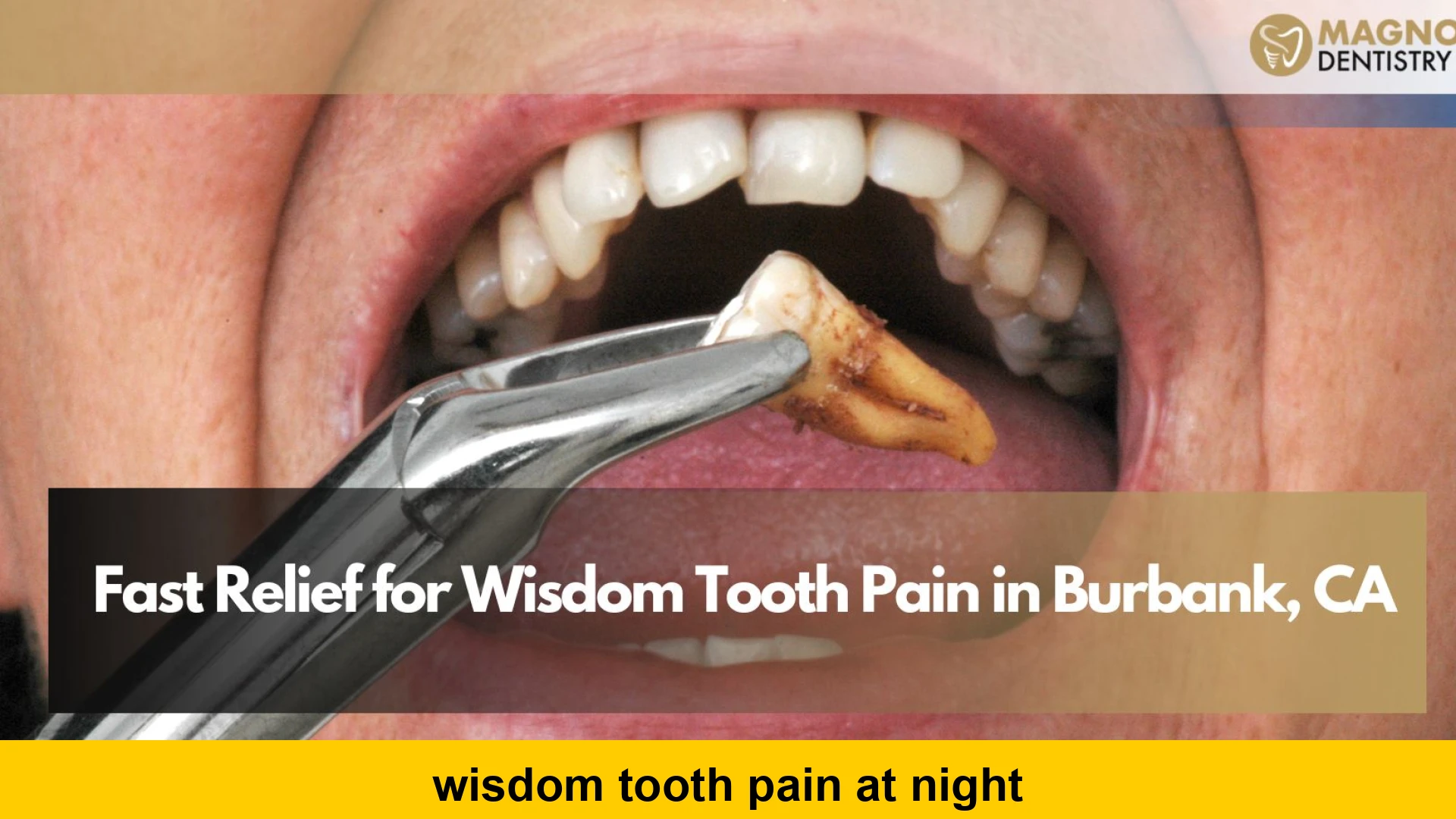
Waking up in the dead of night with throbbing, relentless pain from your wisdom tooth is an experience few forget. It’s not just a discomfort; it’s an agonizing disruption that can steal your precious sleep, impact your daily life, and leave you feeling utterly exhausted. When darkness falls, the world quiets down, and suddenly, every ache seems amplified. This is particularly true for wisdom tooth pain, which often feels exponentially worse during those silent, late-night hours. If you’re currently in the grips of this unwelcome nocturnal visitor, you’re undoubtedly desperate for solutions. You’re searching for answers on how to relieve wisdom tooth pain at night, and thankfully, you’ve come to the right place. This comprehensive guide will delve into the reasons behind this nighttime torment, explore immediate home remedies, discuss over-the-counter options, and most importantly, equip you with actionable strategies to manage the discomfort until you can see a dentist. Our goal is to empower you with the knowledge to reclaim your night and find some much-needed respite from that insistent ache.
Understanding Why Wisdom Tooth Pain Gets Worse at Night
It’s a common observation: the dull ache you might have felt during the day transforms into an unbearable throbbing as soon as your head hits the pillow. This phenomenon isn’t just your imagination; there are several physiological and psychological reasons why wisdom tooth pain at night often escalates in intensity, making it incredibly difficult to manage wisdom teeth pain overnight.
One primary factor is increased blood flow to the head when you lie down. Gravity no longer pulls blood away from your head, leading to more pressure in the affected area around your wisdom tooth. This surge in blood flow can exacerbate inflammation and intensify the pain signals being sent to your brain. Think of it like a localized pressure cooker; when you’re upright, there’s some relief, but lying flat removes that. This can make existing issues, such as an impacted tooth or gum inflammation, feel significantly more acute.
Another crucial element is the lack of distractions. During the day, you’re occupied with work, conversations, chores, and various other stimuli that divert your attention. At night, as the environment becomes quiet and you try to relax, your brain has fewer external inputs to process. This absence of distraction means your focus inevitably narrows onto the internal sensations, particularly the nagging pain emanating from your wisdom tooth. What might have been a minor irritation earlier in the day now dominates your awareness, making it feel far more severe and harder to ignore.
Furthermore, the position you sleep in can also play a role. Lying directly on the side of your face where the wisdom tooth pain originates can put direct pressure on the inflamed area, leading to increased discomfort. Elevated sleeping positions can sometimes help, but many people naturally settle into positions that inadvertently worsen their pain.
Common Causes of Wisdom Tooth Pain at Night
To effectively address the pain, it’s helpful to understand its root causes. Wisdom tooth pain typically arises from a few common scenarios:
- Impaction: This is perhaps the most frequent culprit. Wisdom teeth are the last molars to emerge, often between the ages of 17 and 25. By this time, there might not be enough room in the jaw for them to erupt properly. An impacted wisdom tooth can grow at an awkward angle, pushing against adjacent teeth, bone, or remaining trapped beneath the gum line. This pressure and displacement can cause significant pain, especially when swelling occurs.
- Pericoronitis: When a wisdom tooth partially erupts, a flap of gum tissue (operculum) can form over it. Food particles and bacteria can easily get trapped under this flap, leading to inflammation and infection of the surrounding gum tissue – a condition known as pericoronitis. This infection can cause swelling, tenderness, bad breath, and severe pain that often radiates and intensifies at night.
- Cavities and Decay: Because wisdom teeth are located so far back in the mouth, they are often difficult to clean effectively. This makes them highly susceptible to cavities. If a cavity becomes deep, it can reach the nerve of the tooth, causing intense pain.
- Cysts: In some cases, a fluid-filled sac (cyst) can form around an impacted wisdom tooth. These cysts can damage surrounding bone, teeth, and nerves, leading to pain and other complications.
- Gum Disease: Poor oral hygiene around wisdom teeth can contribute to localized gum disease, characterized by inflammation, bleeding, and pain in the gums surrounding the tooth.
Understanding these underlying causes underscores the importance of professional dental evaluation. While temporary solutions can provide relief for nighttime wisdom tooth discomfort, they don’t address the core problem.
Immediate Home Remedies: How to Relieve Wisdom Tooth Pain at Night Naturally
When you’re desperate to stop wisdom tooth ache at night, turning to natural remedies can provide crucial temporary relief. These methods aim to reduce inflammation, numb the area, or combat potential bacterial issues, helping you get some much-needed rest.
Cold Compress for Nighttime Wisdom Tooth Discomfort
One of the most immediate and effective ways to manage swelling and numb the pain is by applying a cold compress. The cold constricts blood vessels, which helps reduce inflammation and can temporarily decrease nerve activity, thus alleviating pain. To use this method, wrap a bag of ice or a pack of frozen vegetables in a thin cloth. Apply it to the outside of your cheek, directly over the painful area, for 15-20 minutes at a time. Remove for 20 minutes, then reapply. Repeat this cycle for an hour or so before bedtime, or as needed throughout the night. This can significantly help with wisdom tooth pain relief during sleep.
Saltwater Rinse: An Effective Way to Reduce Swelling from Wisdom Tooth at Night
A warm saltwater rinse is a classic remedy for oral discomfort, and for good reason. Saltwater acts as a natural disinfectant, helping to clear away bacteria and food debris that might be contributing to infection or inflammation around your wisdom tooth. It also promotes healing and can reduce swelling. To prepare, dissolve half a teaspoon of salt in a glass of warm water. Swish the solution around your mouth, paying extra attention to the affected area, for 30-60 seconds before spitting it out. Repeat this several times a night, especially before bed and after waking. This simple practice can be a surprisingly effective way to get rid of wisdom tooth pain at night by keeping the area clean and reducing inflammatory responses.
Clove Oil: A Natural Analgesic for Stopping Wisdom Tooth Ache at Night
Clove oil has been used for centuries as a natural remedy for toothaches due to its potent antiseptic and analgesic properties, primarily thanks to a compound called eugenol. When applied directly to the affected area, it can provide significant numbing relief. To use, place a few drops of pure clove oil on a cotton ball or swab. Gently dab it onto the painful wisdom tooth and the surrounding gum tissue. Hold it there for a few minutes. You might experience a slight burning sensation initially, but this should subside, followed by a numbing effect. Be careful not to swallow large amounts of clove oil. This can be a powerful natural remedy for wisdom tooth pain relief at night, helping to significantly reduce the ache.
Peppermint Tea Bags for Soothing Pain
Peppermint has mild anesthetic and anti-inflammatory properties that can help soothe an aching wisdom tooth. You can use a cooled peppermint tea bag for this purpose. Steep a peppermint tea bag in hot water for a few minutes, then remove it and let it cool down – you can even place it in the refrigerator for a short period to make it colder. Once it’s cool, place the tea bag directly on the painful tooth and gum for about 20 minutes. The coolness combined with the natural soothing agents in peppermint can offer a calming effect.
Garlic: Natural Antibacterial Properties
Garlic is known for its powerful antibacterial properties and can be a strong natural defense against infection. While it might not be the most pleasant remedy, some people find it effective. Crush a clove of garlic to release its active compounds, then mix it with a pinch of salt to create a paste. Apply this paste directly to the affected wisdom tooth area for a few minutes before rinsing your mouth with warm water. This can help combat bacteria contributing to infection and possibly reduce inflammation, offering some temporary relief for wisdom tooth pain at night.
Elevating Your Head While Sleeping
As mentioned, increased blood flow to the head can worsen wisdom tooth pain. To counteract this, try elevating your head while you sleep. Use an extra pillow or two to prop your head up. This position helps reduce blood pressure in the area around your wisdom tooth, potentially decreasing throbbing pain and making it easier to fall asleep. This simple adjustment can be one of the best sleeping positions for wisdom tooth pain, offering a noticeable difference in comfort.
Over-the-Counter Solutions for Wisdom Tooth Pain Relief During Sleep
When natural remedies aren’t quite enough, over-the-counter (OTC) medications can provide stronger relief for wisdom tooth pain at night, helping you manage managing wisdom teeth pain overnight more effectively until you can see a dentist.
Oral Pain Relievers
The most common and readily available options are oral pain relievers:
- NSAIDs (Non-Steroidal Anti-Inflammatory Drugs): Medications like ibuprofen (e.g., Advil, Motrin) and naproxen (e.g., Aleve) are highly effective because they not only reduce pain but also target inflammation, which is often a significant component of wisdom tooth discomfort. Take these according to the package directions, typically 30-60 minutes before you plan to go to sleep, to allow them to take effect.
- Acetaminophen (e.g., Tylenol): While acetaminophen doesn’t reduce inflammation, it is a powerful pain reliever. It can be a good option if you cannot take NSAIDs due to other health conditions or sensitivities. Again, follow dosage instructions carefully.
Combining these two types of pain relievers, alternating between them, can sometimes provide even greater relief, but always consult with a pharmacist or your dentist before doing so to ensure it’s safe and appropriate for your specific situation. Ensure you take the correct dosage and are aware of any potential interactions with other medications you might be taking.
Topical Numbing Gels
Topical anesthetic gels, often containing benzocaine (e.g., Orajel, Anbesol), can provide localized, temporary numbing of the painful area. These gels work by blocking nerve signals in the application site. Apply a small amount directly to the painful wisdom tooth and surrounding gum tissue with a clean finger or cotton swab. The numbing effect is usually short-lived, lasting for an hour or two, but it can be enough to help you fall asleep. Use these products as directed on the packaging and avoid excessive application, as some people can be sensitive to benzocaine.
Using a combination of these OTC options, such as taking an NSAID orally and then applying a topical gel just before bed, can create a more comprehensive approach to stop wisdom tooth ache at night and ensure wisdom tooth pain relief during sleep.
Best Sleeping Positions for Wisdom Tooth Pain
Finding the best way to get rid of wisdom tooth pain at night often involves making small adjustments, and your sleeping position can make a significant difference. As discussed, lying flat can increase blood flow to the head, potentially worsening pain. To combat this, try these strategies:
- Elevate Your Head: This is arguably the most crucial tip. Use an extra pillow or two to prop your head up, keeping it elevated above your heart. This helps to reduce blood pressure and inflammation in the area around your wisdom tooth, leading to less throbbing and discomfort.
- Sleep on Your Back: If possible, sleeping on your back is generally recommended as it prevents direct pressure on the side of your face where the pain is located.
- Sleep on the Opposite Side: If back-sleeping isn’t comfortable, try sleeping on the side of your face that is not affected by the wisdom tooth pain. This avoids any direct pressure or contact with the tender area.
Experiment with these positions to see what offers you the most relief. A well-supported head and neck can reduce overall tension, which might also indirectly help ease your pain.
When to Seek Professional Help for Persistent Nighttime Wisdom Tooth Discomfort
While home remedies and over-the-counter medications can offer temporary relief, it is crucial to understand that they do not address the underlying cause of your wisdom tooth pain. Persistent or worsening pain, especially that which keeps you awake at night, is a clear signal that you need to see a dentist. Delaying professional care can lead to more serious complications. So, what to do for wisdom tooth pain when it becomes unbearable or is accompanied by other worrying symptoms?
You should contact your dentist immediately, or seek emergency dental care, if you experience any of the following:
- Severe, Unrelenting Pain: If the pain is so intense that it’s impacting your ability to eat, talk, or get any sleep, even with pain relievers.
- Signs of Infection: Look out for fever, chills, pus discharge from the gums, swollen lymph nodes in your neck, or a foul taste in your mouth. Infections around wisdom teeth (pericoronitis) can spread if left untreated.
- Significant Swelling: If you notice pronounced swelling in your jaw, cheek, or around the affected tooth. Swelling can sometimes become so severe that it affects your ability to open your mouth, chew, or even swallow. This is a critical sign that requires immediate attention.
- Difficulty Swallowing or Breathing: In very rare but serious cases, a severe infection can cause swelling that compromises your airway. This is a medical emergency and requires immediate attention.
- Pain Radiating to Your Ear, Head, or Neck: While some referred pain is common, persistent and severe radiating pain can indicate a more extensive problem.
- Jaw Stiffness or Difficulty Opening Your Mouth: This can be a sign of significant inflammation or infection affecting the muscles and joints of your jaw.
Your dentist will be able to perform a thorough examination, including X-rays, to accurately diagnose the problem. They can then recommend the appropriate course of action, which might include antibiotics for infection, a deep cleaning, or most commonly, extraction of the problematic wisdom tooth. For more information on what to expect if extraction is necessary, you might find our guide on what to expect during wisdom tooth extraction helpful.
Preventative Measures and Long-Term Management of Wisdom Tooth Issues
While acute wisdom tooth pain at night demands immediate attention, understanding long-term strategies can help prevent future episodes and maintain overall oral health. Prevention is always better than cure, especially when it comes to dental pain.
Maintain Excellent Oral Hygiene
One of the simplest yet most effective preventative measures is consistent and thorough oral hygiene. Wisdom teeth, particularly those partially erupted, are challenging to clean due to their location at the very back of the mouth. Food particles and bacteria can easily accumulate around them, leading to decay, gum inflammation (pericoronitis), and infection.
- Brush Thoroughly: Use a soft-bristled toothbrush and pay extra attention to your wisdom teeth. Try to reach behind them and angle the bristles to clean the gum line effectively.
- Floss Daily: Flossing is critical for removing food debris and plaque from between teeth and under the gum line, areas your toothbrush can’t reach. If your wisdom teeth are partially erupted, use a floss threader or water flosser to clean the hard-to-reach areas.
- Antiseptic Mouthwash: Incorporate an antiseptic mouthwash into your daily routine. This can help reduce bacteria in your mouth and combat inflammation, especially useful around wisdom teeth where infection is a common concern.
Regular Dental Check-ups
Routine visits to your dentist are paramount. Dentists can monitor the development and eruption of your wisdom teeth through clinical examinations and X-rays. They can identify potential problems, such as impaction or early signs of decay, long before they lead to severe pain, particularly when wisdom tooth pain gets worse at night.
- Early Detection: X-rays allow your dentist to see the position of your wisdom teeth, predict potential issues like impaction, and assess if there’s enough room for them to erupt properly.
- Professional Cleanings: Regular professional cleanings remove plaque and tartar buildup that even the most diligent brushing can miss, reducing the risk of gum disease and cavities around your wisdom teeth.
- Discussion of Removal: If your wisdom teeth are likely to cause problems (e.g., recurrent infections, damage to adjacent teeth, cyst formation), your dentist might recommend prophylactic extraction. This proactive approach can save you from future bouts of severe nighttime wisdom tooth discomfort.
Consulting with your dentist about the status of your wisdom teeth is a crucial step in managing their long-term health and preventing the agony of wisdom tooth pain at night. They can provide personalized advice based on your specific oral anatomy and dental history.
Actionable Steps for Managing Wisdom Teeth Pain Overnight Before Your Dental Appointment
You’ve made an appointment, but the pain is still lingering, especially as bedtime approaches. Here are some consolidated, actionable steps to help you manage wisdom teeth pain overnight:
- Create a Pain Relief Schedule: Don’t wait for the pain to become unbearable. Take your prescribed or recommended over-the-counter pain relievers (like ibuprofen or acetaminophen) at regular intervals, as directed, starting a few hours before bedtime. This maintains a steady level of medication in your system.
- Prioritize Oral Hygiene: Even with pain, gently brush and floss the area around your wisdom tooth. Follow up with a warm saltwater rinse to clean the area and reduce bacterial load. This is a critical step in preventing further irritation and infection, which can make wisdom tooth pain relief during sleep much harder.
- Use Topical Numbing Gels: Apply a benzocaine-based topical gel directly to the painful tooth and gums just before you try to sleep. This provides immediate, localized numbing that can last long enough to help you drift off.
- Apply a Cold Compress: Before bed, apply a cold compress to the outside of your cheek for 15-20 minutes. This helps reduce swelling and numb the area, significantly alleviating nighttime wisdom tooth discomfort.
- Elevate Your Head: Use extra pillows to keep your head elevated while sleeping. This reduces blood flow and pressure to the area, minimizing the throbbing sensation. This is one of the best sleeping positions for wisdom tooth pain.
- Avoid Trigger Foods and Drinks: Steer clear of very hot, cold, sugary, acidic, or hard-to-chew foods before bed. These can irritate the sensitive area and exacerbate pain. Stick to soft, lukewarm foods.
- Stay Hydrated: Drinking plenty of water helps keep your mouth clean and can aid in flushing away bacteria.
- Avoid Alcohol and Tobacco: Both alcohol and tobacco can irritate oral tissues and impede healing, making your pain worse. Avoid them, especially during an active pain episode.
- Practice Relaxation Techniques: While not a direct pain reliever, stress and anxiety can amplify your perception of pain. Gentle breathing exercises or meditation before bed can help calm your mind and potentially make the pain feel less overwhelming, improving your chances of getting some sleep with wisdom tooth pain.
Remember, these are temporary measures. The ultimate solution for persistent wisdom tooth pain lies with your dentist. For more general advice on maintaining oral health, consider consulting resources like the American Dental Association for trusted information.
Dispelling Myths About Nighttime Wisdom Tooth Pain
When dealing with intense pain, especially at night, misinformation can spread quickly. Let’s clarify some common myths surrounding wisdom tooth pain, particularly why does wisdom tooth pain get worse at night.
Myth 1: Wisdom tooth pain will eventually go away on its own permanently.
Reality: While the pain might ebb and flow, especially with home remedies, if the underlying cause (like impaction or infection) isn’t addressed, the pain will almost certainly return. It often gets progressively worse over time, potentially leading to more severe issues like cysts, damage to adjacent teeth, or widespread infection.
Myth 2: You can simply ‘power through’ wisdom tooth pain.
Reality: Trying to ignore severe wisdom tooth pain is not only agonizing but also dangerous. Pain is your body’s alarm system. Persistent pain, especially if it keeps you awake, indicates a significant problem that needs professional intervention. Delaying treatment can turn a manageable issue into a dental emergency.
Myth 3: All wisdom teeth need to be removed immediately.
Reality: Not all wisdom teeth cause problems. If they erupt fully, are properly aligned, and are easy to clean, they might not need extraction. However, if they are impacted, causing pain, infection, or damaging other teeth, removal is typically recommended. Your dentist will assess your specific situation.
Myth 4: Rinsing with alcohol will help kill the infection and relieve pain.
Reality: While alcohol has antiseptic properties, rinsing with alcoholic beverages or applying high-proof alcohol directly to the gums can irritate the delicate tissues, worsening inflammation and pain. It’s not an effective or safe long-term solution. Stick to saltwater rinses and professional medical advice for infections.
Myth 5: Wisdom tooth pain is only bad for a short period, like teething.
Reality: While initial eruption can cause temporary discomfort, persistent and severe wisdom tooth pain, especially when it becomes an issue of managing wisdom teeth pain overnight, is usually a sign of complications. This isn’t just a temporary teething phase; it’s an indication of a structural or infectious problem that needs addressing.
Understanding these realities empowers you to make informed decisions about your dental health and emphasizes the importance of seeking professional dental advice when dealing with wisdom tooth pain.
Conclusion: Don’t Let Wisdom Tooth Pain Steal Your Sleep Any Longer
Experiencing wisdom tooth pain at night is more than just an inconvenience; it’s a debilitating condition that can significantly impact your well-being and productivity. The amplified throbbing and relentless ache in the quiet hours can make even a few moments of sleep feel impossible. While temporary remedies like cold compresses, saltwater rinses, clove oil, and over-the-counter pain relievers can offer crucial immediate wisdom tooth pain relief during sleep, it’s vital to remember they are not long-term solutions. They serve as a bridge to professional care, helping you manage the excruciating discomfort until you can consult a dentist. Understanding how to relieve wisdom tooth pain at night is the first step towards regaining control, but the journey to lasting relief always leads back to your dental professional. Whether the issue is impaction, infection, or decay, a dentist can accurately diagnose the problem and recommend the appropriate treatment, which often involves extraction. Don’t delay seeking help; persistent wisdom tooth pain is a clear signal that your body needs attention. Reclaim your nights, protect your oral health, and ensure your comfort by scheduling a dental appointment today. If you’re experiencing severe symptoms or believe you have an infection, it’s essential to seek prompt care; for guidance on such situations, you might find our dental emergency guide insightful. Your dentist is your best ally in finally putting an end to that agonizing nighttime wisdom tooth discomfort.