
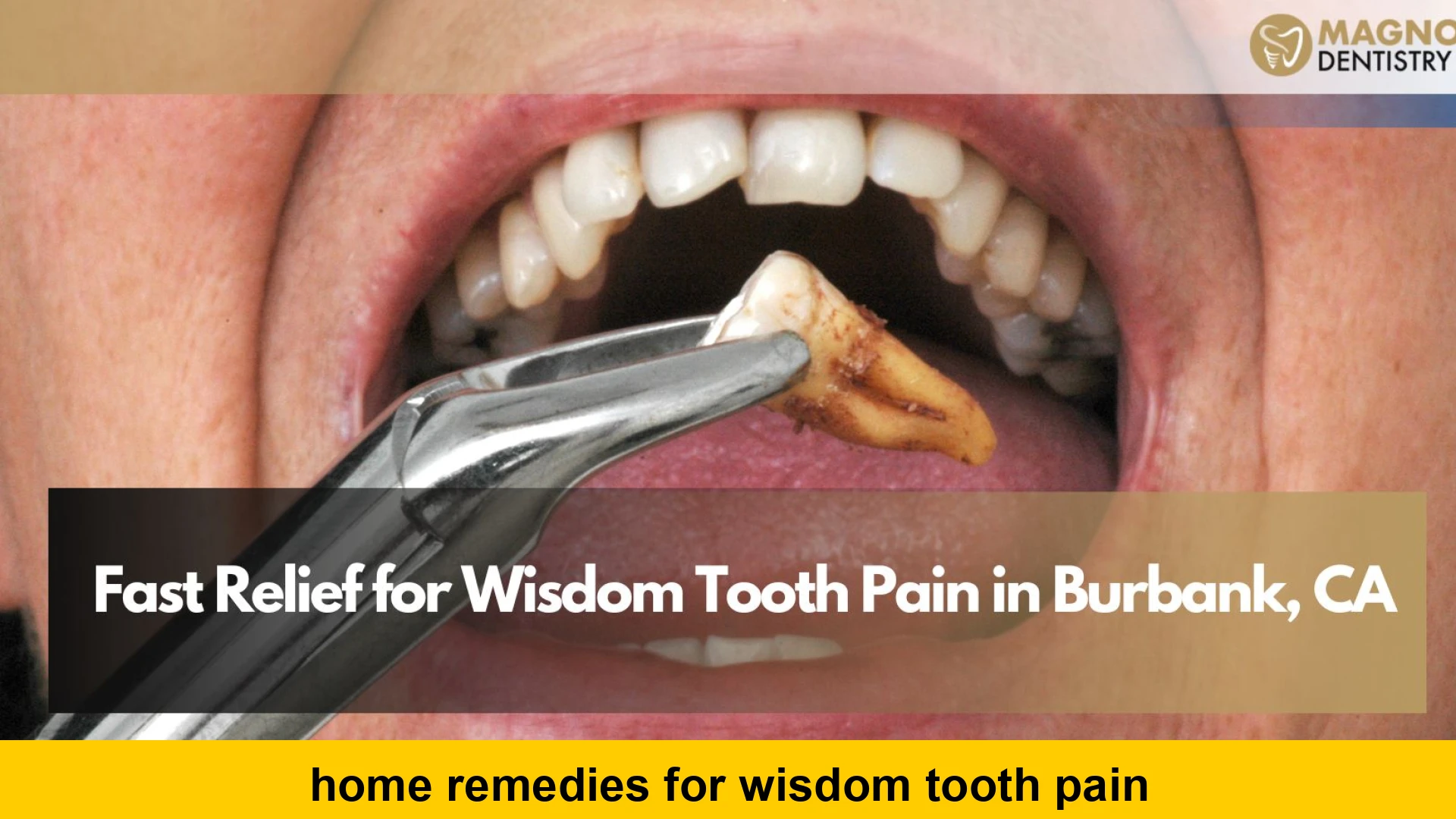
The sudden onset of wisdom tooth pain can be excruciating, disruptive, and leave you searching desperately for relief. For many, wisdom teeth emerge in late adolescence or early adulthood, and their arrival isn’t always smooth sailing. They can become impacted, partially erupt, or cause significant inflammation and infection in the surrounding gum tissue, leading to intense discomfort. While a dentist visit is always recommended for persistent or severe pain, there are numerous practical and effective natural remedies for wisdom tooth discomfort that can provide temporary relief at home.
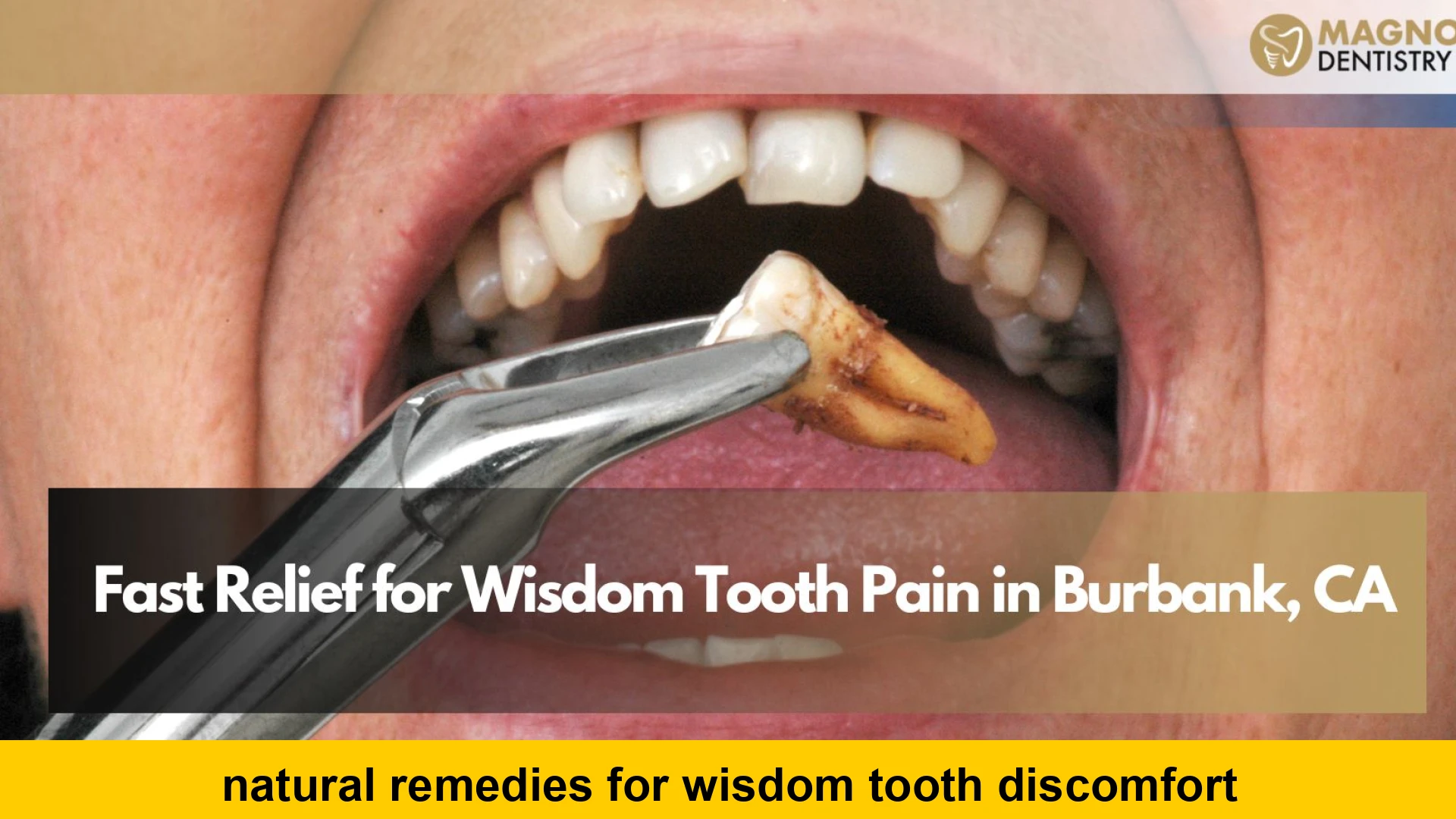
This comprehensive guide delves into a variety of at-home treatments, offering practical advice and actionable steps to help manage the throbbing ache, swelling, and general irritation associated with wisdom tooth eruption or complications. We understand that finding quick solutions for wisdom tooth pain home treatment is a priority, especially when waiting for a dental appointment. Let’s explore how you can find comfort using readily available ingredients and simple techniques.
Understanding Wisdom Tooth Pain: Why It Happens and How Natural Remedies Can Help
Before diving into specific remedies, it’s crucial to understand why wisdom teeth cause pain. The most common issues include:
- Impaction: When a wisdom tooth doesn’t have enough room to erupt properly, it can get stuck against another tooth or within the jawbone. This pressure can cause significant pain.
- Partial Eruption: A tooth that only partially emerges can create a flap of gum tissue (operculum) that traps food particles and bacteria, leading to infection (pericoronitis).
- Crowding: As wisdom teeth push through, they can shift other teeth, leading to pressure and discomfort.
- Cyst Formation: In rare cases, a fluid-filled sac (cyst) can form around an impacted wisdom tooth, potentially damaging bone and surrounding teeth.
While these issues often require professional dental intervention, many of the symptoms – pain, swelling, and inflammation – can be temporarily alleviated with natural remedies for wisdom tooth discomfort. These remedies often leverage anti-inflammatory, antiseptic, or numbing properties of common household items to provide much-needed relief for wisdom tooth ache naturally.
Preparing for At-Home Wisdom Tooth Pain Treatment
Before you begin any at-home remedies for tooth pain, ensure good oral hygiene. Gently brush and floss around the affected area if possible to remove any trapped food particles. A warm saltwater rinse is an excellent first step before applying other treatments. Remember, these solutions are temporary and not a substitute for professional dental care.
Effective Natural Remedies for Wisdom Tooth Discomfort
Here’s a detailed look at various simple remedies for wisdom tooth pain before extraction or professional treatment, designed to provide relief for wisdom tooth pain at home.
1. Saltwater Rinse: The Tried-and-True Solution
A warm saltwater rinse is perhaps the most recommended and simplest of all home remedies for wisdom tooth pain. Salt acts as a natural disinfectant and helps to reduce inflammation, creating an unfavorable environment for bacteria.
How to Use:
- Dissolve half a teaspoon of salt (preferably sea salt or Himalayan salt) in a glass of warm water (about 8 ounces).
- Swish the solution around your mouth, focusing on the affected area, for at least 30-60 seconds.
- Spit it out. Do not swallow.
- Repeat this process 3-4 times a day, especially after meals and before bedtime.
This method helps to cleanse the area, reduce swelling, and draw out any infection, offering significant relief for wisdom tooth pain.
2. Clove Oil: A Powerful Natural Anesthetic
Clove oil has been used for centuries as a traditional toothache remedy due to its potent analgesic (pain-relieving) and antiseptic properties. Eugenol, its active compound, is a natural anesthetic.
How to Use:
- Dab a small amount of pure clove oil onto a clean cotton ball or swab.
- Gently apply the cotton ball directly to the painful wisdom tooth and the surrounding gum area.
- Hold it there for 5-10 minutes, or until you feel numbness.
- Alternatively, you can dilute 2-3 drops of clove oil in a teaspoon of olive oil and apply it.
Caution: Clove oil is very strong. Do not swallow it, and use sparingly to avoid irritation to other soft tissues in your mouth. This is one of the most effective DIY solutions for wisdom tooth discomfort.
3. Peppermint Tea Bags: Cooling and Calming
Peppermint leaves contain menthol, which has mild anesthetic properties and provides a cooling sensation. It can help soothe inflamed gums and temporarily relieve tooth pain.
How to Use:
- Brew a cup of peppermint tea and let the tea bag cool completely. For quicker cooling, you can place the used tea bag in the freezer for a few minutes.
- Once cool (or chilled), place the tea bag directly onto the painful wisdom tooth or gum for about 20 minutes.
The coolness combined with the properties of peppermint can significantly reduce swelling and pain, offering a gentle approach to how to soothe wisdom tooth pain at home.
4. Ice Pack or Cold Compress: Reducing Swelling and Numbness
Applying cold to the outside of your jaw is a simple yet effective way to reduce swelling and numb the area, providing temporary respite from throbbing pain.
How to Use:
- Wrap an ice pack or a bag of frozen vegetables in a thin cloth.
- Apply it to the outside of your cheek, over the area where you feel the pain.
- Hold it for 15-20 minutes, then remove for 15-20 minutes.
- Repeat this cycle for an hour or as needed.
This is excellent for natural ways to reduce wisdom tooth swelling and pain, particularly if there’s external swelling.
5. Garlic: A Natural Antibiotic
Garlic is well-known for its powerful antibacterial, antiviral, and antifungal properties. Allicin, its active compound, can help fight infection and reduce inflammation.
How to Use:
- Crush a fresh garlic clove to release its beneficial compounds.
- Mix the crushed garlic with a pinch of salt.
- Apply the paste directly to the painful tooth and surrounding gum.
- Leave it on for a few minutes, then rinse your mouth with warm water.
While the taste can be intense, many find this a powerful tool for relief for wisdom tooth ache naturally, especially when infection might be present.
6. Onion: Anti-inflammatory Properties
Similar to garlic, onions possess strong anti-inflammatory and antiseptic properties that can help alleviate pain and kill germs in the mouth.
How to Use:
- Take a small slice of raw onion.
- Chew it gently on the side of your mouth where the pain is located. This releases its juices.
- If chewing is too painful, you can simply hold a small piece directly on the affected tooth or gum.
The juices of the onion can help to reduce swelling and provide some degree of pain relief, offering another option for what to put on wisdom tooth pain to make it stop.
7. Turmeric Paste: Golden Healer for Gums
Turmeric is a potent anti-inflammatory and antiseptic herb. Its active compound, curcumin, has been extensively studied for its medicinal properties.
How to Use:
- Mix half a teaspoon of turmeric powder with a few drops of water (or olive oil) to form a thick paste.
- Apply the paste directly to the painful gum area around the wisdom tooth.
- Leave it on for 15-20 minutes, then rinse your mouth with warm water.
This paste can be particularly soothing for inflamed gums, making it a valuable addition to your arsenal of natural remedies for wisdom tooth discomfort.
8. Tea Tree Oil (Diluted): Powerful Antiseptic Rinse
Tea tree oil is a powerful antiseptic that can kill bacteria and reduce inflammation. However, it MUST be diluted and never swallowed.
How to Use:
- Add 1-2 drops of pure tea tree oil to a cup of warm water.
- Use this mixture as a mouthwash, swishing it around for 30 seconds.
- Spit it out completely. Do not swallow.
- Repeat once or twice a day.
Caution: Tea tree oil is toxic if swallowed. Use with extreme care and ensure proper dilution. This is for external oral use only.
9. Thyme: A Natural Antimicrobial and Analgesic
Thyme possesses antiseptic, antibacterial, and analgesic properties that can provide relief for wisdom tooth pain home treatment.
How to Use:
- Crush a few fresh thyme leaves or use a small amount of dried thyme.
- Apply it directly to the affected tooth and gum.
- Alternatively, you can brew a strong thyme tea, let it cool, and use it as a mouth rinse.
Thyme can help to reduce bacterial load and soothe the irritated area, contributing to your overall strategy for relief for wisdom tooth ache naturally.
10. Vanilla Extract: A Sweet Numbing Agent
Pure vanilla extract contains alcohol, which acts as a mild anesthetic and can numb the pain. It’s a surprisingly effective, gentle option for at-home remedies for tooth pain.
How to Use:
- Dab a small amount of pure vanilla extract onto a cotton ball or swab.
- Apply it directly to the painful tooth and gum.
- Repeat as needed.
The alcohol content provides a temporary numbing sensation that can be quite comforting when dealing with an irritating wisdom tooth.
11. Apple Cider Vinegar: Balancing pH and Fighting Bacteria
Apple cider vinegar (ACV) has antibacterial properties and can help balance the pH in your mouth, potentially reducing bacterial growth that contributes to pain and infection.
How to Use:
- Mix one tablespoon of raw, unfiltered apple cider vinegar with a glass of warm water.
- Swish the solution around your mouth for 30-60 seconds, focusing on the painful area.
- Spit it out. Do not swallow.
- Repeat 2-3 times a day.
While some find this helpful, be mindful that excessive use of acidic substances can erode tooth enamel, so use sparingly and always dilute it. This is another of the natural ways to reduce wisdom tooth swelling and pain.
How to Soothe Wisdom Tooth Pain at Home: Beyond Simple Remedies
Beyond specific topical or rinse-based remedies, several other practices can help manage wisdom tooth discomfort and support overall oral health.
Maintain Impeccable Oral Hygiene
Even when in pain, maintaining good oral hygiene is paramount. Bacteria and food particles can exacerbate inflammation and infection.
- Gentle Brushing: Use a soft-bristled toothbrush to gently clean around the affected area. Don’t skip brushing entirely, but be extra careful.
- Flossing: If possible, gently floss around the wisdom tooth to remove any trapped food debris that could be causing irritation.
- Antiseptic Mouthwash: In addition to saltwater, an over-the-counter antiseptic mouthwash can help reduce bacteria. Look for one that doesn’t contain alcohol if you have sensitive gums.
Regular cleaning is a fundamental aspect of preventing complications and managing wisdom tooth pain relief effectively.
Dietary Adjustments for Comfort
What you eat (or don’t eat) can significantly impact your comfort levels when experiencing wisdom tooth pain.
- Soft Foods: Stick to soft, easy-to-chew foods like yogurt, mashed potatoes, soups, smoothies, and scrambled eggs.
- Avoid Hard, Sticky, or Crunchy Foods: These can get lodged in the gum flap or put pressure on the painful tooth, worsening your discomfort.
- Avoid Sugary and Acidic Foods/Drinks: These can contribute to bacterial growth and further irritate inflamed gums.
- Stay Hydrated: Drinking plenty of water helps wash away food particles and bacteria, keeping your mouth cleaner.
These adjustments are simple remedies for wisdom tooth pain that can make a big difference in your daily comfort.
Over-the-Counter Pain Relief
While this guide focuses on natural remedies for wisdom tooth discomfort, it’s worth noting that over-the-counter (OTC) pain relievers like ibuprofen (Advil, Motrin) or acetaminophen (Tylenol) can offer significant temporary relief. These can reduce both pain and inflammation. Always follow dosage instructions carefully.
Rest and Stress Management
Pain can be exhausting, and stress can amplify pain perception. Ensuring you get adequate rest allows your body to focus its energy on healing. Practices like meditation or deep breathing can also help manage the stress associated with persistent pain.
When to Seek Professional Dental Help
While at-home remedies can offer temporary relief, it’s crucial to understand their limitations. Wisdom tooth pain, especially if persistent or severe, often indicates an underlying issue that requires professional dental attention. You should see a dentist if you experience:
- Severe, unrelenting pain: If the pain is unbearable or doesn’t subside with home remedies.
- Signs of infection: Fever, chills, pus discharge, swollen lymph nodes in your neck, or difficulty swallowing.
- Difficulty opening your mouth: Known as trismus, this can indicate a serious infection or impaction issue.
- Persistent swelling: Swelling that extends beyond your jawline or doesn’t reduce within a day or two.
- Bad taste or odor: Indicative of an infection.
- Jaw stiffness or numbness.
Ignoring these symptoms can lead to more serious complications, including widespread infection (cellulitis) or damage to adjacent teeth. A dentist can accurately diagnose the problem through examination and X-rays, and then recommend the appropriate course of action, which might include antibiotics, cleaning the infected gum tissue, or wisdom tooth extraction. For more information on maintaining oral health and when to consult a professional, you can visit authoritative sources like the American Dental Association website.
Preventative Measures and Long-Term Care
While you can’t always prevent wisdom teeth from causing issues, proactive measures can help. Regular dental check-ups are vital. Your dentist can monitor the development of your wisdom teeth through X-rays and predict potential problems before they become painful. Early assessment allows for timely intervention, preventing severe wisdom tooth pain relief needs later.
Discussing your wisdom teeth’s position and potential for future issues with your dentist can save you significant discomfort down the line. Sometimes, prophylactic extraction is recommended to avoid complications altogether.
Actionable Steps for Immediate Relief and Ongoing Management
When wisdom tooth pain strikes, follow these immediate and ongoing steps:
- Initial Cleanse: Start with a warm saltwater rinse to clean the area and reduce initial inflammation.
- Targeted Numbing: Apply clove oil or vanilla extract directly to the painful spot for quick numbness.
- Reduce Swelling: Use a cold compress on your cheek to manage external swelling and pain.
- Regular Rinses: Continue saltwater rinses throughout the day, especially after eating. Consider diluted tea tree oil or ACV rinses (with caution).
- Gentle Oral Hygiene: Carefully brush and floss around the affected area to prevent food traps.
- Dietary Modification: Stick to soft foods to avoid irritating the area further.
- Monitor Symptoms: Pay close attention to any worsening symptoms like fever, increased swelling, or difficulty opening your mouth.
- Schedule a Dental Appointment: Even if home remedies bring relief, it’s crucial to consult a dentist to address the root cause of the wisdom tooth discomfort. These natural ways to reduce wisdom tooth swelling and pain are temporary fixes.
By combining these practical steps, you can create an effective strategy for best home remedies for throbbing wisdom tooth pain and find significant relief while awaiting professional dental care.
Conclusion: Embracing Natural Remedies While Prioritizing Professional Care
Dealing with wisdom tooth pain can be incredibly challenging, and finding immediate comfort is often the top priority. This guide has provided a comprehensive overview of various natural remedies for wisdom tooth discomfort, ranging from the classic saltwater rinse to the potent effects of clove oil and turmeric. These at-home solutions offer practical ways to manage swelling, reduce inflammation, and temporarily numb the pain, giving you much-needed relief.
Remember, however, that while these methods are effective for managing symptoms, they do not resolve the underlying issue causing the pain. Wisdom tooth complications often require professional dental intervention, such as antibiotics for infection or extraction for impaction. It’s vital to view these natural remedies as a bridge to professional care, not a replacement. Always consult your dentist for persistent pain or concerning symptoms. By combining diligent at-home care with timely professional assessment, you can navigate the challenges of wisdom tooth pain effectively and protect your overall oral health.
Don’t let wisdom tooth pain disrupt your life. Use these insights into effective DIY solutions for wisdom tooth discomfort to find relief, but always keep your dentist informed and involved in your care plan. Your oral health is a crucial part of your overall well-being, and proactive management is key.