
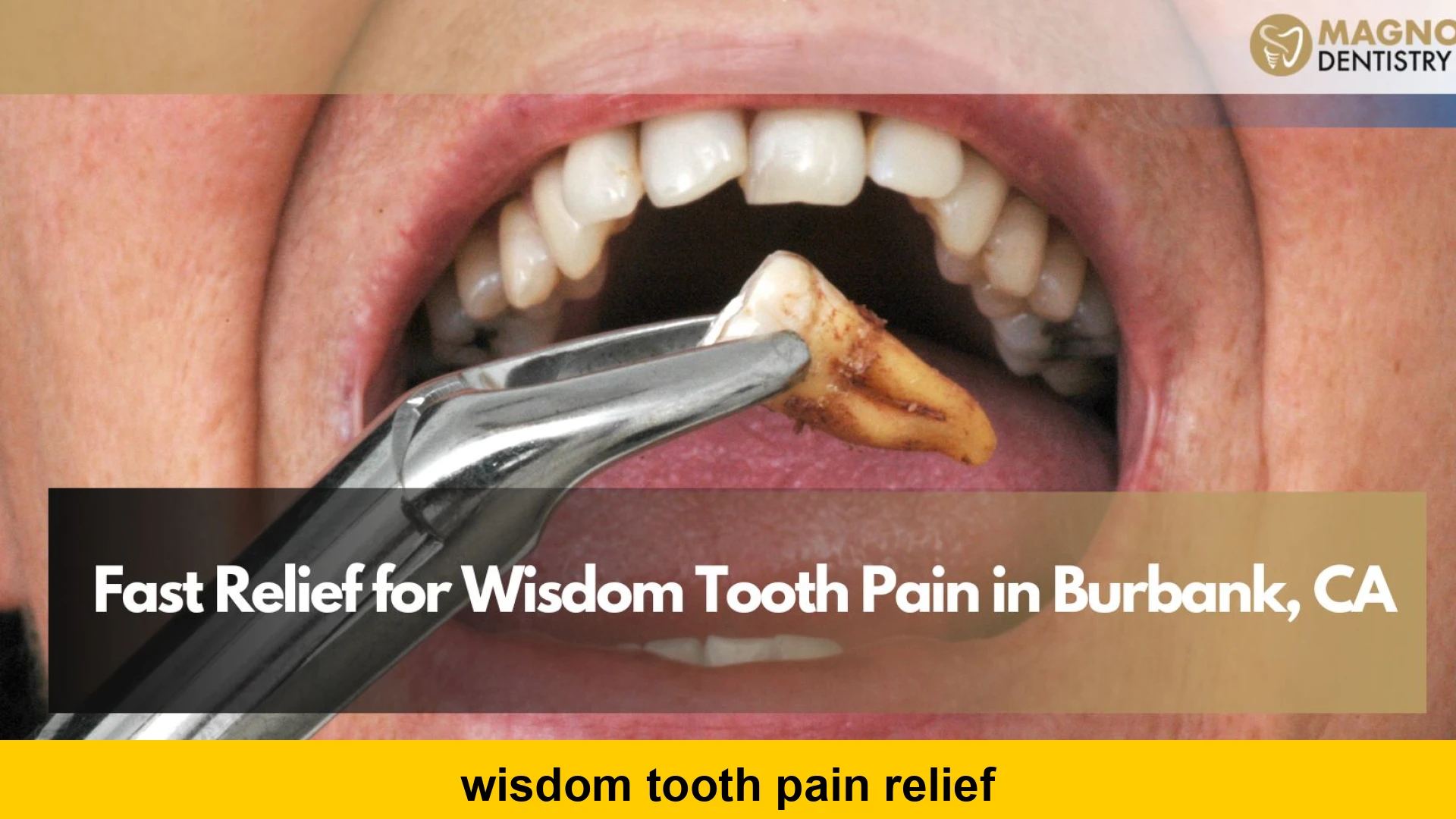
Experiencing the sharp, throbbing agony of wisdom tooth pain can be one of the most debilitating discomforts imaginable. It strikes suddenly, often at the most inconvenient times, leaving you desperate for any form of respite. While a visit to your dentist is paramount for a lasting solution, sometimes you need quick wisdom tooth pain relief at home to get you through until your appointment. This comprehensive guide will delve into a wide array of strategies, from immediate home remedies to over-the-counter options, helping you understand your pain and manage it effectively.
Wisdom teeth, also known as third molars, are the last set of teeth to erupt, typically between the ages of 17 and 25. Often, there isn’t enough space in the mouth for them to emerge properly, leading to impaction. This impaction can cause a host of problems, including pain, swelling, infection, and damage to neighboring teeth. Understanding the root cause of your pain is the first step towards effective management, but knowing how to get quick wisdom tooth pain relief at home is often the most pressing concern for sufferers.
This article aims to be your go-to resource for understanding, managing, and ultimately alleviating the discomfort associated with wisdom teeth. We’ll explore safe and proven methods that you can implement right away, providing practical examples and actionable steps to help soothe your discomfort. Remember, these are temporary solutions; persistent wisdom tooth pain always warrants professional dental attention.
Table of Contents
- Understanding Wisdom Tooth Pain: Why It Happens
- Immediate Wisdom Tooth Pain Remedies You Can Try
- Effective Home Remedies for Wisdom Tooth Pain
- Over-the-Counter Solutions for Wisdom Tooth Pain Relief
- Natural Methods for Wisdom Tooth Pain Management
- What Helps Wisdom Tooth Pain at Night?
- Dental Hygiene and Diet Tips for Wisdom Tooth Pain
- When to Seek Professional Dental Help for Wisdom Tooth Pain
- Preventing Future Wisdom Tooth Pain
- Getting Quick Wisdom Tooth Pain Relief at Home: A Summary
- Beyond Quick Wisdom Tooth Pain Relief at Home: Long-Term Solutions
Understanding Wisdom Tooth Pain: Why It Happens
Before diving into relief strategies, it’s helpful to understand why wisdom teeth cause so much trouble. The primary culprit is often impaction, where the tooth doesn’t have enough room to erupt properly and gets stuck against another tooth, bone, or soft tissue. This can lead to various complications that manifest as pain, swelling, and discomfort.
Common wisdom tooth pain symptoms include sharp, throbbing pain at the back of the mouth, swelling and tenderness in the gums, difficulty opening your mouth, and a bad taste in your mouth if an infection is present. You might also experience headaches or jaw stiffness. These symptoms indicate that your wisdom tooth is likely causing issues and requires attention, even if you’re only seeking immediate wisdom tooth pain remedies for now.
The pain can arise from several factors:
- Pericoronitis: This is an infection of the gum tissue surrounding an impacted wisdom tooth. Food particles and bacteria can get trapped under the flap of gum, leading to inflammation and severe pain.
- Pressure: An erupting wisdom tooth can put pressure on neighboring teeth, causing pain and even shifting of your existing teeth.
- Tooth Decay: Due to their position at the back of the mouth, wisdom teeth can be difficult to clean, making them prone to cavities and decay, which can be incredibly painful.
- Cysts or Tumors: In rarer cases, impacted wisdom teeth can lead to the formation of cysts or tumors that can damage the jawbone and surrounding structures.
Recognizing these underlying issues emphasizes why professional dental assessment is critical. However, for those moments when you’re caught off guard, knowing how to relieve wisdom tooth pain fast is invaluable.
Immediate Wisdom Tooth Pain Remedies You Can Try
When the pain strikes, your first instinct is to find something that works quickly. Here are some immediate wisdom tooth pain remedies that can offer temporary relief.
Cold Compress to Ease Swelling
Applying a cold compress or ice pack to the outside of your jaw can significantly reduce swelling and numb the area, providing temporary pain relief. This is one of the easiest ways to soothe wisdom tooth pain from swelling.
How to use: Wrap an ice pack or a bag of frozen vegetables in a thin cloth. Apply it to the affected side of your face for 15-20 minutes, then remove for 15-20 minutes. Repeat this cycle for an hour or as needed. The cold helps constrict blood vessels, reducing inflammation and pain.
Warm Saltwater Rinse
Saltwater rinses are a time-tested home remedy for various oral ailments, including wisdom tooth pain. Salt acts as a natural disinfectant, helping to kill bacteria and reduce inflammation in the gum tissue.
How to use: Dissolve half a teaspoon of salt in a glass of warm water. Swish the solution around your mouth, focusing on the affected area, for about 30 seconds before spitting it out. Repeat several times a day, especially after meals. This can help clear out food particles and reduce the chances of infection, offering great natural wisdom tooth pain relief.
Clove Oil Application
Clove oil has natural analgesic (pain-relieving) and antiseptic properties, thanks to its main active compound, eugenol. It has been used for centuries as a traditional remedy for toothaches.
How to use: Apply a small amount of pure clove oil to a cotton ball. Gently dab the cotton ball onto the painful gum area around the wisdom tooth. Hold it in place for a few minutes. You might feel a slight burning sensation initially, but it should quickly subside, followed by numbness and pain relief. Be careful not to swallow too much clove oil, as it can upset your stomach. This is one of the best ways to ease wisdom tooth discomfort naturally.
Effective Home Remedies for Wisdom Tooth Pain
Beyond immediate fixes, several other home remedies for wisdom tooth pain can provide sustained relief and help manage symptoms until you see a dentist.
Peppermint Tea Bags
Peppermint has soothing properties and contains menthol, which can offer a mild numbing effect. Using a cooled peppermint tea bag can be an effective way to reduce discomfort.
How to use: Brew a cup of peppermint tea and let the tea bag cool completely. You can even place it in the refrigerator for a few minutes to enhance its numbing effect. Once cool, place the tea bag directly on the affected gum area for about 20 minutes. The coolness combined with peppermint’s natural properties can help alleviate pain and swelling.
Garlic for its Antibacterial Properties
Garlic is well-known for its antibacterial and anti-inflammatory properties. Allicin, the active compound in garlic, can help fight bacteria that may contribute to wisdom tooth pain, especially if an infection is brewing.
How to use: Crush a fresh garlic clove to release its juices. Mix it with a pinch of salt to create a paste. Apply this paste directly to the affected wisdom tooth area. Hold it there for a few minutes before rinsing your mouth. Repeat this a couple of times a day. While the taste might be strong, many find it an effective natural method for wisdom tooth pain management.
Ginger Root Application
Ginger is another powerful anti-inflammatory agent often used in traditional medicine. Its compounds can help reduce inflammation and pain.
How to use: Cut a small piece of fresh ginger root and peel it. Place the peeled ginger directly on the painful wisdom tooth or gum area and gently bite down to hold it in place. You can also chew on it gently if you can tolerate it, allowing the natural juices to be released. Do this for several minutes. This can provide relief from pain and swelling.
Turmeric Paste
Turmeric is a potent anti-inflammatory and antioxidant spice. Its active compound, curcumin, has been studied for its pain-relieving effects.
How to use: Mix one teaspoon of turmeric powder with a small amount of water or honey to form a thick paste. Apply this paste directly to the painful gum area. Leave it on for 15-20 minutes before rinsing. You can repeat this two to three times a day. Turmeric can also be used as a mouthwash by dissolving a teaspoon of turmeric powder in warm water and swishing it around.
Over-the-Counter Solutions for Wisdom Tooth Pain Relief
When home remedies aren’t quite enough, over the counter wisdom tooth pain relief options can provide stronger temporary respite. These are widely available and can be very effective in managing acute pain.
NSAIDs (Nonsteroidal Anti-Inflammatory Drugs)
Medications like ibuprofen (Advil, Motrin) and naproxen (Aleve) are excellent for reducing both pain and inflammation. They are often the first line of defense for dental pain.
How to use: Follow the dosage instructions on the package carefully. Typically, ibuprofen can be taken every 4-6 hours, and naproxen every 8-12 hours. These medications work by inhibiting the body’s production of prostaglandins, chemicals that cause inflammation and pain. For many, this is the best non-prescription medicine for wisdom tooth pain.
Acetaminophen (Tylenol)
Acetaminophen is a pain reliever that doesn’t have anti-inflammatory properties but can effectively reduce pain. It’s often recommended if NSAIDs are not suitable for you (e.g., due to stomach issues).
How to use: Adhere strictly to the recommended dosage on the packaging, usually every 4-6 hours. It’s crucial not to exceed the maximum daily dose to prevent liver damage. Combining acetaminophen with ibuprofen, when done carefully and under professional guidance, can sometimes offer enhanced relief.
Topical Anesthetic Gels
Topical gels containing benzocaine (like Orajel) can provide immediate numbing of the affected area. They are very effective for localized pain.
How to use: Apply a small amount of the gel directly to the painful gum area around the wisdom tooth using a clean finger or cotton swab. The numbing effect is usually short-lived but can offer a quick break from intense pain. Ensure you don’t overuse these gels and follow product instructions precisely. This can be an immediate wisdom tooth pain remedy.
Natural Methods for Wisdom Tooth Pain Management
Beyond specific remedies, incorporating certain lifestyle adjustments and broader natural approaches can contribute to overall wisdom tooth pain relief and help you cope better.
Dietary Adjustments
When experiencing wisdom tooth pain, what you eat can significantly impact your comfort levels. Opt for soft foods that require minimal chewing, such as soups, yogurts, mashed potatoes, smoothies, and scrambled eggs. Avoid crunchy, hard, sticky, or chewy foods that could irritate the painful area or get lodged around the tooth. Also, steer clear of very hot or very cold foods and beverages, as temperature extremes can exacerbate sensitivity and pain.
Elevation While Sleeping
If you’re wondering what helps wisdom tooth pain at night, elevating your head while sleeping can be surprisingly effective. Lying flat can increase blood flow to the head and jaw, which can intensify throbbing pain and swelling. Using an extra pillow to keep your head slightly elevated can help reduce blood pooling in the area, thereby lessening swelling and discomfort, making it easier to sleep.
Stress Reduction Techniques
Stress and anxiety can heighten your perception of pain. Engaging in stress-reduction techniques like meditation, deep breathing exercises, or gentle yoga can help manage your overall pain response. Focusing on relaxation can distract you from the discomfort and potentially lower the intensity of the pain signals your brain receives. This holistic approach complements other best ways to ease wisdom tooth discomfort.
What Helps Wisdom Tooth Pain at Night?
Wisdom tooth pain often feels worse at night, making sleep almost impossible. This is partly due to the lack of distractions and the increased blood flow to the head when lying down. Here are specific strategies for how to get rid of wisdom tooth pain quickly at home, especially when trying to sleep:
- Take Pain Medication Before Bed: If using OTC pain relievers, take a dose about 30-60 minutes before you plan to go to sleep. This gives the medication time to take effect.
- Use a Cold Compress: Apply a cold compress to your jaw for 15-20 minutes right before bed to numb the area and reduce swelling.
- Elevate Your Head: Use an extra pillow to keep your head elevated, which can help reduce blood flow to the inflamed area and lessen throbbing pain.
- Saltwater Rinse: Perform a warm saltwater rinse just before bed to clean the area and reduce inflammation.
- Clove Oil: A dab of clove oil on the painful spot can provide localized numbing that might last long enough for you to fall asleep.
- Distraction: Sometimes, a gentle distraction like listening to calming music or an audiobook can help take your mind off the pain long enough to drift off.
These methods combined offer effective wisdom tooth pain relief before a dentist appointment, particularly during those challenging nighttime hours.
Dental Hygiene and Diet Tips for Wisdom Tooth Pain
Maintaining good oral hygiene, even when in pain, is critical to prevent further complications like infection. Alongside, a thoughtful diet can make a significant difference in your comfort.
Maintaining Oral Hygiene
Even with discomfort, it’s vital to keep the area around your wisdom tooth as clean as possible. Gently brush your teeth, avoiding direct vigorous brushing on the painful area. Use a soft-bristled toothbrush. Rinse your mouth thoroughly with an antiseptic mouthwash (alcohol-free is often preferred to avoid irritation) or warm saltwater after every meal to dislodge food particles and reduce bacteria. Poor hygiene can exacerbate pericoronitis, turning minor discomfort into a severe infection.
Soft Food Diet
As mentioned, a soft food diet is essential. Chewing hard or crunchy foods can put undue pressure on the affected area, worsening pain and potentially damaging the surrounding tissue. Opt for nutrient-rich, easy-to-eat options. Examples include pureed soups, smoothies, yogurt, oatmeal, mashed potatoes, avocado, and soft-cooked vegetables. Staying hydrated is also crucial, but avoid sugary drinks that can promote bacterial growth.
When to Seek Professional Dental Help for Wisdom Tooth Pain
While home remedies and OTC medications can provide temporary comfort, they are not long-term solutions. It’s crucial to know when to seek dental help for wisdom tooth pain. Ignoring persistent or worsening symptoms can lead to more serious complications.
You should contact your dentist immediately if you experience any of the following:
- Severe, unbearable pain: Pain that isn’t managed by OTC medication.
- Spreading pain: Pain that radiates to your ear, temple, or neck.
- Difficulty swallowing or breathing: These could be signs of a serious infection spreading to other areas.
- High fever or chills: Indicates a systemic infection.
- Significant swelling: Swelling that extends to your cheek, jaw, or neck.
- Pus or discharge: A bad taste in your mouth, bad breath, or visible pus from the affected area.
- Limited jaw movement: Inability to open your mouth fully.
- Persistent bleeding: Gums that bleed excessively or don’t stop.
Your dentist will be able to accurately diagnose the problem through an examination and X-rays. They can determine if the wisdom tooth is impacted, infected, or causing damage to adjacent teeth, and recommend the most appropriate treatment, which often involves extraction. Understanding when to see a dentist for dental pain is a critical step in maintaining your oral health.
Preventing Future Wisdom Tooth Pain
While you can’t always prevent wisdom teeth from causing issues, there are steps you can take to minimize the risk and potentially avoid future bouts of severe pain.
- Regular Dental Check-ups: Routine visits allow your dentist to monitor the development and eruption of your wisdom teeth. X-rays can reveal potential impaction or other problems before they become painful.
- Early Assessment: If your dentist identifies that your wisdom teeth are likely to cause problems (e.g., they are impacted or there isn’t enough room), discussing early extraction can prevent future pain and complications.
- Maintain Excellent Oral Hygiene: Thorough brushing and flossing, especially at the very back of your mouth, can prevent food traps and bacterial buildup around partially erupted wisdom teeth. This reduces the risk of pericoronitis and decay.
- Promptly Address Any Symptoms: Don’t wait until the pain becomes unbearable. If you feel any discomfort or notice swelling in the wisdom tooth area, contact your dentist promptly. Early intervention can prevent minor issues from escalating into severe problems.
Proactive care is always better than reactive treatment, especially when it comes to potential surgical procedures like wisdom tooth extraction. For more detailed information on wisdom teeth and their complications, you can refer to authoritative sources like the American Dental Association.
Getting Quick Wisdom Tooth Pain Relief at Home: A Summary
To recap, finding quick wisdom tooth pain relief at home often involves a multi-pronged approach combining various remedies. Start with simple physical methods like a cold compress to reduce swelling. Follow up with antiseptic rinses, such as warm saltwater, to keep the area clean and fight bacteria. Natural analgesics like clove oil or peppermint tea bags can provide targeted numbing and soothing effects. When the pain is more intense, over-the-counter NSAIDs or acetaminophen can offer significant relief by reducing inflammation and pain signals.
Remember to adjust your diet to soft foods and maintain meticulous oral hygiene, even if it’s uncomfortable. Elevating your head at night and practicing stress-reduction techniques can also play a crucial role in managing discomfort and improving your ability to rest. These strategies collectively represent the best ways to ease wisdom tooth discomfort and offer temporary respite. While these methods are effective for managing symptoms, they do not resolve the underlying issue causing the pain. They merely buy you time until you can seek professional dental care. Your dentist is the only one who can provide a definitive diagnosis and a long-term treatment plan.
Beyond Quick Wisdom Tooth Pain Relief at Home: Long-Term Solutions
While mastering quick wisdom tooth pain relief at home is essential for immediate comfort, it’s vital to recognize that these are stop-gap measures. The ultimate solution for problematic wisdom teeth often involves professional dental intervention. Your dentist will conduct a thorough examination, including X-rays, to assess the position of your wisdom teeth, look for signs of impaction, infection, or damage to adjacent teeth, and determine the best course of action.
For many individuals, the long-term solution to recurring wisdom tooth pain is extraction. Wisdom tooth extraction is a common surgical procedure performed by general dentists or oral surgeons. It can prevent future pain, infection, crowding, and damage to other teeth. Depending on the complexity of the impaction, the procedure can be performed under local anesthesia, sedation, or general anesthesia.
After extraction, your dentist will provide detailed post-operative instructions to ensure a smooth recovery and minimize discomfort. These instructions typically include advice on pain management (often a combination of prescription pain relievers and OTC options), swelling reduction (ice packs), diet modifications (soft foods), and oral hygiene (gentle rinsing). Understanding post-extraction care for wisdom teeth is just as important as knowing the relief methods before the procedure.
In conclusion, while the agony of wisdom tooth pain can be overwhelming, a combination of immediate home remedies and over-the-counter solutions can provide much-needed temporary relief. However, these are merely bridges to professional care. Prioritize scheduling an appointment with your dentist at the earliest sign of persistent pain or discomfort. They will provide an accurate diagnosis and guide you towards a definitive, lasting solution, freeing you from the recurring cycle of wisdom tooth pain. Don’t let the pain dictate your life; take proactive steps towards a healthier, pain-free smile.