
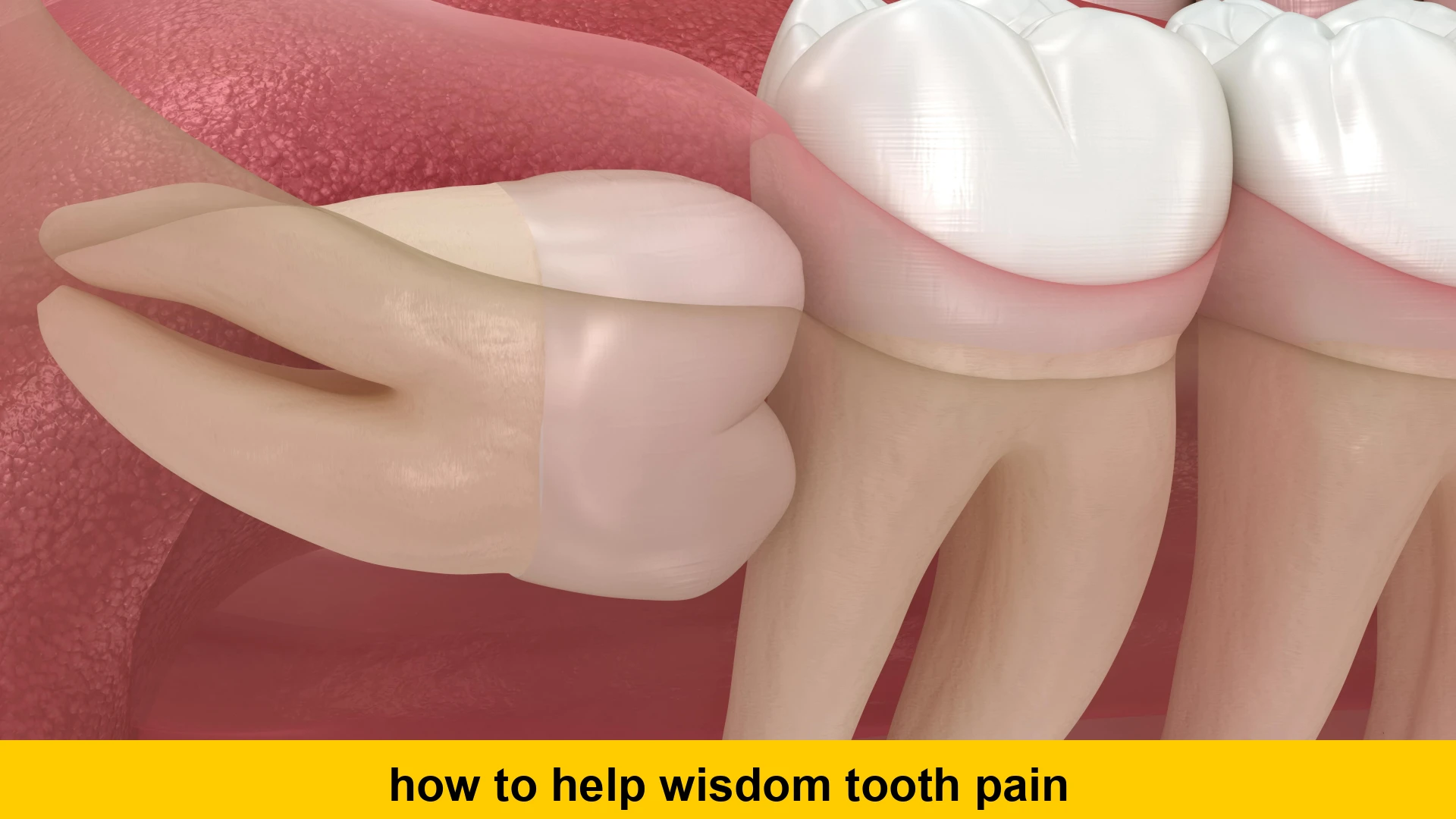
Experiencing the throbbing ache of wisdom tooth pain can be incredibly disruptive, turning simple daily tasks into a constant battle against discomfort. Whether your wisdom teeth are just starting to erupt, are impacted, or have become infected, the pain can range from a dull ache to sharp, intense throbs. Many people find themselves desperately searching for effective ways to help wisdom tooth pain at home while waiting for a dental appointment or as a temporary measure.
This comprehensive guide is designed to equip you with practical, actionable steps and natural remedies that can provide significant relief from wisdom tooth discomfort. We’ll explore everything from simple oral hygiene practices and over-the-counter solutions to time-tested natural methods for soothing the pain. Understanding the underlying causes of wisdom tooth pain is the first step toward finding the most effective treatment, and knowing what to do for wisdom tooth pain at home can make a huge difference in your comfort.
While home remedies are excellent for managing symptoms, it’s crucial to remember that they are temporary solutions. Wisdom tooth issues often require professional dental intervention, so this information should complement, not replace, a visit to your dentist. However, armed with the right knowledge, you can significantly manage wisdom tooth ache and improve your quality of life until professional help is available.
Understanding Wisdom Tooth Pain: What Causes It?
Before diving into remedies, it’s helpful to understand why wisdom teeth cause pain in the first place. These are the last molars to erupt, typically between the ages of 17 and 25. Often, there isn’t enough space in the jaw for them to come through properly, leading to various problems.
One common issue is impaction, where the tooth is blocked from erupting fully, either by another tooth, bone, or gum tissue. An impacted wisdom tooth can grow at an angle, pushing against neighboring teeth, or remain completely trapped beneath the gums, leading to significant discomfort. This pressure can cause considerable pain from wisdom teeth and surrounding structures.
Another frequent cause of pain is pericoronitis, an inflammation of the gum tissue surrounding a partially erupted wisdom tooth. Food particles and bacteria can get trapped under the gum flap, creating an ideal environment for infection. This often results in swelling, redness, and intense pain, making it difficult to chew or even open your mouth fully. Addressing this with good hygiene is key to relieve wisdom tooth discomfort.
Cysts and tumors, though less common, can also develop around an impacted wisdom tooth, slowly damaging the jawbone and surrounding teeth. Additionally, a wisdom tooth that has erupted improperly can be difficult to clean, making it more susceptible to cavities and gum disease, which can also contribute to pain. Knowing these causes helps in choosing the best ways to help wisdom tooth pain at home.
Identifying the Symptoms of Wisdom Tooth Discomfort
Recognizing the symptoms of wisdom tooth pain is essential for timely intervention. Common signs include a persistent ache or sharp pain at the back of your mouth, particularly near your jawbone. You might also experience tenderness, swelling, or redness in the gum tissue behind your last molar.
Other symptoms can include difficulty opening your mouth, jaw stiffness, an unpleasant taste in your mouth, or bad breath if an infection is present. Sometimes, the pain can radiate to your ear, head, or neck. If you notice any of these symptoms, it’s a strong indicator that your wisdom teeth might be causing trouble and you need to consider effective dental pain remedies.
Paying attention to these signals allows you to begin managing the discomfort with appropriate home care while you arrange for professional evaluation. Many effective home treatments for wisdom tooth discomfort can be started right away.
Immediate Ways to Help Wisdom Tooth Pain at Home
When wisdom tooth pain strikes, quick relief is often the top priority. Fortunately, several simple and effective home remedies can provide immediate comfort. These methods focus on reducing inflammation, numbing the area, and combating potential infections.
1. Saltwater Rinses: A Classic Remedy
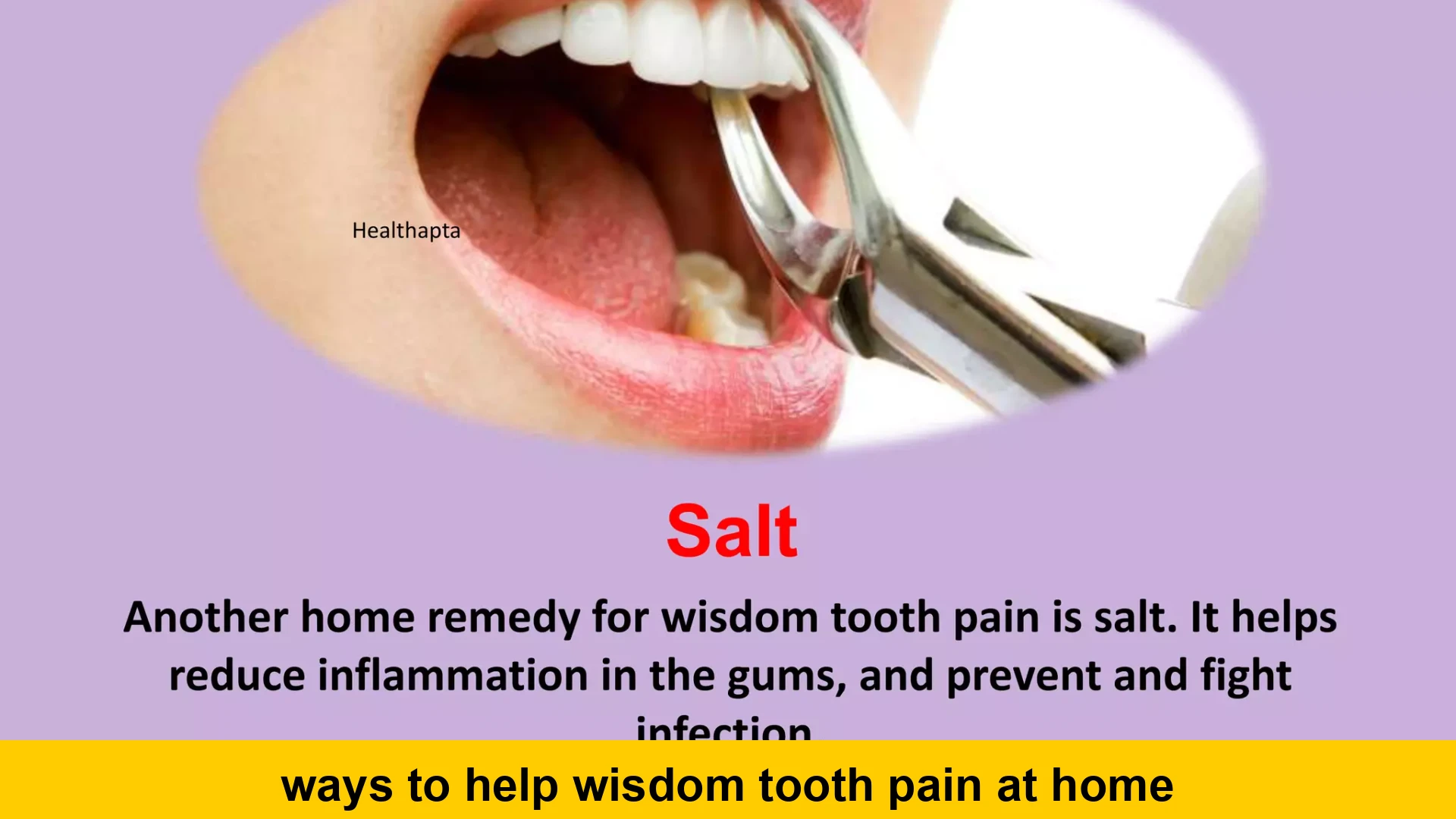
One of the most recommended and simplest ways to help wisdom tooth pain at home is a warm saltwater rinse. Salt is a natural disinfectant, and rinsing with saltwater can help to reduce bacteria in the mouth, soothe inflamed gums, and draw out infection.
To prepare, dissolve half a teaspoon of salt in a glass of warm water. Swish the solution around your mouth, focusing on the affected area, for about 30-60 seconds before spitting it out. Repeat this process several times a day, especially after meals, to keep the area clean and promote healing. This is a primary step on what to do for wisdom tooth pain at home.
This method not only provides wisdom tooth swelling relief but also helps prevent further bacterial buildup that could worsen the pain. It’s a gentle yet powerful aid to soothe wisdom tooth pain naturally.
2. Cold and Heat Therapy
Alternating between cold and heat can be incredibly effective for managing wisdom tooth ache. Cold therapy helps to numb the pain and reduce swelling, while heat can relax tense jaw muscles and promote blood flow to the area, aiding healing.
For cold therapy, apply an ice pack wrapped in a cloth to the outside of your jaw for 15-20 minutes at a time, several times a day. After a few hours, switch to heat therapy. You can use a warm, moist cloth or a heating pad on a low setting for 15-20 minutes. This combination can offer significant immediate relief for erupting wisdom tooth pain.
Be careful not to apply ice directly to the skin or use heat that is too hot. This dual approach is one of the effective home treatments for wisdom tooth discomfort.
3. Over-the-Counter Pain Relievers
Non-prescription pain relievers can be your first line of defense against wisdom tooth pain. Medications like ibuprofen (Advil, Motrin) or naproxen (Aleve) are non-steroidal anti-inflammatory drugs (NSAIDs) that not only reduce pain but also target inflammation.
Acetaminophen (Tylenol) can also be used for pain relief, though it doesn’t have the same anti-inflammatory properties. Always follow the dosage instructions on the package and consult your doctor or pharmacist if you have any underlying health conditions or are taking other medications. These are often the first things people reach for when trying to figure out how to stop wisdom tooth pain fast without extraction.
For localized relief, topical numbing gels containing benzocaine (like Orajel) can be applied directly to the affected gum area. These gels provide temporary numbness, offering a quick way to aid wisdom tooth soreness, especially before eating or trying to sleep.
4. Clove Oil: A Natural Anesthetic
Clove oil has been used for centuries as a natural anesthetic and antiseptic, making it one of the most popular natural remedies for wisdom tooth pain relief. It contains eugenol, a natural painkiller and antibacterial agent.
To use, apply a small amount of clove oil to a cotton ball and gently dab it onto the painful gum area around the wisdom tooth. Hold it there for a few minutes. You can also dilute a few drops of clove oil in a teaspoon of olive oil and apply it similarly. Be cautious not to swallow too much, as it can upset your stomach.
The numbing effect can be quite profound, offering significant relief from an aching wisdom tooth. This ancient remedy truly exemplifies some of the effective home treatments for wisdom tooth discomfort.
5. Peppermint Tea Bags
Peppermint has mild anesthetic properties and a soothing effect. Using cooled peppermint tea bags can be an effective way to soothe wisdom tooth pain naturally.
Brew a cup of peppermint tea and let the tea bag cool down, or even chill it in the refrigerator for a while. Once it’s cool, place the tea bag directly on the affected gum area for about 20 minutes. The coolness combined with the natural compounds in peppermint can help to calm the nerves and reduce discomfort.
This is a gentle and refreshing method, especially when other strong flavors or chemicals are too irritating. It’s a simple answer to the question of what to do for wisdom tooth pain at home.
6. Tea Tree Oil (Diluted)
Tea tree oil is known for its powerful antiseptic and anti-inflammatory properties. However, it is very strong and must never be swallowed. It’s an excellent addition to dental pain remedies when used correctly.
Dilute a drop or two of tea tree oil in a small amount of carrier oil (like coconut oil) or in a glass of warm water for a mouth rinse. Swish this solution around the painful area for no more than 30 seconds, then spit it out thoroughly. This can help to combat bacteria and reduce inflammation, contributing to wisdom tooth swelling relief.
Always perform a patch test first to ensure you don’t have a sensitivity, and remember that tea tree oil is toxic if ingested. Use with extreme caution and follow dilution guidelines strictly.
Maintaining Oral Hygiene to Relieve Wisdom Tooth Discomfort
Even with pain, maintaining excellent oral hygiene is paramount when dealing with wisdom tooth issues. Poor hygiene can exacerbate existing problems, leading to infections and increased pain. This is a critical aspect of ways to help wisdom tooth pain at home.
7. Gentle Brushing and Flossing
It might be tempting to avoid brushing a painful area, but this can actually worsen the situation by allowing food particles and bacteria to accumulate. Instead, use a soft-bristled toothbrush and brush very gently around the affected wisdom tooth. Focus on removing any trapped food.
Flossing carefully around the wisdom tooth, if accessible, can also help dislodge debris. If the area is too sensitive, continue with saltwater rinses and consider an antiseptic mouthwash as a temporary substitute for flossing in that specific spot. Consistent oral care is vital for preventing and managing impacted wisdom tooth pain.
Proper cleaning can prevent infection from taking hold or worsening, which is a key component of how to stop wisdom tooth pain fast without extraction.
8. Antiseptic Mouthwash
In addition to saltwater, an over-the-counter antiseptic mouthwash containing chlorhexidine or hydrogen peroxide (diluted) can be beneficial. These mouthwashes can kill bacteria, reduce inflammation, and help clean areas that are difficult to reach with a toothbrush, such as under a gum flap where a wisdom tooth is partially erupted.
Use as directed on the product label. Regular rinsing can significantly reduce the bacterial load in your mouth, providing substantial wisdom tooth swelling relief and aiding in the overall healing process. This is a powerful step in managing wisdom tooth ache when infection is a concern.
Always opt for alcohol-free versions if you find traditional mouthwashes too irritating for sensitive gums.
Dietary and Lifestyle Adjustments for Wisdom Tooth Pain
What you eat and how you live can also impact the severity of your wisdom tooth pain. Making a few temporary adjustments can help aid wisdom tooth soreness and prevent further irritation.
9. Soft Food Diet
Chewing hard, crunchy, or sticky foods can put undue pressure on an already sensitive wisdom tooth, exacerbating pain and potentially trapping more food particles. Switching to a soft food diet can provide much-needed relief.
Opt for foods like yogurt, mashed potatoes, soups, smoothies, scrambled eggs, and well-cooked pasta. Avoid anything that requires significant chewing or could get stuck in the problematic area. This simple change allows the area to rest and heal, making it easier to manage wisdom tooth ache. This is one of the best way to ease wisdom tooth pain before seeing a dentist.
Ensure you’re still getting adequate nutrition, even with a limited diet. Smoothies with fruits, vegetables, and protein powder can be an excellent way to do this.
10. Avoid Sugary and Acidic Foods
Sugary and acidic foods can contribute to bacterial growth and gum irritation, potentially worsening wisdom tooth pain. Acids can also weaken tooth enamel, making teeth more vulnerable to decay.
Limit your intake of sweets, sodas, citrus fruits, and other acidic beverages. If you do consume them, rinse your mouth with water afterward. This helps maintain a healthier oral environment and reduces the risk of further inflammation or infection, which is key to soothe wisdom tooth pain naturally.
Focusing on neutral, nutrient-rich foods supports overall oral health and reduces potential irritants.
11. Elevate Your Head While Sleeping
Lying flat can sometimes increase blood flow to your head and jaw, which can intensify throbbing pain and swelling, especially if you have an infection. Elevating your head slightly while sleeping can help reduce this pressure.
Use an extra pillow or two to prop your head up. This simple adjustment can often provide a more comfortable night’s rest and reduce morning swelling, which is a crucial aspect of ways to help wisdom tooth pain at home when the pain is keeping you awake.
Improved sleep contributes significantly to your body’s ability to cope with pain and recover.
Advanced Natural Remedies for Wisdom Tooth Pain Relief
Beyond the basics, several other natural approaches can be very effective in providing relief, particularly for those looking for natural remedies for wisdom tooth pain relief.
12. Onion and Garlic: Nature’s Antibiotics
Both onions and garlic possess powerful antibacterial and anti-inflammatory properties. Garlic, in particular, contains allicin, a compound known for its strong antimicrobial effects.
For garlic, crush a clove and apply the paste directly to the painful area, or gently chew on a clove. For onion, cut a small piece and place it on the affected tooth, biting down gently if possible. The juices can help to kill bacteria and reduce inflammation.
While the taste can be strong, these natural ingredients offer a potent approach to how to stop wisdom tooth pain fast without extraction when an infection might be brewing. Always spit out the residue and rinse your mouth afterward.
13. Aloe Vera Gel
Aloe vera is well-regarded for its soothing and healing properties. Applying pure aloe vera gel directly to inflamed gums can help reduce swelling and irritation.
Scoop a small amount of gel directly from an aloe vera leaf or use a high-quality, pure aloe vera product. Gently massage it onto the sore gums around your wisdom tooth. Its anti-inflammatory benefits can help to relieve wisdom tooth discomfort and accelerate healing of irritated tissue.
This is a gentle and refreshing option among the many effective home treatments for wisdom tooth discomfort. Ensure the aloe vera product is safe for oral use and doesn’t contain any irritating additives.
14. Guava Leaves
Guava leaves are a lesser-known but powerful remedy for oral pain. They contain anti-inflammatory, analgesic, and antimicrobial properties that can be very beneficial for toothache.
Chew on one or two fresh guava leaves until their juice starts working on the affected area. Alternatively, boil several guava leaves in water to create a mouthwash. Let it cool, then use it as a rinse multiple times a day. This can help to soothe wisdom tooth pain naturally and reduce swelling.
This natural solution offers a holistic approach to tackling pain from wisdom teeth.
15. Turmeric Paste
Turmeric is a potent anti-inflammatory and antiseptic spice. A paste made from turmeric can be applied topically to provide relief.
Mix a teaspoon of turmeric powder with a small amount of water or honey to form a thick paste. Apply this paste directly to the painful gum area and let it sit for about 10-15 minutes before rinsing with warm water. This can significantly help with wisdom tooth swelling relief and reduce the pain. Turmeric is a strong contender for dental pain remedies.
Be aware that turmeric can temporarily stain teeth or gums, but this is usually easily brushed away. Regular use can contribute to effective home treatments for wisdom tooth discomfort.
When Home Remedies Aren’t Enough: Seeking Professional Help
While these ways to help wisdom tooth pain at home can offer significant temporary relief, it’s crucial to understand their limitations. Home remedies are not a substitute for professional dental care, especially when dealing with persistent or severe wisdom tooth issues. Many underlying problems, such as deeply impacted teeth, severe infections, or cysts, require intervention from a dentist or oral surgeon.
You should contact your dentist immediately if you experience:
- Severe pain that doesn’t subside with home remedies or over-the-counter pain relievers.
- Persistent swelling in your jaw, face, or neck.
- Difficulty swallowing or breathing.
- Fever or chills, which can indicate a spreading infection.
- Pus drainage or a foul taste in your mouth, suggesting a severe infection.
- Pain radiating to your ear, temple, or neck that is getting worse.
These symptoms could indicate a more serious condition that requires prompt professional attention. Delaying treatment for conditions like an abscess can lead to more severe health complications. Your dentist can perform an X-ray to assess the position of your wisdom teeth and determine the best course of action, which may include extraction. Understanding the precise cause of your impacted wisdom tooth pain is vital for long-term resolution.
Early consultation can prevent minor issues from escalating into major problems. Your dentist can provide advice on the best way to ease wisdom tooth pain before seeing a dentist for extraction, and then offer a permanent solution.
For more detailed information on dental health and finding a qualified professional, you can visit resources like the American Dental Association. Their website offers a wealth of information on various dental conditions and how to maintain optimal oral health. Understanding when to transition from home care to professional care is a critical part of effectively managing pain from wisdom teeth.
Preventing Future Wisdom Tooth Pain
While not all wisdom tooth issues are preventable, especially if they are genetically predetermined to be impacted, certain practices can help reduce the likelihood and severity of pain. Proactive steps are always part of the comprehensive ways to help wisdom tooth pain at home.
Regular Dental Check-ups
Regular visits to your dentist for check-ups and cleanings are crucial. Your dentist can monitor the development of your wisdom teeth through X-rays and recommend early intervention if they foresee potential problems. Early detection of an impacted wisdom tooth can prevent years of discomfort and more complex issues down the line.
These check-ups are also vital for catching any emerging infections or cavities in their initial stages, which can cause significant pain from wisdom teeth.
Maintain Excellent Oral Hygiene
Even if your wisdom teeth aren’t causing problems now, maintaining impeccable oral hygiene is always recommended. Thorough brushing and flossing, especially at the back of your mouth, can prevent food traps and bacterial buildup around partially erupted wisdom teeth.
Using an antimicrobial mouthwash can further support a clean oral environment. Good hygiene is often the best way to ease wisdom tooth pain before seeing a dentist, as it prevents escalation.
Healthy Diet
A balanced diet rich in vitamins and minerals supports overall gum and tooth health. Avoiding excessive sugar and acidic foods helps protect against cavities and gum inflammation, reducing the risk of pain associated with your wisdom teeth. A healthy diet complements all other dental pain remedies.
Conclusion: Empowering Yourself with Ways to Help Wisdom Tooth Pain at Home
Dealing with wisdom tooth pain can be challenging, but understanding the various ways to help wisdom tooth pain at home can empower you to find relief and manage discomfort effectively. From simple saltwater rinses and over-the-counter pain relievers to natural remedies like clove oil and peppermint tea bags, there are numerous strategies you can employ to soothe wisdom tooth pain naturally.
Remember that consistent oral hygiene, including gentle brushing and antiseptic mouthwashes, plays a critical role in preventing and alleviating pain, especially when you need to relieve wisdom tooth discomfort while waiting for an appointment. Adjusting your diet to soft foods and avoiding irritants can also provide much-needed respite, offering immediate relief for erupting wisdom tooth pain.
While these home treatments are powerful for temporary relief and managing symptoms, they are not a substitute for professional dental care. If your pain is severe, persistent, or accompanied by alarming symptoms like fever or extensive swelling, it is imperative to seek prompt dental attention. Your dentist can accurately diagnose the issue and recommend the most appropriate permanent solution, such as extraction, to ensure your long-term oral health and prevent recurring impacted wisdom tooth pain.
By combining effective home care with timely professional consultation, you can confidently navigate the challenges of wisdom tooth pain and maintain a healthy, comfortable smile. Don’t let wisdom tooth pain take over your life – take action with these proven ways to help wisdom tooth pain at home and consult your dentist for a lasting solution. For more insights on general dental health and pain management, explore our blog on maintaining healthy gums.