
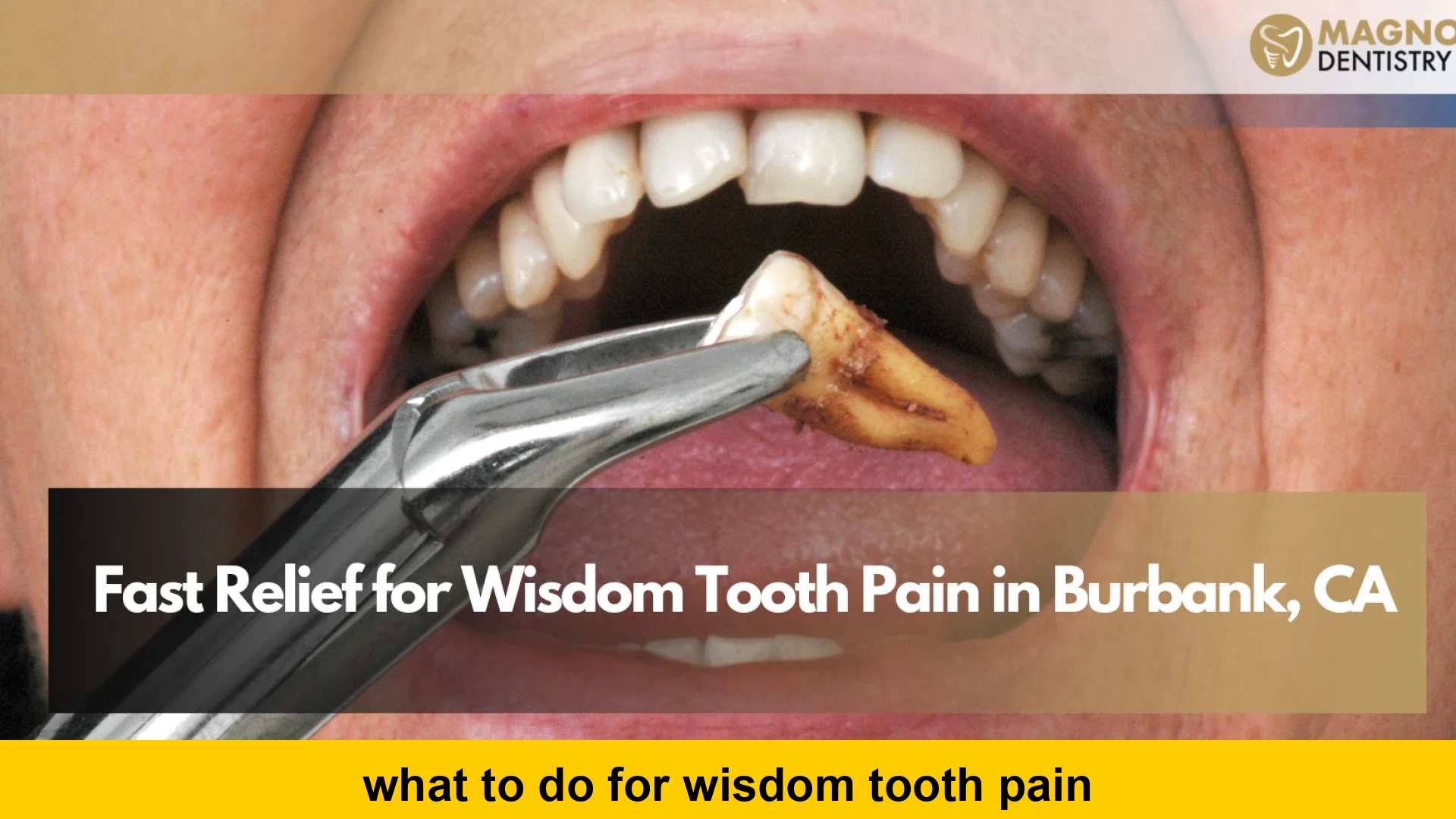
Wisdom tooth pain can be an incredibly disruptive and uncomfortable experience. Emerging typically between the ages of 17 and 25, these final molars often cause problems due to lack of space in the jaw, leading to impaction, misalignment, or infection. Understanding what to do for wisdom tooth pain is crucial, whether you're experiencing mild discomfort or severe throbbing. This comprehensive guide will walk you through immediate home remedies, when it's essential to see a dentist, and various professional treatments available to help you find much-needed relief.
Many individuals find themselves asking, "how to manage wisdom tooth pain?" when it strikes unexpectedly. The sharp, persistent ache can make eating, talking, and even sleeping a challenge. It’s important to remember that while some initial steps can provide temporary solace, ignoring persistent or worsening symptoms is never advisable. Your oral health is paramount, and early intervention can prevent more severe complications down the line. Let's explore the effective strategies for dealing with wisdom tooth discomfort and restoring your comfort.
Understanding the Causes and Symptoms of Wisdom Tooth Pain
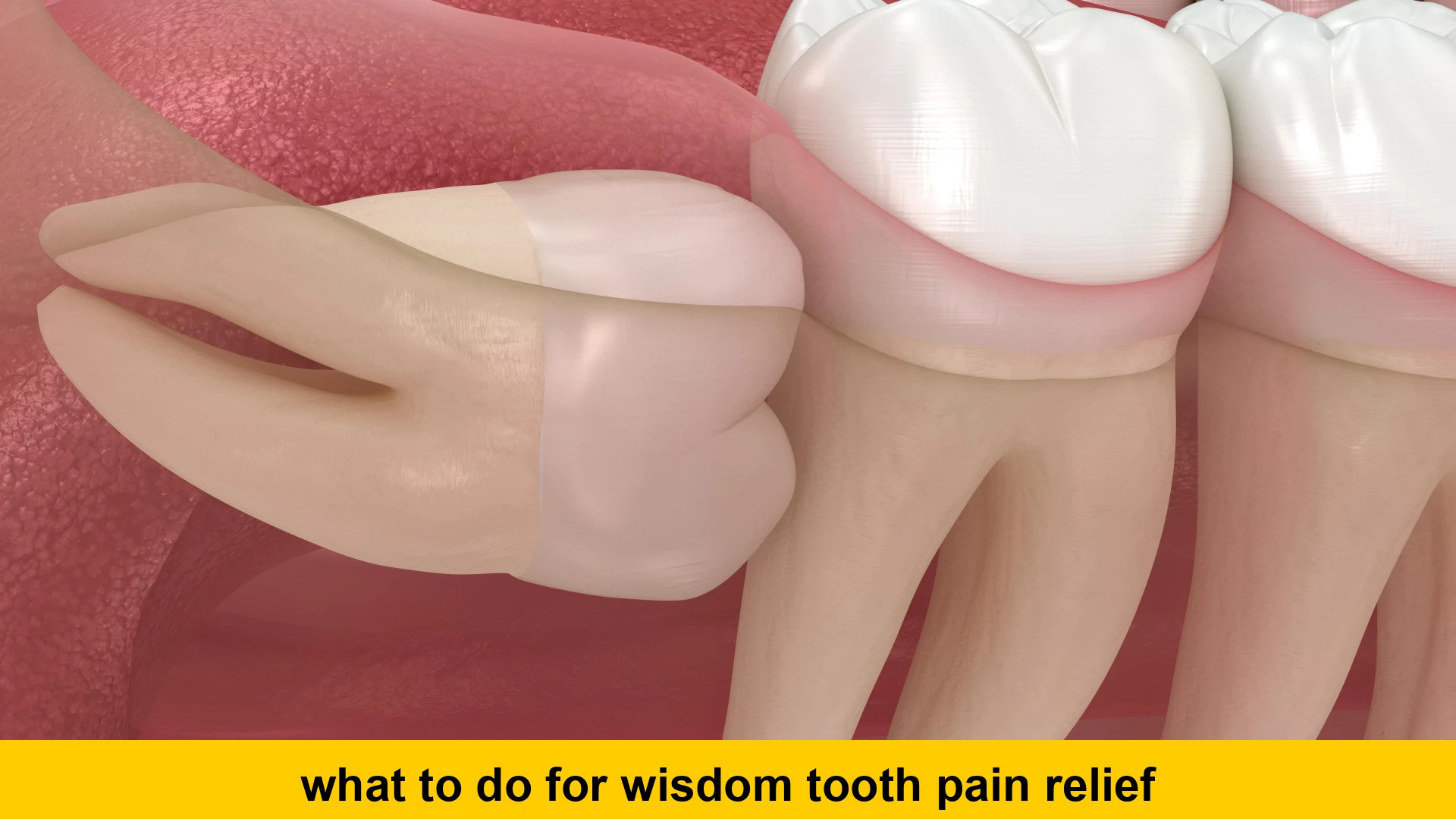
Before diving into what to do for wisdom tooth pain relief, it’s helpful to understand why these teeth cause so much trouble in the first place. Wisdom teeth, also known as third molars, are the last set of molars to erupt. Often, there isn't enough room in the jaw for them to emerge properly, leading to various issues. This lack of space can cause them to become impacted, meaning they are trapped beneath the gum line or grow at an awkward angle, pushing against neighboring teeth.
Impacted wisdom teeth can cause significant pain and a host of other problems. They might erupt partially, creating a flap of gum tissue (operculum) that can trap food particles and bacteria, leading to infection (pericoronitis). This condition is a common culprit behind intense wisdom tooth pain symptoms, characterized by swelling, redness, and pus around the tooth.
Other causes of wisdom tooth pain include crowding, where the erupting wisdom tooth pushes against adjacent teeth, causing them to shift and create pressure. Cysts can also form around an impacted wisdom tooth, slowly damaging surrounding bone and nerve tissue. In some cases, the pain might not be directly from the wisdom tooth itself but from an infection that has spread to the surrounding areas, like the jaw or lymph nodes.
Common wisdom tooth pain symptoms include a persistent ache or throbbing sensation at the back of the jaw, swelling around the jaw, tenderness or bleeding gums, difficulty opening your mouth wide, and an unpleasant taste in your mouth if there's an infection. Sometimes, pain can even radiate to your ear or temple. Recognizing these signs early is the first step in knowing what actions to take when your wisdom tooth hurts.
Immediate Relief for Severe Wisdom Tooth Pain at Home
When wisdom tooth pain strikes, your first thought is often for immediate relief. While these home remedies won't solve the underlying problem, they can significantly reduce discomfort until you can see a dental professional. These steps are crucial for anyone wondering what to do for wisdom tooth pain in the interim.
1. Saltwater Rinses: A Natural Antiseptic
One of the simplest yet most effective ways to alleviate wisdom tooth pain is with a warm saltwater rinse. Salt is a natural antiseptic and can help reduce inflammation and kill bacteria in your mouth. Mix half a teaspoon of salt into a glass of warm water. Swish the solution around your mouth, especially near the affected area, for about 30-60 seconds before spitting it out. Repeat this several times a day, particularly after meals, to keep the area clean and reduce swelling.
2. Cold Compress: Numbing the Pain and Reducing Swelling
Applying a cold compress to the outside of your jaw can help numb the pain and reduce swelling. Wrap an ice pack or a bag of frozen vegetables in a thin cloth and hold it against the affected side of your face for 15-20 minutes. You can repeat this every few hours. This method is particularly effective for soothing inflammation and providing temporary relief for painful wisdom teeth.
3. Over-the-Counter Pain Relievers: Your First Line of Defense
Over-the-counter (OTC) pain medications are often the first port of call for many people seeking what to do for wisdom tooth pain. Non-steroidal anti-inflammatory drugs (NSAIDs) like ibuprofen (Advil, Motrin) or naproxen (Aleve) are excellent choices as they not only relieve pain but also reduce inflammation. Acetaminophen (Tylenol) can also help manage the pain. Always follow the dosage instructions on the package and consult with a pharmacist or doctor if you have any underlying health conditions or are taking other medications.
4. Clove Oil: An Ancient Anesthetic
Clove oil has been used for centuries as a natural pain reliever for toothaches. It contains eugenol, a natural anesthetic and antiseptic. To use it, put a few drops of clove oil on a cotton ball and apply it gently to the affected wisdom tooth and surrounding gum area. Be careful not to swallow large amounts of the oil, as it can cause an upset stomach. You should feel a numbing sensation within a few minutes. This is a common and effective step people take when trying to stop wisdom tooth pain before an extraction or dentist visit.
5. Oral Anesthetic Gels: Targeted Numbness
Over-the-counter oral anesthetic gels, such as those containing benzocaine (e.g., Orajel), can provide temporary topical relief. Apply a small amount of the gel directly to the painful area around your wisdom tooth. These gels work by numbing the nerve endings in the gums, offering a quick but short-lived reprieve. They can be particularly useful if wisdom tooth pain is unbearable and you need immediate, localized relief.
6. Peppermint Tea Bags: Soothing and Anti-inflammatory
Peppermint has mild numbing properties and can be soothing. Brew a cup of peppermint tea and let the tea bag cool down. Once it's cool enough (or even slightly chilled), place the used tea bag directly on the painful gum area for about 20 minutes. This can help calm the inflammation and provide relief for dealing with wisdom tooth discomfort.
7. Garlic: Natural Antibacterial Properties
Garlic is known for its strong antibacterial properties. Crush a clove of garlic and mix it with a pinch of salt to form a paste. Apply this paste directly to the painful wisdom tooth area. While the taste might be intense, it can help kill bacteria and reduce inflammation. This falls under natural steps to take for wisdom tooth pain when you're looking for something beyond conventional remedies.
8. Onion: Anti-inflammatory and Antiseptic
Similar to garlic, onions possess antiseptic and anti-inflammatory properties. Chewing on a raw piece of onion for a few minutes can release compounds that help alleviate pain and destroy germs. If chewing is too painful, you can place a small slice of onion directly on the affected tooth or gum.
When to See a Dentist for Wisdom Tooth Pain
While home remedies can offer temporary relief, they are not a substitute for professional dental care. Knowing when to see a dentist for wisdom tooth pain is crucial to prevent minor issues from escalating into severe complications. Don't delay seeking professional help if you experience certain symptoms, as ignoring them can lead to prolonged suffering and more complex treatments.
You should contact your dentist promptly if you experience any of the following:
- Severe and persistent pain: If the pain is unbearable, doesn't subside with OTC pain relievers, or lasts for more than a few days, it's a clear sign you need professional intervention.
- Signs of infection: This includes fever, chills, pus around the tooth, swollen lymph nodes in your neck, or difficulty swallowing. An infection around an impacted wisdom tooth (pericoronitis) can spread if left untreated.
- Swelling: Significant swelling in your jaw, cheek, or around the affected tooth indicates inflammation or infection that requires immediate attention.
- Difficulty opening your mouth: Trismus, or limited jaw movement, is a common symptom of wisdom tooth issues, often due to inflammation or muscle spasms.
- Unpleasant taste or bad breath: These can be indicators of an infection or trapped food particles beneath the gum flap.
- Bleeding gums: While some bleeding might occur, excessive or persistent bleeding around the wisdom tooth area needs evaluation.
Delaying a visit to the dentist could lead to more serious issues like dental abscesses, cysts, damage to adjacent teeth, or even systemic infections. Your dentist can accurately diagnose the problem and recommend the most appropriate course of action, which might involve anything from a deep cleaning to extraction. It's the essential next step after trying initial first aid for wisdom tooth pain until a dentist visit.
Professional Pain Relief Options for Wisdom Teeth
Once you consult a dentist, they will assess your situation and recommend the best professional solutions for what to do for wisdom tooth pain relief. These options range from conservative treatments to surgical removal, depending on the cause and severity of your discomfort.
1. Prescription Medications: Stronger Pain Management
If OTC pain relievers aren't enough, your dentist may prescribe stronger pain medications, such as prescription-strength NSAIDs or, in some cases, opioid painkillers for very severe, acute pain. They might also prescribe antibiotics if there's a bacterial infection present, especially in cases of pericoronitis. Always complete the full course of antibiotics, even if symptoms improve, to ensure the infection is fully eradicated.
2. Irrigation and Cleaning: Addressing Pericoronitis
For pericoronitis (inflammation of the gum tissue around a partially erupted wisdom tooth), your dentist might clean and irrigate the area. This involves flushing out trapped food debris and bacteria from under the gum flap. They may also apply a topical antiseptic or antibiotic to the area to help control the infection. This can provide significant relief and is often a precursor to deciding on extraction.
3. Minor Dental Procedures: Smoothing or Trimming
In some specific cases where a wisdom tooth is causing irritation by rubbing against the cheek or gum, or if a sharp edge is problematic, your dentist might be able to smooth down the tooth or trim the gum tissue slightly. This is less common but can be an option if extraction isn't immediately necessary or desired.
4. Wisdom Tooth Extraction: The Definitive Solution
The most common and definitive solution for problematic wisdom teeth is extraction. This procedure is performed when a wisdom tooth is impacted, causing recurrent infections, damaging adjacent teeth, or leading to persistent pain and discomfort. Knowing when to extract is a critical part of determining what to do for wisdom tooth pain long-term.
Types of Extraction:
- Simple Extraction: If the wisdom tooth has fully erupted and is easily accessible, a simple extraction can be performed. The dentist will numb the area, loosen the tooth with an instrument called an elevator, and then remove it with forceps.
- Surgical Extraction: For impacted wisdom teeth, a surgical extraction is usually necessary. This typically involves an oral surgeon. They will make an incision in the gum tissue to expose the tooth and bone. Sometimes, bone needs to be removed that is covering the tooth, or the tooth might be divided into smaller pieces for easier removal. After the tooth is removed, the incision is stitched closed.
Extraction is often recommended to prevent future problems, even if the tooth isn't causing severe pain at the moment, especially if it's predicted to cause issues down the line. Discussing the pros and cons with your dental professional is essential to make an informed decision.
For more detailed information on dental procedures and overall oral health, you might find resources from authoritative bodies like the American Dental Association very helpful.
What to Expect During and After Wisdom Tooth Extraction
If extraction is deemed the best course of action for your wisdom tooth pain, understanding the process and recovery can help ease any anxiety. This section details what to expect, offering practical examples and actionable steps to ensure a smooth experience.
During the Procedure:
Before the extraction, you'll discuss anesthesia options with your dentist or oral surgeon. These can range from local anesthesia (numbing the area) to sedation (conscious sedation or IV sedation to help you relax) or general anesthesia (where you are completely unconscious). The choice depends on the complexity of the extraction and your comfort level.
The actual removal process is usually quick once the area is numb. You might feel some pressure but shouldn't feel any pain. For surgical extractions, the process may take longer, involving gum incision and sometimes bone removal, but again, pain is managed through anesthesia. The team will ensure you're comfortable throughout.
After the Procedure: Recovery and Care
Post-extraction care is critical for preventing complications and ensuring a speedy recovery. Your dentist or oral surgeon will provide specific instructions, but here are general guidelines for what to do for wisdom tooth pain relief and recovery:
1. Manage Pain and Swelling:
- Pain Medication: Take prescribed pain medication as directed. If only OTC meds are recommended, stick to those. Start taking them before the local anesthetic wears off.
- Ice Packs: Apply an ice pack to your cheek for 15-20 minutes at a time, every few hours, for the first 24-48 hours to reduce swelling and bruising.
- Rest: Rest is vital. Avoid strenuous activities for at least 24-48 hours. Keep your head elevated with pillows when lying down.
2. Control Bleeding:
- Gauze Pads: Bite gently on the gauze pads placed over the extraction site. Change them every 30-45 minutes until the bleeding subsides. A small amount of oozing for the first 24 hours is normal.
- Avoid Disrupting the Blood Clot: The blood clot that forms in the socket is crucial for healing. Avoid spitting, rinsing vigorously, using straws, smoking, or drinking alcohol for at least 24-48 hours, as these can dislodge the clot and lead to a painful condition called "dry socket."
3. Maintain Oral Hygiene (Carefully):
- Gentle Rinsing: After 24 hours, you can gently rinse your mouth with warm saltwater (half a teaspoon of salt in a glass of warm water) several times a day, especially after meals. This helps keep the area clean.
- Brushing: Brush your teeth carefully, avoiding the extraction site initially. Gradually return to normal brushing.
4. Dietary Considerations:
- Soft Foods: Stick to soft foods like yogurt, mashed potatoes, soups (lukewarm, not hot), smoothies, and scrambled eggs for the first few days.
- Avoid Certain Foods: Steer clear of hard, crunchy, sticky, or spicy foods that could irritate the extraction site or get stuck in the socket.
- Hydration: Drink plenty of water, but avoid straws.
5. Watch for Complications:
- Dry Socket: If you experience severe pain radiating to your ear, temple, or neck a few days after extraction, it could be a dry socket. Contact your dentist immediately.
- Infection: Signs include fever, increasing swelling, pus, or severe pain.
- Excessive Bleeding: If bleeding is heavy and doesn't stop after an hour of direct pressure with gauze.
Your dentist will likely schedule a follow-up appointment to check on your healing. Following these instructions carefully is the best way to ensure a smooth recovery after addressing what to do for wisdom tooth pain through extraction. You can find more information about post-extraction care tips here.
Preventative Measures and Long-Term Oral Health
While some wisdom tooth problems are inevitable due to genetics and jaw size, there are preventative measures you can take, and good oral hygiene is always key to maintaining long-term oral health and potentially reducing complications associated with wisdom teeth. Thinking about what to do for wisdom tooth pain extends to preventing its recurrence.
Regular Dental Check-ups:
Routine dental examinations and X-rays are vital. Your dentist can monitor the development and position of your wisdom teeth long before they cause problems. Early detection of impaction or other issues allows for timely intervention, often before pain even begins. These check-ups can also help identify potential issues that could cause future discomfort, giving you a chance to address them proactively and reduce the likelihood of experiencing severe wisdom tooth pain symptoms.
Maintain Excellent Oral Hygiene:
Even if your wisdom teeth have erupted without issue, ensuring you can properly clean them is important. Because they are so far back in the mouth, wisdom teeth can be difficult to reach with a toothbrush and floss. Food particles and bacteria can easily accumulate, leading to cavities or gum disease around these molars. Use a smaller toothbrush head, practice good flossing techniques, and consider an antiseptic mouthwash to reach all areas and keep plaque at bay. This meticulous care is an important part of how to stop wisdom tooth pain from developing due to decay or infection.
Addressing Crowding Early:
In some cases, orthodontic treatment (braces or aligners) in adolescence can create more space in the jaw, potentially allowing wisdom teeth to erupt properly or identifying the need for early extraction before they cause significant pain. While not always a direct preventative for wisdom tooth issues, it contributes to overall oral health and alignment, which can impact wisdom tooth eruption.
What to do if wisdom tooth pain is unbearable?
If you find yourself in a situation where the wisdom tooth pain is unbearable, it’s crucial to seek emergency dental care. Do not try to tough it out. Contact your dentist immediately, or if it’s after hours, seek an emergency dental clinic. While you wait, continue with home remedies like cold compresses and OTC pain relievers, but prioritize getting professional help. Severe, unbearable pain often indicates a serious underlying issue that requires prompt attention. This is a critical action to take when your wisdom tooth hurts significantly, beyond what home care can manage.
Consider Elective Extraction:
Sometimes, dentists recommend elective wisdom tooth removal even if they aren't currently causing pain, especially if imaging shows they are impacted and likely to cause problems in the future. This preventative measure can save you from potential future discomfort, infection, or damage to adjacent teeth. Discussing this option with your dentist can help you decide if it's the right choice for your long-term oral health plan. This is a proactive step that many consider to avoid asking "what to do for wisdom tooth pain" in the future.
By prioritizing regular dental visits and maintaining diligent oral hygiene, you significantly reduce the risk of developing severe wisdom tooth-related issues. Even if problems arise, early detection and appropriate management mean less pain and quicker resolution.
For additional insights into managing various dental discomforts, explore our article on understanding dental pain and its causes.
Understanding Anesthesia and Sedation for Wisdom Tooth Procedures
When considering what to do for wisdom tooth pain relief that requires professional intervention, especially extraction, understanding your anesthesia and sedation options is key. These methods are designed to ensure your comfort and manage any anxiety you might have during the procedure.
1. Local Anesthesia:
This is the most common form of anesthesia used for simple extractions or minor dental work. Your dentist will inject a numbing agent (like lidocaine) directly into the gum tissue around the wisdom tooth. This completely numbs the area, so you won't feel any pain during the procedure, though you might feel pressure. You'll remain fully conscious and aware of what's happening, able to communicate with your dentist.
2. Nitrous Oxide (Laughing Gas):
Nitrous oxide is a mild sedative that helps you relax during the procedure. It's administered through a mask placed over your nose. You'll be conscious and responsive, but you'll feel lightheaded, relaxed, and may even giggle (hence "laughing gas"). The effects wear off quickly once the mask is removed, allowing you to drive yourself home afterward.
3. Oral Sedation:
For those with moderate anxiety, oral sedation involves taking a prescribed pill (usually a benzodiazepine like Valium or Halcion) an hour or so before your appointment. This medication will make you feel drowsy and very relaxed, though you'll still be conscious. You might not remember much of the procedure afterward. Since the effects can last for several hours, you'll need someone to drive you to and from the appointment.
4. IV Sedation (Intravenous Sedation):
Also known as "twilight sleep," IV sedation is administered directly into a vein. This method allows for a deeper level of relaxation than oral sedation. You'll be semi-conscious, able to respond to commands, but will likely feel very sleepy and have little to no memory of the procedure. Anesthesia will be continuously monitored throughout. Like oral sedation, you'll need an escort home.
5. General Anesthesia:
General anesthesia is typically reserved for more complex surgical extractions, multiple extractions, or for patients with extreme anxiety or special needs. With general anesthesia, you are completely unconscious and will have no memory of the procedure. It's administered by an anesthesiologist, who monitors your vital signs throughout. This usually requires a hospital or specialized surgical center setting, and you'll need someone to take you home afterward and potentially stay with you.
Your dental professional will discuss which option is best for your specific case, taking into account the complexity of your procedure, your medical history, and your comfort level. Don't hesitate to ask questions about each option to feel more confident and prepared for your treatment, especially when figuring out the best over-the-counter for wisdom tooth pain relief after a procedure, if appropriate, or considering stronger prescribed options.
Coping Strategies for Anxiety Related to Wisdom Tooth Pain and Treatment
The prospect of wisdom tooth pain, and especially the thought of extraction, can be a source of significant anxiety for many. Beyond figuring out what to do for wisdom tooth pain itself, learning to manage this stress can greatly improve your experience. Here are some strategies to help you cope:
1. Open Communication with Your Dentist:
This is perhaps the most important step. Don't be afraid to voice your fears and concerns to your dental team. A good dentist will take your anxiety seriously and work with you to make you feel more comfortable. Ask all your questions, no matter how small they seem. Understanding the procedure, the pain management options, and what to expect can significantly reduce fear of the unknown.
2. Practice Relaxation Techniques:
Before and during your appointment, practicing relaxation techniques can be very helpful. Deep breathing exercises can calm your nervous system: inhale slowly through your nose, hold for a few seconds, and exhale slowly through your mouth. Progressive muscle relaxation, where you tense and then relax different muscle groups, can also reduce overall body tension.
3. Distraction Methods:
During the procedure, distractions can be invaluable. Many dental offices now offer options like headphones with music, audiobooks, or even televisions on the ceiling. If not provided, ask if you can bring your own headphones. Focusing on something other than the sounds and sensations of the dental work can make a big difference.
4. Consider Sedation Options:
As discussed earlier, various levels of sedation are available. If your anxiety is high, even for a minor procedure or particularly if wisdom tooth pain is unbearable and requires prompt attention, discuss options like nitrous oxide, oral sedation, or IV sedation with your dentist. These can help you feel relaxed and less aware during the treatment.
5. Bring a Support Person:
If allowed and feasible, having a friend or family member accompany you to your appointment can provide emotional support. Their presence can be reassuring, and they can help with transportation if you opt for sedation.
6. Focus on the Benefits of Treatment:
Remind yourself that addressing your wisdom tooth pain is a step towards better oral health and permanent relief. Focusing on the positive outcome – being free from pain and discomfort – can help reframe your perspective and motivate you to go through with the necessary treatment.
7. Post-Procedure Self-Care:
Planning for comfortable recovery after the procedure can also reduce pre-treatment anxiety. Have soft foods ready, your pain medication accessible, and a cozy spot set up for rest. Knowing you're prepared for the recovery period can make the whole experience less daunting.
By combining effective pain management strategies with techniques to address dental anxiety, you can navigate your wisdom tooth experience more comfortably and confidently, regardless of what actions to take when your wisdom tooth hurts. Remember, your dental team is there to help you, and expressing your needs is the first step towards a better experience.
Conclusion: Taking Action for Lasting Relief from Wisdom Tooth Pain
Navigating the discomfort of wisdom tooth pain can be challenging, but understanding what to do for wisdom tooth pain empowers you to take control of your oral health. From immediate home remedies like saltwater rinses and cold compresses to over-the-counter pain relievers and traditional remedies like clove oil, there are many initial steps you can take to find temporary comfort. These measures are invaluable for first aid for wisdom tooth pain until a dentist visit, offering a bridge to professional care.
However, it's crucial to recognize when to see a dentist for wisdom tooth pain. Persistent, severe pain, swelling, signs of infection, or difficulty opening your mouth are clear indicators that professional intervention is necessary. Ignoring these symptoms can lead to more serious complications and prolonged suffering. Your dentist is equipped to diagnose the root cause of your pain and provide targeted treatment, whether it's through prescription medications, localized cleaning, or ultimately, wisdom tooth extraction.
For many, extraction proves to be the definitive solution for relief for painful wisdom teeth. Understanding the procedure, the anesthesia options, and especially the post-operative care instructions, is key to a smooth recovery. Taking proactive steps like maintaining excellent oral hygiene and regular dental check-ups can also help prevent future problems, ensuring your long-term oral health. Don't let wisdom tooth discomfort dictate your life; consult with a dental professional to find the best course of action and regain your comfort and peace of mind.