
Experiencing a headache can be debilitating, but when that throbbing pain in your head is accompanied by discomfort in your jaw or mouth, it’s often a sign that something deeper is at play. Many people are unaware that their wisdom teeth can be the silent culprits behind persistent and severe headaches. This intricate connection between oral health and head pain is more common than you might think, and understanding it is the first step towards finding relief.
The sensation of wisdom tooth pain causing headache is not merely a coincidence. Our bodies are interconnected systems, and issues in one area can easily manifest as symptoms elsewhere. Wisdom teeth, or third molars, are the last set of teeth to erupt, typically between the ages of 17 and 25. Often, there isn’t enough room in the mouth for them to emerge properly, leading to a host of problems including impaction, misalignment, infection, and, critically, referred pain that can radiate throughout the head.
This comprehensive guide will delve into the mechanisms behind a headache from wisdom tooth pain, explore the various symptoms to look out for, and provide actionable advice on managing the discomfort. We’ll discuss when it’s crucial to seek professional help and what treatment options are available to put an end to the agony of a wisdom tooth-induced headache. If you’ve been grappling with unexplained headaches and suspect your wisdom teeth might be the cause, you’re in the right place to uncover the answers you need.
Understanding the Connection: Why Wisdom Tooth Pain Can Lead to Headaches
The link between dental issues and headaches is rooted in our complex anatomy, specifically the trigeminal nerve. This major nerve is responsible for sensations in the face, including the teeth, jaw, and temples, and plays a crucial role in chewing functions. When a wisdom tooth begins to cause problems, it can irritate the trigeminal nerve, sending pain signals that aren’t confined to the immediate area but instead spread, resulting in a headache.
One of the primary reasons for wisdom tooth pain causing headache is inflammation. When a wisdom tooth is impacted (unable to fully erupt) or partially erupted, it creates a pocket around the tooth that can trap food particles and bacteria. This leads to an infection called pericoronitis, which causes swelling and inflammation in the surrounding gum tissue and jaw. The inflammatory response can then irritate adjacent nerves and muscles, triggering pain that radiates upwards to the temples, ears, and even behind the eyes.
Moreover, the jaw muscles themselves can become a source of pain. When a wisdom tooth causes discomfort, people often unconsciously clench their jaw or grind their teeth (bruxism) in an attempt to alleviate the pressure or due to the constant irritation. This excessive muscle activity strains the temporomandibular joint (TMJ) and the associated muscles (masseter, temporalis), leading to tension headaches. The constant tension can manifest as a dull, aching pain across the head, particularly in the temples and forehead. The impact of wisdom tooth pain on head muscles cannot be underestimated, contributing significantly to chronic headaches.
The physical pressure exerted by an erupting or impacted wisdom tooth can also be a direct cause of headaches. As the tooth tries to push through the gum line, it can put pressure on neighboring teeth and the jawbone. This constant pressure can radiate through the facial structures and skull, manifesting as a headache. Sometimes, the pain is localized to one side of the head, corresponding to the problematic wisdom tooth, making it easier to identify the source of the headache from wisdom tooth pain.
It’s important to differentiate between general headaches and those specifically triggered by dental issues. While many headaches have various origins, persistent headaches accompanied by jaw stiffness, earaches, or localized tooth pain strongly suggest a dental connection. Recognizing these accompanying wisdom tooth symptoms is key to getting an accurate diagnosis.
Impacted Wisdom Teeth: A Common Headache Culprit
An impacted wisdom tooth is one of the most frequent reasons for wisdom tooth pain causing headache. Impaction occurs when there isn’t enough space in the jaw for the wisdom tooth to erupt fully or properly. It can grow at an angle, horizontally, or remain completely trapped beneath the gum line or within the jawbone. This abnormal growth pattern can lead to several complications that directly contribute to headaches.
Firstly, an impacted tooth can exert pressure on the roots of the adjacent second molar, leading to pain that can radiate along the jawbone and up into the head. This pressure can also irritate nerve endings, intensifying the headache. The constant, subtle pressure can lead to a dull, throbbing ache that is often dismissed as a regular tension headache, but its origin is distinctly dental.
Secondly, partially impacted wisdom teeth are notorious for harboring bacteria. When a tooth is only partially through the gum, it creates a flap of gum tissue (operculum) that is difficult to clean. Food particles and bacteria get trapped under this flap, leading to pericoronitis. This infection causes swelling, tenderness, and pus, and the resulting inflammation can be significant enough to trigger widespread facial and head pain. This is a classic scenario where wisdom tooth pain leading to headache becomes a pressing issue, demanding prompt attention.
Thirdly, an impacted tooth can cause misalignment of other teeth as it pushes against them. This shifting can affect your bite, leading to an imbalance in the chewing muscles and the TMJ. When your bite is off, your jaw muscles work harder to compensate, resulting in muscle fatigue and tension. This muscle tension frequently radiates to the temples and head, causing a jaw pain headache that can be persistent and severe.
For individuals wondering, can an impacted wisdom tooth cause headaches? The answer is a resounding yes. The mechanical pressure, nerve irritation, and inflammation associated with impaction create a perfect storm for persistent head pain. Prompt diagnosis of an impacted wisdom tooth is crucial to prevent chronic headaches and other oral health complications.
Recognizing the Symptoms: Is Your Headache from Wisdom Tooth Pain?
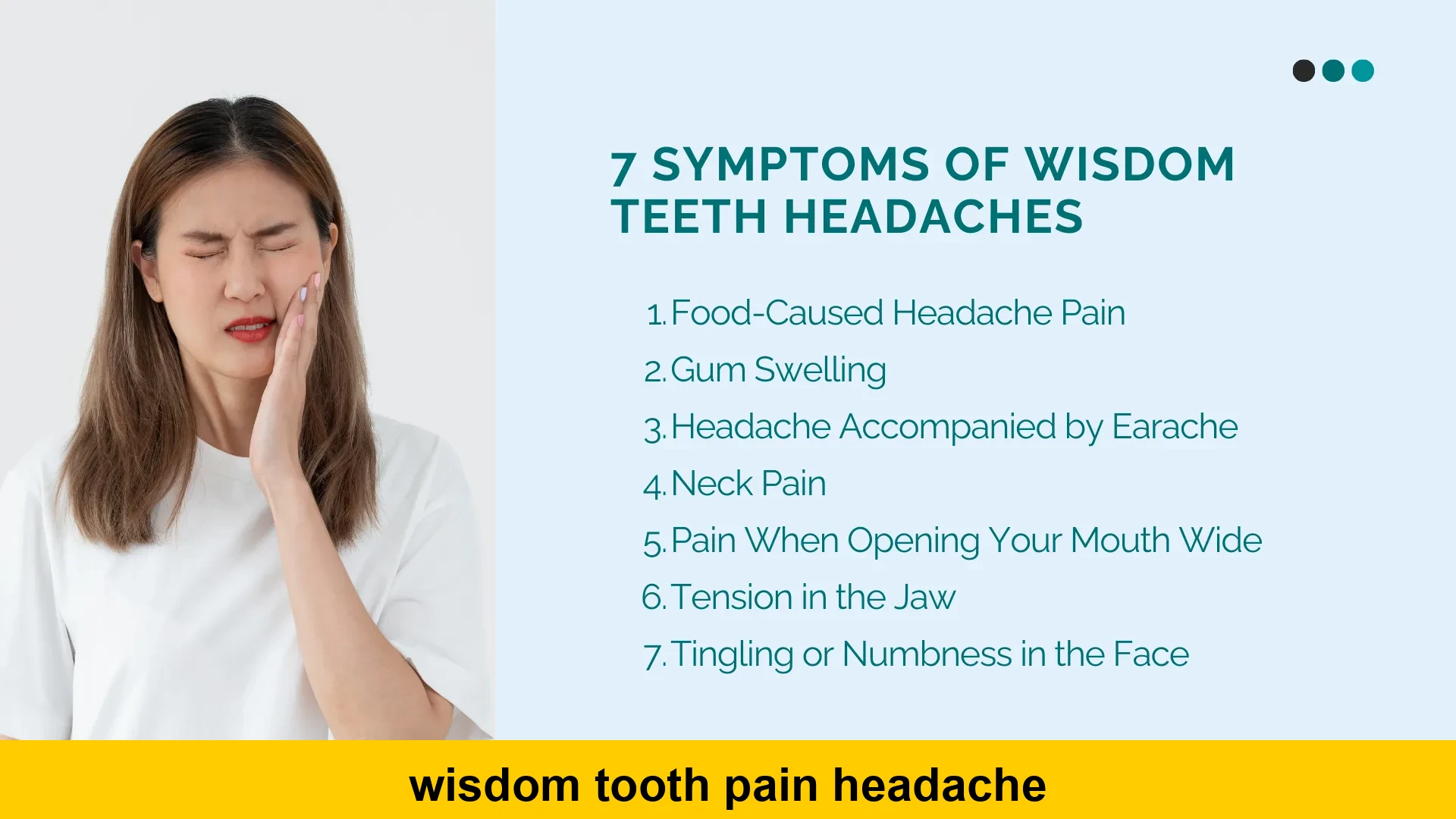
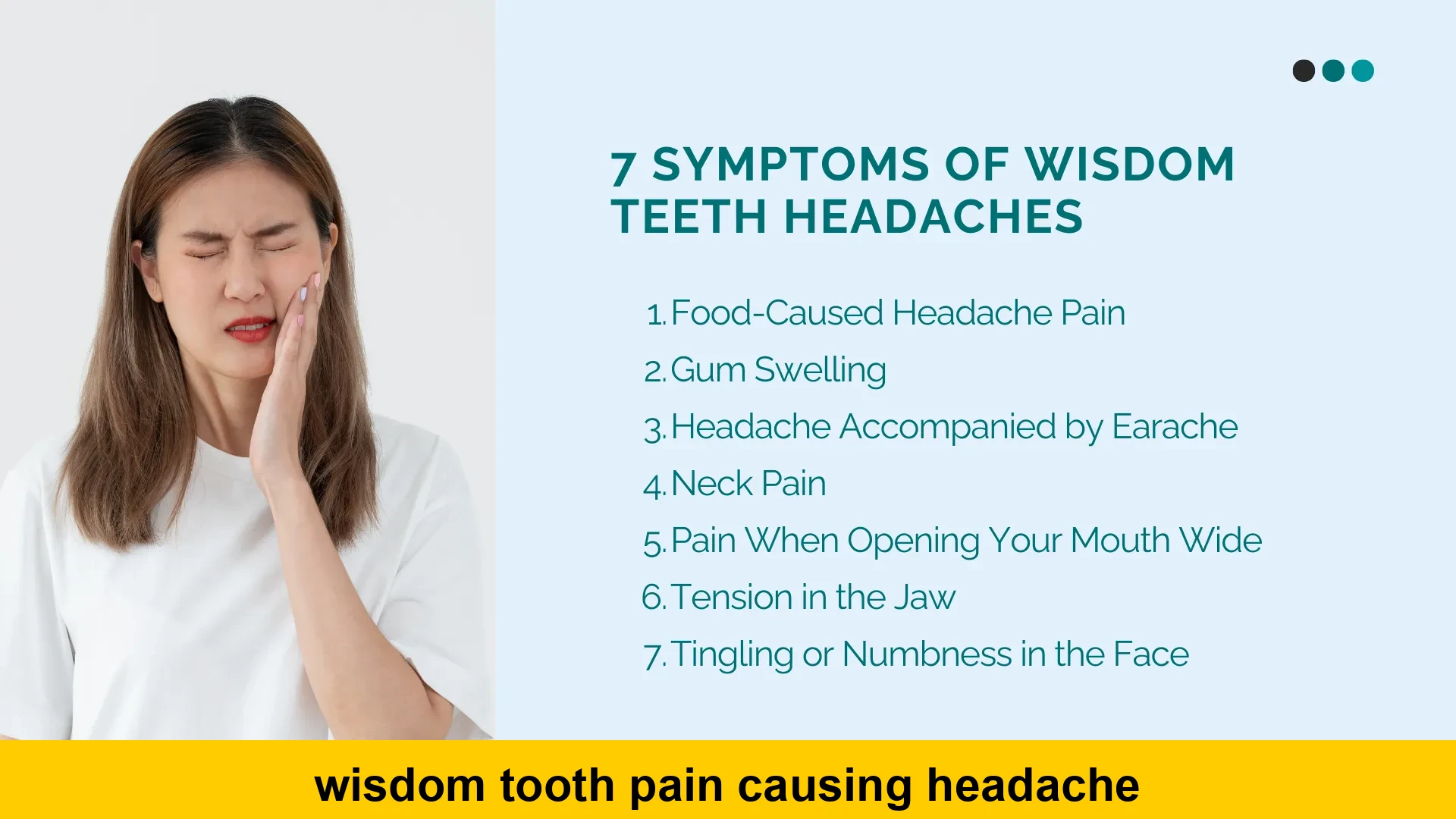
Identifying whether your headache stems from wisdom tooth pain requires paying close attention to a constellation of symptoms. While a general headache can occur for many reasons, specific accompanying signs can help pinpoint a dental origin. If you suspect your wisdom teeth are to blame, look for these indicators that your headache is from wisdom tooth pain.
The headache itself might present differently than your typical tension or migraine headache. Often, the pain is localized to one side of the head, especially on the side where the problematic wisdom tooth is located. You might experience a dull, throbbing ache in your temples, behind your eye, or radiating from your ear. Some describe it as a pressure sensation in the head, particularly around the temporal region. The wisdom tooth pain and temple headache connection is a well-documented phenomenon due to nerve pathways and muscle tension.
Beyond the headache, look for these common wisdom tooth symptoms:
- Jaw Pain and Stiffness: Difficulty opening your mouth wide, pain when chewing, or a general stiffness in the jaw muscles. This often accompanies a headache from wisdom tooth pain as the jaw muscles try to compensate or are inflamed.
- Ear Pain: A persistent ache in or around the ear, often described as a deep, radiating pain, even if there’s no ear infection. This is another example of referred pain.
- Facial Swelling: Swelling in the cheek or around the jaw on the affected side. This indicates inflammation or infection, which can contribute to the headache.
- Gum Tenderness or Swelling: Red, swollen, or tender gums around the wisdom tooth area. You might also notice pus or a bad taste in your mouth if an infection is present.
- Difficulty Chewing or Biting: Pain when biting down or difficulty chewing food on the affected side.
- Fever: In cases of significant infection (pericoronitis), a low-grade fever might accompany the pain and headache.
- Bad Breath: Persistent bad breath (halitosis) can be a sign of bacterial accumulation around a partially erupted or impacted wisdom tooth.
Many individuals report a sharp headache from wisdom tooth pain, especially when the tooth is actively erupting or if there’s a developing infection. The intensity can range from a mild ache to a debilitating pain that interferes with daily activities. Is wisdom tooth pain headache normal? Yes, in cases where there are complications like impaction, infection, or muscle tension, it is a very common symptom, though not one to be ignored.
If you’re experiencing several of these symptoms concurrently, especially if they are unilateral (on one side), it’s highly probable that your wisdom tooth is the underlying cause of your head pain. Documenting these symptoms and their frequency can be very helpful for your dentist in making an accurate diagnosis.
Actionable Steps: How to Relieve Headache from Wisdom Tooth Pain
When grappling with the discomfort of a headache from wisdom tooth pain, immediate relief is often the top priority. While these measures are temporary and do not replace professional dental care, they can certainly help manage symptoms until you can see a dentist. Here’s what to do for headache from wisdom teeth:
Home Remedies for Temporary Relief:
-
Over-the-Counter Pain Relievers: Non-steroidal anti-inflammatory drugs (NSAIDs) like ibuprofen (Advil, Motrin) or naproxen (Aleve) can effectively reduce both pain and inflammation. Acetaminophen (Tylenol) can also help with pain. Always follow dosage instructions carefully.
-
Cold Compress: Applying a cold compress or an ice pack wrapped in a cloth to the outside of your cheek near the affected area can help reduce swelling and numb the pain. Apply for 15-20 minutes at a time, several times a day.
-
Warm Saltwater Rinse: A warm saltwater rinse can help reduce inflammation and kill bacteria in the mouth, especially around a partially erupted wisdom tooth. Mix half a teaspoon of salt in a glass of warm water and rinse your mouth thoroughly for 30 seconds, repeating several times a day, particularly after meals. This can be very soothing for toothache headache relief.
-
Soft Food Diet: Avoid chewing hard, crunchy, or sticky foods that can put pressure on your wisdom tooth and jaw. Opt for soft foods like soups, yogurts, mashed potatoes, and smoothies to give your jaw a rest and minimize irritation to the area.
-
Herbal Remedies: Some people find temporary relief with natural remedies. Clove oil, applied sparingly to the affected tooth with a cotton swab, has natural anesthetic properties. Peppermint tea bags (cooled and applied) can also offer soothing effects.
-
Jaw and Facial Muscle Relaxation: Gentle massage of the jaw muscles and temples can help alleviate tension that contributes to headaches. Avoid excessive clenching or grinding. Try to be mindful of jaw tension, especially during stressful periods.
-
Stay Hydrated: Dehydration can exacerbate headaches. Ensure you are drinking plenty of water throughout the day.
These home remedies are designed to provide symptomatic relief from the immediate wisdom tooth pain causing headache. However, they are not a substitute for professional dental evaluation and treatment. If your symptoms persist or worsen, it’s crucial to consult a dentist.
When to Seek Professional Help for Wisdom Tooth Pain Causing Headache
While home remedies can offer temporary respite, certain symptoms indicate that professional dental attention is not just advisable, but necessary. Ignoring persistent or worsening symptoms can lead to more serious complications. Knowing when to see a dentist for your wisdom tooth pain causing headache is critical.
You should seek immediate professional help if you experience any of the following:
- Severe and Unrelenting Pain: If your headache and tooth pain are intense and not relieved by over-the-counter medications. This indicates a significant issue that requires expert intervention.
- Spreading Swelling: Swelling that extends beyond the jaw to your neck, throat, or face. This could be a sign of a spreading infection, which can be dangerous.
- Difficulty Swallowing or Breathing: If swelling makes it hard to swallow, eat, or even breathe, it’s a medical emergency. Seek immediate care.
- High Fever: A high fever (above 101°F or 38.3°C) accompanying the pain suggests a severe infection that needs prompt antibiotic treatment.
- Pus or Discharge: If you notice pus draining from the gum around your wisdom tooth, it’s a clear sign of infection requiring professional drainage and antibiotics.
- Persistent Bad Taste or Odor: A foul taste or smell that won’t go away, even with good oral hygiene, can indicate an ongoing infection.
- Limited Jaw Movement (Trismus): If you struggle to open your mouth widely, this can be a symptom of severe inflammation or infection affecting the jaw muscles, commonly linked to wisdom tooth eruption headache symptoms.
- Headaches That Persist or Worsen: If your headaches, especially those accompanied by other dental symptoms, do not improve with home care or become more frequent and intense, it’s time for a professional diagnosis.
Even if your symptoms seem manageable, a persistent wisdom tooth pain leading to headache warrants a dental visit. Early intervention can prevent minor issues from escalating into major health problems. A dentist can accurately diagnose the source of your pain and recommend the most effective treatment plan.
Professional Diagnosis and Treatment Options
When you visit a dentist for a headache from wisdom tooth pain, they will conduct a thorough examination to determine the exact cause. This usually involves several steps:
-
Medical and Dental History: The dentist will ask about your symptoms, how long you’ve had them, their intensity, and any previous dental issues.
-
Oral Examination: They will visually inspect your wisdom teeth, gums, and surrounding areas for signs of swelling, redness, infection, or impaction.
-
X-rays: Dental X-rays, particularly panoramic X-rays, are crucial. They provide a comprehensive view of your entire mouth, showing the position of your wisdom teeth, whether they are impacted, their proximity to nerves, and any signs of damage or infection to surrounding teeth or bone. This imaging is essential for understanding the impact of wisdom tooth pain on head structures and guiding treatment decisions.
-
Palpation: The dentist may gently press on your jaw muscles and around your wisdom teeth to identify areas of tenderness or swelling.
Once a diagnosis is made, the treatment plan will be tailored to the specific cause of your wisdom tooth pain causing headache:
1. Management of Pericoronitis (Infection):
If the headache is due to an infection around a partially erupted wisdom tooth, the dentist will first clean the area thoroughly. They may prescribe antibiotics to clear the infection. Once the infection is under control, removal of the wisdom tooth is often recommended to prevent recurrence. This is a common solution for persistent wisdom tooth pain leading to headache caused by infection.
2. Wisdom Tooth Extraction:
For most cases of problematic wisdom teeth, especially those causing impaction, recurring infections, damage to adjacent teeth, or persistent headaches, extraction is the definitive solution. The procedure can range from a simple extraction (if the tooth is fully erupted) to a more complex surgical extraction (for impacted teeth). The type of extraction depends on the tooth’s position and complexity. Your dentist will explain the procedure, potential risks, and post-operative care.
The benefits of extraction often include immediate relief from pressure and inflammation, which, in turn, can resolve the associated headaches. Many patients report significant improvement in their migraine wisdom tooth symptoms or chronic jaw pain headache after their wisdom teeth are removed. For more detailed information on wisdom tooth removal, you can refer to authoritative sources like the American Dental Association’s guide on wisdom teeth.
3. Addressing TMJ Issues:
If the headaches are largely due to jaw muscle tension or TMJ dysfunction exacerbated by wisdom tooth pain, the dentist may recommend additional treatments beyond extraction. These could include physical therapy, muscle relaxants, or even a custom nightguard to prevent teeth grinding. Understanding the dental pain headache link is crucial here, as sometimes the treatment needs to address both the tooth and the secondary muscle issues.
4. Pain Management and Follow-up:
Post-extraction, your dentist will provide instructions for pain management, swelling reduction, and preventing complications like dry socket. They will usually prescribe pain medication and possibly antibiotics. Follow-up appointments are often scheduled to monitor healing.
Ultimately, professional intervention is the most reliable way to alleviate a headache from wisdom tooth pain permanently. Self-treatment offers only temporary relief, and delaying professional care can lead to more severe and challenging conditions. Don’t let your wisdom teeth silently sabotage your comfort and well-being; seek expert dental advice when symptoms arise.
Preventing Future Headaches and Maintaining Oral Health
While the immediate goal is to address existing wisdom tooth pain causing headache, taking proactive steps can help prevent future occurrences and maintain overall oral health. Prevention often involves a combination of regular dental care and awareness of your oral habits.
The cornerstone of prevention is regular dental check-ups and cleanings. Your dentist can monitor the development of your wisdom teeth from a young age, typically starting in the mid-to-late teens. Early radiographic (X-ray) assessments allow dentists to predict potential problems like impaction or lack of space before they cause significant pain or headaches. This proactive approach means a potential wisdom tooth pain leading to headache can be identified and addressed before it even starts.
If your dentist identifies that your wisdom teeth are likely to cause problems, they may recommend preemptive extraction. This is often done when the roots are not fully developed, which can make the extraction procedure simpler and recovery faster, minimizing the risk of future dental pain headache link complications. Discussing your options with your dentist is crucial, especially if you have a history of headaches or jaw pain.
Maintaining excellent oral hygiene is also vital, especially for partially erupted wisdom teeth. Even if your wisdom teeth are not causing immediate pain, they can be difficult to clean, making them prone to plaque buildup and infection. Brushing thoroughly, flossing daily, and using an antimicrobial mouthwash can help prevent pericoronitis, thereby reducing the risk of inflammation that contributes to headaches. Targeting these difficult-to-reach areas is key to avoiding headache from wisdom tooth pain due to infection.
Managing habits like teeth grinding (bruxism) or jaw clenching can also help. If these habits are contributing to your jaw pain headache, your dentist might recommend a custom-fitted nightguard to protect your teeth and reduce muscle strain during sleep. Stress management techniques can also reduce the frequency of bruxism, thereby mitigating a significant factor in tension-type headaches associated with wisdom teeth.
Be attentive to any changes in your bite or new discomfort in your jaw or teeth. Even subtle shifts can indicate emerging issues with wisdom teeth that could eventually lead to headaches. Regular self-assessment of your oral health, combined with professional guidance, empowers you to stay ahead of potential problems and keep headaches at bay.
Managing Post-Extraction Headaches and Recovery
After a wisdom tooth extraction, it’s normal to experience some discomfort, including mild pain, swelling, and sometimes a headache. While the goal of the extraction is to resolve the underlying cause of your wisdom tooth pain causing headache, the recovery period itself can present temporary challenges. Understanding what to expect and how to manage post-operative symptoms is crucial for a smooth recovery.
The headache you might experience immediately after wisdom tooth removal is typically related to the surgical procedure itself, the anesthesia, or the stress of the experience. This kind of headache is usually temporary and different from the chronic headache from wisdom tooth pain you were experiencing before. Your oral surgeon or dentist will provide specific post-operative instructions to help manage these symptoms effectively.
Key aspects of post-extraction headache and pain management include:
- Pain Medication: You will likely be prescribed stronger pain medication or advised on the appropriate use of over-the-counter NSAIDs. Taking these as directed is essential for keeping pain, including headaches, under control.
- Cold Compresses: Continuing to apply cold compresses to the outside of your face can help reduce swelling and numb the area, which in turn can alleviate facial and head discomfort.
- Rest: Adequate rest is paramount for healing. Avoid strenuous activities for at least 24-48 hours post-surgery, as physical exertion can increase blood pressure and potentially worsen headaches or bleeding.
- Hydration and Nutrition: Stay well-hydrated and stick to a soft diet as recommended by your dentist. Avoiding chewing on the surgical site is crucial, as this can irritate the area and contribute to a jaw pain headache.
- Oral Hygiene: While avoiding rinsing vigorously in the first 24 hours to protect the blood clot, gentle saltwater rinses (after the initial 24 hours) can help keep the surgical site clean and promote healing, reducing the risk of infection that could lead to further pain or a new wisdom tooth pain leading to headache.
- Avoiding Straws and Smoking: These activities can dislodge the blood clot from the extraction site, leading to a painful condition called dry socket, which can manifest as severe pain radiating to the ear and temple, mimicking a migraine wisdom tooth.
If your headaches post-extraction are severe, persistent, or accompanied by increasing swelling, fever, or difficulty swallowing, contact your oral surgeon or dentist immediately. While some discomfort is normal, these could be signs of a complication that requires prompt attention. Most people find that once the healing process is complete, the chronic headaches and jaw pain associated with their wisdom teeth disappear, bringing significant long-term relief.
Conclusion: Taking Control of Your Wisdom Tooth-Related Headaches
The journey to understanding and resolving wisdom tooth pain causing headache can be challenging, but it is ultimately a path towards improved well-being and freedom from chronic discomfort. As we’ve explored, the connection between problematic wisdom teeth and head pain is intricate, involving nerve irritation, muscle tension, and inflammatory responses that can radiate throughout the head and face.
From the subtle pressure of an erupting tooth to the severe inflammation caused by an impacted one, wisdom teeth can be a silent but potent trigger for various types of headaches, including those resembling migraines or tension headaches. Recognizing the specific symptoms, such as jaw stiffness, ear pain, or localized swelling alongside your headache, is the critical first step in identifying a dental origin.
While home remedies like over-the-counter pain relievers, cold compresses, and saltwater rinses can offer temporary respite and toothache headache relief, they are not a long-term solution. The definitive answer to persistent headaches from wisdom tooth pain lies in professional dental diagnosis and treatment. Your dentist or oral surgeon can conduct a thorough examination, often utilizing X-rays, to pinpoint the exact cause of your discomfort and recommend appropriate interventions, which most often include wisdom tooth extraction.
Don’t let the impact of wisdom tooth pain on head comfort dictate your daily life. If you’ve been struggling with unexplained or persistent headaches, especially those accompanied by oral or jaw discomfort, it’s imperative to consult a dental professional. Taking proactive steps not only addresses current pain but also prevents future complications, ensuring your oral health contributes positively to your overall well-being. By understanding the causes, recognizing the signs, and seeking timely professional care, you can effectively manage and ultimately resolve your wisdom tooth-related headaches, paving the way for a healthier, pain-free life. Your comfort is worth the investigation, and a clear, healthy smile free from such pain is an achievable goal.
For more information on managing jaw pain that might be linked to your wisdom teeth, read our article on TMJ Disorder Symptoms and Relief. Additionally, understanding general dental health can prevent many common issues; explore our Guide to Maintaining Optimal Oral Hygiene.