
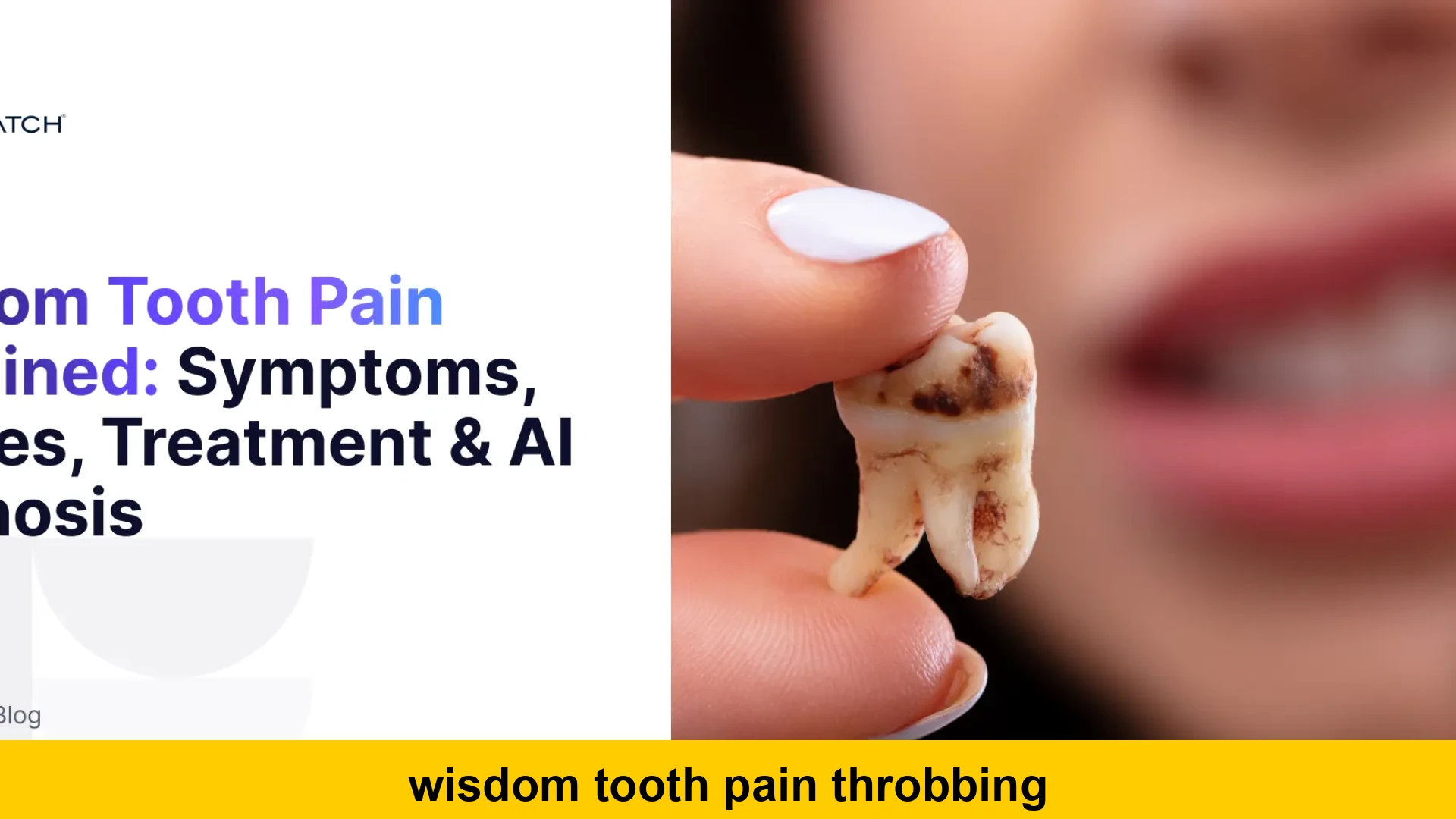
Few experiences are as disruptive and persistently uncomfortable as a toothache, and among these, wisdom tooth pain throbbing often takes the crown for sheer intensity. That deep, pulsating ache in the back of your jaw can make eating, speaking, and even sleeping feel like an impossible task. It’s a common complaint, signaling that your wisdom teeth – the third molars at the very back of your mouth – are likely causing trouble. Understanding why this discomfort occurs and what steps you can take to find relief is crucial for maintaining your oral health and overall well-being. This comprehensive guide will delve into the causes, symptoms, home remedies, and professional treatments for that relentless throbbing sensation, ensuring you have all the information you need to tackle the issue head-on.
Understanding Wisdom Tooth Pain Throbbing: What’s Happening?
When you experience wisdom tooth pain throbbing, it’s often a sign of inflammation or infection. Wisdom teeth are the last set of molars to erupt, typically between the ages of 17 and 25. For many, there simply isn’t enough room in the jaw for these teeth to emerge properly. This lack of space can lead to a variety of problems, including impaction, where the tooth gets stuck beneath the gum line or against an adjacent tooth. The constant pressure and irritation from an impacted tooth can manifest as a persistent throbbing discomfort.
The throbbing sensation itself is often indicative of increased blood flow and pressure in the area, a natural response to inflammation or infection. This pulsating pain can range from mild to severe, often intensifying when you lie down, which increases blood pressure to the head, or when you chew. Recognizing the distinct feeling of a throbbing wisdom tooth ache is the first step toward seeking appropriate care and relief.
Why Does My Wisdom Tooth Throb Constantly? Exploring the Causes
The persistent throbbing wisdom tooth pain you’re experiencing can stem from several underlying issues, each requiring different approaches for relief. Identifying the root cause is essential for effective treatment and preventing further complications.
- Impacted Wisdom Teeth: This is by far the most common reason for wisdom tooth pain throbbing. An impacted wisdom tooth can be fully or partially trapped in the jawbone or under the gum. As it tries to erupt, it pushes against the surrounding tissues, nerves, or adjacent teeth, causing significant pressure and inflammation. This pressure often translates into a deep, pulsating pain that can be quite severe.
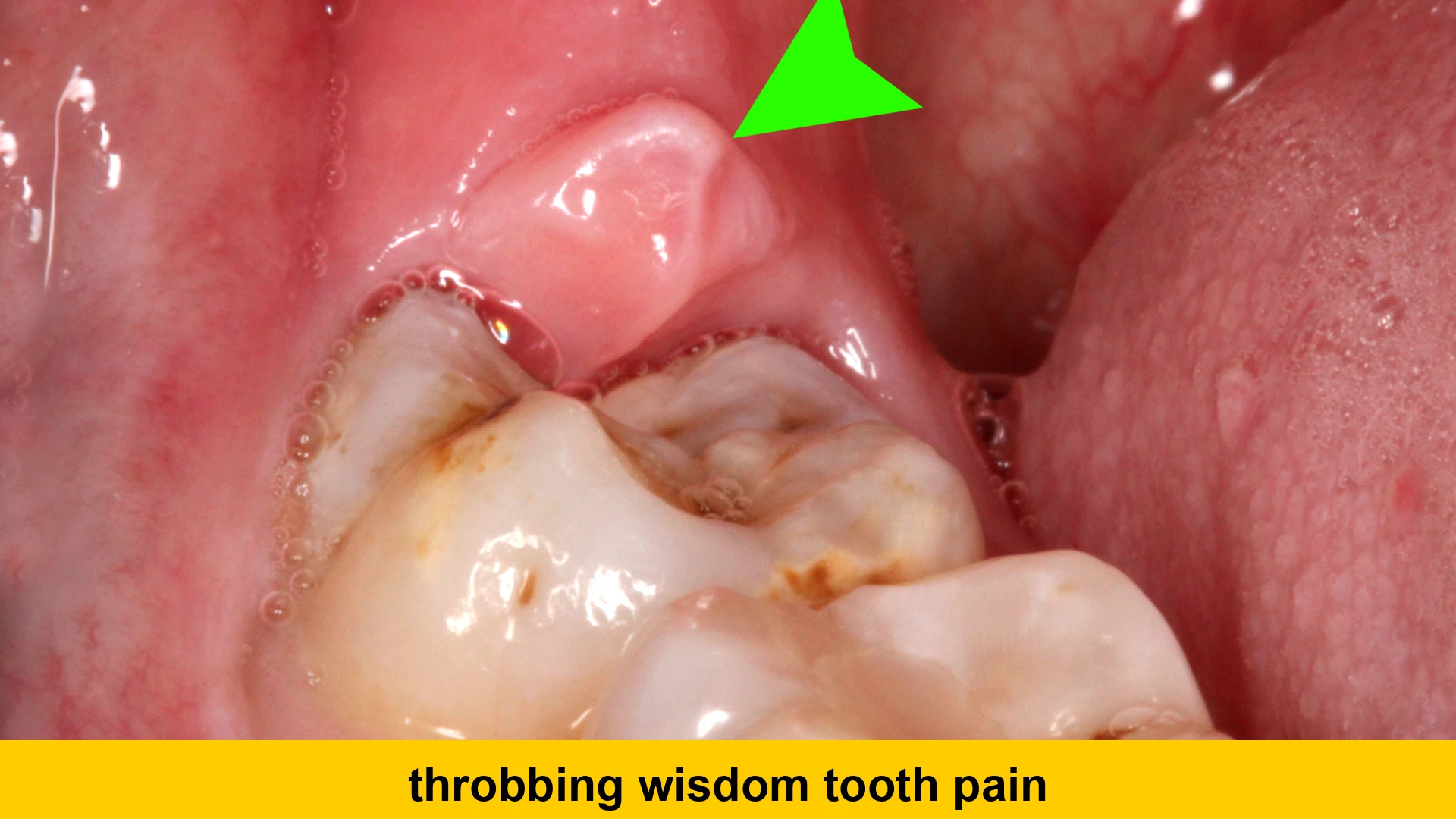
- Pericoronitis: When a wisdom tooth partially erupts, a flap of gum tissue (operculum) can form over it. Food particles and bacteria can easily get trapped under this flap, leading to an infection called pericoronitis. This condition causes significant inflammation, swelling, and severe throbbing pain from wisdom tooth, often accompanied by a foul taste, difficulty opening your mouth, and even fever.
- Tooth Decay and Cavities: Just like any other tooth, wisdom teeth can develop cavities. Due to their position at the back of the mouth, they can be difficult to clean effectively, making them more susceptible to decay. A deep cavity can expose the tooth’s sensitive inner pulp, leading to a sharp, pulsating wisdom tooth pain relief that worsens with hot, cold, or sweet foods.
- Gum Disease: Poor oral hygiene around wisdom teeth can contribute to generalized gum disease (periodontitis). The inflammation and infection of the surrounding gum tissues can cause persistent wisdom tooth throbbing discomfort and tenderness.
- Cysts or Tumors: In rare cases, an impacted wisdom tooth can lead to the formation of a cyst or tumor in the jawbone. These growths can cause bone destruction, damage to adjacent teeth, and significant pain, including a throbbing sensation as they expand.
- Pressure on Adjacent Teeth: As a wisdom tooth attempts to erupt, it can exert pressure on the neighboring second molar. This pressure can cause sensitivity, shifting of other teeth, and a widespread aching sensation that can feel like throbbing wisdom tooth pain.
Understanding these causes helps contextualize your symptoms and guides you toward the most appropriate course of action. Ignoring the throbbing wisdom tooth ache can lead to more serious health issues, including widespread infection or damage to other teeth.
Identifying Wisdom Tooth Pain Symptoms Beyond Throbbing
While wisdom tooth pain throbbing is a primary indicator of an issue, it rarely comes alone. Recognizing other wisdom tooth pain symptoms can help you understand the severity of the problem and when to seek professional help. These symptoms often provide clues about the specific nature of the complication.
- Swelling and Redness: The gum tissue around the affected wisdom tooth often becomes swollen, tender, and noticeably red. This inflammation is a direct response to irritation or infection.
- Difficulty Opening Your Mouth (Trismus): Infection or significant inflammation can cause the muscles in your jaw to spasm, making it painful and difficult to fully open your mouth. This can impact eating and speaking.
- Pain Radiating to Jaw and Ear: It’s common for throbbing wisdom tooth pain jaw and ear to occur simultaneously. The pain can spread from the tooth itself to the jawbone, temples, and even down to the ear or neck, making it feel like a more generalized ache rather than just a tooth issue. This is known as referred pain.
- Bad Breath and Unpleasant Taste: When food debris and bacteria get trapped around a partially erupted wisdom tooth, an infection can develop. This leads to the production of pus, which causes a foul odor and a metallic or bitter taste in your mouth.
- Fever and General Malaise: A more severe infection (like pericoronitis or an abscess) can trigger systemic symptoms such as a low-grade fever, fatigue, swollen lymph nodes in the neck, and a general feeling of being unwell. These are signs of wisdom tooth infection throbbing pain.
- Tenderness and Sensitivity: The area around the wisdom tooth may be extremely sensitive to touch, pressure, or temperature changes, exacerbating the throbbing pain from wisdom tooth.
- Headaches: Persistent jaw tension and pain can often lead to tension headaches, contributing to your overall discomfort.
Paying attention to this range of symptoms provides a clearer picture of your situation and helps your dentist make an accurate diagnosis and recommend the most effective treatment plan. Do not dismiss these accompanying signs, as they often indicate a worsening condition.
When to See a Dentist for Throbbing Wisdom Tooth Pain
While some minor irritation might subside on its own, persistent or worsening throbbing wisdom tooth pain is a strong signal that you need professional attention. Knowing when to see a dentist wisdom tooth pain escalates is crucial for preventing more serious complications and finding lasting relief.
You should schedule an appointment with your dentist as soon as possible if you experience any of the following:
- Severe, Unrelenting Pain: If the throbbing pain from wisdom tooth is so intense that it interferes with your daily activities, sleep, or eating, it’s a clear sign that you need immediate dental care.
- Signs of Infection: This includes fever, chills, pus discharge from the gums, swollen lymph nodes under your jaw or in your neck, or a noticeably foul taste in your mouth. These are urgent signs of wisdom tooth infection throbbing pain.
- Difficulty Opening Your Mouth: If you struggle to open your mouth wide, experience pain when chewing, or have difficulty swallowing, it could indicate a spreading infection or severe inflammation.
- Persistent Swelling: Swelling in the cheek, jaw, or around the affected tooth that doesn’t subside after a day or two warrants professional evaluation.
- Pain Radiating to Other Areas: If your throbbing wisdom tooth pain jaw and ear are constantly affected, it suggests a significant issue that needs addressing.
- Home Remedies Are Not Working: If you’ve tried over-the-counter pain relievers and home care for more than 24-48 hours without significant improvement, it’s time to see a professional.
Delaying a visit to the dentist can lead to more severe infections, abscess formation, damage to adjacent teeth, or even systemic health problems. A dental professional can accurately diagnose the cause of your wisdom tooth throbbing discomfort and recommend the most effective treatment, which may involve antibiotics, irrigation, or extraction.
How to Relieve Throbbing Wisdom Tooth Pain at Home (Temporary Measures)
While professional dental care is essential for definitive treatment, there are several home remedies for wisdom tooth pain that can offer temporary relief from that unbearable throbbing sensation. These methods can help manage discomfort until you can see your dentist. Remember, these are not cures, but rather ways to alleviate symptoms.
Immediate Steps for Pulsating Wisdom Tooth Pain Relief
When the pulsating wisdom tooth pain relief is your primary concern, try these practical steps:
- Saltwater Rinse: This is a highly effective first line of defense. Dissolve half a teaspoon of salt in a glass of warm water. Swish the solution around your mouth for 30-60 seconds, focusing on the affected area, then spit it out. Repeat several times a day. Saltwater helps to reduce inflammation, clean the area, and kill bacteria, which can significantly reduce throbbing wisdom tooth ache. This is one of the best ways to keep the area clean and manage infection risk.
- Cold Compress: Apply an ice pack or a bag of frozen peas wrapped in a cloth to the outside of your cheek near the painful area. Hold it for 15-20 minutes, then remove for 20 minutes, repeating this cycle for an hour or so. The cold helps to constrict blood vessels, reducing swelling and numbing the pain, which can provide effective throbbing pain from wisdom tooth relief.
- Over-the-Counter Pain Relievers: Non-steroidal anti-inflammatory drugs (NSAIDs) like ibuprofen (Advil, Motrin) or naproxen (Aleve) can be very effective at reducing both pain and inflammation. Acetaminophen (Tylenol) can also help with pain. Always follow the dosage instructions on the packaging.
- Clove Oil: Clove oil contains eugenol, a natural antiseptic and anesthetic. Apply a small amount of pure clove oil to a cotton ball and gently dab it directly onto the affected tooth and surrounding gum. Hold it there for a few minutes. Be careful not to swallow too much, as it can upset your stomach. This can be surprisingly effective for throbbing wisdom tooth pain due to its numbing properties.
- Peppermint Tea Bags: After brewing a peppermint tea bag, allow it to cool in the refrigerator. Once chilled, place the cool tea bag directly on the affected gum area for about 20 minutes. Peppermint has mild numbing and soothing properties that can help reduce discomfort.
- Oral Anesthetic Gels: Over-the-counter topical gels containing benzocaine (like Orajel) can provide temporary numbing of the gum and tooth. Apply sparingly as directed.
- Elevate Your Head: When sleeping, use an extra pillow to elevate your head. This can help reduce blood flow to the head and jaw area, potentially lessening the intensity of what causes throbbing wisdom tooth pain at night.
These temporary measures can certainly make the wait for a dental appointment more manageable. However, they are not a substitute for professional diagnosis and treatment. If your throbbing wisdom tooth ache persists or worsens, seek dental care promptly. For more detailed instructions, you might find resources like the CDC’s information on wisdom teeth helpful.
Professional Treatment for Throbbing Wisdom Tooth Pain
When throbbing wisdom tooth pain becomes chronic or severe, home remedies are often insufficient, and professional intervention is necessary. Your dentist will conduct a thorough examination, which usually includes X-rays, to determine the exact cause of your discomfort and recommend the most appropriate course of action.
Key Dental Interventions for Persistent Pain
- Antibiotics for Infection: If an infection (like pericoronitis or an abscess) is the cause of your throbbing pain from wisdom tooth, your dentist will likely prescribe antibiotics to clear the infection first. This is crucial before any surgical procedure, as operating on an active infection can spread it further. You’ll typically take antibiotics for several days, after which the swelling and pain should subside significantly.
- Irrigation and Cleaning: For pericoronitis where food and bacteria are trapped under a gum flap, the dentist may thoroughly clean and irrigate the area to remove debris and flush out bacteria. This can provide immediate relief and allow the inflamed gum tissue to heal, addressing the wisdom tooth throbbing discomfort.
- Wisdom Tooth Extraction: This is the most common and often definitive solution for problematic wisdom teeth, especially those that are impacted or repeatedly infected.
- Simple Extraction: If the tooth has fully erupted and is easily accessible, it can be removed much like any other tooth.
- Surgical Extraction: For impacted wisdom teeth, a surgical procedure is usually required. This involves making an incision in the gum tissue, and sometimes removing a small amount of bone that covers the tooth. The tooth might be sectioned into smaller pieces for easier removal. This procedure effectively removes the source of the throbbing wisdom tooth pain.
- Medication Management: Post-extraction, your dentist will prescribe pain medication (prescription-strength NSAIDs or opioids for severe pain) to manage discomfort during the healing process. They will also provide detailed aftercare instructions to prevent complications like dry socket.
- Addressing Other Issues: If the throbbing wisdom tooth pain is due to a cavity or gum disease, the dentist will treat those specific issues first. This might involve fillings for decay or scaling and root planing for gum disease.
Choosing the right treatment depends entirely on the diagnosis. Your dentist will discuss all options, explain the benefits and risks, and help you make an informed decision to permanently resolve your throbbing wisdom tooth ache.
The Wisdom Tooth Extraction Process and Aftercare
If extraction is deemed necessary for your throbbing wisdom tooth pain, understanding the process and proper aftercare can alleviate anxiety and promote a smoother recovery. This common oral surgical procedure is performed by general dentists or oral surgeons.
Before the Procedure
Your dentist or oral surgeon will review your X-rays to understand the position of the wisdom tooth, its roots, and its proximity to nerves and sinuses. They will discuss the type of anesthesia – local anesthetic (to numb the area), sedation (to relax you), or general anesthesia (to put you to sleep) – depending on the complexity of the extraction and your comfort level. It’s important to ask any questions you have about the throbbing pain from wisdom tooth relief during and after the procedure.
During the Procedure
Once you are comfortably numb or sedated, the actual extraction takes place. For an impacted tooth causing significant wisdom tooth throbbing discomfort, the surgeon will make an incision in the gum to expose the tooth and bone. They may need to remove a small amount of bone covering the tooth or divide the tooth into smaller sections to make removal easier. After the tooth is removed, the site is cleaned, and sutures are often used to close the gum flap, aiding in healing and reducing throbbing wisdom tooth ache post-operation.
Aftercare: Minimizing Post-Extraction Throbbing Pain
Proper aftercare is crucial for a smooth recovery and to prevent complications. Some level of throbbing pain after wisdom tooth extraction normal is expected, but careful management can make a significant difference:
- Pain Management: Your dentist will likely prescribe pain medication or recommend over-the-counter NSAIDs. Take these as directed. Applying a cold compress to the outside of your cheek can also help reduce swelling and discomfort for the first 24-48 hours.
- Bleeding Control: Bite gently on the gauze pads placed over the extraction site. Change them as needed until bleeding subsides. Slight oozing is normal for the first day.
- Swelling Reduction: Swelling is common and can peak around 2-3 days post-op. Continue using cold compresses.
- Diet: Stick to soft foods for the first few days (e.g., yogurt, mashed potatoes, soup). Avoid crunchy, sticky, or hot foods that could irritate the site.
- Oral Hygiene: Avoid rinsing vigorously for the first 24 hours. After that, gently rinse with warm salt water several times a day to keep the area clean and reduce bacteria. Avoid brushing directly on the surgical site for a few days.
- Avoid Straws, Smoking, and Spitting: These actions create suction in the mouth that can dislodge the blood clot protecting the extraction site, leading to a painful condition called dry socket. Dry socket can significantly worsen throbbing pain from wisdom tooth after extraction.
- Rest: Get plenty of rest and avoid strenuous activity for at least 24-48 hours to aid healing.
While some pulsating wisdom tooth pain relief measures will be provided by your dentist, diligently following these aftercare instructions is key to a comfortable and efficient recovery from your wisdom tooth extraction. If you experience excessive bleeding, severe pain not managed by medication, fever, or signs of dry socket (severe pain starting a few days after extraction, bad breath, unpleasant taste), contact your oral surgeon immediately.
Preventing Future Wisdom Tooth Pain Throbbing
While some wisdom tooth issues are unavoidable, particularly if your jaw simply doesn’t have enough space, there are proactive steps you can take to minimize the risk of developing throbbing wisdom tooth pain or other complications. Prevention largely revolves around excellent oral hygiene and regular dental check-ups.
Here’s how you can reduce your chances of experiencing that persistent wisdom tooth throbbing discomfort:
- Maintain Excellent Oral Hygiene: This is paramount. Brush your teeth at least twice a day for two minutes each time, paying special attention to the very back of your mouth where wisdom teeth are located. Use a soft-bristled toothbrush and a fluoride toothpaste. Floss daily to remove food particles and plaque from between your teeth and under the gum line, especially around partially erupted wisdom teeth. Preventing food traps and bacterial buildup is key to avoiding infection and subsequent throbbing pain from wisdom tooth.
- Regular Dental Check-ups and Cleanings: Visit your dentist for routine check-ups and professional cleanings at least twice a year, or as recommended. Your dentist can monitor the development and eruption of your wisdom teeth through X-rays. They can spot potential problems like impaction or pericoronitis early, before they escalate into severe throbbing wisdom tooth pain. Early intervention can prevent minor issues from becoming major emergencies.
- Monitor Erupting Wisdom Teeth: If you feel your wisdom teeth starting to emerge, pay close attention to any discomfort, swelling, or difficulty cleaning the area. A small amount of discomfort is normal during eruption, but persistent pain, especially throbbing wisdom tooth ache, warrants a call to your dentist.
- Address Overcrowding Early: If your dentist identifies that your jaw is too small to accommodate your wisdom teeth, they might recommend proactive extraction even before symptoms arise. This can prevent impaction, damage to adjacent teeth, and the onset of debilitating throbbing wisdom tooth pain jaw and ear.
- Promptly Treat Cavities and Gum Disease: Don’t let minor dental issues fester. If you develop a cavity in a wisdom tooth or signs of gum disease around it, seek treatment immediately. Early intervention can prevent these conditions from progressing and leading to severe pain.
By being diligent with your oral care and maintaining open communication with your dental professional, you can significantly reduce the likelihood of experiencing the intense throbbing wisdom tooth pain that so many people dread.
When the Night Brings Throbbing Wisdom Tooth Pain
The saying goes that pain is always worse at night, and this often holds true for dental discomfort, particularly throbbing wisdom tooth pain. Many people wonder, what causes throbbing wisdom tooth pain at night and how can it be managed to ensure a restful sleep? Several factors contribute to the intensification of pain during nighttime hours.
Firstly, when you lie down, blood flow to your head increases. This added pressure within the inflamed tissues around your wisdom tooth can amplify the pulsating sensation, making the throbbing wisdom tooth ache feel more pronounced. Secondly, during the day, distractions from work, activities, and social interaction can help divert your attention from the pain. At night, in a quiet room with fewer distractions, your focus tends to narrow in on the discomfort, making it feel more severe.
Strategies for Managing Nighttime Discomfort
If you’re grappling with throbbing pain from wisdom tooth keeping you awake, consider these strategies:
- Elevate Your Head: Use an extra pillow or two to keep your head elevated while sleeping. This can help reduce blood flow and pressure to the area, potentially lessening the intensity of the throbbing.
- Take Pain Relievers Before Bed: If approved by your dentist or doctor, take an over-the-counter NSAID (like ibuprofen) about an hour before you plan to go to sleep. This can help manage inflammation and pain throughout the initial hours of the night, offering some pulsating wisdom tooth pain relief.
- Cold Compress Before Sleep: Apply a cold compress to your cheek for 15-20 minutes just before bed. This can numb the area and reduce initial swelling, providing a temporary window for sleep.
- Saltwater Rinse: Perform a warm saltwater rinse right before going to bed. This helps to clean the area, reduce bacteria, and calm inflammation that might contribute to wisdom tooth throbbing discomfort.
- Avoid Certain Foods and Drinks: Steer clear of acidic, sugary, very hot, or very cold foods and drinks in the evening, as these can irritate an already sensitive tooth and exacerbate the pain.
- Distraction Techniques: While not a pain reliever, engaging in calming activities like reading, listening to soft music, or meditating can sometimes help distract your mind from focusing solely on the pain.
Persistent throbbing wisdom tooth pain jaw and ear that disrupts sleep is a clear sign that professional dental intervention is needed. While these nighttime strategies can offer temporary respite, they are not a substitute for addressing the underlying cause of the pain with your dentist.
The Connection Between Wisdom Tooth Pain, Jaw, and Ear
Many individuals experiencing throbbing wisdom tooth pain often report that the discomfort isn’t confined to the immediate tooth area. Instead, it frequently radiates, leading to pain in the jaw, temples, and even the ear. This phenomenon is known as referred pain, and it’s a very common characteristic of dental issues, especially those involving the back molars. Understanding why does my wisdom tooth throb constantly and spread its misery to these areas can help you better describe your symptoms to your dentist.
The nerves that supply your wisdom teeth are part of a complex network that also innervates your jaw, temporal region, and ear. Specifically, the trigeminal nerve, which has branches extending throughout the face and jaw, plays a significant role. When inflammation or infection occurs around a wisdom tooth, the pain signals can travel along these shared neural pathways, making it difficult for your brain to pinpoint the exact source of the discomfort. As a result, you might feel the pain in your ear or jaw, even if the primary problem is the tooth itself.
Unpacking the Throbbing Wisdom Tooth Pain Jaw and Ear Connection
- Jaw Pain: An impacted wisdom tooth pushing against the jawbone or neighboring teeth can create considerable pressure and inflammation, leading to a dull ache or sharp pain in the jaw. This can also cause muscle tension in the masticatory muscles, further contributing to jaw stiffness and pain, especially when chewing or opening your mouth wide. The constant throbbing wisdom tooth ache can make these muscles sore and tight.
- Ear Pain: The ear is particularly susceptible to referred pain from wisdom teeth. The close proximity of the nerves supplying both the back teeth and the ear means that wisdom tooth inflammation can easily be perceived as an earache. This can sometimes lead to misdiagnosis if a patient only reports ear pain without mentioning dental symptoms.
- Headaches and Temple Pain: The tension and inflammation spreading from the wisdom tooth and jaw can also lead to tension headaches and pain in the temples. This often accompanies the persistent throbbing pain from wisdom tooth, making the overall experience quite debilitating.
If you’re experiencing this triad of throbbing wisdom tooth pain jaw and ear, it’s a strong indication that the issue with your wisdom tooth is significant and warrants prompt dental attention. Describing all your symptoms, including radiating pain, will help your dentist accurately diagnose the problem and provide effective pulsating wisdom tooth pain relief.
Impacted Wisdom Teeth and Associated Complications
An impacted wisdom tooth is one that doesn’t fully erupt through the gum line. It can be partially impacted, meaning only a portion of the tooth emerges, or fully impacted, remaining completely beneath the gum. This common condition is a leading cause of severe throbbing wisdom tooth pain and can lead to a host of other complications if left untreated.
Types of Impaction and Their Risks
Impacted wisdom teeth can be classified based on their angle and depth:
- Mesial Impaction: The tooth is angled forward, toward the front of the mouth. This is the most common type and often leads to throbbing pain from wisdom tooth as it presses against the adjacent second molar.
- Distal Impaction: The tooth is angled backward, toward the back of the mouth. While less common, it can still cause significant issues.
- Vertical Impaction: The tooth is correctly oriented but remains trapped within the jawbone, unable to fully erupt. This can still cause pressure and wisdom tooth throbbing discomfort.
- Horizontal Impaction: The tooth is lying completely on its side, often pressing against the roots of the neighboring tooth. This is one of the most problematic types, often necessitating surgical removal and leading to intense throbbing wisdom tooth ache.
Complications Arising from Impaction
Beyond the immediate throbbing wisdom tooth pain, impacted wisdom teeth can cause several serious problems:
- Pericoronitis: As discussed earlier, this infection of the gum flap covering a partially erupted tooth is a frequent complication, leading to severe localized pain, swelling, and pus. It’s a common source of intense signs of wisdom tooth infection throbbing pain.
- Damage to Adjacent Teeth: An impacted wisdom tooth can push against the second molar, leading to resorption (erosion) of its root or creating pressure that causes the second molar to shift or become misaligned. This can also make the second molar more susceptible to decay or gum disease due to difficulty in cleaning.
- Cysts and Tumors: The sac surrounding an impacted wisdom tooth can fill with fluid, forming a cyst. These cysts can enlarge, destroying bone and damaging adjacent teeth or nerve structures. In very rare cases, a benign tumor can develop.
- Tooth Decay (Cavities): Both the impacted wisdom tooth itself and the adjacent second molar are at higher risk for decay. Food and bacteria can easily get trapped in the tight spaces created by impaction, making cleaning difficult and fostering the development of cavities, which can then lead to throbbing pain from wisdom tooth.
- Gum Disease: The difficulty in cleaning around an impacted or partially erupted wisdom tooth can lead to chronic inflammation and periodontal disease, affecting not just the wisdom tooth but also surrounding teeth and bone.
Given the potential for such significant complications, dentists often recommend removing impacted wisdom teeth even if they are not currently causing throbbing wisdom tooth pain. This prophylactic removal can prevent future problems and save you from considerable discomfort down the line.
Conclusion: Don’t Ignore Throbbing Wisdom Tooth Pain
Experiencing wisdom tooth pain throbbing is far more than just a minor inconvenience; it’s your body’s clear signal that something is amiss in your oral health. From impacted teeth pushing against neighboring molars to infections like pericoronitis, the causes of this pulsating discomfort are varied, yet all demand attention. We’ve explored the tell-tale symptoms, from localized swelling and redness to radiating pain affecting your jaw and ear, underscoring the importance of recognizing these signs early.
While home remedies such as saltwater rinses, cold compresses, and over-the-counter pain relievers can offer temporary pulsating wisdom tooth pain relief, it is crucial to remember they are not a substitute for professional dental care. A persistent throbbing wisdom tooth ache, especially one accompanied by fever, severe swelling, or difficulty opening your mouth, warrants an immediate visit to your dentist. They can accurately diagnose the underlying cause through examination and X-rays, and provide the definitive treatment needed.
Whether the solution involves antibiotics to clear an infection, thorough cleaning, or the common procedure of wisdom tooth extraction, prompt intervention can prevent more severe complications like extensive decay, cyst formation, or damage to adjacent teeth. Proactive measures, including diligent oral hygiene and regular dental check-ups, play a vital role in preventing the onset of throbbing wisdom tooth pain in the first place.
Ultimately, your comfort and long-term oral health depend on addressing the root cause of your discomfort. Don’t let a throbbing wisdom tooth ache disrupt your life any longer. Schedule an appointment with your dental professional to find lasting relief and protect your smile. For further insights on oral health, consider visiting a reputable source like our guide to general dental care or our article on managing dental emergencies.