
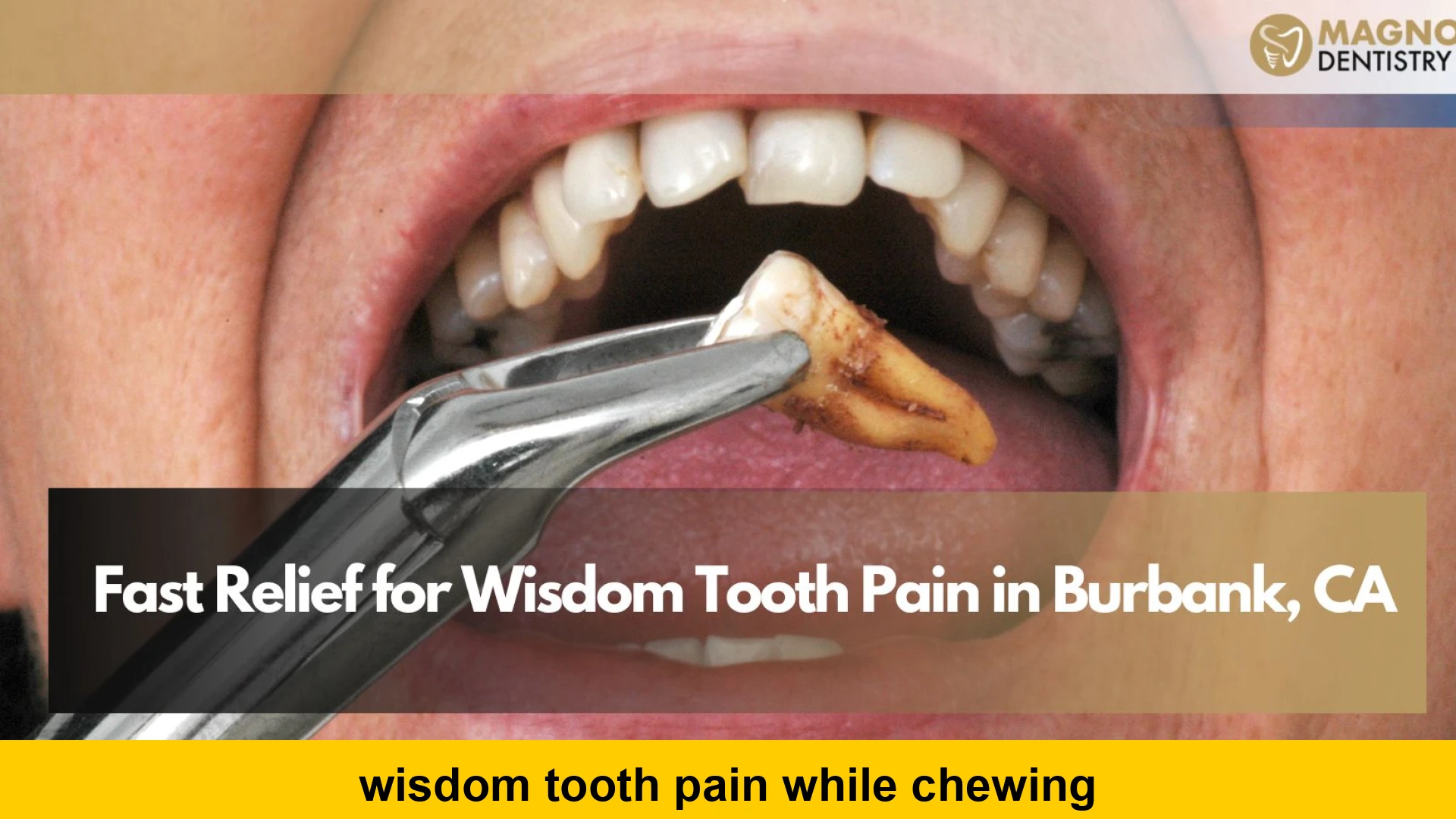
Experiencing wisdom tooth pain when chewing can be an incredibly uncomfortable and disruptive ordeal. This specific type of dental discomfort often signals underlying issues with your wisdom teeth, the last set of molars to erupt, typically between the ages of 17 and 25. While some people experience no problems with their wisdom teeth, for many, their arrival brings a host of potential complications that become acutely noticeable during the simple act of eating.
The act of chewing puts pressure on your teeth, gums, and surrounding jaw structures. If a wisdom tooth is impacted, erupting improperly, infected, or has decay, this pressure can translate into sharp, throbbing, or persistent pain. Understanding why you’re suffering from wisdom tooth pain when chewing is the first step towards finding effective relief and preventing further complications. This comprehensive guide will explore the common causes, symptoms, home remedies, and professional treatments available, ensuring you have all the information needed to address your discomfort.
Understanding Wisdom Tooth Pain While Chewing: Why It Happens
The journey of wisdom teeth from beneath the gums to their final position is often fraught with potential problems. Unlike your other molars, wisdom teeth frequently lack sufficient space in the jaw to erupt correctly. This lack of space is a primary driver behind much of the trouble and the resulting wisdom tooth pain when chewing that many individuals experience.
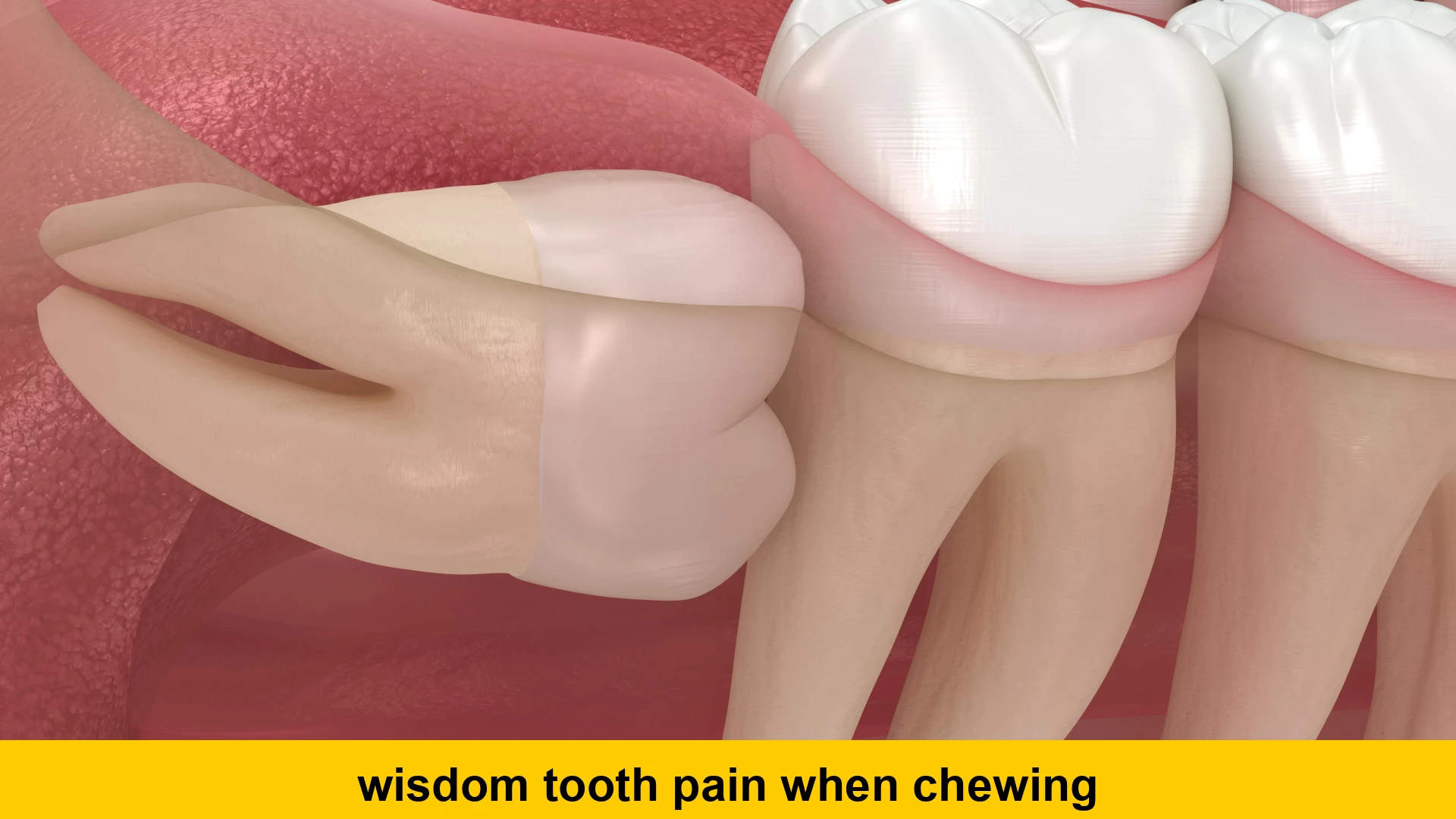
When wisdom teeth attempt to emerge in an overcrowded mouth, they can become impacted. An impacted wisdom tooth means it’s stuck beneath the gum line, either partially or fully, and cannot erupt into a functional position. This impaction can lead to a cascade of issues, including localized inflammation, pressure on adjacent teeth, and a heightened susceptibility to infection, all of which contribute significantly to the discomfort you feel when you have a painful wisdom tooth chewing.
The Complex Nature of Wisdom Tooth Eruption
The eruption process itself can be a source of discomfort. As a wisdom tooth pushes through the gum tissue, it can cause inflammation and tenderness, making chewing a challenge. This is often the case when someone says their wisdom tooth hurts while chewing. The gum flap overlying a partially erupted tooth, known as an operculum, can become irritated and swollen due to food particles and bacteria getting trapped underneath it.
This irritation can be exacerbated by the constant friction and pressure from chewing, leading to persistent soreness. Moreover, if the tooth is erupting at an unusual angle, it might push against the adjacent molar, causing pressure and pain that intensifies with every bite. The complexity of how these teeth emerge means that even a ‘normal’ eruption can be uncomfortable, but signs of unusual pain should always prompt investigation.
Impacted Wisdom Teeth: A Common Culprit for Chewing Pain
Impacted wisdom teeth are perhaps the most common reason for wisdom tooth pain when chewing food. Depending on the angle and depth of impaction, a wisdom tooth can cause various degrees of pain. A tooth that is horizontally impacted, for instance, might push directly against the roots of the second molar, causing significant pressure and damage that becomes acutely painful with chewing.
Even a soft tissue impaction, where the tooth is covered only by gum tissue, can lead to chronic irritation and inflammation. The pressure from chewing on the opposing arch can directly impact the inflamed gum tissue over the impacted tooth, making eating a dreaded activity. This continuous irritation can also make the area prone to bacterial accumulation, setting the stage for infection.
Unpacking the Causes of Wisdom Tooth Pain When Chewing
While impaction is a major factor, several other conditions can lead to chewing pain wisdom tooth. Identifying the specific cause is crucial for effective treatment and relief. Sometimes, the pain might not directly stem from the tooth itself but from the surrounding gum tissue or even the jaw joint, all influenced by the presence and position of the wisdom tooth.
Pericoronitis: Infection Around Your Wisdom Tooth
Pericoronitis is an inflammation or infection of the gum tissue surrounding a partially erupted wisdom tooth. This condition is one of the most frequent reasons for acute wisdom tooth pain when chewing. Food debris, plaque, and bacteria can easily become trapped beneath the flap of gum tissue (operculum) that covers a partially emerged tooth. This area is difficult to clean, creating an ideal breeding ground for bacteria.
As the infection progresses, the gum tissue becomes swollen, tender, and extremely painful. Chewing can intensify this pain by directly pressing on the inflamed gum or by forcing more food particles into the infected area. Symptoms often include severe pain, swelling, difficulty opening the mouth (trismus), and sometimes a bad taste in the mouth or fever. This is a common scenario when someone complains, “My wisdom tooth hurts only when I chew,” as the pressure of eating exacerbates the infection.
Tooth Decay and Cavities
Despite their late arrival, wisdom teeth are just as susceptible to decay as any other tooth, often even more so due to their position. Their location at the very back of the mouth makes them challenging to clean effectively with a toothbrush and floss. This difficulty in maintaining hygiene increases the risk of plaque buildup and cavity formation. When decay reaches the inner layers of the tooth, it can cause significant pain, especially when pressure is applied during chewing, or when exposed to hot, cold, or sweet foods. A cavity in a wisdom tooth can lead to persistent sore wisdom tooth when eating.
Furthermore, an impacted wisdom tooth can sometimes create a pocket where food and bacteria collect, leading to decay not only in the wisdom tooth itself but also in the adjacent second molar. This type of decay can be particularly insidious, often going unnoticed until significant pain, including wisdom tooth pain relief when biting down, becomes a daily issue.
Cysts and Tumors
Less common but more serious causes of wisdom tooth pain when chewing include the development of cysts or tumors. An impacted wisdom tooth can sometimes trigger the formation of a fluid-filled sac (cyst) or, in rare cases, a benign tumor around the crown of the tooth. These growths can expand, putting pressure on the jawbone, adjacent teeth, and nerves.
The pressure exerted by these growths can cause persistent pain that might worsen with chewing and jaw movement. While often asymptomatic in their early stages, their growth can lead to bone destruction and significant discomfort. Early detection through regular dental X-rays is crucial in managing these potential complications effectively. If you’re experiencing pain, particularly if it’s accompanied by swelling that doesn’t resolve, it’s vital to seek professional advice.
Gum Inflammation and Periodontal Disease
The gums around wisdom teeth are particularly vulnerable to inflammation. Even without a full-blown infection like pericoronitis, the irritation from a partially erupted tooth or chronic plaque buildup can lead to localized gingivitis, an early stage of gum disease. This inflammation makes the gum tissue tender, swollen, and prone to bleeding, especially when chewing or brushing.
If left untreated, gingivitis can progress to periodontitis, a more severe form of gum disease that affects the bone supporting the teeth. Periodontal disease around wisdom teeth can cause the gums to recede and deepen pockets around the tooth, making them even harder to clean. This chronic inflammation and tissue damage can cause a dull ache or sharp pain that is exacerbated by chewing, contributing to your overall wisdom tooth discomfort chewing.
Misaligned Bites and Jaw Strain
In some cases, the eruption of wisdom teeth can alter the alignment of your bite, even subtly. This change can lead to uneven pressure distribution during chewing, causing strain on your temporomandibular joint (TMJ) and the muscles of your jaw. This might manifest as pain in the jaw when chewing, headaches, or even earaches, which can be mistakenly attributed solely to the wisdom tooth itself.
The pressure from a misaligned wisdom tooth can also lead to clenching or grinding (bruxism), especially at night, further aggravating jaw pain. If you experience clicking or popping in your jaw along with pain in jaw when chewing due to wisdom tooth, it’s essential to have your bite evaluated by a dentist. Sometimes, alleviating the wisdom tooth issue can also resolve related jaw strain.
Recognizing Symptoms Beyond Wisdom Tooth Pain While Chewing
While wisdom tooth pain when chewing is a primary indicator of an issue, it rarely occurs in isolation. There are often other accompanying symptoms that can provide further clues about the underlying problem. Recognizing these additional signs can help you communicate more effectively with your dentist and ensure a timely diagnosis.
Swelling and Tenderness
One of the most common signs accompanying painful wisdom tooth chewing is localized swelling and tenderness around the affected area. This swelling can manifest in the gum tissue immediately surrounding the wisdom tooth, making it appear puffy and red. In more severe cases, the swelling might extend to the cheek or even the lymph nodes in the neck. The tenderness often makes it difficult to touch the area, brush effectively, or apply any pressure, including the pressure from chewing.
A visible swollen cheek or tenderness when gently pressing on your jaw below the ear can indicate a more significant infection or inflammation. This gum swelling and pain near wisdom tooth chewing often goes hand-in-hand with an escalating infection, highlighting the need for prompt dental attention.
Difficulty Opening Your Mouth (Trismus)
When an infection or severe inflammation affects the wisdom tooth area, it can cause the muscles around your jaw to spasm and tighten. This condition, known as trismus, or ‘lockjaw,’ makes it incredibly difficult and painful to open your mouth fully. Eating becomes nearly impossible, and even speaking can be challenging. This symptom is particularly concerning as it often signifies a spreading infection that requires immediate medical intervention.
If you find it hard to yawn, eat, or even fit a toothbrush comfortably into your mouth, it’s a strong indicator that the issue with your wisdom tooth has progressed beyond simple discomfort. Trismus associated with wisdom tooth pain when chewing is a clear signal to contact your dentist without delay.
Bad Breath and Unpleasant Taste
Infections around wisdom teeth, particularly pericoronitis, can lead to the accumulation of bacteria and pus. This bacterial activity often results in persistent bad breath (halitosis) and an unpleasant, metallic, or foul taste in the mouth. Even after brushing and rinsing, the taste and odor may linger, indicating an active infection.
This symptom is a direct result of the breakdown of food particles and bacterial byproducts in the inflamed or infected area. If you notice a persistent foul taste or bad breath, especially localized to the back of your mouth, in conjunction with wisdom tooth hurts while chewing, it’s a strong sign of an underlying bacterial problem that needs professional assessment. Understanding impacted wisdom teeth further can help identify if this is a contributing factor.
Initial Relief for Wisdom Tooth Pain When Chewing: Home Remedies
While professional dental care is ultimately necessary for persistent or severe wisdom tooth pain when chewing, there are several home remedies you can try to alleviate discomfort in the short term. These methods aim to reduce inflammation, clean the area, and provide temporary pain relief. However, remember these are not substitutes for a dentist’s diagnosis and treatment.
Saltwater Rinses: Your First Line of Defense
Rinsing your mouth with warm salt water is one of the oldest and most effective home remedies for oral discomfort. Salt acts as a natural disinfectant and helps to reduce inflammation. To prepare, dissolve half a teaspoon of salt in a glass of warm water. Swish the solution around your mouth for about 30 seconds, focusing on the affected area, then spit it out. Repeat this several times a day, especially after meals, to dislodge food particles and keep the area clean. This can provide significant temporary relief for sore wisdom tooth when eating and general gum irritation.
Cold Compresses and OTC Pain Relief
Applying a cold compress to the outside of your cheek can help reduce swelling and numb the pain. Wrap an ice pack or a bag of frozen peas in a cloth and apply it to the affected side of your face for 15-20 minutes at a time, several times a day. Over-the-counter pain relievers like ibuprofen (Advil, Motrin) or acetaminophen (Tylenol) can also help manage the pain and reduce inflammation. Always follow the dosage instructions on the packaging. These can be particularly helpful when you need immediate wisdom tooth pain relief when biting down.
Dietary Adjustments for Sore Wisdom Tooth When Eating
When experiencing wisdom tooth discomfort chewing, adjusting your diet is crucial. Avoid hard, crunchy, sticky, or chewy foods that require significant mastication and could aggravate the painful area. Opt for soft foods that are easy to swallow, such as soups, yogurts, mashed potatoes, smoothies, and scrambled eggs. Eating on the unaffected side of your mouth can also help reduce direct pressure on the painful wisdom tooth. Minimizing irritation through diet can significantly improve your comfort levels.
Maintaining Oral Hygiene
Even though brushing a painful area might seem counterintuitive, maintaining good oral hygiene is essential to prevent infection from worsening. Gently brush your teeth, including the area around the wisdom tooth, ensuring you don’t irritate the inflamed gum. Use a soft-bristled toothbrush and consider an antiseptic mouthwash (after consulting with your dentist) to further reduce bacteria. Keeping the area clean can help prevent complications like pericoronitis and reduce the severity of wisdom tooth hurts while chewing.
When to Seek Professional Help for Painful Wisdom Tooth Chewing
While home remedies can offer temporary relief, they are not a substitute for professional dental care. Certain symptoms indicate that it’s time to stop self-treating and consult a dentist immediately. Ignoring these signs can lead to more serious health complications. The question, “Is it normal for wisdom tooth to hurt when chewing?” is often answered by the severity and persistence of your symptoms. Generally, prolonged or intense pain is not normal and warrants professional evaluation.
Persistent or Worsening Pain
If your wisdom tooth pain when chewing persists for more than a few days, despite home remedies, or if it becomes increasingly severe, it’s a clear sign that you need professional help. Pain that interferes with your daily activities, sleep, or ability to eat indicates a potentially serious underlying issue that requires diagnosis and treatment by a dentist. Do not wait for the pain to become unbearable.
Signs of Infection
Any signs of infection around the wisdom tooth area demand immediate dental attention. These include pus discharge from the gums, a persistent bad taste in your mouth, fever, swollen lymph nodes in your neck, or general malaise. An untreated infection can spread to other parts of your face and neck, potentially leading to a more severe and dangerous condition. If you experience these symptoms alongside chewing pain wisdom tooth, seek emergency dental care.
Swelling Spreading to Other Areas
If the swelling around your wisdom tooth area begins to spread to your jaw, cheek, throat, or neck, it’s a critical emergency. This indicates a rapidly spreading infection that could compromise your airway or lead to systemic health problems. Difficulty swallowing or breathing combined with severe pain in jaw when chewing due to wisdom tooth requires an immediate visit to an emergency room or an emergency dentist.
Professional Interventions for Wisdom Tooth Discomfort Chewing
When home remedies are insufficient or when serious symptoms arise, a dentist will employ a range of professional interventions to address wisdom tooth discomfort chewing. The specific treatment plan will depend entirely on the underlying cause, which is determined through a thorough examination and diagnostic tests.
Dental Examination and X-rays
Your dentist will begin with a comprehensive oral examination, visually inspecting the wisdom tooth area and palpating your jaw. To gain a clear understanding of the tooth’s position, impaction status, and any potential pathology, dental X-rays (usually panoramic X-rays) are essential. These images reveal whether the tooth is impacted, its angle, proximity to nerves, and the presence of any cysts, tumors, or decay in the wisdom tooth or adjacent teeth. This diagnostic step is critical for determining what causes wisdom tooth pain when chewing food.
Antibiotics for Infection
If your wisdom tooth pain when chewing is due to an active infection like pericoronitis, the first course of action will often be a prescription for antibiotics. Antibiotics will help to clear the bacterial infection, reduce swelling, and alleviate pain. It’s crucial to complete the entire course of antibiotics as prescribed, even if your symptoms improve quickly, to ensure the infection is fully eradicated. Once the infection is under control, your dentist can then proceed with definitive treatment for the wisdom tooth itself, such as extraction.
Wisdom Tooth Extraction: The Ultimate Solution
For many patients experiencing chronic or severe wisdom tooth pain when chewing, extraction is the recommended and ultimate solution. This is especially true for impacted wisdom teeth, those causing recurrent infections, decay, or damage to adjacent teeth. Wisdom tooth extraction is a common oral surgical procedure performed by a general dentist or an oral surgeon.
The procedure can be straightforward for fully erupted teeth or more complex for deeply impacted ones. It often involves making an incision in the gum, sometimes removing bone, and then extracting the tooth. The area is then sutured closed. Extraction not only eliminates the current source of painful wisdom tooth chewing but also prevents future complications. Your dentist will discuss the procedure, anesthesia options, and post-operative care in detail. For more information, you can also consult resources like the American Dental Association on Wisdom Teeth.
Life After Wisdom Tooth Removal: Managing Recovery
After a wisdom tooth extraction, proper post-operative care is crucial for a smooth recovery and to prevent complications such as dry socket or infection. While the immediate cause of wisdom tooth pain when chewing will be gone, managing the surgical site is paramount. Your dental professional will provide specific instructions tailored to your case, but here are some general guidelines.
Post-Extraction Care Instructions
Following your surgery, it’s essential to bite down gently but firmly on the gauze pads placed over the extraction site for about 30-45 minutes to control bleeding. Replace the gauze as needed until the bleeding subsides. Avoid rinsing your mouth vigorously, spitting, or using straws for at least 24-48 hours, as these actions can dislodge the blood clot and lead to a painful dry socket. Pain medication will be prescribed or recommended to manage discomfort, and antibiotics might be necessary if infection risk is high. For detailed guidance, see our guide on post-extraction care tips.
Dietary Recommendations
To prevent irritating the extraction site and allow for proper healing, stick to soft foods for the first few days post-surgery. Think mashed potatoes, yogurt, applesauce, smoothies (without a straw), and pureed soups. Gradually reintroduce solid foods as your comfort level improves. Avoid hot liquids, alcohol, and spicy foods, which can irritate the healing tissues. This temporary dietary modification helps prevent any accidental chewing pain wisdom tooth in the sensitive surgical area.
Preventing Complications
Maintaining good oral hygiene is still important, but gently. You can typically resume gentle brushing and flossing around the other teeth after 24 hours, but avoid the extraction site directly. Rinse your mouth gently with warm salt water starting 24 hours after surgery to keep the area clean and reduce swelling. Avoid smoking, as it significantly impairs healing and increases the risk of dry socket. By diligently following these instructions, you can minimize discomfort and ensure a successful recovery, putting an end to your wisdom tooth discomfort chewing.
Preventing Future Wisdom Tooth Pain When Chewing
While some issues with wisdom teeth are unpredictable, there are proactive steps you can take to prevent or minimize the likelihood of future problems, including that dreaded wisdom tooth pain when chewing. Prevention often involves early assessment and consistent oral hygiene practices.
Regular Dental Check-ups
Regular dental check-ups are paramount for overall oral health and are the best way to monitor your wisdom teeth. Your dentist can track the development and eruption of your wisdom teeth through clinical examinations and periodic X-rays. These early assessments can identify potential problems, such as impaction or unusual angles, long before they start causing pain or damage. This proactive approach can help answer questions like, “What to do if wisdom tooth hurts only when chewing?” before the pain even begins.
Early intervention, such as timely extraction, can prevent the onset of severe wisdom tooth pain when chewing, infections, or damage to adjacent teeth. Don’t wait until you’re experiencing excruciating painful wisdom tooth chewing to schedule an appointment; regular preventative care is always the best strategy.
Early Assessment of Wisdom Teeth
Many dentists recommend assessing wisdom teeth in late adolescence or early adulthood, even if they aren’t causing problems yet. This allows for a planned approach to their management. If your dentist determines that your wisdom teeth are likely to cause issues in the future due to lack of space or improper angulation, they might recommend proactive extraction. This elective surgery, performed before symptoms like wisdom tooth hurts while chewing develop, can often be less complicated and have a smoother recovery than emergency extractions of infected or severely impacted teeth. Discuss your wisdom teeth’s long-term prognosis with your dentist to make an informed decision about preventative care.
Conclusion
Experiencing wisdom tooth pain when chewing is a clear signal from your body that something is amiss. Whether it’s due to impaction, infection, decay, or other complications, this discomfort significantly impacts your quality of life and ability to enjoy meals. While home remedies can offer temporary relief, they are not a substitute for professional dental care. Understanding the common causes, recognizing accompanying symptoms, and knowing when to seek help are crucial steps in managing and resolving your pain effectively.
Don’t ignore persistent or worsening chewing pain wisdom tooth. Early diagnosis and appropriate treatment from a qualified dental professional are essential to prevent further complications, alleviate your discomfort, and protect your overall oral health. If you are struggling with wisdom tooth pain when chewing, schedule a dental appointment today to get the personalized care you need and restore comfort to your daily life.